Foula, a small Scottish island located over 32 km west of the subarctic Shetland archipelago, celebrates Christmas on january 6. This tradition sets it apart from the rest of the country and the world.
The reason Foula residents celebrate Christmas late is their continued use of the Julian calendar to determine dates, a system implemented by Roman leader Julius Caesar in 46 BC. The Julian calendar was widely used in the West for over 1,600 years before being replaced by the Gregorian calendar from the 16th century. The United Kingdom adopted the Gregorian calendar in 1752. Consequently, in 2025, islanders will celebrate Christmas on january 6 instead of december 24-25.
The Gregorian calendar shortens each year by an average of 0,0075 days compared to the Julian calendar. Over time, this difference between the two systems grew. Following a leap year adjustment in 1900, Christmas and New Year on Foula island shifted 12 days later than elsewhere in Britain, giving the island its unique Christmas date.
With a population of nearly 40, Foula is often described as one of Britain's most remote locations. The island has no pubs, shops, or bars, lacks wi-fi, and is not connected to the national power grid. Food and essential supplies are transported to the island by boat or small plane, but only when weather conditions permit.
However, its isolated location offers advantages. Foula spans an area of 13 km², boasting many natural wonders. The island features five majestic peaks, including Da Kame, one of the highest vertical sea cliffs in Britain.
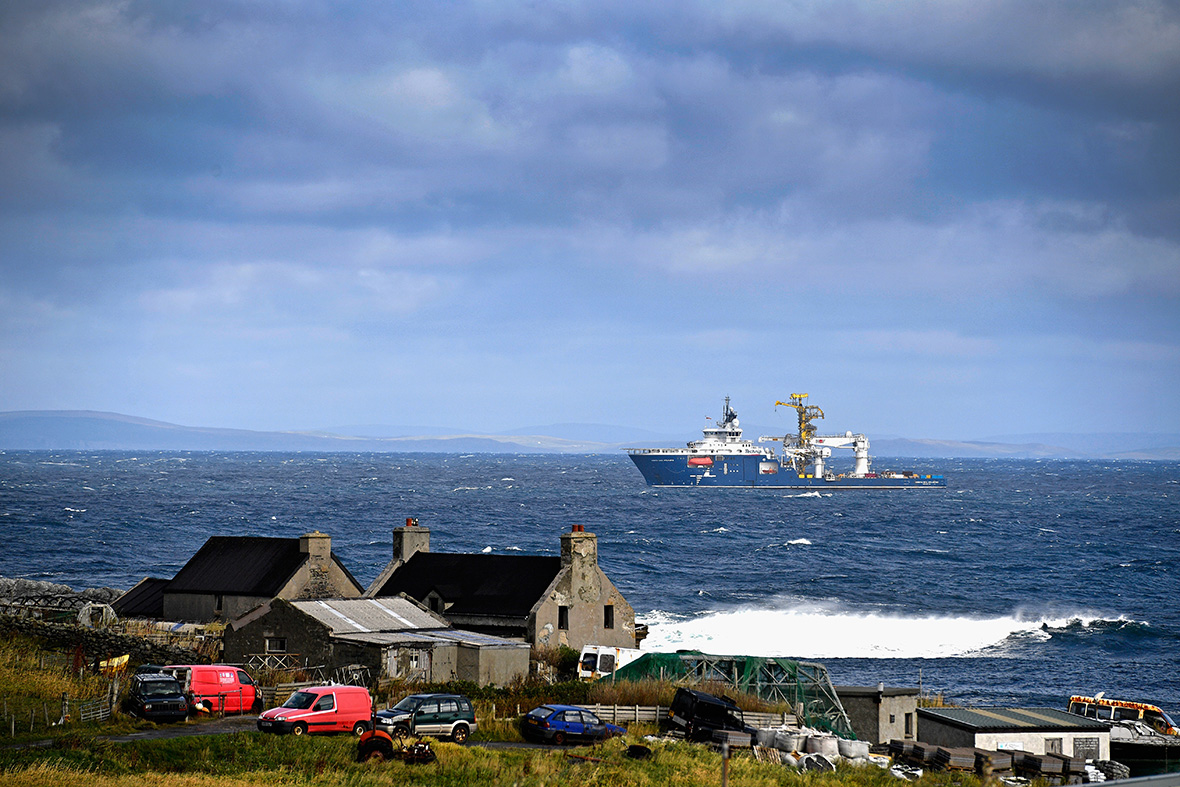
 |
Foula island overlooking the sea. Photo: ibtimes |
The island is also the best place in the country to view the aurora borealis, locally known as the "Mirrie Dancers". Visitors can best observe this phenomenon from mid-october to mid-march.
Additionally, the island attracts tourists with its numerous sheep herds and diverse wildlife, appealing to nature enthusiasts. For diving enthusiasts, the surrounding waters are an ideal destination to explore shipwrecks. One of the most famous wrecks is the RMS Oceanic, a World War II era warship launched in 1899 and sank near the island.
For visitors preferring land-based activities, Foula offers hiking experiences or exploration across the island using maps from Foula Heritage, a local organization providing tourist information.
 |
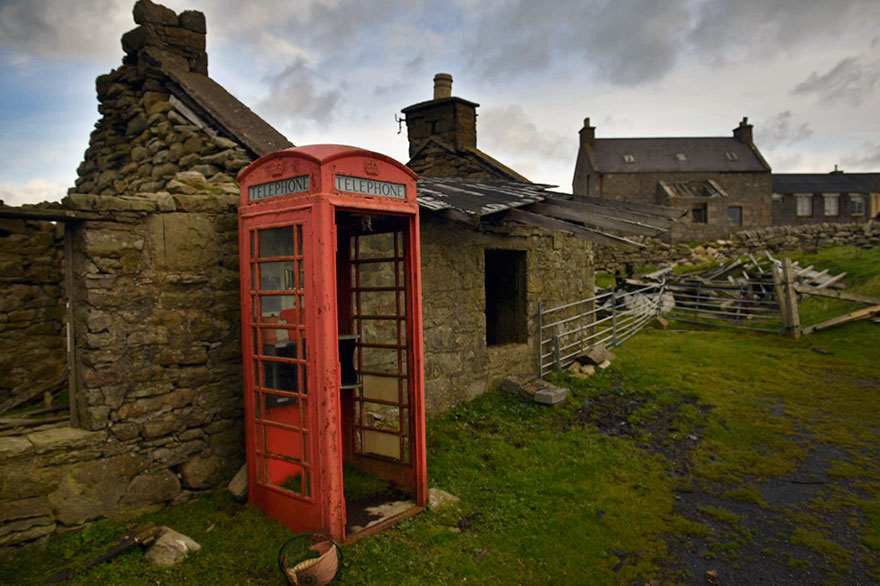
The red telephone box - a distinctive symbol of Britain - also appears on the island. Photo: Bored Panda
 |
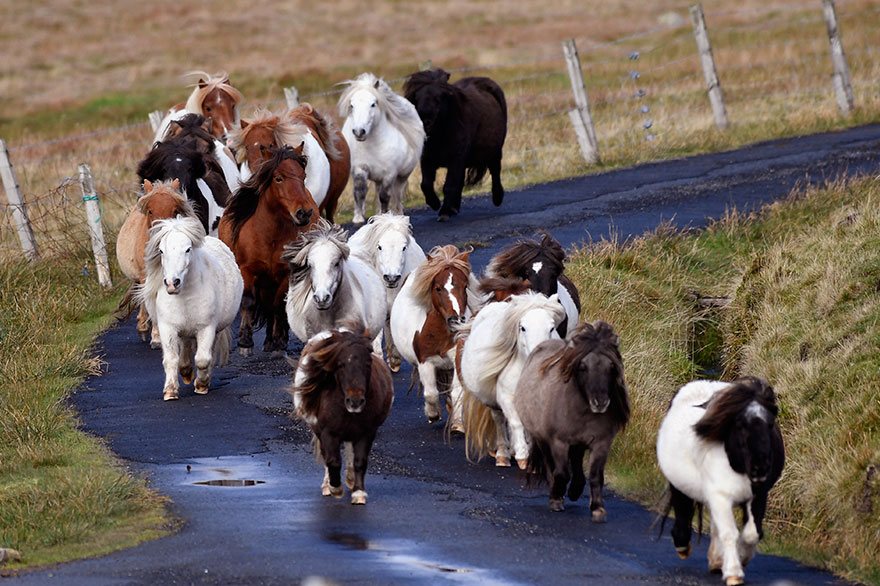
The island is also known for having more ponies than people. Photo: Bored Panda
 |
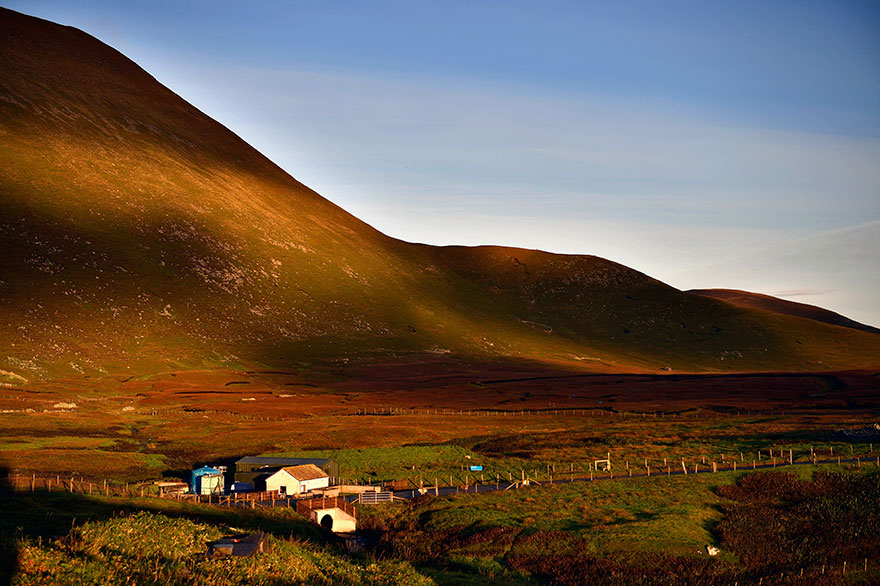
A corner of the island. Photo: Bored Panda
Visitors can reach the island by ferry, which arrives once every three weeks and takes two hours, or by plane from the Shetland islands. Travelers should note that due to its remote location, the island's infrastructure is not as developed as the mainland. Therefore, guests planning to stay should bring essential items, including food.
Anh Minh (According to DM, Shetland)