The VnExpress Marathon Grand Tour Nghe An 2026, scheduled for 27/9, features four distances: 5km, 10km, 21km, and 42km, and is expected to attract around 7,000 athletes. This event offers more than just a race; runners can combine their participation with a three-day exploration of Nghe An, delving into its history, culture, cuisine, and local landscapes.
This approach embodies the spirit of the Grand Tour model, which VnExpress Marathon is implementing for the first time, with Nghe An serving as its inaugural destination. According to race director Duong Hai Anh, each season is not only a competition but also an opportunity for athletes to experience the local land, its stories, and unique cultural values.
Below is a suggested three-day itinerary for runners visiting Nghe An.
Day one: visit Lang Sen and savor Nghe An cuisine in Vinh City
Runners arriving in Nghe An on 25/9 or the morning of 26/9 can choose Vinh City as their primary base. After checking into accommodation, the first journey should lead towards Nam Dan, to the Kim Lien historical site, the birthplace of President Ho Chi Minh.
Lang Sen is an ideal starting point for the trip, as its imagery is central to this first Grand Tour season. The tranquil rural setting, with its thatched roofs, areca palms, bamboo groves, and lotus ponds, evokes the homeland of President Ho and the distinct character of Nghe An's countryside.
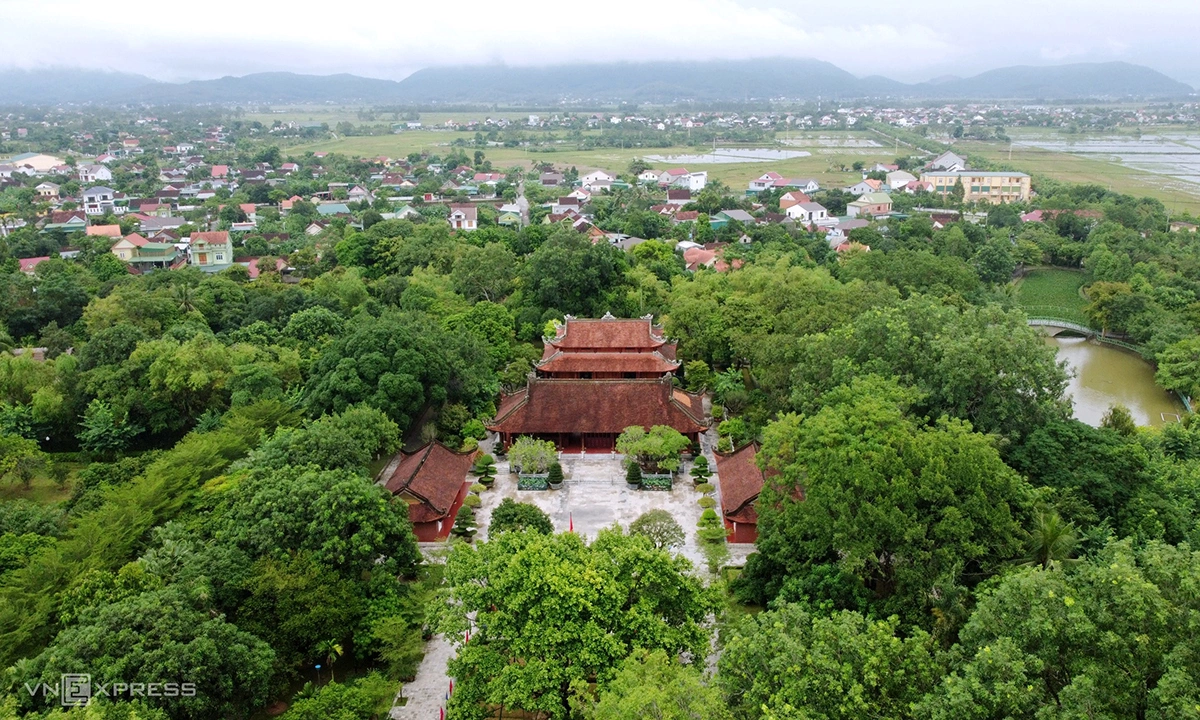 |
A corner of the Kim Lien special national historical site. Photo: Duc Hung
Runners can spend the morning or early afternoon walking around the historical site, learning about President Ho Chi Minh's childhood and his family's daily life. This gentle activity is suitable for the day before the race, allowing athletes to conserve energy for the competition.
This visit also helps runners understand the details featured on the event merchandise. The VnExpress Marathon Grand Tour Nghe An 2026 medal depicts Lang Sen's thatched roof and rural green hues, framed by an outline inspired by Vinh Ancient Citadel. The race shirt also incorporates the image of bamboo groves, a familiar symbol of the North Central Coast countryside.
Returning to Vinh in the late afternoon, runners can pick up their race kits according to the organizer's schedule, check their bibs, and prepare their attire for the following morning. The remainder of the day should be dedicated to rest rather than attempting to visit more locations.
The pre-race dinner is an opportune moment to begin exploring Nghe An's cuisine. However, athletes should opt for familiar, easily digestible dishes, prioritizing carbohydrates. Richly spiced or new culinary experiences can be saved for after the race.
If arriving a day earlier, runners can dedicate an evening to discovering Vinh City's culinary delights. Eel soup, eel porridge, banh muot (steamed rice rolls), and chao canh (thick noodle soup) are characteristic dishes often recommended by locals. Nghe An eel is typically prepared with turmeric, shallots, and various spices, served with bread or banh muot.
Day two: run through Vinh, then discover the Lam River
The early morning of 27/9 marks the most crucial part of the trip. The Grand Tour course is expected to start and finish at Ho Chi Minh Square, guiding runners through Vinh City and its surrounding areas.
For longer distances, Le Nin Avenue and Vinh - Cua Lo Avenue are key highlights. Vinh - Cua Lo Avenue, approximately 32 m wide, features a relatively flat surface, flanked by rice fields and mountains. This route allows athletes to experience a transition in scenery from the city center to the outskirts, rather than just running amidst urban buildings.
This is where the Grand Tour spirit is most clearly expressed. The images runners encounter along the route have already appeared on their race shirts, medals, and finisher shirts. The racecourse, therefore, is not separate from the destination but becomes an integral part of the narrative of the host region.
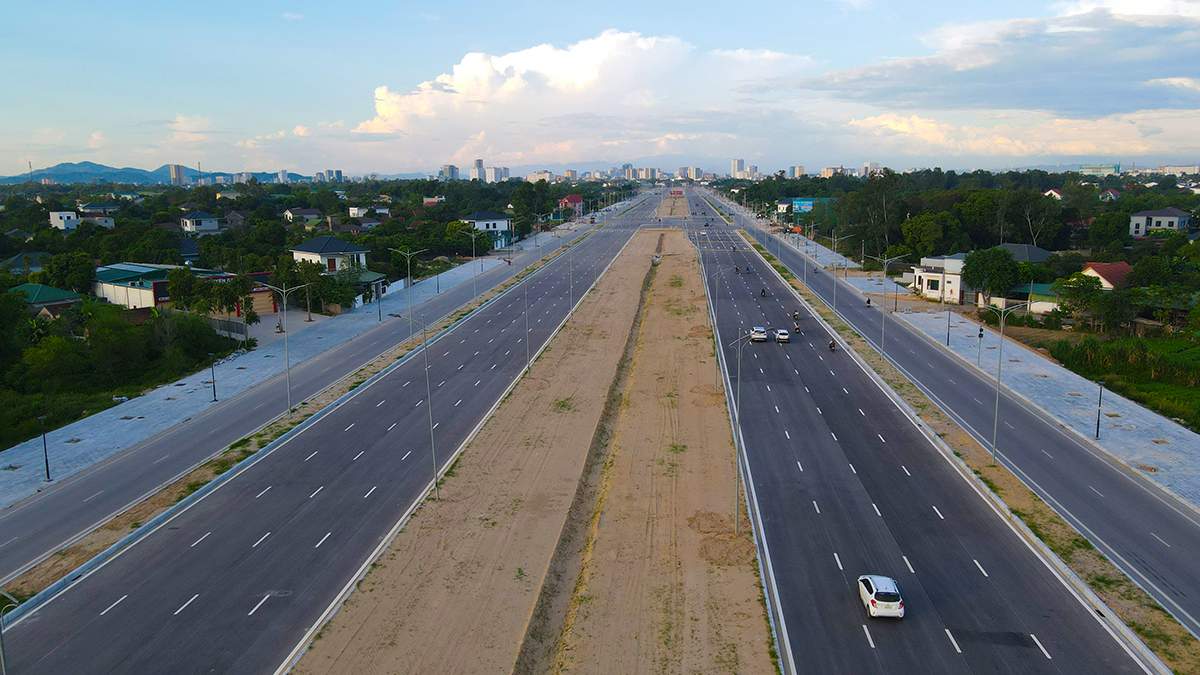 |
Vinh - Cua Lo Avenue is one of the sections the 21km and 42km long distances will pass through. Photo: Duc Hung
After finishing, long-distance runners should prioritize a light meal, rehydration, electrolyte replenishment, and a few hours of rest. The afternoon can transition to a lighter itinerary, exploring areas around the city or finding a viewpoint overlooking the Lam River.
The Lam River, closely associated with Nghe An, also inspired the 42km finisher shirt. The shirt's turquoise hue evokes the river and its enduring flow, connecting to the marathon challenge where athletes need to sustain their strength over 42,195 km, not just explode in a single moment.
In contrast, the 21km finisher shirt features a red color with "fire" imagery, suggesting the heat, Lao wind, and the strong character of the Central region. These contrasting "fire" and "water" symbols collectively tell a story of endurance and the Nghe An spirit.
The evening after the race is an ideal time to fully enjoy local specialties, especially those avoided before the race due to their rich seasoning. It also provides an opportunity to converse with locals and experience the rhythm of Vinh City after achieving a sporting goal.
Day three: from the racecourse to Cua Lo beach
After race day, the final leg of the Nghe An trip should be dedicated to rest and beach enjoyment. From central Vinh, runners can travel about 20 km to Cua Lo, a popular tourist destination in Nghe An.
If the body is still sore from the race, athletes do not need to plan an extensive schedule. A morning stroll on the beach, enjoying coffee, gazing at the sea, or a seafood lunch is sufficient for a relaxing "race-cation" without adding further strain to the legs.
Those with more time can visit Lan Chau Island at the end of Cua Lo beach. This destination features natural rock formations and views of the sea. Hon Ngu Island, located about 4 km offshore, is another option for extending the journey if weather conditions and schedules permit.
Cua Lo's cuisine offers a distinct flavor profile compared to Vinh City. Crabs, shrimp, squid, mantis shrimp, blood cockles, and mackerel are common seafood. Among these, "muc nhay" (fresh squid) is a dish tourists often seek when visiting this coastal area.
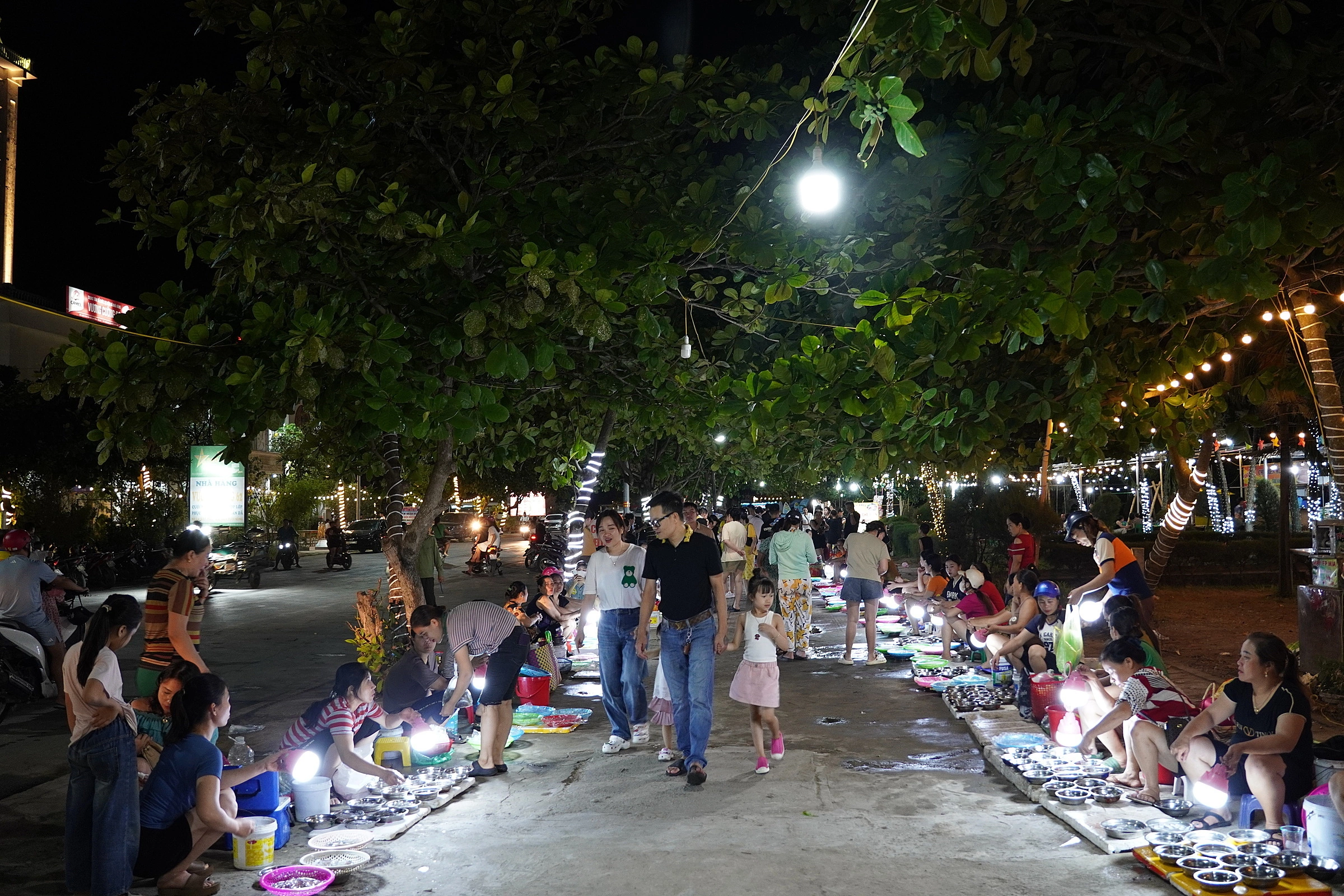 |
Fresh squid market in Cua Lo. Photo: Tuan Anh
This arrangement ensures the three-day itinerary offers three distinct experiences. Lang Sen connects runners with history and rural charm; the racecourse links them to Vinh's urban life and Nghe An's landscapes; and Cua Lo provides relaxation, culinary delights, and seaside enjoyment after completing the race.
Nghe An's tourism map also extends west to Pu Mat National Park, Giang River, and Khe Kem Waterfall. Pu Mat National Park, Giang River, Khe Kem Waterfall, and the Thai ethnic community villages are suitable for those seeking deeper nature exploration. The Pha Lai Ecological Area offers experiences like boat trips and kayaking on the Giang River, with local cuisine including river fish, grilled chicken, com lam (bamboo-cooked rice), wild vegetables, and bitter bamboo shoots. Due to their distance from Vinh, these destinations are better suited for longer trips rather than being squeezed into a race weekend.
The VnExpress Marathon Grand Tour Nghe An is the first destination in the system's Grand Tour development. This model draws inspiration from athletic journeys intertwined with the land, where local scenery, culture, and daily life become integral to the competition experience. Subsequent seasons are expected to continue exploring new destinations, each with its own unique story.
Thy An