Lo Lo Chai, nestled at the foot of the Lung Cu Flagpole in Lung Cu commune, is one of the rare villages that has maintained the cultural identity of the Lo Lo people. Since its development as a community-based cultural tourism village, integrated with new rural development by the former Dong Van district, it has become a favored destination for both domestic and international visitors.
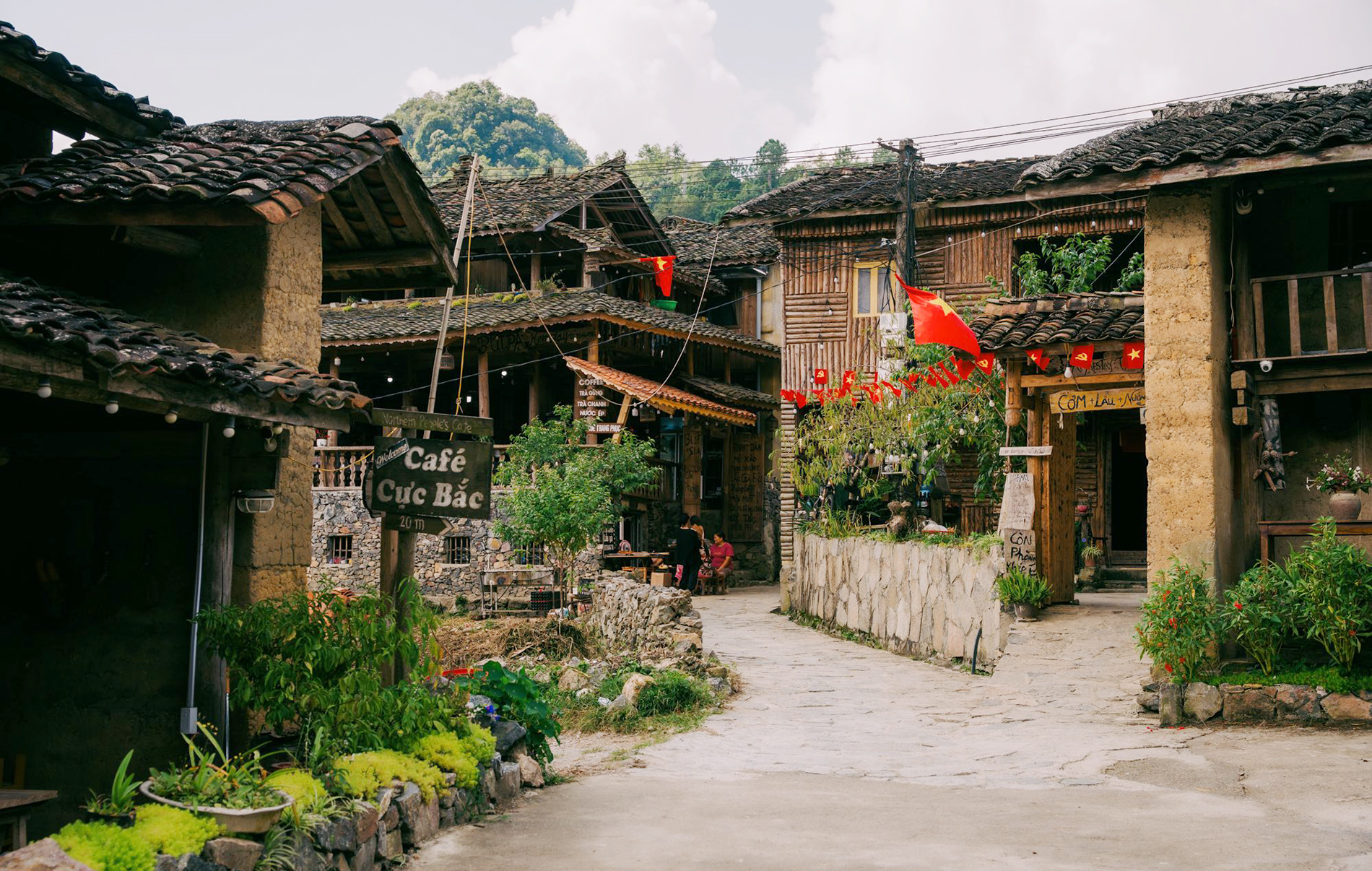 |
A small corner of Lo Lo Chai.
The village currently has approximately 120 households with over 550 residents. Over 100 of these households are from the Lo Lo ethnic group, a minority in Vietnam, while the rest are H'Mong. Previously, residents' livelihoods primarily depended on cultivating shifting fields in harsh terrain, leading to economic difficulties. Since its recognition as a community-based cultural tourism village, Lo Lo Chai has gradually embraced tourism, becoming a key stop for travelers exploring Vietnam's northernmost region.
On 17/10, Lo Lo Chai was selected by the United Nations Tourism Organization (UN Tourism) as one of the "Best Tourism Villages in the World 2025".
Weather
Lo Lo Chai experiences cool summers, with temperatures peaking at 25-26 degrees Celsius, and severely cold winters where temperatures can drop below 0 degrees Celsius, bringing frost. Regardless of the season, visitors can enjoy the fresh air and unique local culture.
From September to December: This is the peak season, characterized by buckwheat flower blooms and dry, clear weather.
From January to February: This period showcases peach, plum, and pear blossoms, though the weather remains quite cold.
From March to June: The village gradually transitions into summer, leading up to the rainy season, with vibrant green corn fields dominating the landscape.
From June to September: The weather can be extreme, with potential for storms, floods, and landslides. However, lucky visitors might witness the serene atmosphere and true beauty of this region.
 |
A beautiful day in Lo Lo Chai. Photo: Ngoc Thanh
Getting there
Lo Lo Chai is located approximately 450 km from Hanoi. The most common route is Hanoi - National Road 2 - Ha Giang ward (former Ha Giang city) - Lo Lo Chai. The journey from Ha Giang to Lo Lo Chai is challenging, featuring numerous mountain passes and steep slopes, with towering "cat-ear" limestone mountains on one side and deep ravines on the other, along with many dangerous curves.
Depending on their itinerary and desired attractions, visitors can choose between two main routes:
The first route is the most popular and quickest, following National Road 4C through Quan Ba, Yen Minh, Tham Ma Pass, Chin Khoanh Pass, Sung La, and the H'Mong King's Palace. This journey takes about 4-5 hours.
The second route follows National Road 34, then DT 176, passing through Du Gia, Mau Due, Lung Phin, Meo Vac (M'Mong Pa Vi village), Nho Que River, Ma Pi Leng Pass, and Dong Van. This route takes approximately 6 hours.
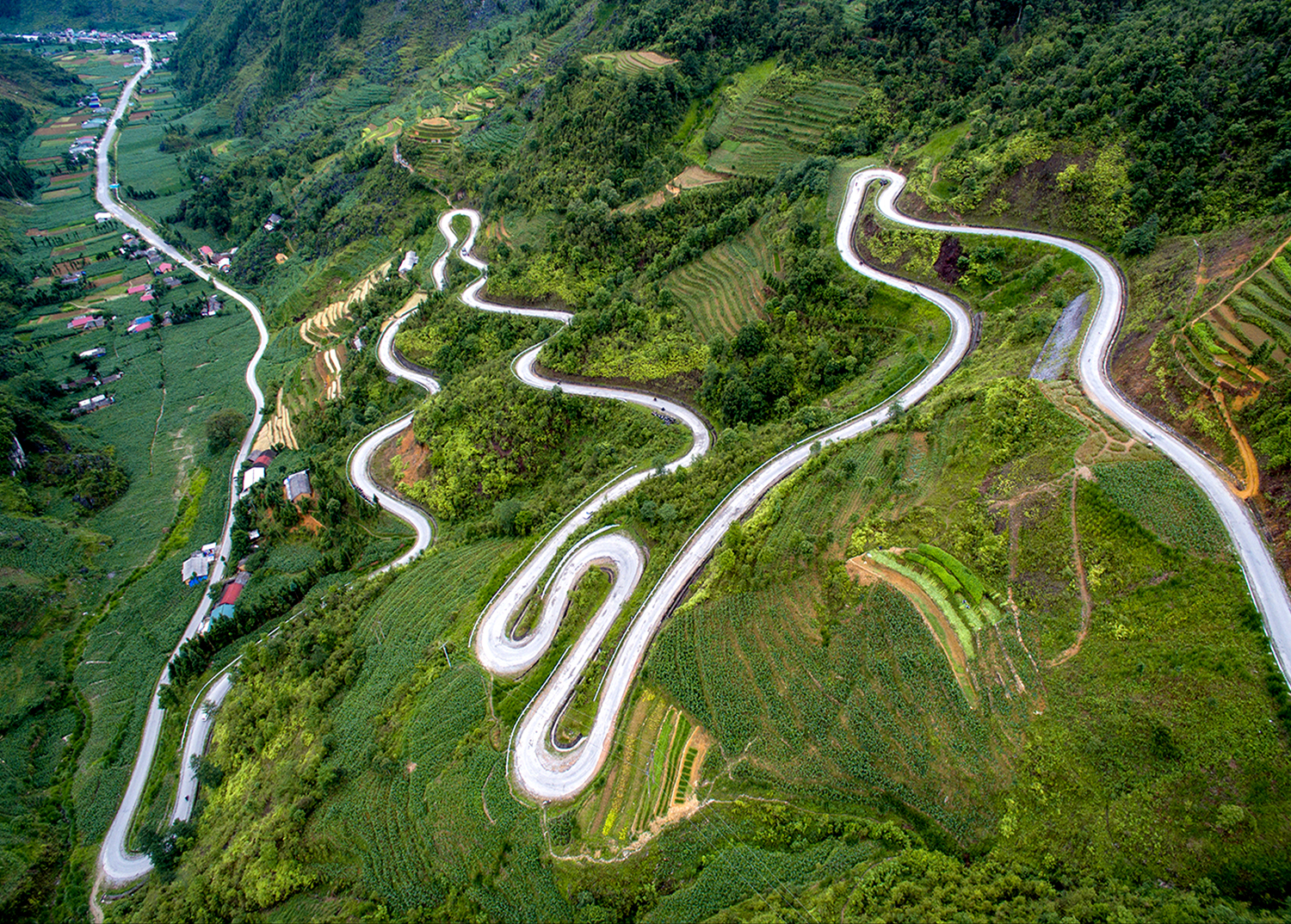 |
Mountain pass roads leading to Lung Cu. Photo: Thanh Minh
Transportation options include:
From Hanoi to Ha Giang ward: coach, sleeper bus, or private car.
From Ha Giang to Lo Lo Chai: motorbike, limousine, private car (rented from local providers in Ha Giang, 5 to 16-seater vehicles), coach, or taxi. It is advisable to hire local drivers who are familiar with the roads.
Accommodation
Currently, Lo Lo Chai features over 40 rammed-earth houses that have been converted into homestays for tourists. For the past two to three years, many people from the lowlands have invested in businesses here. To cater to tourism, households renovate their homes and add private bathrooms without altering the exterior architecture or overall aesthetic.
Popular homestays include: Lolo Village Homestay, MOTOGO Home, Lolo Ancient House, Homie Homestay, Lo Lo Eco House, Long Co Tran - Homestay & Tea, Lullaby Homestay Lo Lo Chai, Lung Cu Lake View, The Lover Lo Lo Chai, Na Na Homestay Lo Lo Chai, and Mun Chi Homestay.
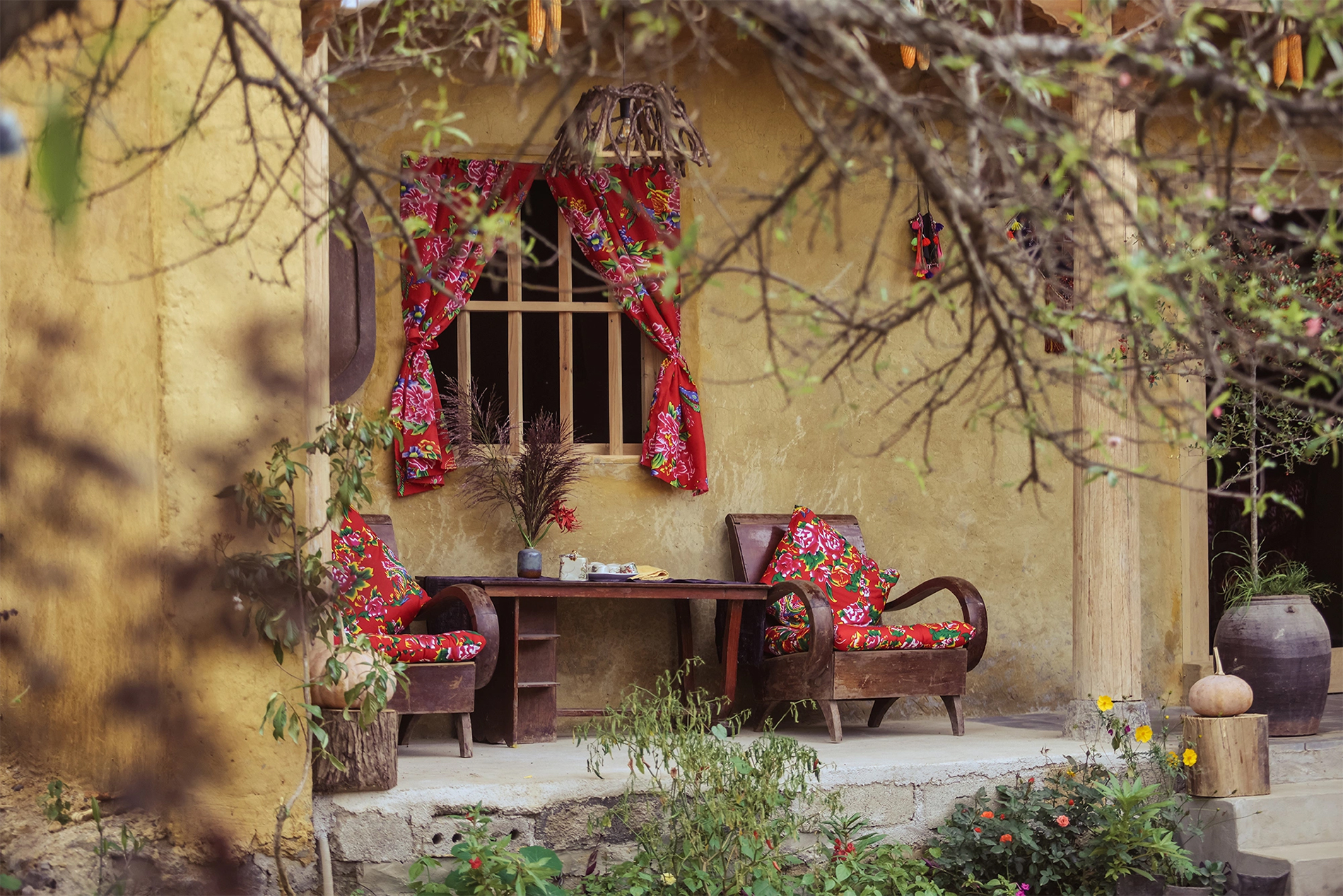 |
Exterior of a homestay in Lo Lo Chai. Photo: Tuan Dao
Homestay prices in Lo Lo Chai are relatively high, ranging from approximately VND 600,000 to nearly VND 2 million per night. Visitors should book through reliable sources or directly to avoid inflated prices.
Attractions
Rammed-earth houses
What makes Lo Lo Chai special is its preservation of ancient rammed-earth houses. These homes feature thick walls, 40-60 cm wide, meticulously constructed from compacted earth. The yin-yang tiled roofs curve, creating soft lines. This building technique showcases the skill of the Lo Lo people and reflects a philosophy of living in harmony with nature. In winter, the thick walls retain warmth, while in summer, they provide a cool interior. Many of these houses have stood for hundreds of years.
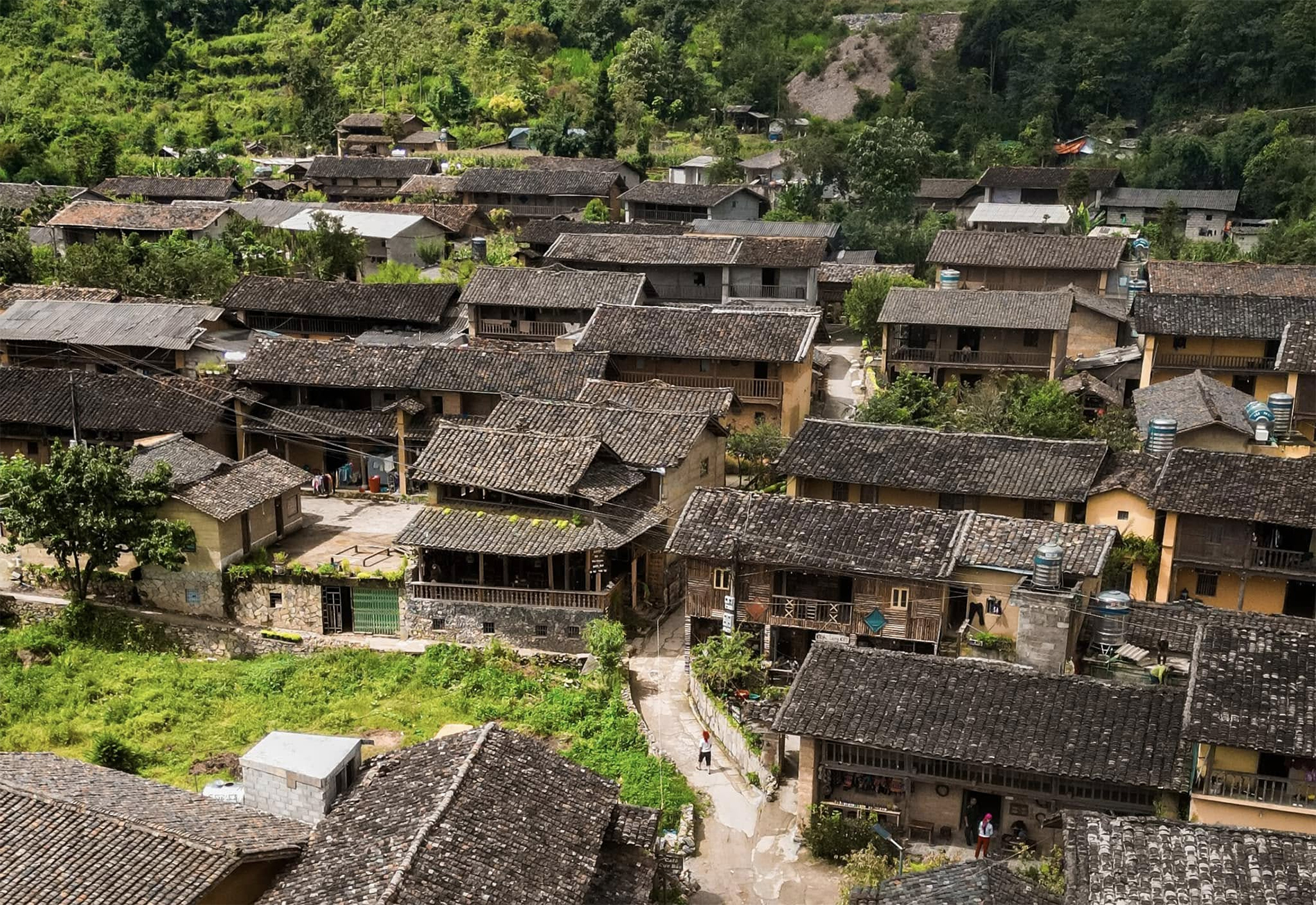 |
The yin-yang tiled rammed-earth houses in Lo Lo Chai.
Then Pa village
Adjacent to Lo Lo Chai, Then Pa is an ancient settlement of the H'Mong community, small in scale with only 11 households, all members of the Vang clan. This closed family structure has helped Then Pa maintain its authentic way of life, with minimal commercialization.
In the local language, "Then Pa" means "large field," describing the village's flat valley terrain. Activities primarily involve beeswax drawing, indigo dyeing, or walking through buckwheat fields.
Then Pa offers two types of accommodation: homestays with local families for cultural immersion and the secluded Then Pa Village resort. Service prices here are also more affordable, under VND 500,000 for an overnight stay.
Lung Cu flagpole
The Lung Cu Flagpole is located nearly 1,5 km from Lo Lo Chai, atop Dragon Mountain, at an elevation of 1,470 m above sea level. The flag measures 54 m2, symbolizing Vietnam's 54 ethnic groups. From Lo Lo Chai, visitors can choose to walk or use electric cars and self-managed motorbike taxis provided by Lung Cu commune. During the peak season of the buckwheat flower festival, vehicles carrying tourists are restricted from ascending to the Lung Cu Flagpole to prevent congestion, so visitors should be aware of this in advance to avoid inconvenience.
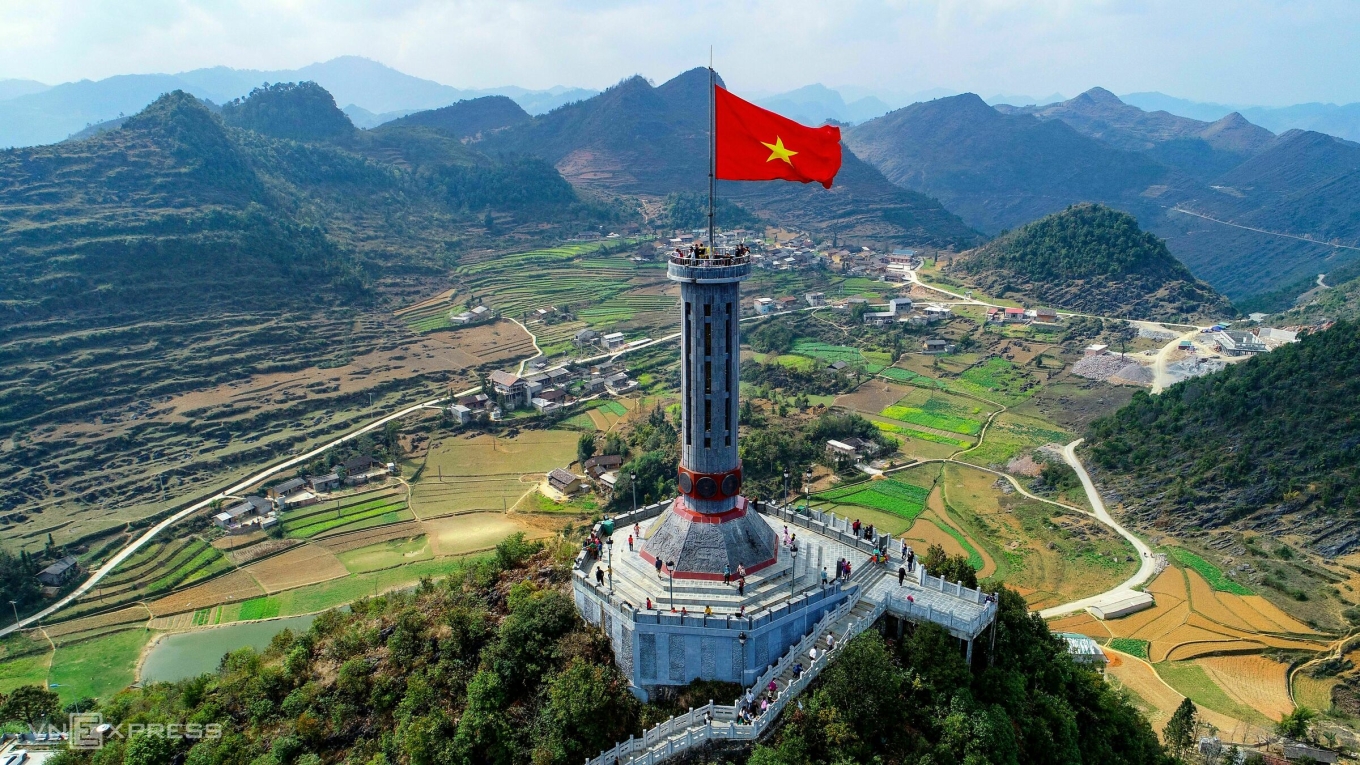 |
Lung Cu Flagpole. Photo: Giang Huy
Strolling around the village
Tourists often walk around the village to relax; every corner exudes a nostalgic and peaceful charm. The ideal times for a stroll are early morning or late afternoon. According to tour guides, two to three hours are sufficient to explore, take photos, and gain valuable experiences. This place is suitable for those who appreciate the peaceful, fresh atmosphere of the mountains and villages.
Cultural activities
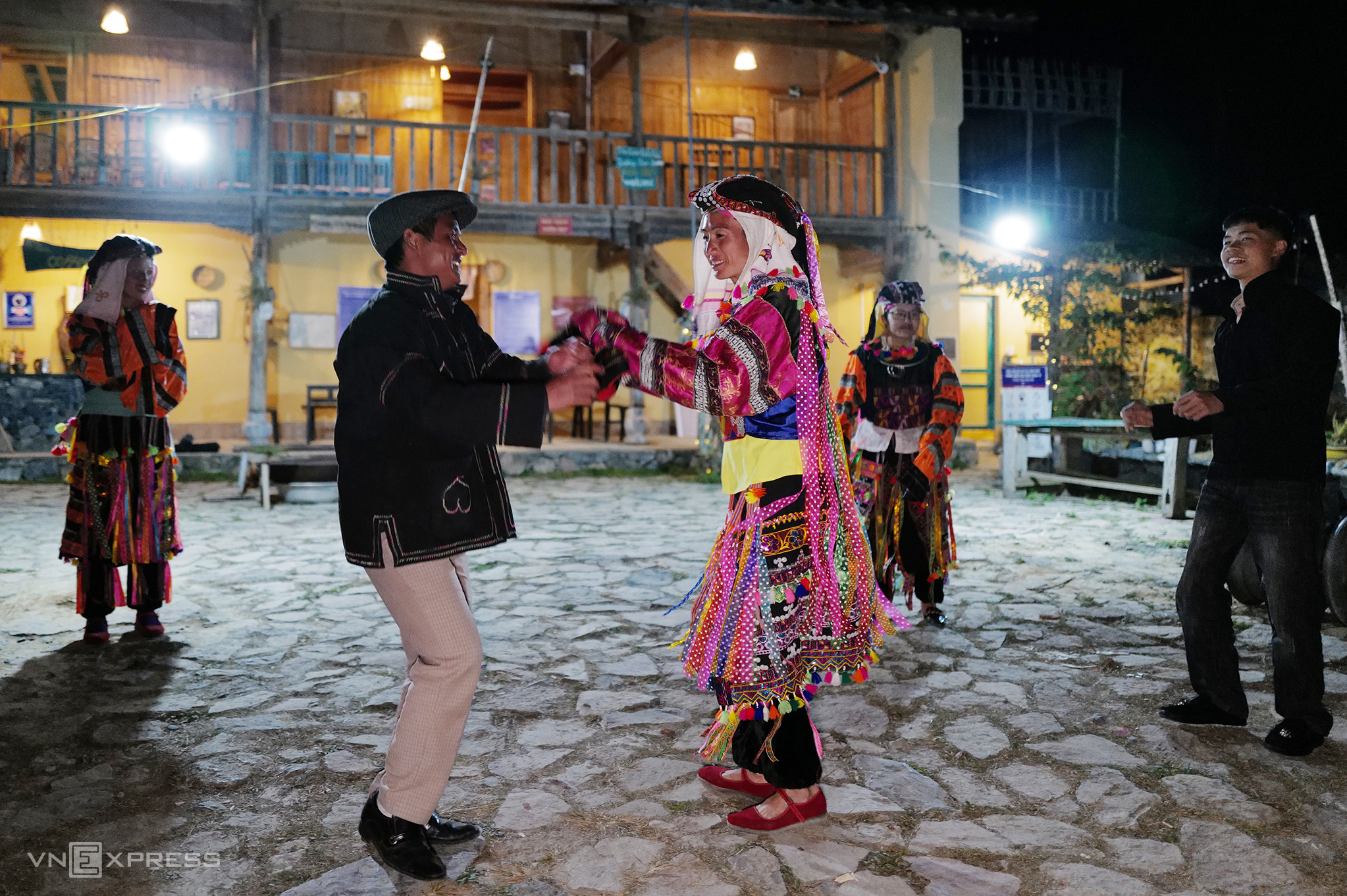 |
Cultural activities are regularly held in Lo Lo Chai. Photo: Ngoc Thanh
The Le Cau An ceremony is a prominent cultural activity in Lo Lo Chai. This ritual of ancestor worship seeks blessings for the village's prosperity and expresses gratitude. Additionally, visitors can participate in art performances, bonfires, interact with locals, embroider traditional garment patterns, and plant and harvest seasonal vegetables with the villagers.
Cuisine
Due to its remote location, Lo Lo Chai offers limited services, with food primarily consisting of local dishes. Popular options include: black chicken hotpot, various garden vegetables, thang co (a traditional H'Mong dish), smoked buffalo meat, com lam (bamboo-tube rice), men men (steamed corn flour), buckwheat cake, corn wine, and banh da (rice paper).
Many homestays serve meals, but visitors must book in advance for preparation, as the local market operates only in the morning.
Khoi restaurant
Khoi is one of the few restaurants in Lo Lo Chai. With over 30 tables, it can accommodate large groups. The menu primarily features hotpot, grilled dishes, and local food. While it also functions as a homestay, non-guests can make reservations and dine here. Visitors can also choose from a few smaller restaurants like Danh House and Lalaland.
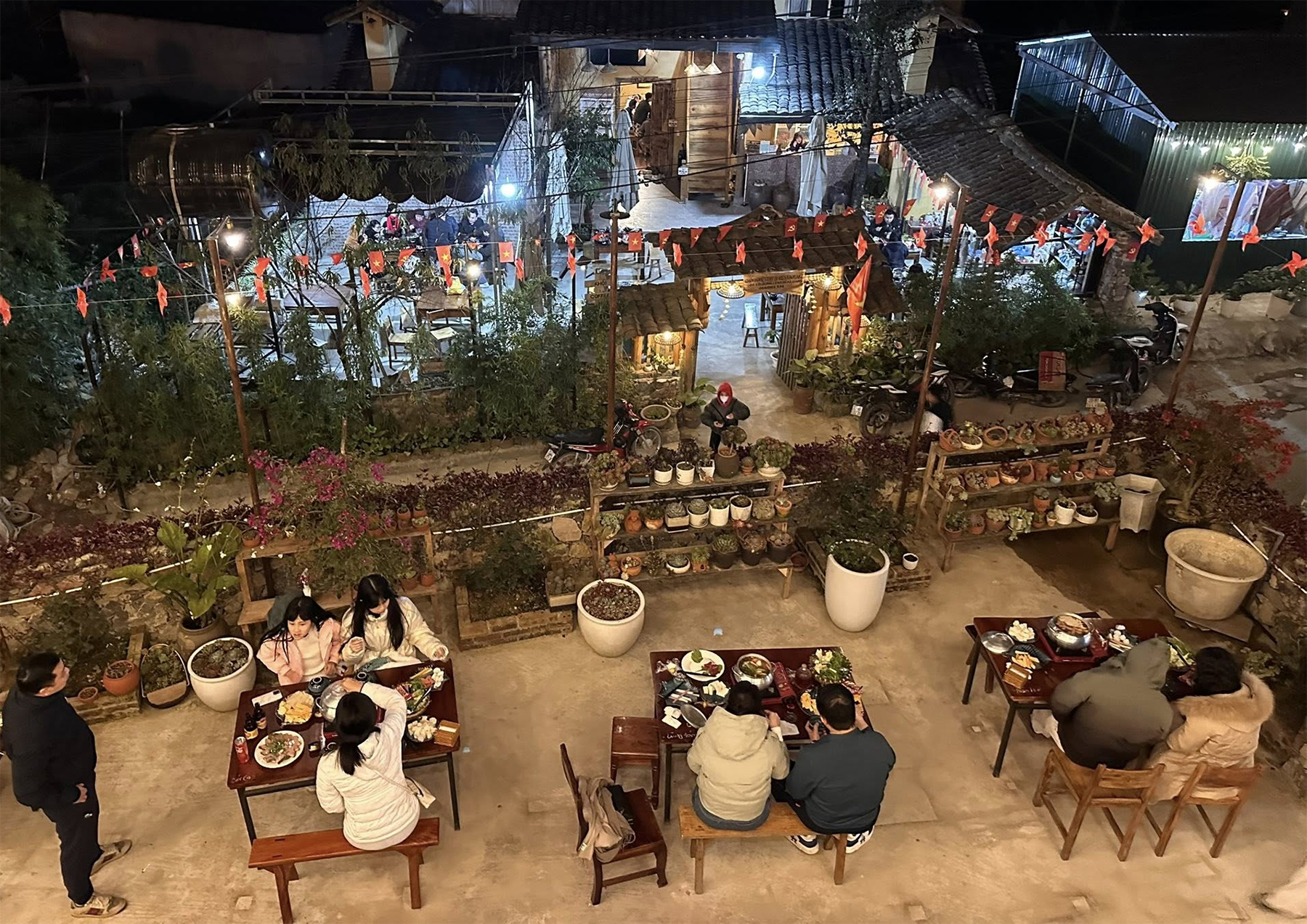 |
View of Khoi restaurant. Photo: Ti Lau
Extreme North Cafe
This place can be considered an "icon" of Lo Lo Chai. In 2015, Ogura Yasushy, a Japanese national who had lived in Vietnam for many years and loved Ha Giang, opened Extreme North Cafe, making it the first business in Lo Lo Chai when the surrounding area was still desolate. From the cafe's vantage point, visitors can sip coffee while gazing at the Lung Cu Flagpole.
The cafe is the home of Diu Di Chien and Luc Thi Van, a Lo Lo couple. Yasushy invested approximately VND 200 million to establish the cafe, then entrusted its management to Chien and Van. The couple can communicate in English and prepare delicious drinks. Their daughter now also helps manage the cafe. At Extreme North Cafe, visitors not only enjoy beverages but also learn about Lo Lo culture.
Notes
Many locals face difficulties understanding and speaking Vietnamese, so visitors should not have overly high expectations for service quality and should be understanding of any limitations encountered.
The end of the year is the dry season, a time when Lo Lo Chai often experiences water scarcity. Visitors are advised to conserve water.
Many tourists visit Lo Lo Chai for day trips, making the village quite crowded during the day. For a more tranquil experience, visitors should consider staying overnight.
Tam Anh