 |
In the 1980s, travelers accepted inconveniences that many today would find challenging. Before smartphones integrated maps, airline tickets, cameras, translation tools, weather forecasts, and booking confirmations, each trip demanded extensive preparation.
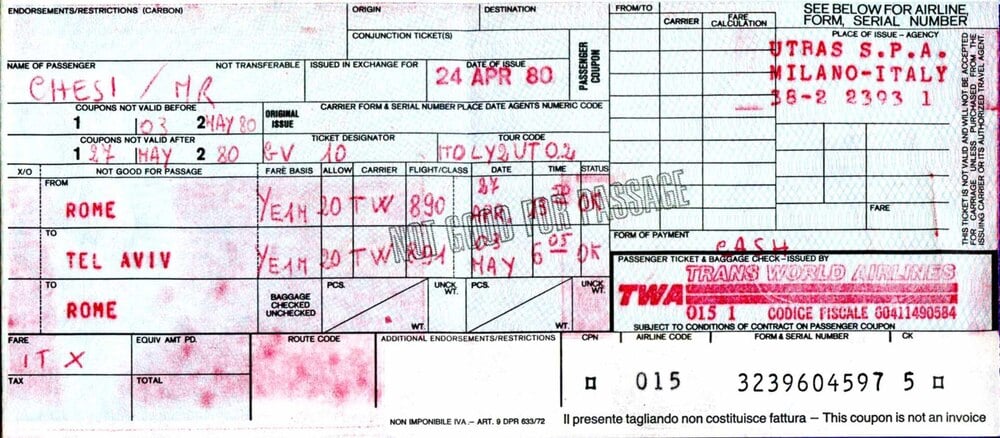
A paper airline ticket was more than just proof of payment; it was a "boarding pass" for your flight. Losing it could turn a holiday into a nightmare, involving significant costs, numerous phone calls, paperwork, and lengthy discussions at the ticket counter. The advent of electronic tickets and boarding passes has largely made forgetting or losing a ticket a thing of the past.
 |
Finding your way in an unfamiliar place meant unfolding a large, cumbersome paper map that was difficult to refold. Travelers frequently stopped to check street names, estimate routes, and pinpoint their location, without the "blue dot" GPS tracking available today to show their precise whereabouts.
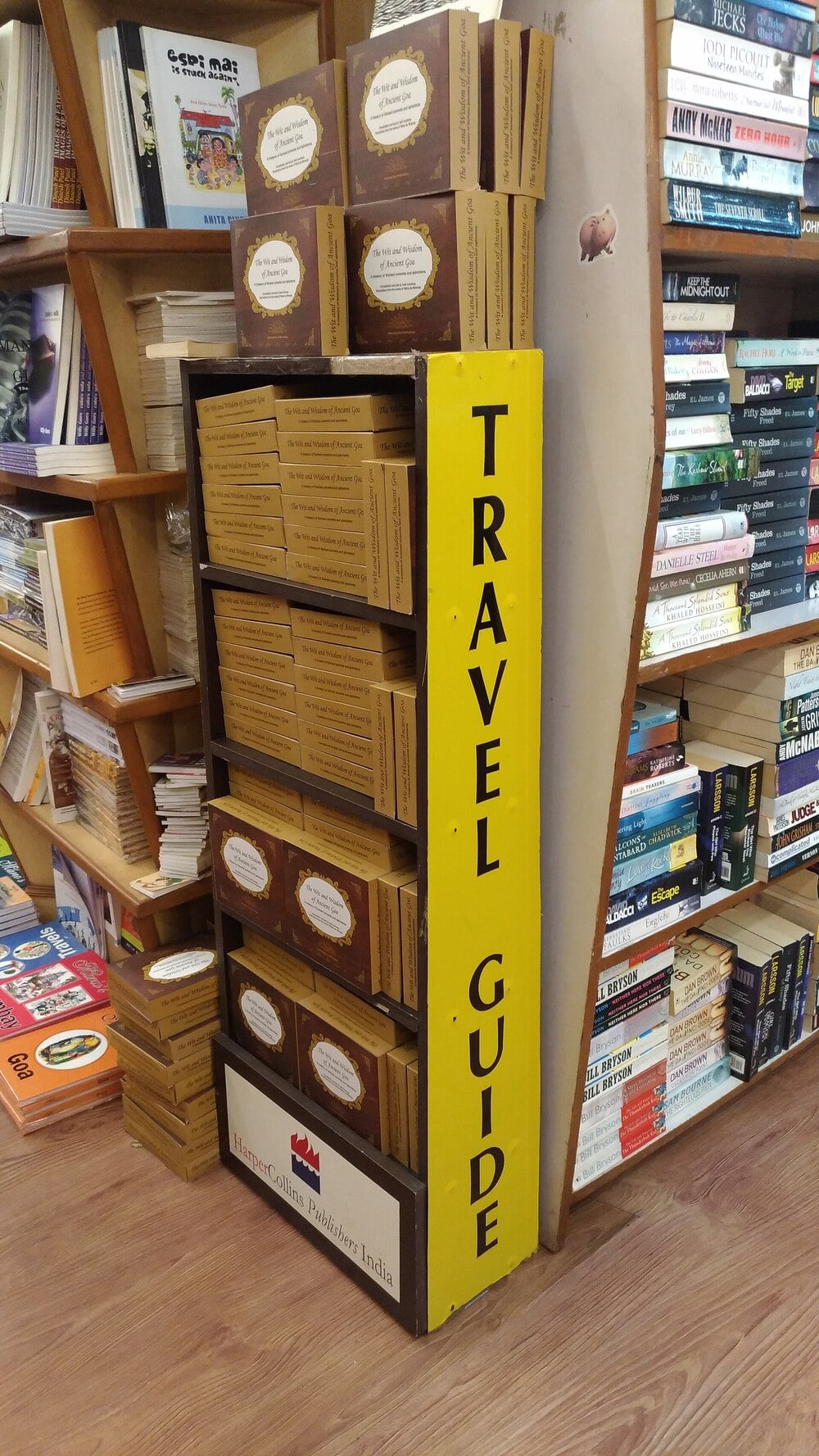 |
A travel guidebook might have been updated months, even years, before reaching a traveler's hands. This meant restaurants could have closed, hotels changed ownership, or attractions ceased to exist. Travelers then relied on information that was outdated before their trip even began.
Similarly, a pocket dictionary was as crucial as a passport. Travelers memorized common phrases, pointed to pre-printed translations, and flipped through pages whenever they needed directions, ordered food, or asked for help. Today, the internet and applications have resolved these challenges.
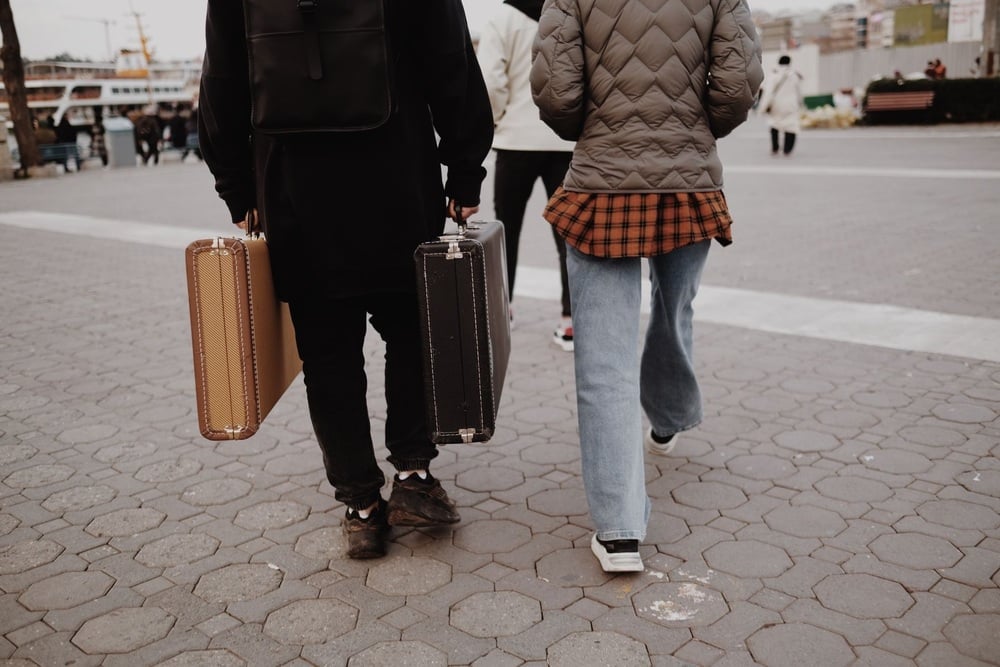 |
Heavy, wheel-less suitcases with only handles were common. Moving through airports, train stations, or hotel lobbies meant dragging luggage or carrying it up countless stairs.
 |
Each roll of film brought a sense of suspense, as you could not know if holiday moments were captured until the film was developed and printed after the trip. Blurry photos, poor lighting, or someone blinking could ruin irreplaceable memories.
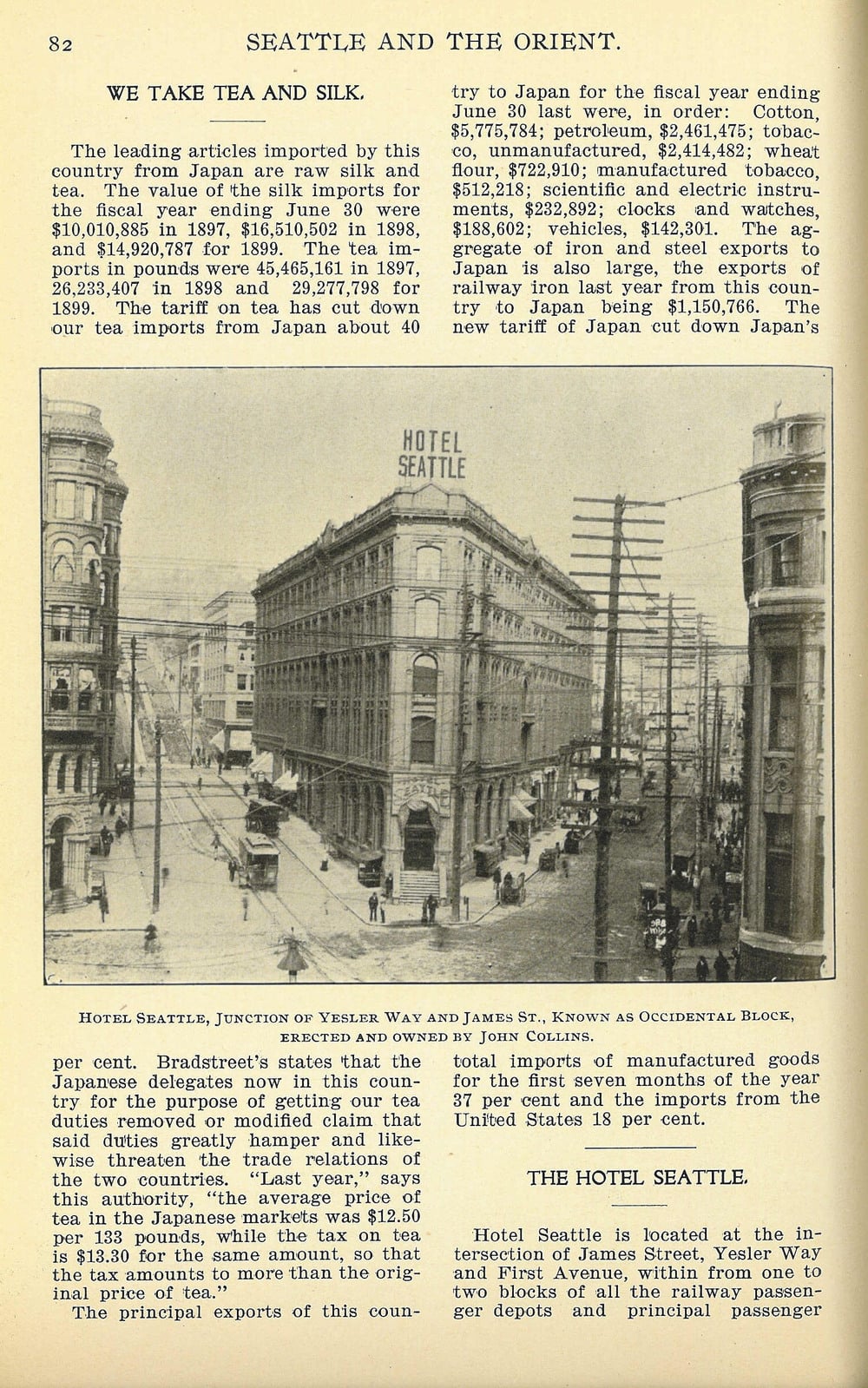 |
Booking accommodation meant travelers had to trust a few small photos in promotional brochures. Travel agents and guidebooks often displayed only the most appealing angles, leaving travelers to imagine the rest. Additionally, changing plans could become a stressful adventure, unsure if a destination still had available rooms.
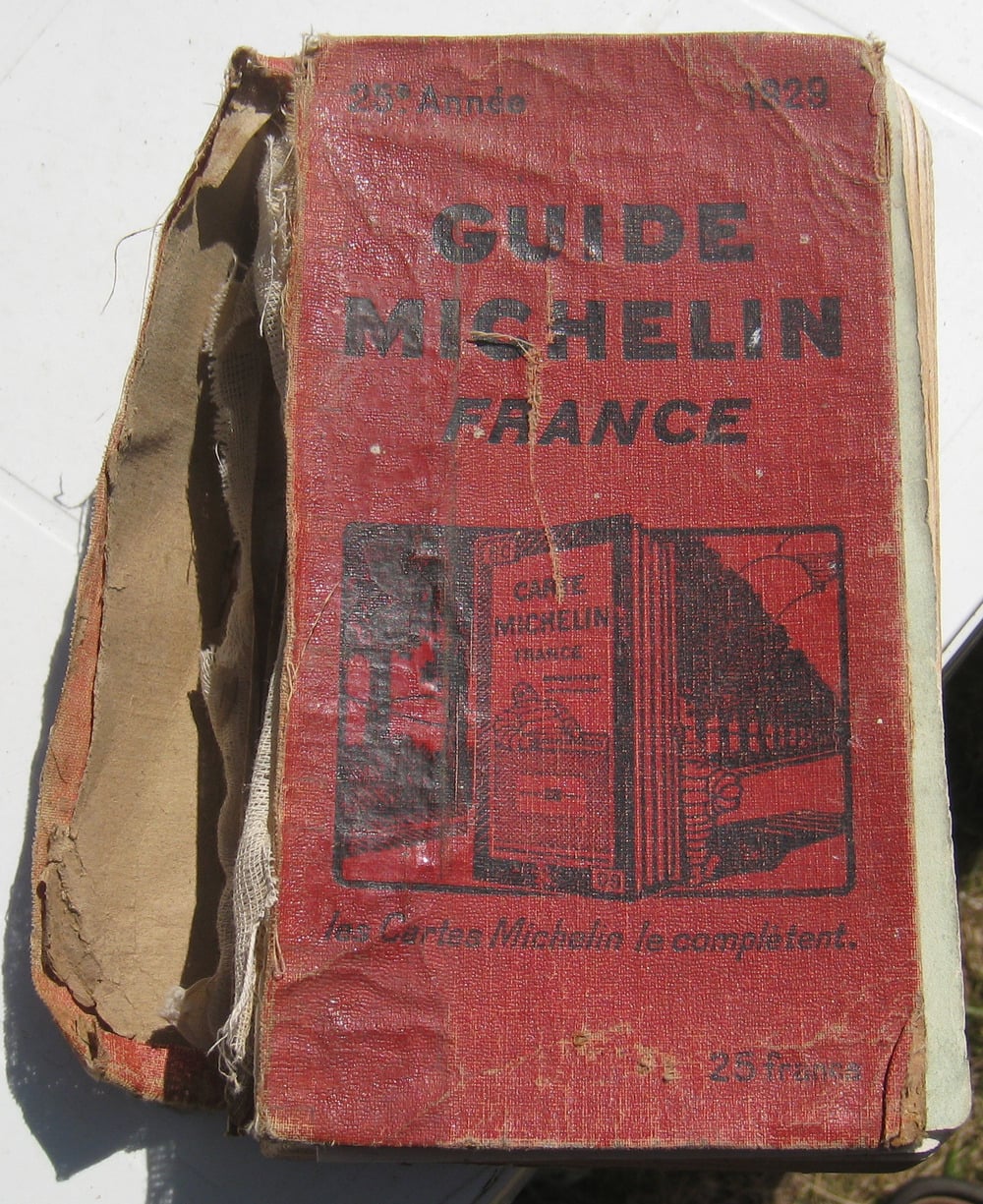 |
Dining in a new city meant taking risks, as there were no readily available reviews, customer photos, or menus on phones. Travelers relied on hotel staff, guidebooks, or local recommendations, hoping these suggestions would lead to a memorable meal rather than a disappointing experience.
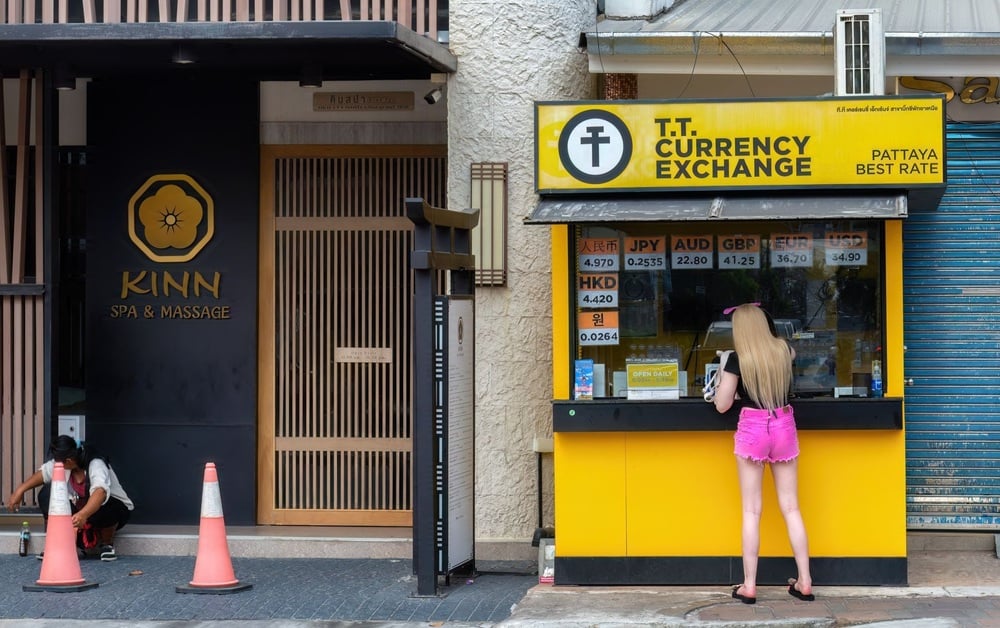 |
Shopping abroad demanded constant mental calculations, as checking exchange rates was not easy. Travelers had to memorize relative conversion rates or carry small currency conversion charts, then estimate prices when viewing menus or visiting souvenir shops.
 |
Updating friends and family about a trip meant buying a postcard, attaching a stamp, and sending it via post, hoping international mail would arrive before the holiday ended. Often, the message reached home only after the traveler had returned. Today, a simple social media check-in suffices.
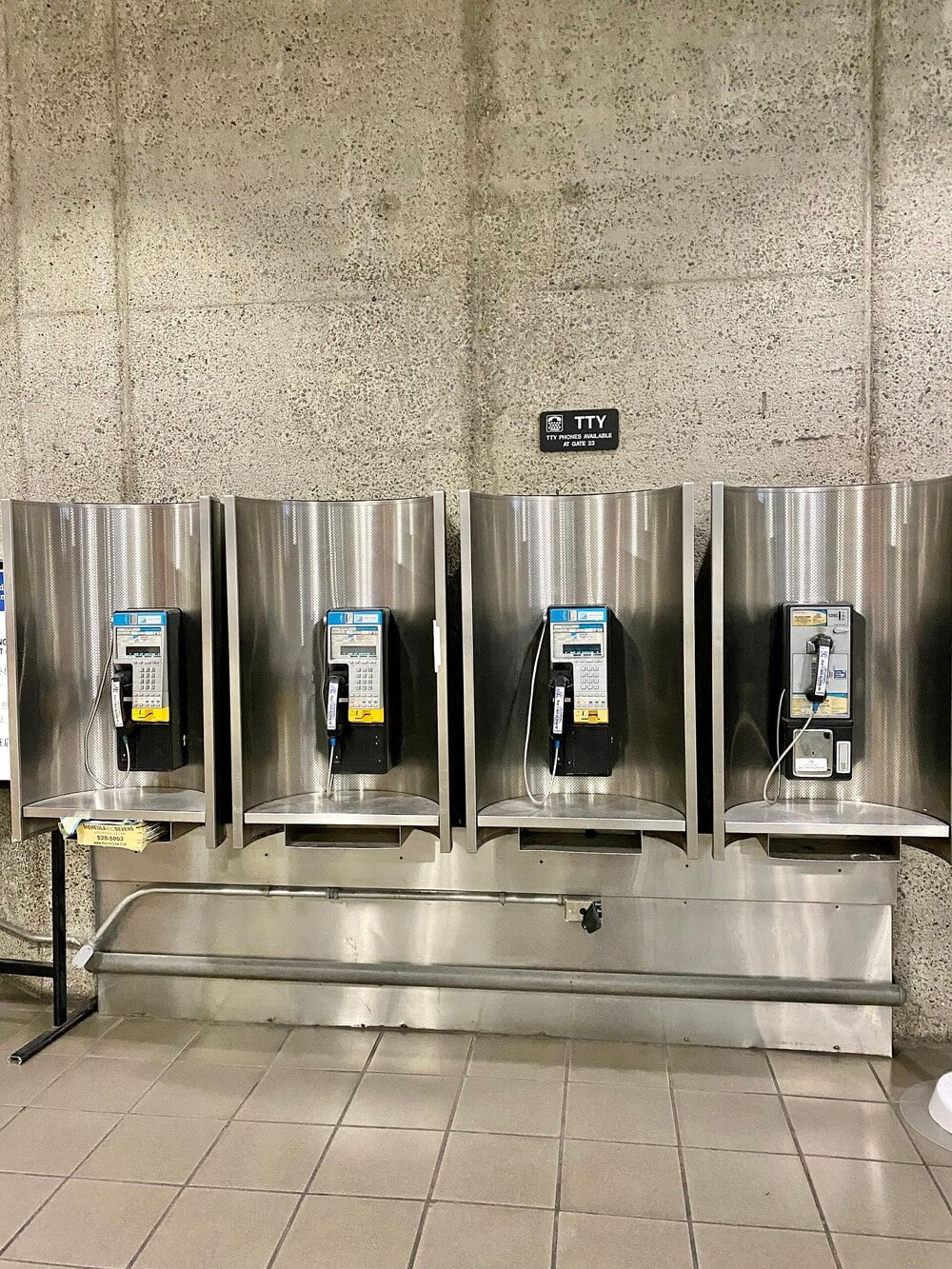 |
Staying in touch with family during a trip was not something travelers could do casually, as international calls were prohibitively expensive. Whether calling from a hotel room, a public phone, or using a calling card, each additional minute increased the bill. Therefore, conversations were often brief or reserved for urgent situations.
Tam Anh (via Scroller)