Shinjuku district, a prominent tourist hub in Tokyo, plans to implement a ban on short-term home rentals, known as minpaku. This decision follows a surge in complaints from residents regarding tourist misconduct. The proposed regulation, put forth by Shinjuku authorities in september, could cease operations for approximately 2,000 private accommodations located in restricted areas such as residential zones, near schools, and cultural sites.
In the 12 months leading up to march, the district received over 1,300 complaints. Residents reported various issues including improper waste disposal, noise disturbances, smoking in prohibited areas, and trespassing by visitors.
Shinjuku currently hosts 3,775 minpaku, the highest number in Japan, having tripled since 2022. District officials indicated that existing measures, such as processing or temporarily suspending licenses for establishments with violating guests, have not effectively reduced the number of complaints. Consequently, the authorities decided to mandate the cessation of operations for these problematic rentals.
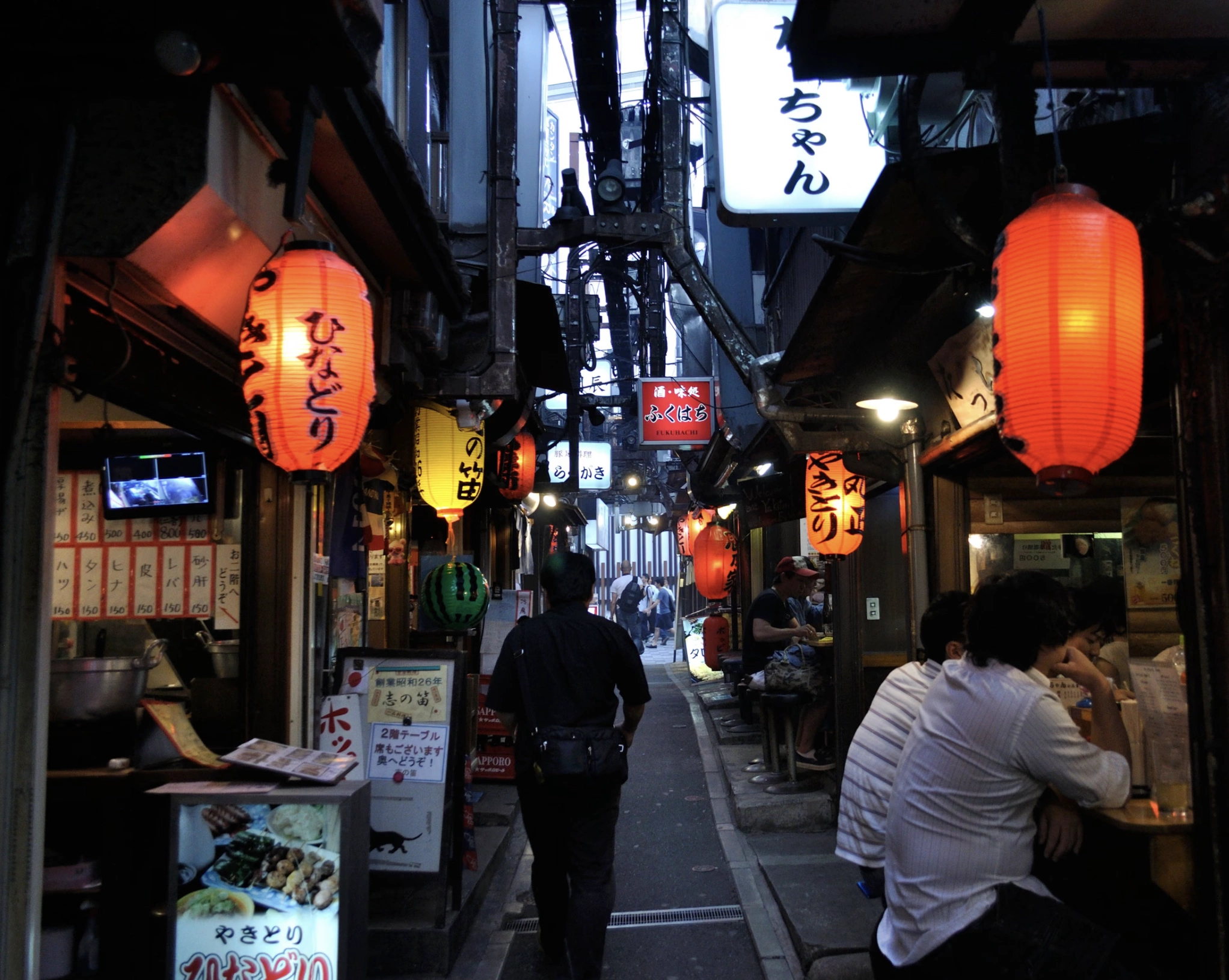 |
A street corner in Shinjuku district, Tokyo. *Photo: World Discovery/Alamy* |
While the proposed regulation does not target a specific business, it is expected to affect establishments operating on platforms like Airbnb.
A representative for Airbnb acknowledged the concerns of Shinjuku residents. However, the company highlighted that many compliant businesses would also be impacted by a broad ban. Airbnb suggested that authorities implement specific, targeted measures against violating establishments rather than an extensive prohibition.
Shinjuku plans to solicit public feedback on the proposal next month and aims to submit revisions to the regulation in february. The district also seeks to reduce the permitted annual rental days for minpaku in residential areas, from 180 to 120 days.
Japan is intensifying its tourism control measures amidst a record increase in international visitors. The country is projected to welcome 42 million visitors in 2025, with an estimated expenditure of 9.500 billion yen (62 billion USD). Other popular destinations have already adopted stricter rules: Kyoto limits minpaku in residential areas to 60 days of operation annually, while the Mount Fuji area has implemented climbing fees and daily limits on climbers to alleviate overcrowding.
Tuan Anh (According to Guardian)