When his daughter showed him the five-day, four-night Thailand travel itinerary, Tran Huu Cuong, 60, from Ninh Binh, glanced at it and put it down. The trip, planned for late November, reminded him of a company trip in 2010. He explained that this journey was "identical to the tour 15 years ago, with the same destinations and similar activities", expressing disappointment over the repetitive nature of the itinerary.
Cuong's sentiment reflects the coexistence of two trends in Vietnam's travel market. According to Tran Thi Bao Thu, a representative from Vietluxtour, a segment of products still adheres to the "four seasons, one product" model: itineraries, destinations, and experiences remain almost unchanged, whether for domestic or international tours, with only the name or departure time varying.
Thu observed that this approach simplifies operations for businesses but, in the long run, diminishes appeal and reduces repeat customers, especially among younger travelers and families who have visited many places.
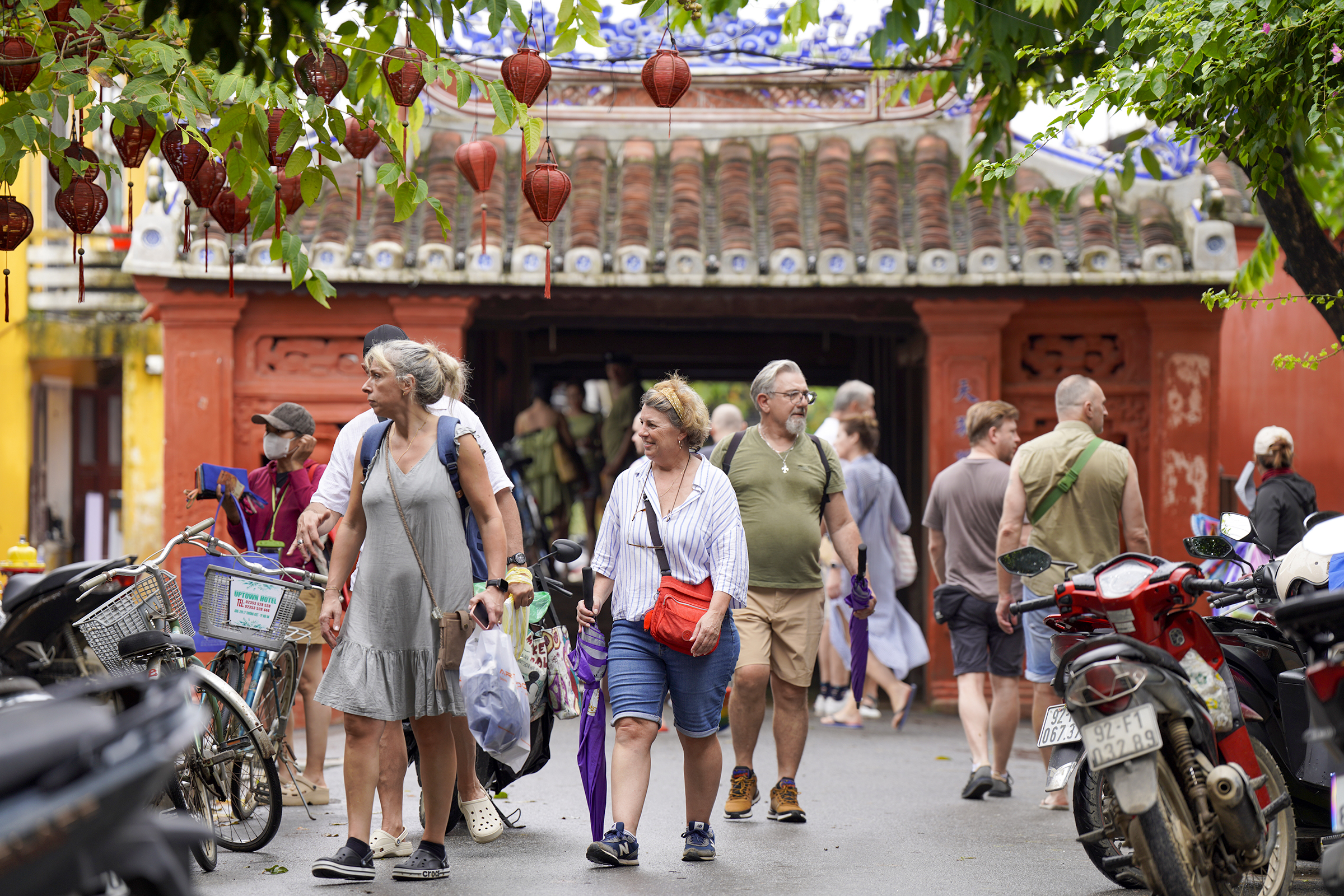 |
Tourists visit Hoi An ancient town again on 1/11. Photo: Nguyen Dong |
The second trend, designing seasonal tours based on "experience stories", is becoming more evident among tourism companies focused on brand building. This direction demands greater creativity and investment but is considered more sustainable.
Thu stated that her company designs tours following this second approach, viewing seasons not just as ideal travel times but as content for product development. She said the goal is for the same destination to offer a unique reason for customers to choose to visit during each specific season.
Nguyen Thuy Chung, Head of Tour Department at Etrip4u.com, also believes that travel agencies are gradually abandoning traditional tour methods to clearly delineate distinct seasonal phases. According to her, this approach keeps products fresh and ensures a steady flow of customers year-round for businesses.
According to Agoda booking data for the first 6 months of 2025, Vietnam has risen to third place among the top five Asian countries with the highest repeat visitor rates, trailing Japan and Thailand, and surpassing Malaysia and Indonesia. Da Nang made its debut in the top 10 Asian cities with the highest percentage of returning tourists. Last year, Vietnamese cities were absent from this list.
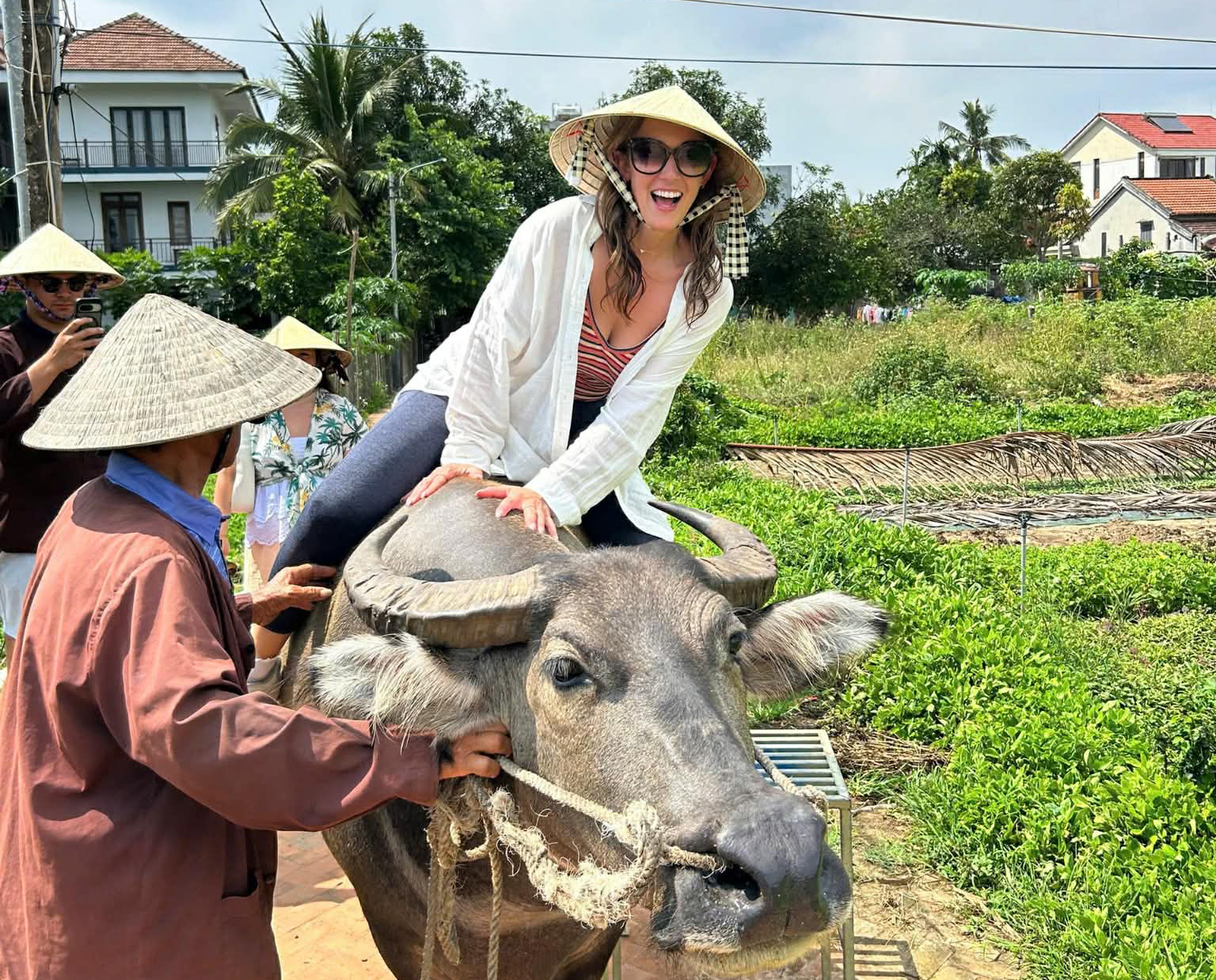 |
Tourists experience a day of farming in Tra Que vegetable village in summer. Photo: Vietluxtour |
Pham Anh Vu, Deputy General Director of Viet Tourism Company, elaborated on this seasonal tour design trend, tailoring it to specific customer groups and needs.
Summer, from June to August, is the season for beach and family tourism. Therefore, tours are maximally focused on island and coastal destinations such as Nha Trang, Phu Quoc, Da Nang, or cool highlands like Da Lat and Sa Pa. Products are designed to go beyond the "swimming - seafood" framework; trips are themed, for example, combining wellness and healthcare or beach sports experiences suitable for multi-generational family groups or corporate team building.
When autumn arrives, from September to November, tourism products in the northern region flourish. Tourists are drawn to specific cultural and natural experiences. These include hunting for golden rice seasons on terraced fields in Mu Cang Chai, or cloud hunting and admiring the blooming wild sunflowers in Sa Pa and Ha Giang.
The combination of golden rice experiences in the Northwest and local cultural tours has helped these itineraries achieve a 90% occupancy rate from the moment they went on sale, as noted by many northern travel businesses. In winter, products like snow hunting tours or those related to festivals, Christmas, and New Year also attract tourists. According to Vu of Viet Tourism, 50% of the company's year-end tours were already fully booked in October.
Even year-round tourist destinations like Da Lat are designing tours based on flower seasons, from wild sunflowers and purple phoenix flowers to cherry blossoms, creating different "reasons" for tourists to return. International tours are also more clearly segmented, ranging from cherry blossom or autumn foliage tours in Asia to year-end shopping festival tours in Singapore, or snow viewing and skiing in South Korea, Japan, and Europe.
According to Vu, the demand and interest in seasonal tourism are increasing among travelers. Post-pandemic, global tourist behavior has changed significantly. Instead of focusing on "instant" tours with traditional, old destinations, many Vietnamese tourists desire unique, personalized experiences at the right departure time.
 |
Tourists kayak on a stream in Quang Binh. Photo: Vo Thanh |
Booking.com, a booking application with partners in 220 countries and territories, announced nine key travel trends for 2025 in 11/2024. In 2025, Millennials (born between 1981 and 1996) are changing their perception of airport experiences, while Baby boomers (1946-1964) are pursuing adventurous trips instead of saving money for inheritance. "It is clear that people are increasingly seeing travel as a way to self-discover and build deeper connections with the world", the booking platform noted.
However, tourism experts in Vietnam also acknowledge that the biggest challenge is creating genuine differentiation. Many companies launching similar seasonal products simultaneously lead to saturation in tour highlights. Vu commented: "The company that creates more distinct experiential products will attract more customers".
Beyond product issues, ensuring service quality during peak season is also a major challenge. Thu believes that to enhance competitiveness and attract tourists, service providers need to strengthen consultation, customer care, and work closely with partner networks at destinations to ensure stable service quality.
In reality, the overload of tourism services during peak seasons, such as summer and the golden rice season in the North, has led to service price increases of up to 30-50% and a serious decline in the quality of accommodation and transportation at destinations.
According to data from the National Statistics Office on 6/11, as of the end of October, Vietnam had an estimated 17 million international visitors, achieving over 60% of its annual target.
With a goal of welcoming 25 million international visitors and 150 million domestic visitors in 2025, the tourism sector cannot rely solely on traditional tours.
"Unique products and dedicated service are vital factors for the sustainable development of Vietnam's tourism sector, allowing it to make its mark on the international tourism map", Vu said.
Phuong Anh