Vori vori, ranked first among Taste Atlas's top 100 best dishes in the world for 2026, is a distinctive Paraguayan soup. It features round corn flour dumplings combined with grated cheese, cooked in chicken or beef broth with vegetables. The soup is seasoned with onion, garlic, parsley, and occasionally chili, served immediately once the dumplings are tender. Each dumpling is slightly chewy, bursting with cheese flavor, and melts in the mouth.
The name 'vori' originates from the sound evoking the rolling motion of the dumplings, repeated as 'vori vori'. The dish is deeply rooted in Paraguayan history, stemming from the traditional use of corn and poultry by the indigenous Guarani people. Around the 18th-19th centuries, during times of food scarcity, many families rolled corn flour into firm, round balls for cooking and storage.
Beyond its prominence in international rankings, vori vori also holds significant cultural value in Paraguay. In 2017, the government recognized the dish as an Intangible Cultural Heritage, preserving both its recipe and the traditional knowledge and practices passed down through generations. The City Council of Asuncion, Paraguay's capital, designated 14/4 annually as "Vori Vori Day." In 2023, Taste Atlas recognized vori vori as the world's best soup, a title it maintained in 2024, and for 2026, it has earned a special position.
Vori vori is found everywhere, from rural areas to cities across Paraguay, and is considered easy to eat. Although a typical South American dish, vori vori is not spicy or heavily spiced, making it easily adaptable to Asian palates. This characteristic has helped the dish quickly gain popularity on global rankings. The dish represents a fusion of indigenous Guarani culture, with corn flour as the foundation of Paraguayan cuisine, and Spanish influence through European-style soup, broth, and herb cooking techniques. This combination creates a flavor that is both familiar and unique, embodying the spirit of Paraguayan cuisine: corn, cheese, native ingredients, rustic yet nutritious.
Vori vori can be served as a main course, presented in large bowls or a tureen at the center of the table, and eaten hot. It is suitable for chilly evenings, accompanied by cassava, fresh salad, cheese, and paired with herbal tea or non-alcoholic beverages; some families also enjoy it with beer or wine.
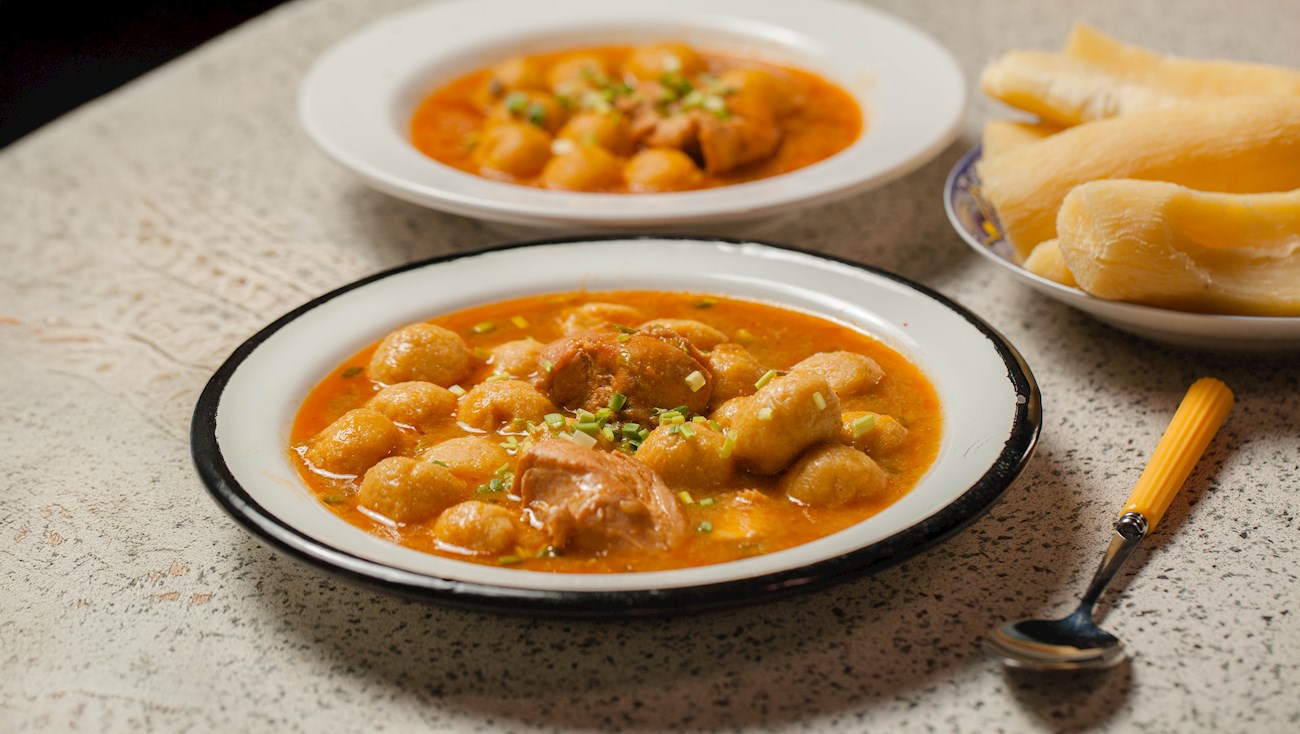 |
Vori vori dish. Photo: Taste Atlas |
Taste Atlas's evaluations are based on opinions and votes from experts and readers worldwide. The selected dishes often represent the quintessential culinary heritage of each country. In Asuncion, Taste Atlas suggests three establishments – Ña Eustaquia, Bolsi, and Lido Bar – as authentic places to savor vori vori. Paraguayan cuisine is expanding globally with numerous restaurants featuring vori vori, such as Rincon Guarani in London and I Love Paraguay in New York. In 2025, a cooking class in Japan also offers the opportunity to taste vori vori firsthand.
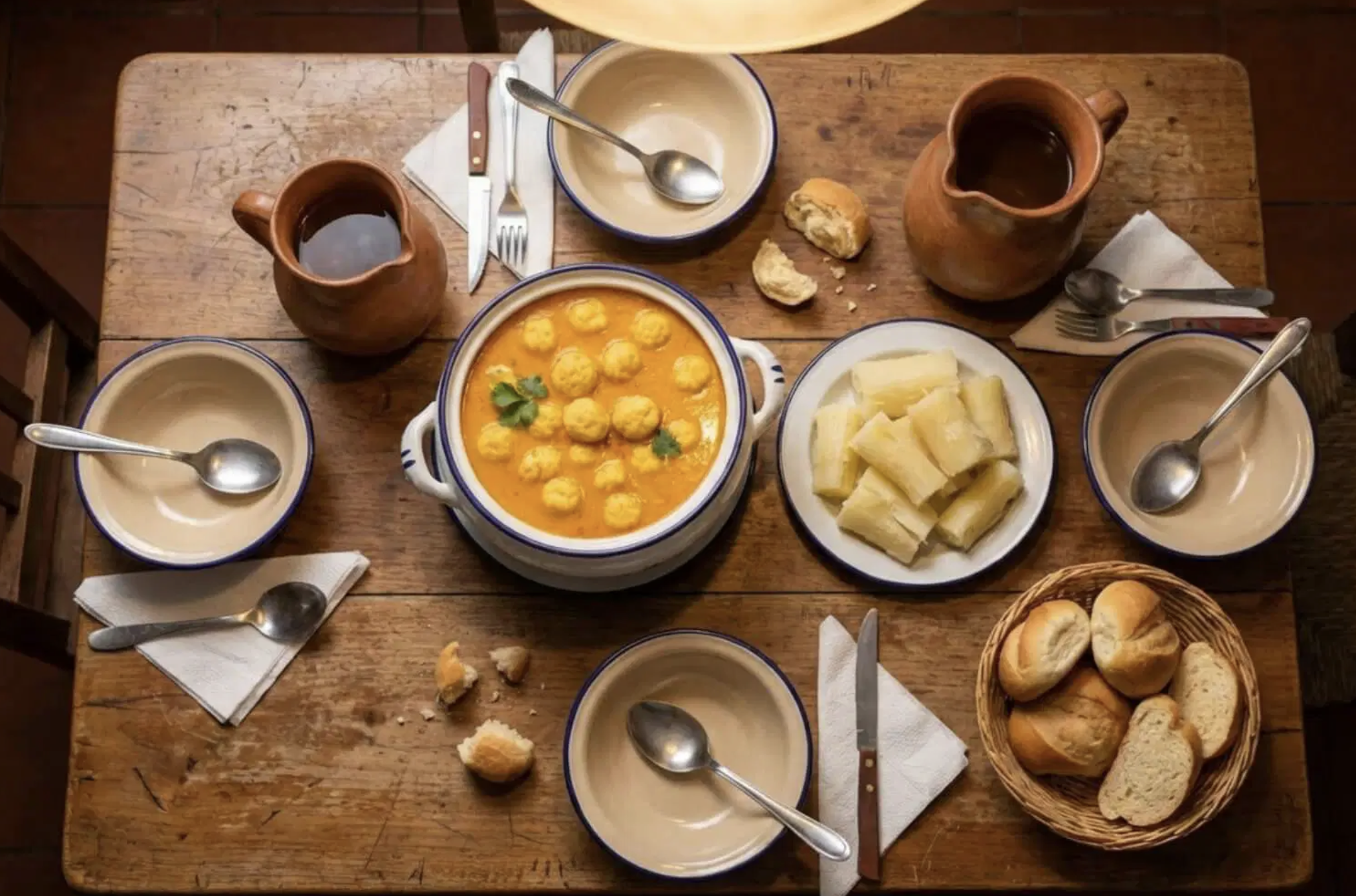 |
A simple meal with soup, bread, and cassava. Photo: nonnapaperina |
For a nation not prominent on the global culinary map, the recognition of Paraguay's vori vori carries significant meaning. The dish demonstrates that traditional cuisine can achieve global recognition without needing adaptation. "This recognition is a well-deserved tribute to our roots and to the dedication of those who preserve the tradition of vori vori and bring the dish to conquer palates worldwide," said Angie Duarte, Paraguay's Minister of Tourism.
Compiled by Tam Anh