Bulkhead seats are often considered valuable on long-haul flights due to the ample space in front. However, this space comes with trade-offs, making it less than ideal for those seeking quiet and convenience.
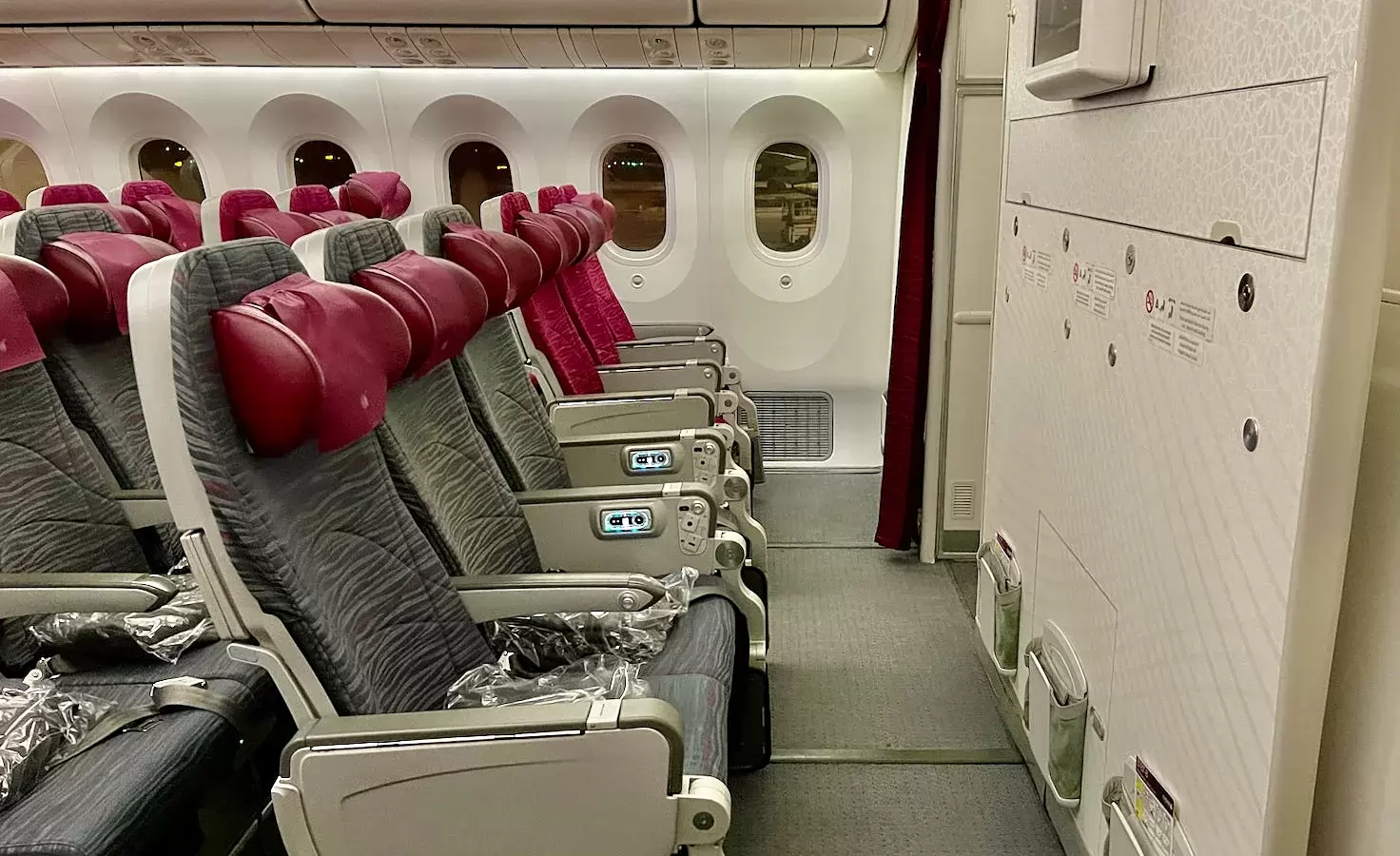 |
Many passengers avoid bulkhead rows. Photo: The Points Guy
Luggage inconvenience and limited workspace
One of the most common complaints is the lack of under-seat storage. According to travel advisor Maggie Moran, having to store all personal bags in the overhead bin is a major drawback. "I prefer to keep my personal items nearby so electronic devices and essentials are always within reach", she stated.
Photographer Melani Lust also noted that her productive time on the plane is limited because she must store her laptop overhead. International aviation safety regulations designate the floor area in front of bulkhead seats as an emergency exit path or mandatory clear space. Consequently, passengers are not permitted to keep personal luggage there during takeoff and landing. This creates significant inconvenience for passengers who wish to use personal items continuously.
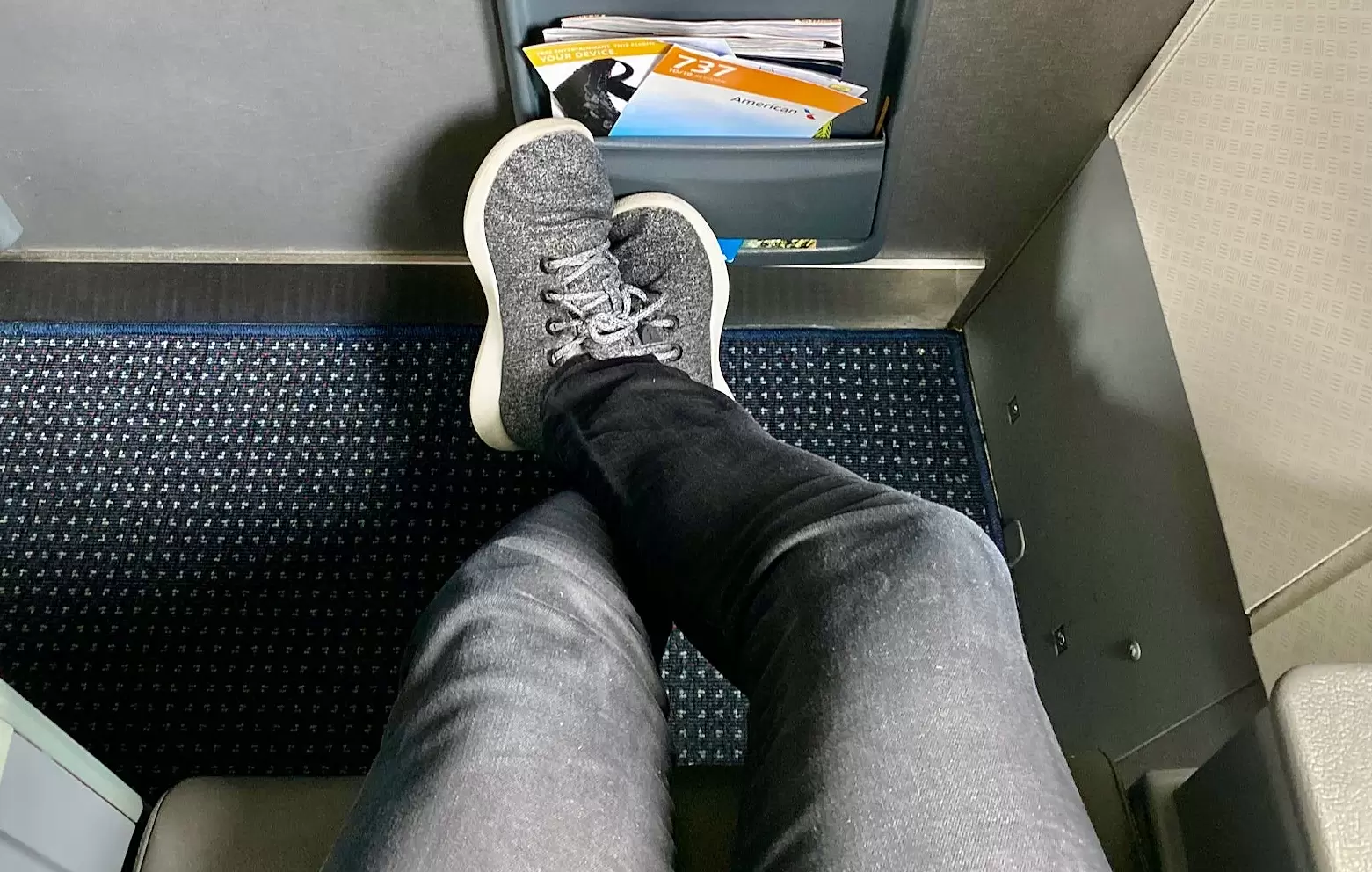 |
Comfortable legroom often isn't worth the trade-offs. Photo: The Points Guy
Noise and lack of privacy
For passengers seeking quality sleep on overnight flights, these rows pose a risk. Olivia Buckley, chief executive officer of Olivia Buckley International, explained that airlines often place bassinets for infants in this area. "While I adore children, I still want the opportunity to get a good night's sleep", Buckley shared.
Additionally, bulkhead partitions are often located near lavatories or galley areas. Meghan Ely, owner of OFD Consulting, consistently avoids bulkhead seats near lavatories because constant passenger traffic, the sound of doors opening and closing, and frequent light activation make resting difficult.
Restrictive seat design
Ample legroom does not always equate to maximum comfort. Michele Schwartz, director of experience at Jet Setting With Me, highlighted a significant design flaw in these seats.
As there is no seat in front to attach a mini tray table, airlines must design fold-out tray tables that are stowed within the armrests of bulkhead seats. This design means the armrests are fixed and cannot be raised or lowered like those in regular rows. According to Schwartz, this configuration reduces the lateral space of the seat, creating a cramped and confined feeling for passengers.
The choice of a bulkhead seat depends on individual needs. If passengers are tall and prioritize legroom, these seats can still be a good option. However, for those who value sleep, a dedicated workspace, and convenience, standard economy seats are a safer choice.
By Tam Anh (Source: Travel+Leisure)