On 17/6, the Japan External Trade Organization (JETRO) Ho Chi Minh City office and the Consulate General of Japan in Ho Chi Minh City co-hosted a Japanese culinary culture program. It offered chefs, culinary experts, and guests insight into Washoku – Japan's traditional cuisine, recognized by UNESCO as an Intangible Cultural Heritage of Humanity.
At the event, Chef Shuto, head chef of the Consulate General of Japan in Ho Chi Minh City, highlighted kombu (dried kelp). He noted this familiar ingredient's significance in Japanese cuisine. According to him, kombu broth's subtle flavor enhances accompanying ingredients. "This reflects harmony in Japanese cuisine", he shared.
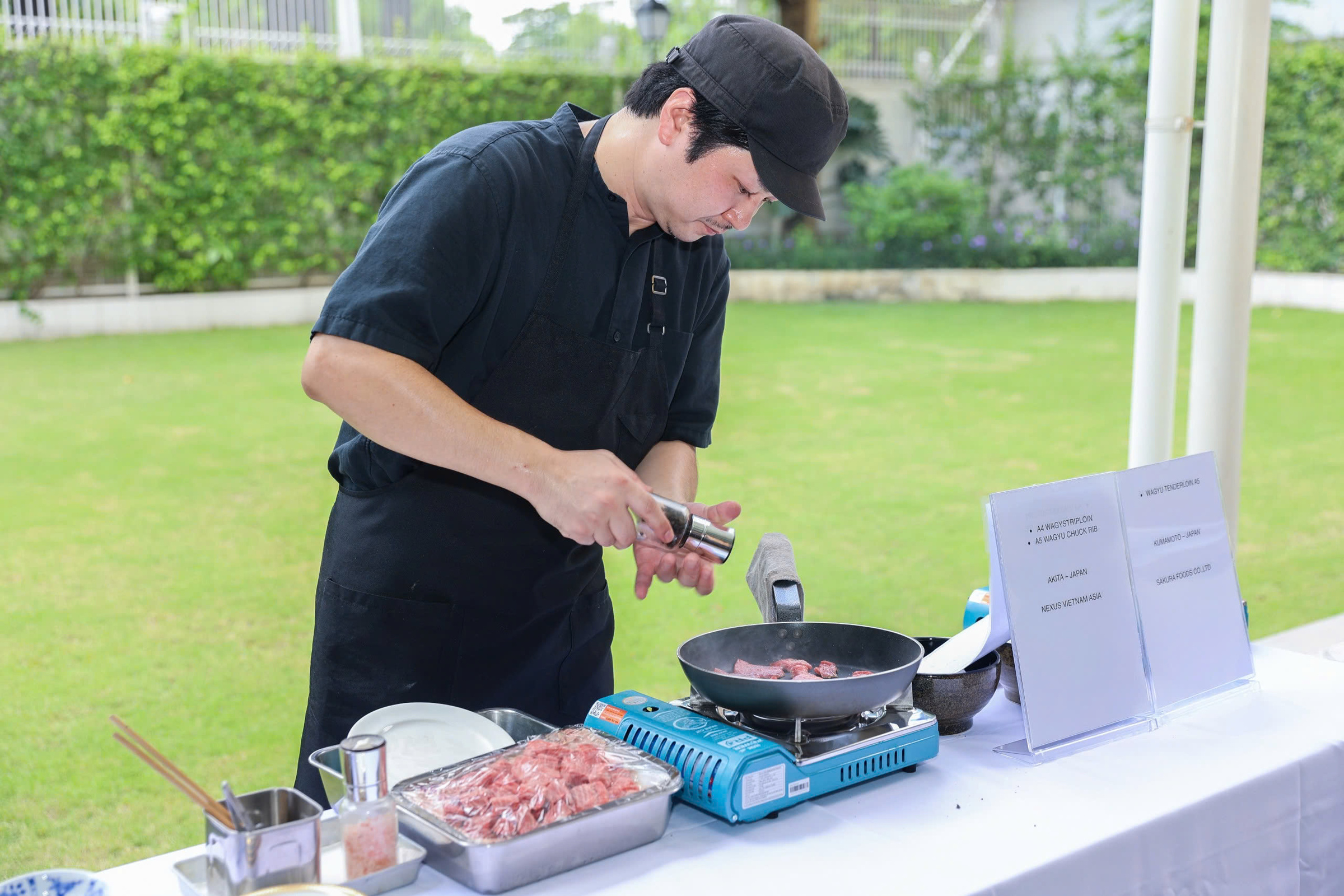 |
Chef Shuto demonstrates pan-searing Wagyu beef at the event on the morning of 17/6. *Photo: Quynh Tran* |
Chef Shuto stated that Washoku's core philosophy is not cooking techniques but respect for ingredients, producers, and diners. He believes respect for ingredients, the desire to bring joy to diners, and Omotenashi hospitality form Japanese cuisine's foundation.
The Japanese chef noted similarities between Vietnamese and Japanese cuisines, both emphasizing natural flavors and umami. Many Japanese ingredients are well-received here for this reason.
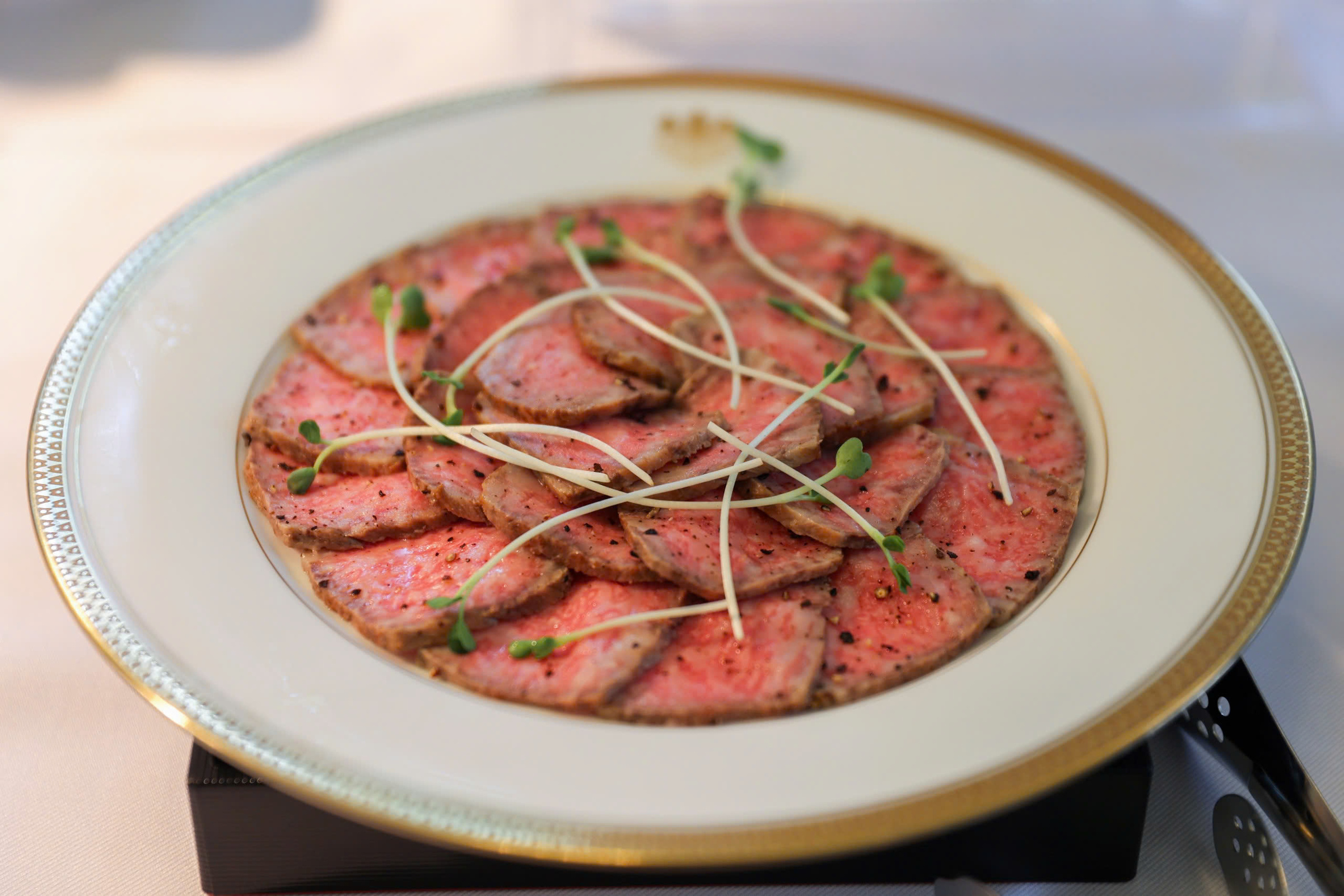 |
Pan-seared Wagyu beef served to guests at the event. *Photo: Quynh Tran* |
Chef Shuto was impressed by a pan-seared white fish dish combining miso, yuzu, and lemongrass sauce in Vietnam. The fusion of Japanese ingredients and local flavors created novel experiences while retaining the spirit of Washoku.
Nguyen Ba Phuoc, Japanese Culinary Culture Ambassador in Vietnam, a chef with over 10 years of experience in Japan, believes Washoku's identity stems from respect for nature and seasonality. He noted that Japanese chefs preserve food's natural flavors, avoiding excessive spices that mask ingredients' characteristics.
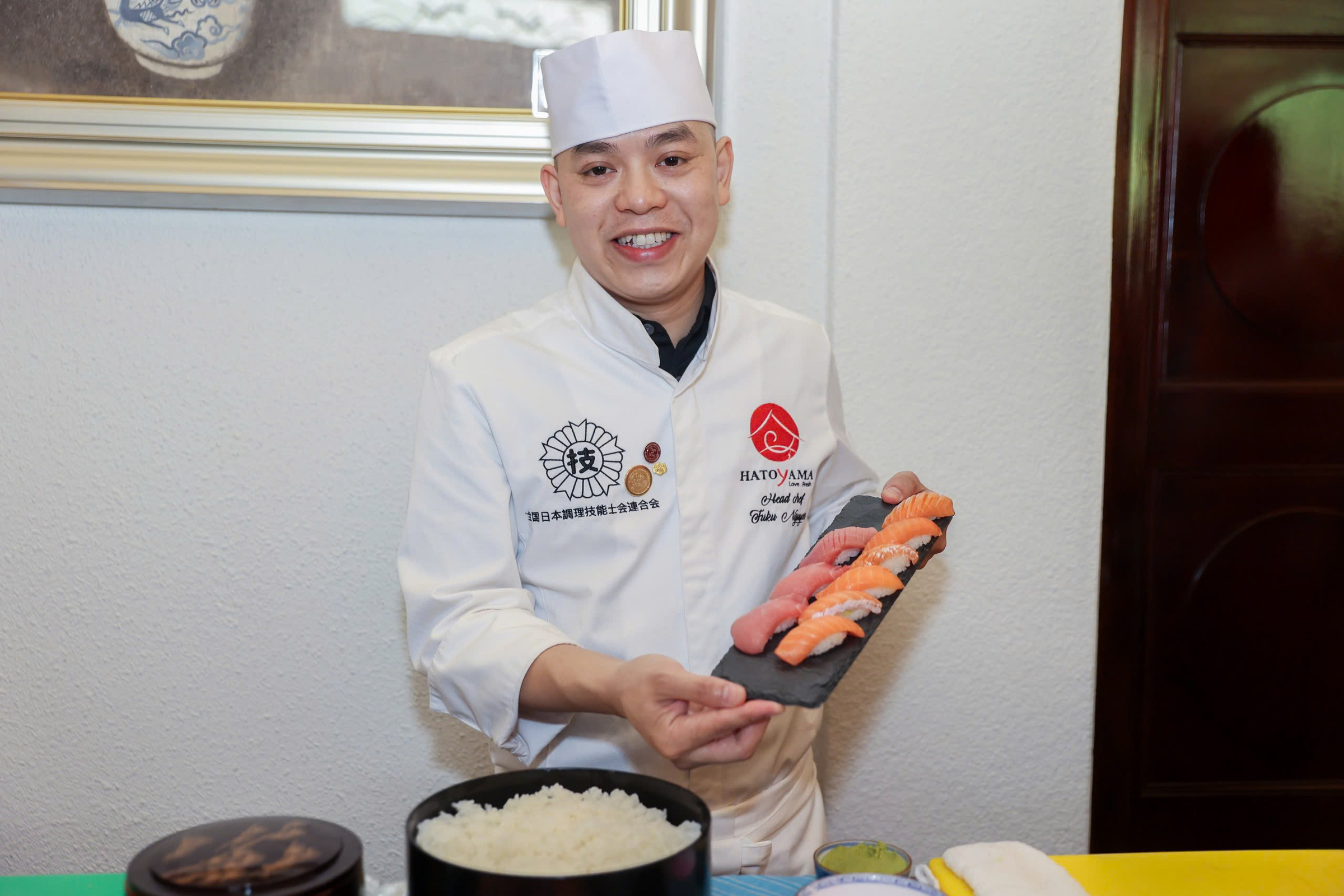 |
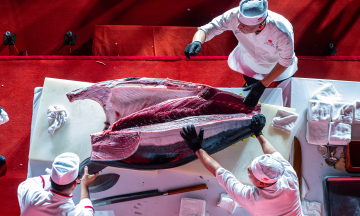
Nguyen Ba Phuoc, Japanese Culinary Culture Ambassador in Vietnam, with freshly prepared salmon and tuna sushi. *Photo: Quynh Tran* |
Vietnamese perceptions of Japanese cuisine have changed recently. Phuoc observed that while most diners once knew only sushi and sashimi, many now show interest in dashi, omakase, kaiseki, and seasonal ingredients. Guests inquire not just about taste but also ingredient origin, seasonality, production region, and the cultural story behind the food.
"This indicates Vietnamese people are approaching Japanese cuisine as a cultural experience rather than merely a dining need. Activities like cooking demonstrations, food tastings, or experiential workshops effectively bring Japanese culture closer to the public", Phuoc added.
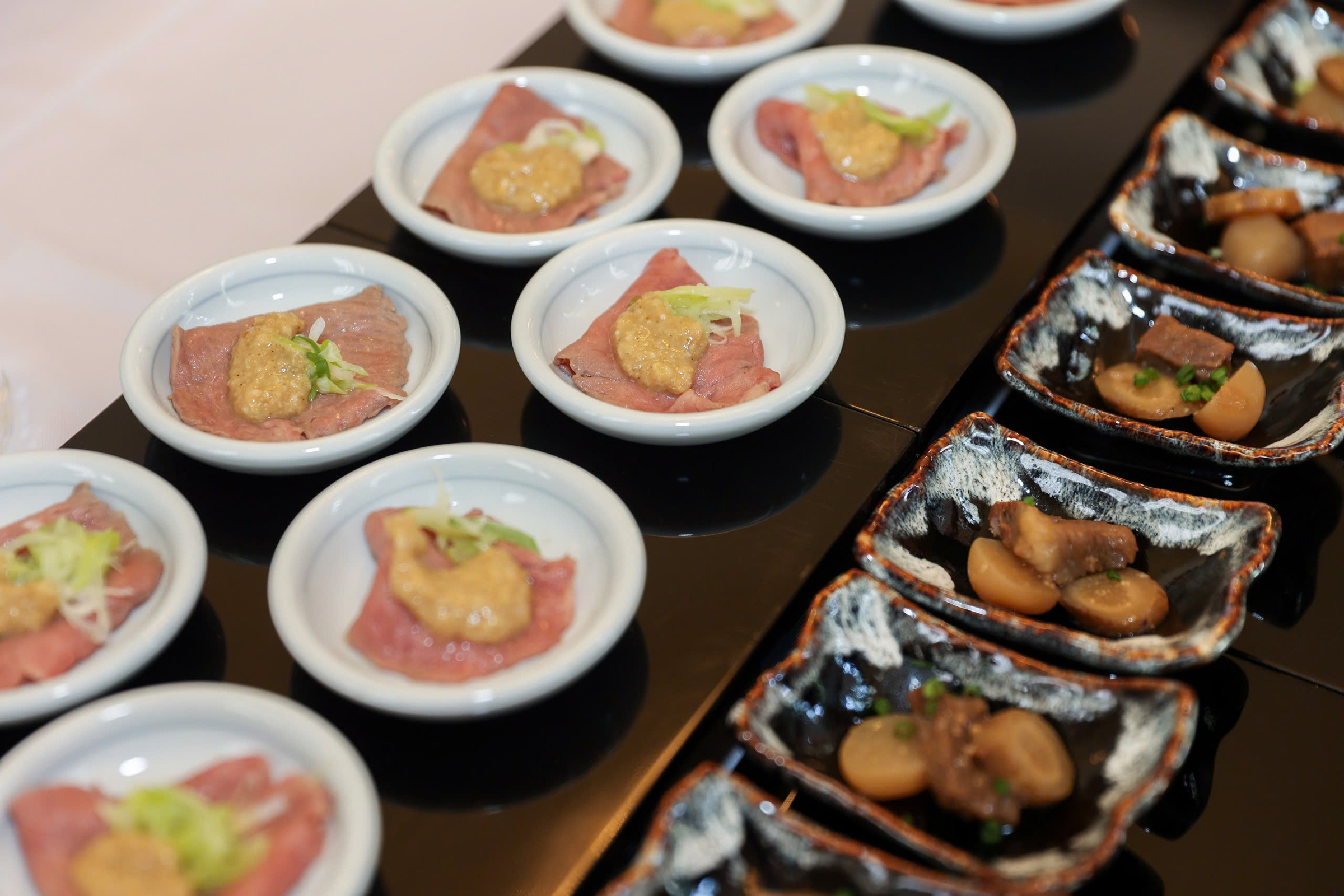 |
Many traditional Japanese dishes, rich in Washoku essence, were prepared and served live. *Photo: Quynh Tran* |
Both Vietnamese and Japanese chefs agreed that cuisine engages all senses. Enjoying a dish or watching a chef prepare it offers diners a deeper understanding of the culture, history, and passion behind each creation.
Ono Masuo, Consul General of Japan in Ho Chi Minh City, considers cuisine an effective cultural exchange channel. He noted that Japanese food and beverages, alongside manga, anime, and fashion, help Vietnamese people understand the Japanese way of life and thought.
"Through food and drink, we hope to expand mutual understanding, strengthening friendship and cooperation between our two peoples", he shared.
Thy An