Bahrain submitted a draft resolution to the United Nations Security Council on 23/3, advocating for "all necessary measures" to protect commercial shipping in the Strait of Hormuz. Diplomatic sources, including Reuters and AFP, confirmed this. In diplomatic terms, the phrase "all necessary measures" in Security Council draft resolutions is often interpreted as authorizing the use of force.
The document is structured under Chapter VII of the United Nations Charter. This framework theoretically empowers the Security Council to implement measures from sanctions to military intervention to maintain international peace and security. Diplomatic sources indicate that Bahrain's draft resolution has garnered support from Gulf states and the United States. Its wording would permit nations, either unilaterally or through voluntary naval alliances, to enforce measures guaranteeing freedom of navigation within and around the Strait of Hormuz, including the territorial waters of adjacent states.
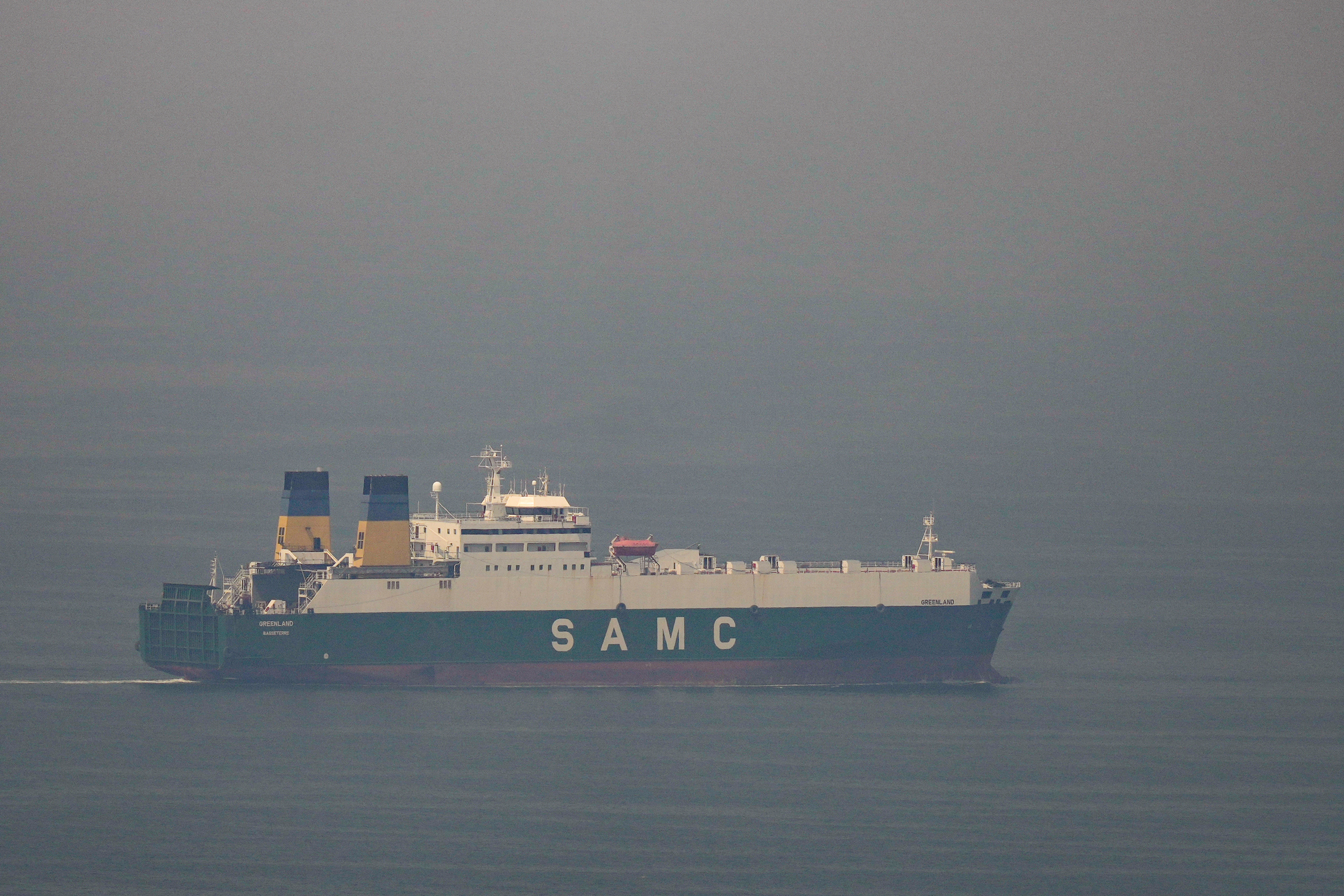 |
Cargo ship from the United Arab Emirates (UAE) heading towards the Strait of Hormuz on 15/3. *AP*
The document also demands Iran "immediately cease all attacks on commercial vessels and any actions obstructing lawful transit or freedom of navigation" in the region. Furthermore, the draft outlines the potential for imposing specific sanctions on entities challenging freedom of navigation in the Strait of Hormuz.
However, diplomats believe the Security Council's adoption of this document is highly unlikely, as Russia and China are expected to exercise their veto power. While Security Council resolutions are binding, they require at least 9 affirmative votes and no veto from any of the five permanent members: the United States, United Kingdom, France, Russia, and China.
In contrast, France has presented an alternative draft resolution, featuring more moderate language. This French proposal avoids direct mention of Iran and is not framed under Chapter VII of the United Nations Charter. Instead, it urges all parties to de-escalate tensions, end conflicts in the Persian Gulf, Strait of Hormuz, and Gulf of Oman, and return to diplomatic solutions. Unlike Bahrain's proposal, France's draft resolution does not include language regarding the use of force. It instead encourages nations with maritime interests in the region to coordinate purely defensive measures, such as escorting commercial vessels, while respecting international law.
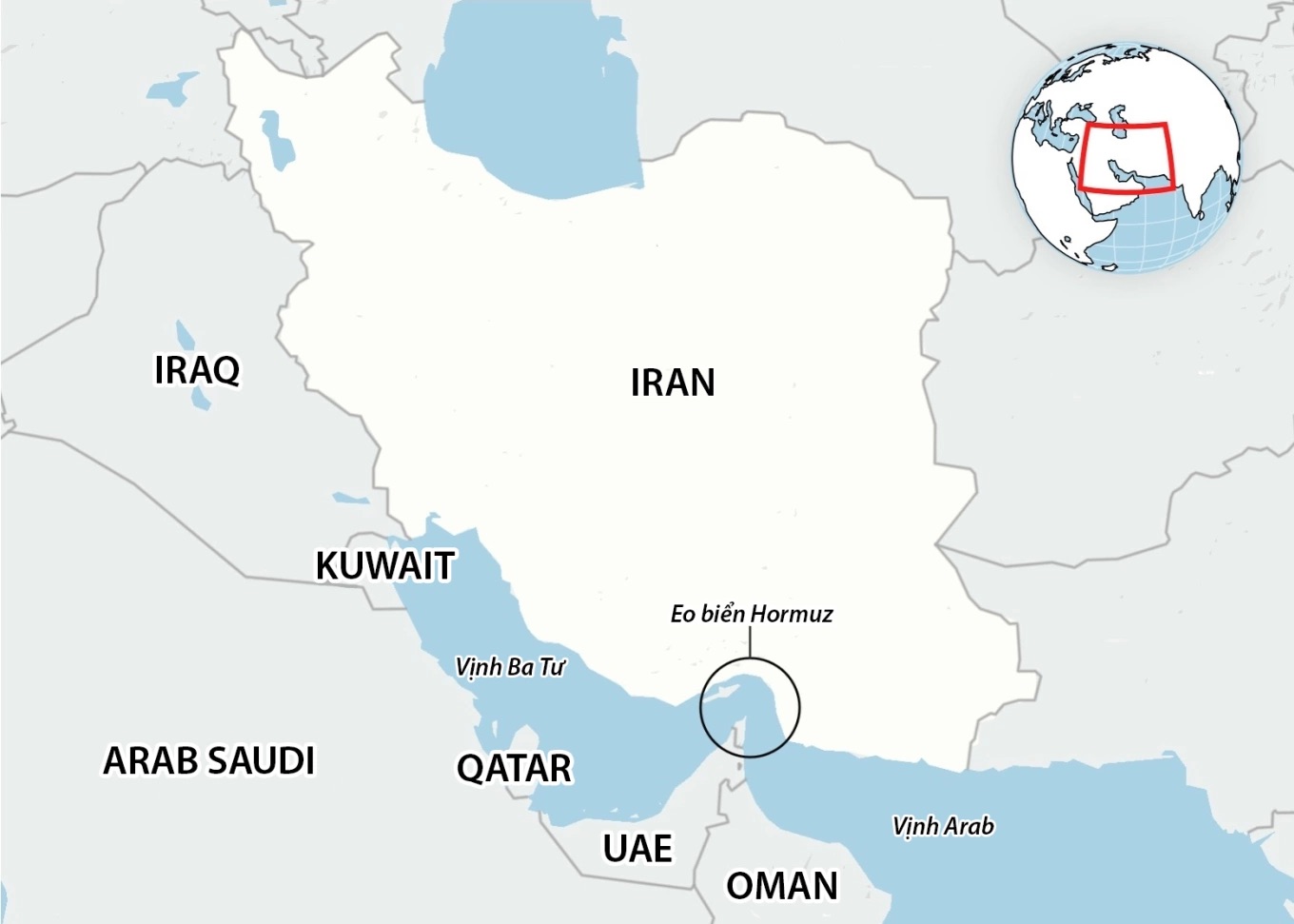 |
Location of the Strait of Hormuz. *Guardian*
French President Emmanuel Macron previously stated that any action concerning the Strait of Hormuz must be within the United Nations framework, contingent upon de-escalation and Iran's consent. Earlier last week, President Macron declared that France would not join the United States-proposed effort to open the Strait of Hormuz. Instead, France would only participate in initiatives to escort cargo ships through the strait once the conflict has temporarily subsided.
The Strait of Hormuz is a strategic shipping lane, crucial for global oil supply, transiting approximately 20% of the world's crude. It is also vital for Gulf economies. Shipping activity in the area has been severely disrupted following attacks by the United States and Israel on Iran, which led to retaliatory strikes by Tehran across the Middle East. Over the past week, Iran has permitted some cargo and oil tankers to traverse the Strait of Hormuz through bilateral diplomatic efforts with involved nations. Iranian politicians and military commanders have repeatedly asserted that only "non-hostile" vessels will be granted passage, provided that the countries involved coordinate closely with the Iranian military and adhere to their instructions.
By Thanh Danh (Reuters, AFP)