On 23/2, Canadian foreign minister Anita Anand stated that the country "is preparing an aid package" for Cuba, but could not yet provide specific details about its contents.
Foreign minister Anand's statement came two days after Charlotte MacLeod, spokesperson for Global Affairs Canada, confirmed the country was considering all options to support those most severely affected in Cuba amid a series of US import blockades on oil.
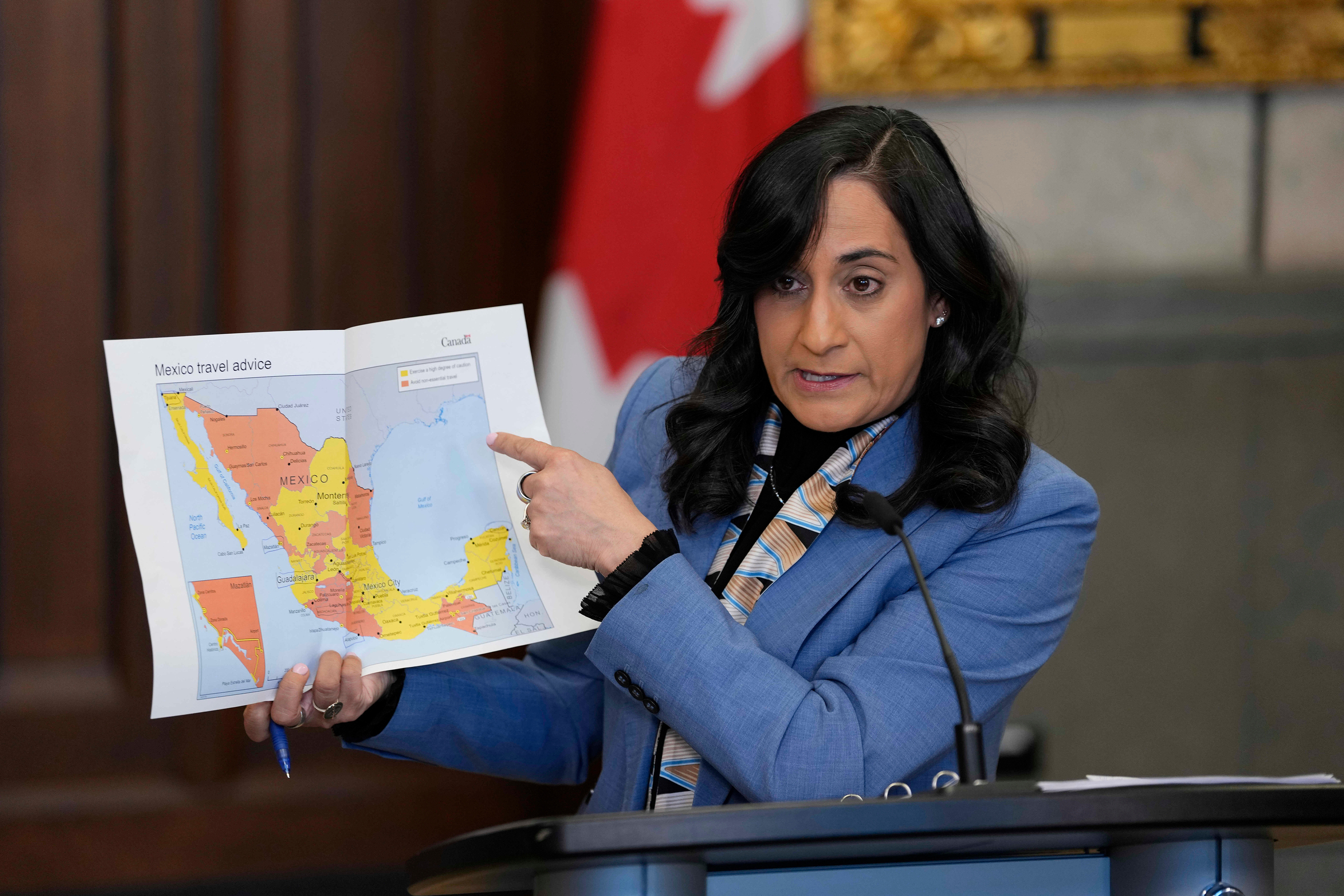 |
Canadian foreign minister Anita Anand speaking in parliament on 23/2. Photo: AP |
MacLeod told CBC on 21/2 that Canada "is closely monitoring the situation and is concerned about the growing risk of a humanitarian crisis on the island nation. Given the current developments, Canada will consider all options for assistance. Canada has a long tradition of providing vital humanitarian support to Cuba, helping it overcome urgent crises."
Since january, the US has blocked most oil supplies from Venezuela and Mexico to Cuba, plunging the island nation into a severe energy shortage. This has led to prolonged power outages and soaring food and transportation prices.
The United Nations warned that if Cuba's energy needs are not met, a humanitarian crisis could soon occur. Economist Ricardo Torres at American University in Washington estimates Cuba requires approximately 90,000 to 100,000 barrels of oil daily to sustain its economic and social activities.
Cuba relies on imported oil to operate its thermal power plants. Fuel shortages were one of the reasons Cuba experienced widespread power outages last year. Cuban foreign minister Bruno Rodriguez criticized the US actions as "cruel aggression" against Cuba and its people.
Cuba's Ministry of Energy announced last week that domestic oil production is meeting about 40% of the country's energy demand. The agency affirmed: "Amid a series of blockades attempting to suffocate Cuba, we continue our efforts towards energy sovereignty."
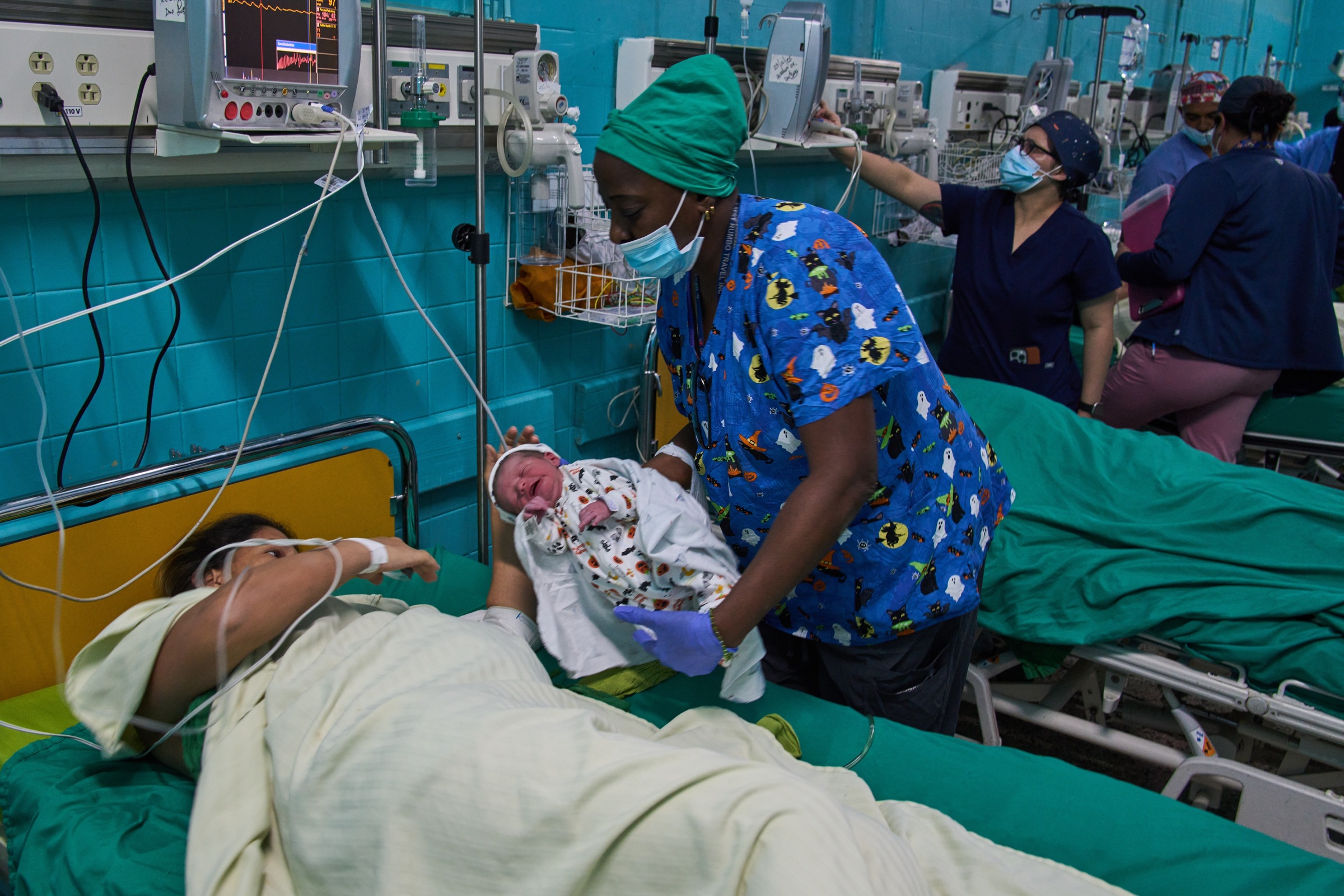 |
Inside the Ramon Gonzalez maternity hospital in Havana, Cuba, on 20/2. Photo: AP |
The energy crisis is directly impacting Canadian interests. Canada holds the second-highest amount of foreign direct investment (FDI) in Cuba, primarily focused on mining and tourism.
Canada's Sherritt International Corporation, which operates a power joint venture accounting for 10% of Cuba's national output, announced that its nickel and cobalt mine in Moa has temporarily ceased operations due to fuel shortages.
Canadian tourists are a significant driver of the island nation's economy. However, Air Canada and other carriers have had to cancel flights to Cuba since the beginning of this month due to a lack of aviation fuel. More than 27,900 Canadian tourists have been repatriated, while Global Affairs Canada advises citizens to consider leaving the island nation while commercial flights are still available.
By Thanh Danh (Reuters, CBC, AP)