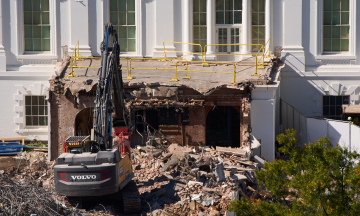
The regulation, which took effect earlier this week, explicitly prohibits the use of residential homes solely for the purpose of storing cremated remains.
'Urn apartments' are units in low-occupancy residential buildings that some families use to house the remains of cremated loved ones. These apartments are often identifiable by sealed windows or perpetually drawn curtains.
According to Trung Quoc media, purchasing these apartments is sometimes cheaper than buying land in a public cemetery. Families also gain more autonomy in performing rituals and caring for the deceased. However, this practice impacts other residents in the building, with some expressing concerns about living next to stored remains and the potential difficulty of selling their own homes later.
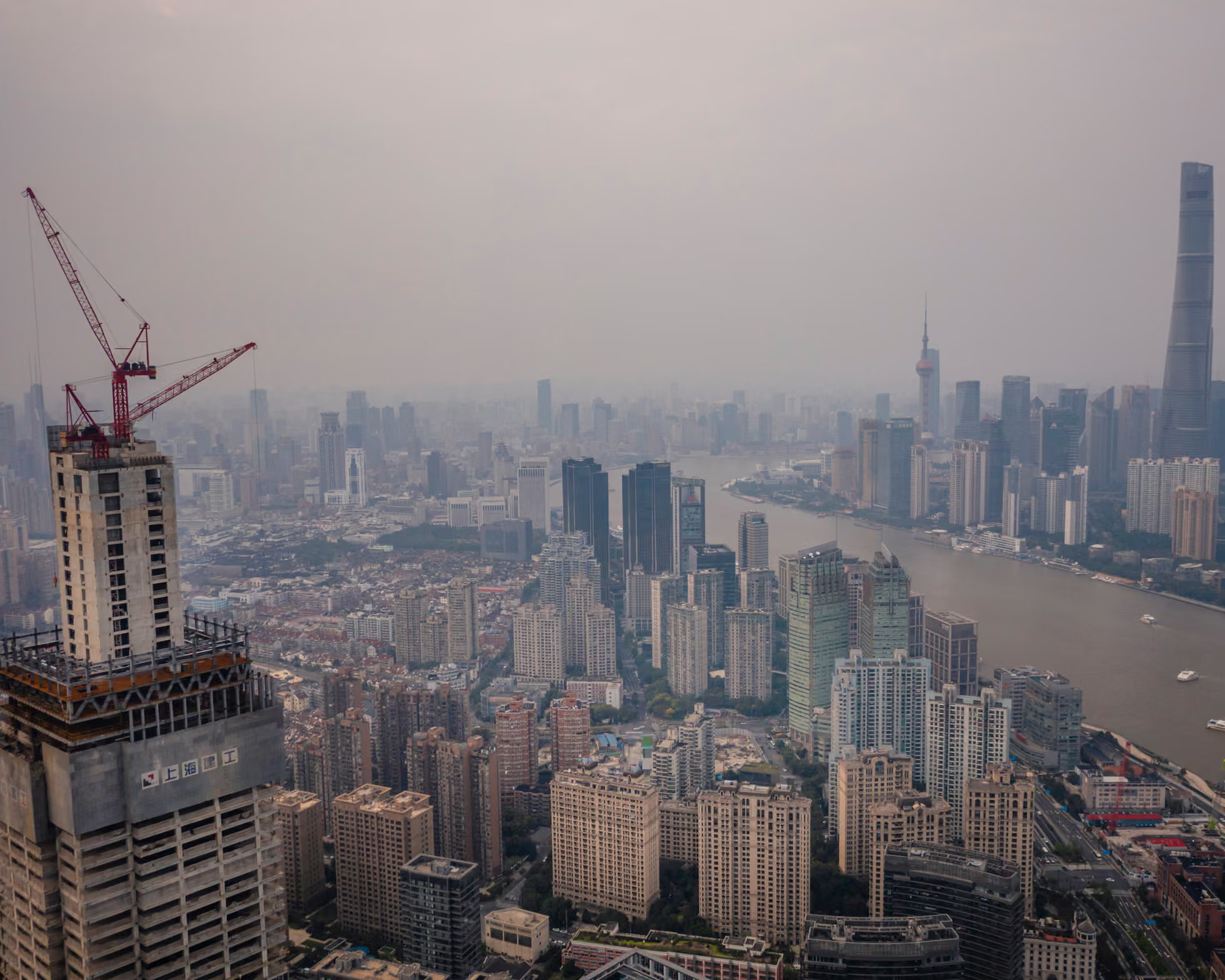 |
High-rise buildings in Shanghai, Trung Quoc. Photo: *AP*. |
One resident recounted walking past an 'urn apartment' in his complex and seeing two candlesticks next to a black box, accompanied by a black-and-white portrait.
The ban was issued days before the Qingming Festival (Tomb-Sweeping Day), when Chinese families visit ancestral graves. For violations causing negative impact, local authorities will order rectification, provide education, and implement corrective measures.
Xinyi Wu, a doctoral researcher in anthropology at the University of California who has studied this phenomenon for years, stated that the new regulation also aims to prevent developers and real estate agents from selling apartments while implicitly allowing customers to use them for urn storage.
Under Chinese law, the remains of the deceased are only permitted to be interred in designated areas like public cemeteries. However, demand is growing as the country's population ages.
The right to use a grave plot in Trung Quoc only lasts 20 years, whereas residential land use rights are guaranteed by the state for up to 70 years.
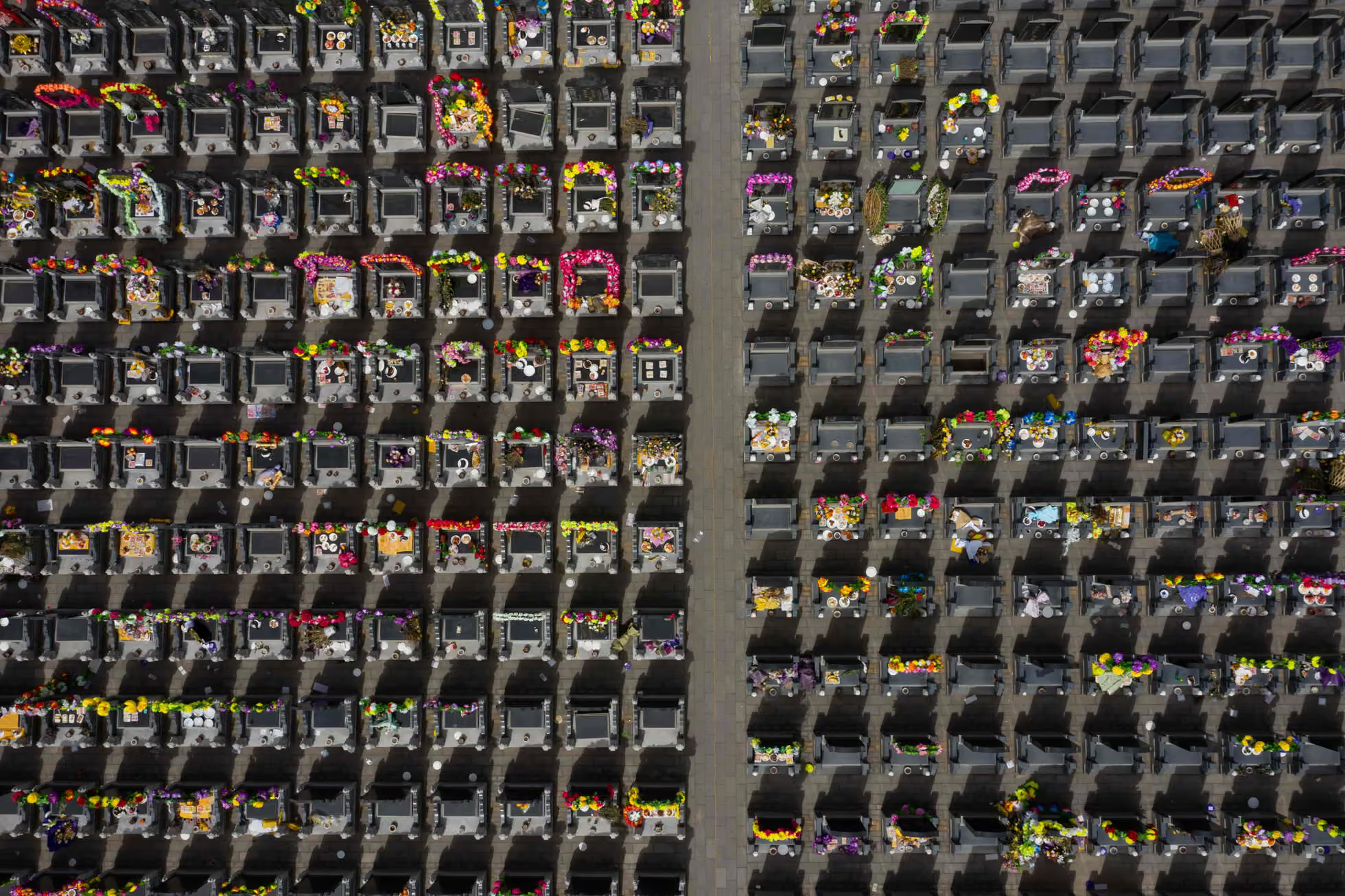 |
A public cemetery on the outskirts of Beijing, Trung Quoc. Photo: *AFP*. |
A 2020 survey by British insurance company SunLife found that funeral costs in Trung Quoc were equivalent to nearly half the average annual salary of its citizens.
Meanwhile, real estate prices in Trung Quoc fell 40% between 2021 and 2025, driven by President Xi Jinping's campaign with the message "houses are for living, not for speculation," aimed at curbing excessive market speculation.
On 31/3, the Chinese government also announced new regulations to address a lack of transparency in funeral service pricing, aiming to reduce the financial burden of funeral costs for its citizens.
Duc Trung (According to *AFP*, *Xinhua*, *Global Times*)