Last week, the Lebanese Foreign Ministry declared Iran's Ambassador Mohammad Reza Sheibani persona non grata, requiring him to leave the country before 29/3. This marks an unprecedented move by Lebanon.
The decision stemmed from the Lebanese government's anger over Iran-backed Hezbollah targeting Israel in support of Tehran, which led to new attacks by Tel Aviv on Lebanon. The Lebanese Foreign Ministry also accused Sheibani of making statements that "interfered in internal politics."
Hezbollah condemned the move. The Amal party, led by Lebanese Parliament Speaker Nabih Berri, along with Hezbollah ministers, boycotted a cabinet meeting to protest the ambassador's expulsion.
Hezbollah is a Shiite Muslim political party with an armed wing, which the Lebanese government has outlawed. Lebanon operates under a religious power-sharing system, where the prime minister must be a Sunni Muslim, the parliament speaker a Shiite Muslim, and the president a Maronite Christian.
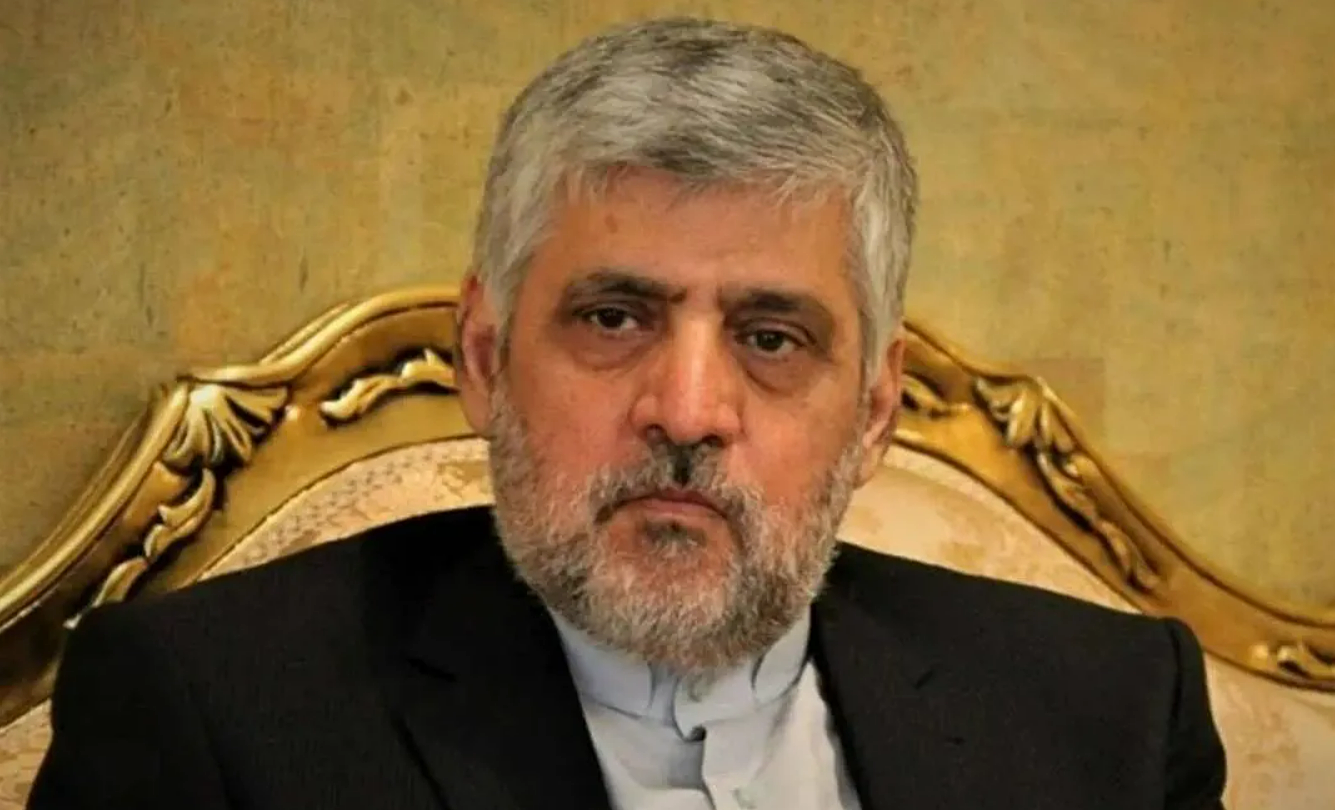 |
Iran's Ambassador to Lebanon Mohammad Reza Sheibani. Photo: IRNA |
Iran's Ambassador to Lebanon Mohammad Reza Sheibani. Photo: IRNA
On 30/3, Iran announced that its ambassador to Lebanon would remain in the country. Foreign Ministry spokesperson Esmaeil Baqaei stated that the embassy in Beirut was "operating normally."
Lebanese officials stated that diplomatic protocols do not permit them to forcibly remove anyone from an embassy.
The Lebanese government has prohibited military and security activities by Hezbollah, the country's only non-state armed group. Lebanon also banned the presence and operations of Iran's Islamic Revolutionary Guard Corps, a force Prime Minister Nawaf Salam accused of directing Hezbollah's actions against Israel.
Days after the US and Israel launched a war against Iran on 28/2, Hezbollah intervened with rocket salvos targeting Israel. Israel responded to Hezbollah with airstrikes on Lebanese territory, resulting in over 1,200 fatalities and more than one million displaced people.
By Huyen Le (According to AFP, WSJ)