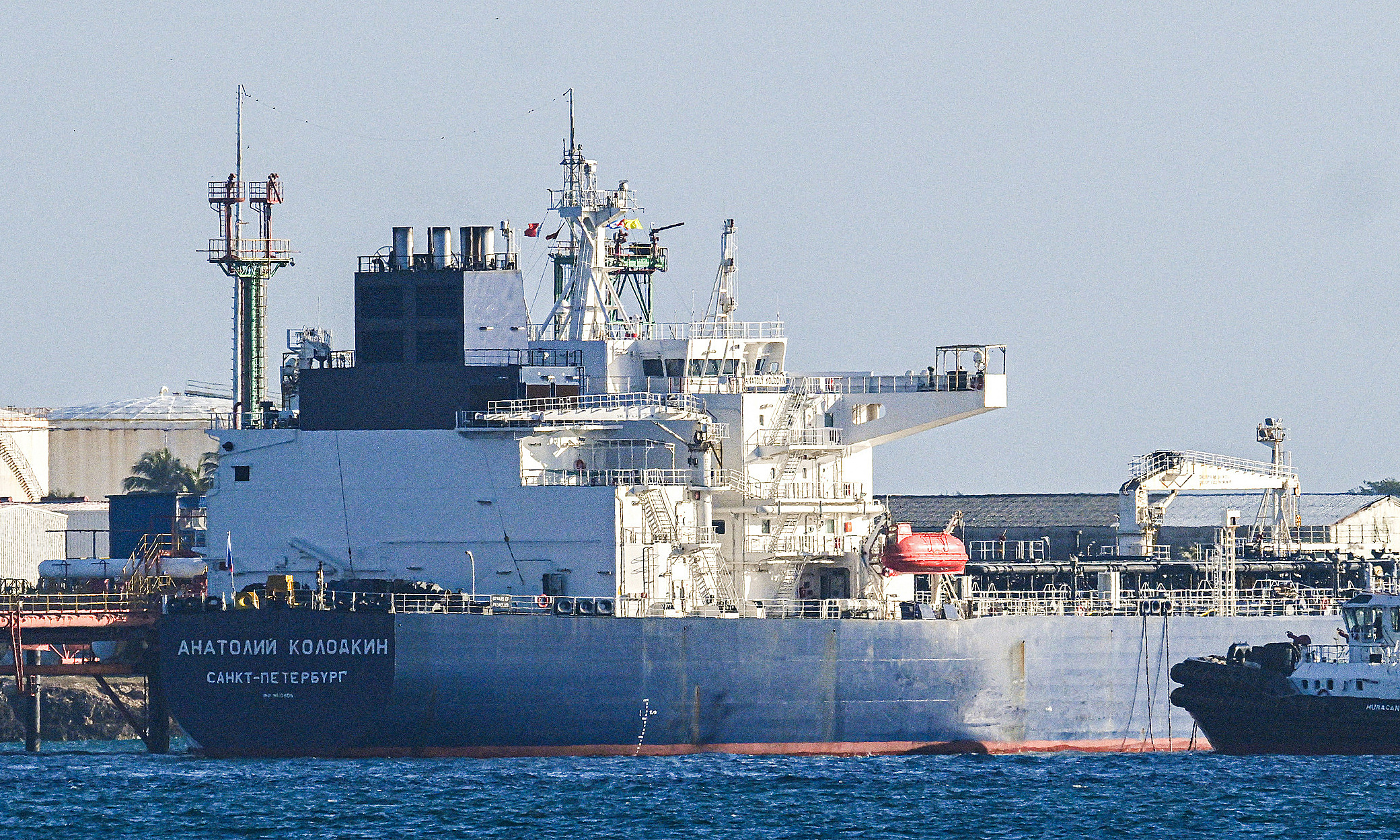
Qatar's Ministry of Defense announced on 1/4 that Iran launched three cruise missiles at the country. Two were intercepted, and the remaining missile struck an oil tanker chartered by QatarEnergy. All 21 crew members on board were evacuated, with no related casualties.
Earlier the same day, the United Kingdom Maritime Trade Operations (UKMTO) and QatarEnergy reported that the Aqua 1 oil tanker was attacked in Qatari waters, approximately 31 km north of the Ras Laffan industrial center, home to the world's largest gas plant. The vessel sustained damage above the waterline, but it did not pose a risk of an oil spill. Iran has not yet commented on the information.
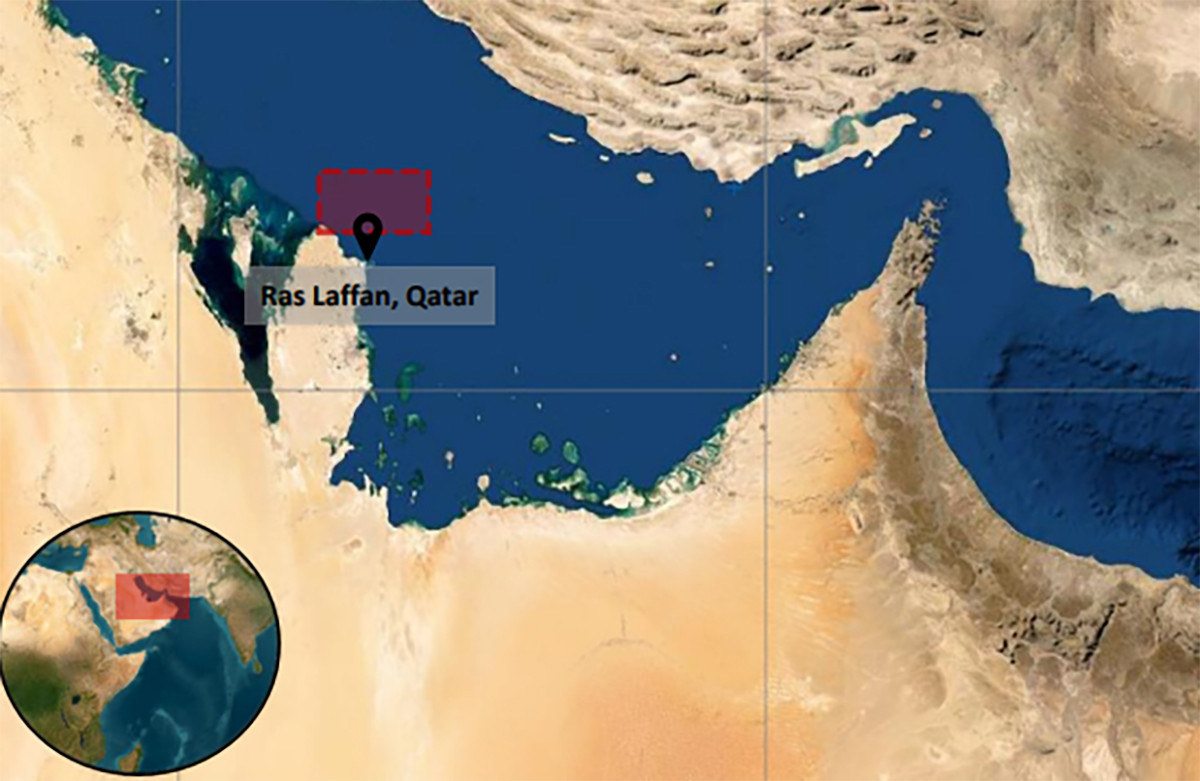 |
The area where the Aqua 1 oil tanker was operating when it was struck by an Iran missile on 1/4. *Graphics: UKMTO* |
After the outbreak of hostilities on 28/2, Iran targeted a series of critical infrastructure in the Middle East, including oil and gas facilities in the Gulf region. The conflict paralyzed 17% of Qatar's liquefied natural gas (LNG) production, threatening global supply.
The attack will likely continue to cripple the Strait of Hormuz, a vital artery for 20% of the world's oil and LNG supply. The threat to vessels has reduced traffic through the strait by approximately 95% compared to pre-conflict levels, according to data from marine analytics firm Kpler.
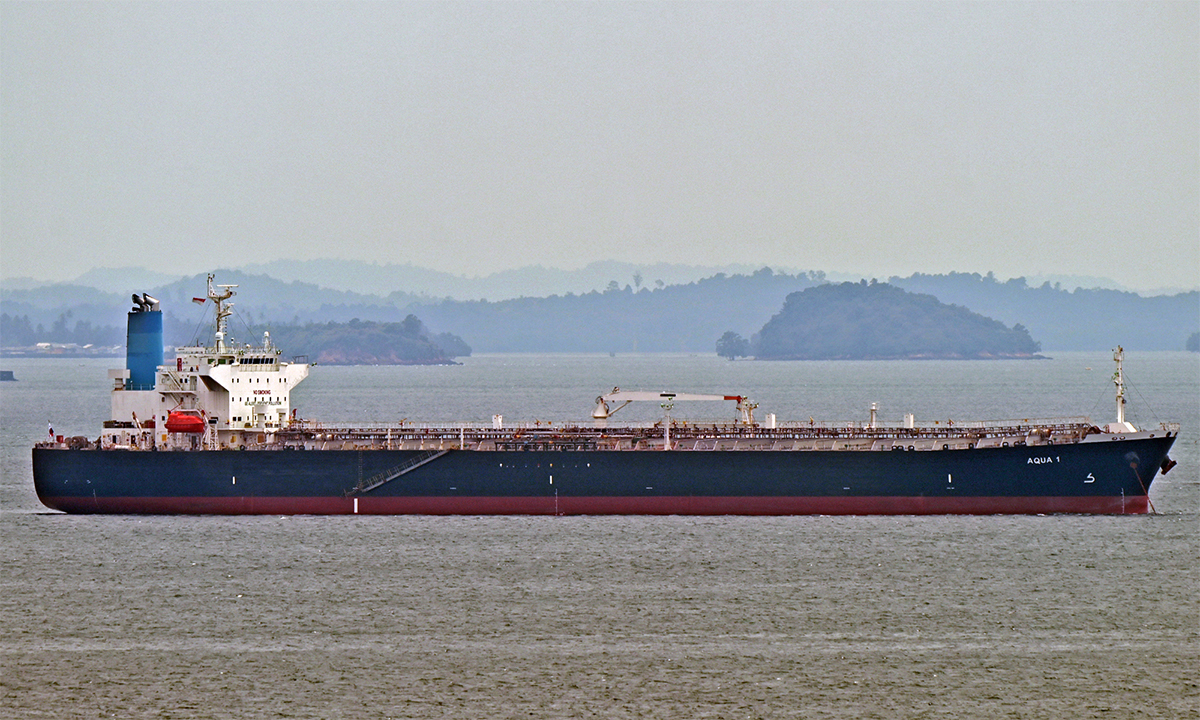 |
The Aqua 1 oil tanker in Singapore, photographed in 12/2025. *Photo: Ship Spotting* |
Iran permits some vessels from Malaysia, China, Egypt, South Korea, and India to pass through the Strait of Hormuz. It also announced a list of "friendly nations" that can use the Strait of Hormuz for unhindered commercial activities, including: India, Pakistan, Iraq, China, and Russia. Iran's media reported that a plan to charge fees for vessels passing through the Strait of Hormuz, recently approved by its parliament, stipulates a payment mechanism using the Iranian rial.
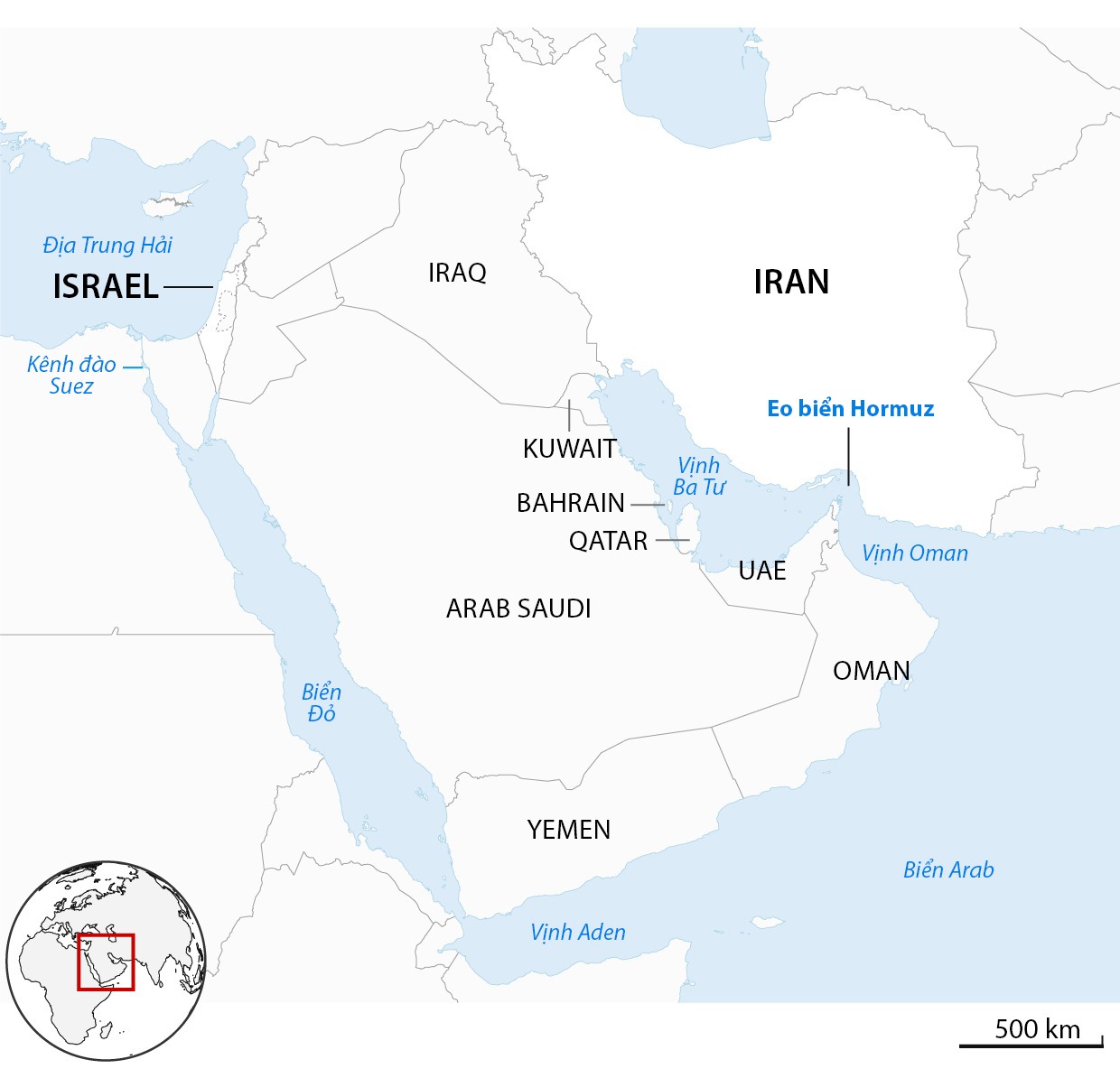 |
The Strait of Hormuz. *Graphics: Guardian* |
US President Donald Trump stated on 31/3 that countries affected by the Strait of Hormuz blockade "should go get their oil back themselves". Trump previously urged EU and NATO allies and some other countries to participate in escorting vessels through the area, but all parties were unwilling to do so. Trump recently indicated positive signals in negotiations with Iran, but continued to threaten to destroy all of Iran's power plants, oil wells, and desalination facilities if the country did not soon accept an agreement and immediately reopen the Strait of Hormuz. Iran, meanwhile, affirmed it has not negotiated with the US, although some messages have been exchanged between Iran's Foreign Minister Abbas Araghchi and US envoy Steve Witkoff.
Nguyen Tien (*According to CNN, AFP, Reuters, Al Jazeera*)