US President Donald Trump announced on 29/12 that US forces had for the first time attacked a land target in Venezuela. This strike, reported by CNN citing informed sources, occurred earlier this month and was carried out by the Central Intelligence Agency (CIA).
The target was a pier that the US government believes the Tren de Aragua gang uses to store and transport drugs. The operation marks a significant shift, as previous US military actions in the region focused on sea-based targets.
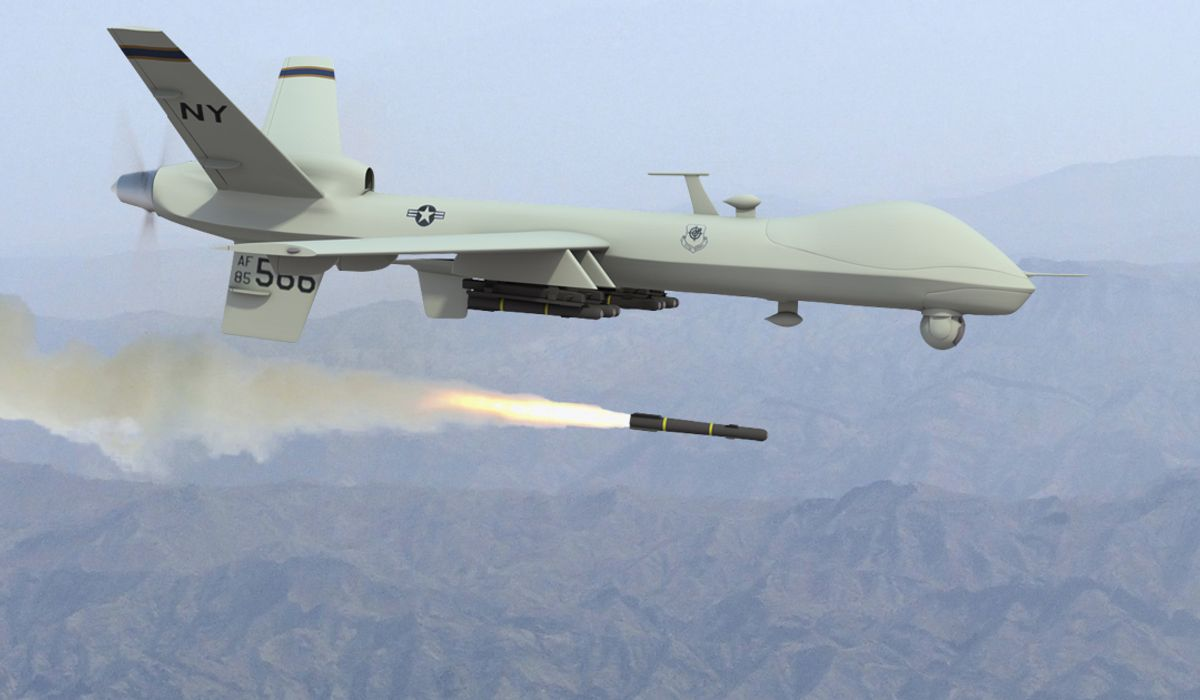 |
US MQ-9 Reaper UAV fires a missile. *Photo: USAF* |
No one was present at the pier when the CIA's unmanned aerial vehicle (UAV) conducted the attack, resulting in no casualties. The CIA operates several types of armed UAVs, including the MQ-9 Reaper, capable of firing Hellfire missiles or gbu-12 paveway ii laser-guided bombs.
A source confirmed the strike successfully destroyed the pier and a boat. However, the action was described as largely symbolic, given it was just one of many piers drug gangs use to traffic narcotics from Venezuela. The incident garnered little attention at the time, even within Venezuela.
The CIA declined to comment on the CNN report, and the Venezuelan government has not yet responded to the allegations.
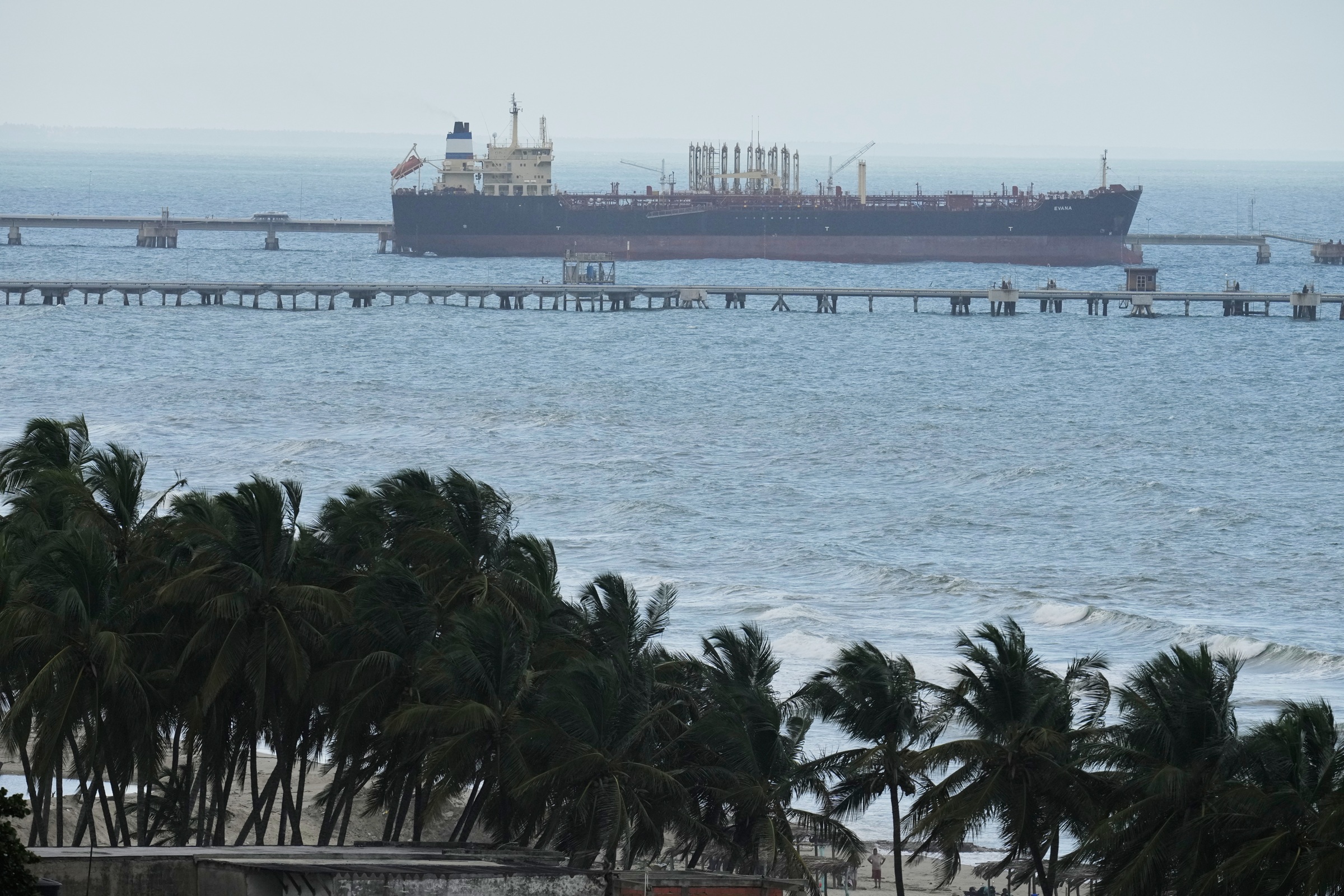 |
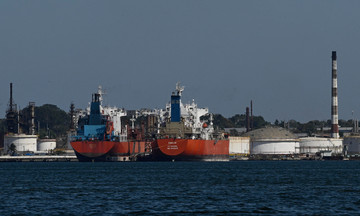
Oil tanker docks at El Palito port in Puerto Cabello, Venezuela on 21/12. *Photo: AP* |
President Trump initially revealed details of the attack in an interview last week, stating the US had destroyed a "large facility where boats depart". When questioned again on 29/12, he specified the US had targeted "the pier area where they load drugs onto boats".
This first land-based attack in Venezuela could significantly escalate tensions between the US and President Nicolas Maduro's administration. Washington is currently pressuring Maduro to resign, while Maduro, in turn, accuses the US of attempting to overthrow him and "plunder" Venezuela's oil resources.
President Trump has repeatedly threatened attacks within Venezuelan territory. However, previous US military operations targeting vessels accused of drug trafficking were conducted in international waters.
Earlier this year, the US President expanded the CIA's authority for operations in Latin America, including within Venezuelan territory. Despite this, the US military's legal authority for attacks against suspected drug traffickers remained limited to sea operations, not land.
The US has consistently increased pressure on President Maduro's government in recent months, deploying military assets to the region for anti-drug missions. US military airstrikes on suspected drug boats in the Caribbean and Pacific since September have resulted in over 100 fatalities.
Huyen Le (According to CNN, AFP)