The Israeli Prime Minister's Office stated on 13/5 that Prime Minister Benjamin Netanyahu "secretly visited" the United Arab Emirates (UAE) and met President Mohammed bin Zayed Al Nahyan amidst ongoing conflict with Iran. This claim was quickly refuted by the UAE.
"The visit opened a breakthrough in relations between the two countries," the Israeli Prime Minister's Office added, without providing details of the activity.
However, the UAE Ministry of Foreign Affairs subsequently issued a strong denial, stating, "we reject all information regarding the visit of Israeli Prime Minister Benjamin Netanyahu to the UAE, as well as any delegation of defense officials to our territory."
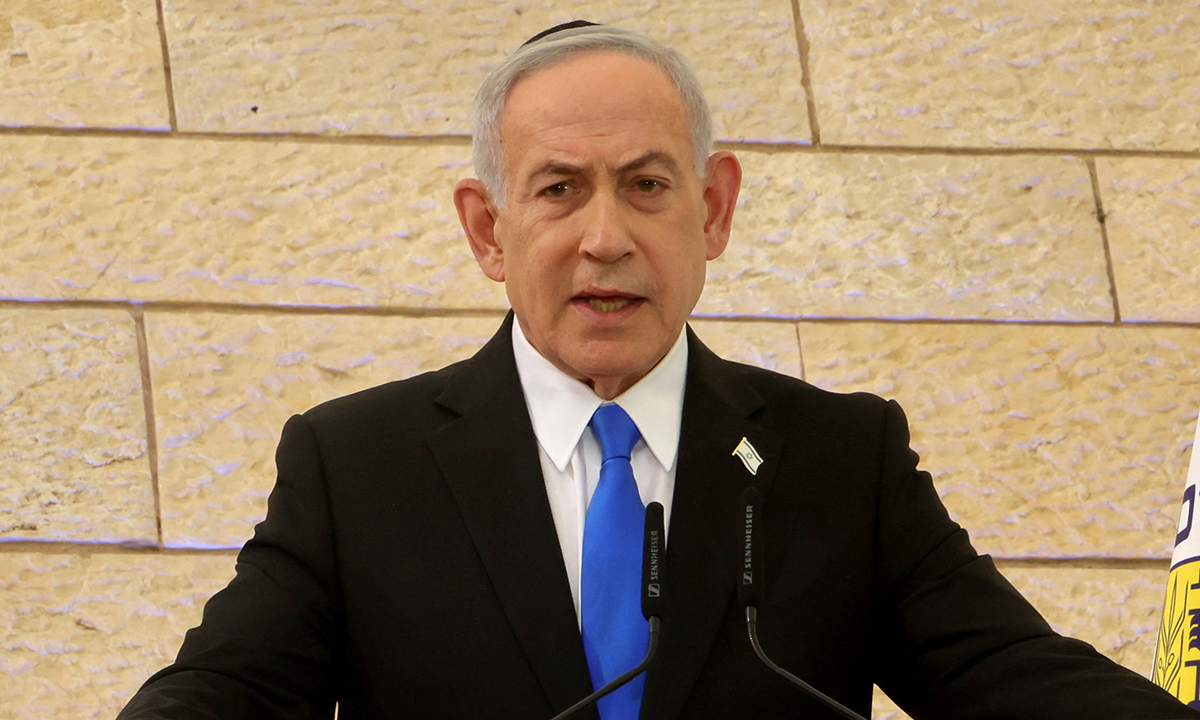 |
Israeli Prime Minister Benjamin Netanyahu speaks at an event in Jerusalem on 20/4. Photo: AFP |
In a social media post, the ministry emphasized that its relations with Israel are "completely transparent, established within a clear framework under the Abraham Accords, meaning they are not conducted through secret channels." The agency affirmed that information about such visits or related agreements "has no factual basis," unless announced through official UAE channels.
Israel has not commented on the UAE's statement.
Meanwhile, Iranian officials warned on the same day they would "hold accountable those who collude with Israel." Iranian Foreign Minister Abbas Araghchi posted on X, "Antagonizing the great Iranian nation is a foolish gamble. We cannot forgive those who do so with Israel."
Before the UAE denied the information, Ziv Agmon, former chief of staff to the Israeli prime minister, stated in a post that he had accompanied Prime Minister Netanyahu, and the Israeli leader "was received in Abu Dhabi with royal protocol."
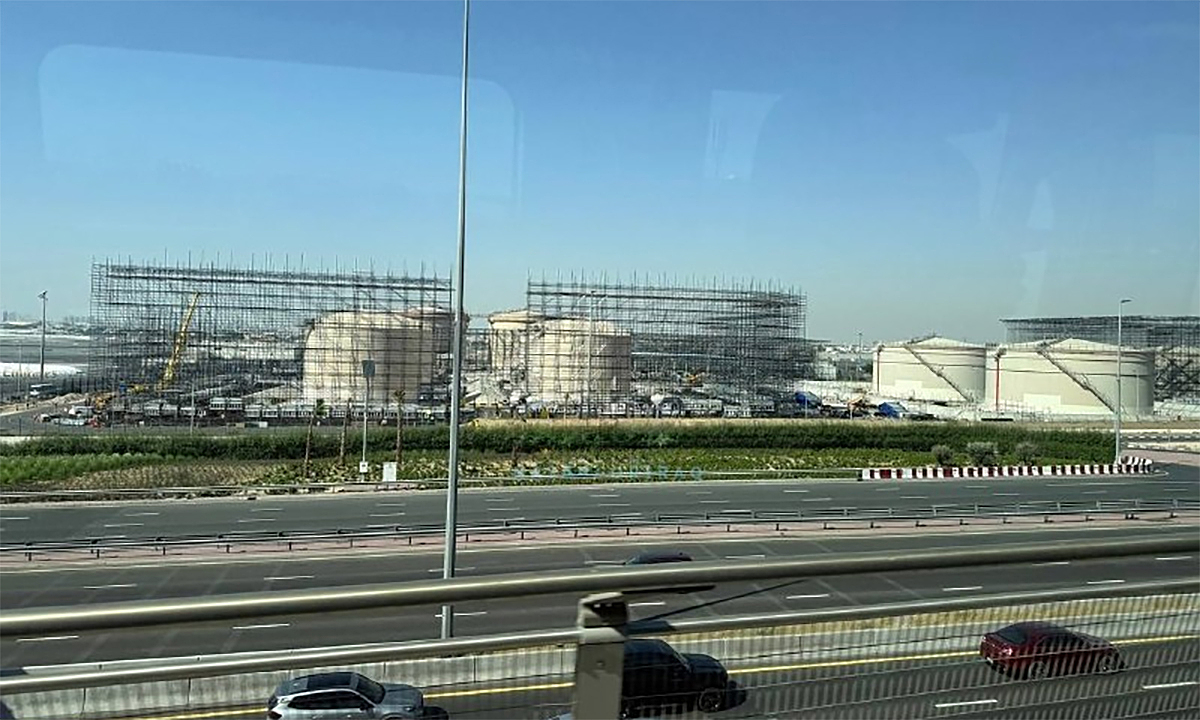
Following the US-Israel conflict's offensive on 28/2, Iran directed much of its retaliatory firepower towards the UAE, launching over 2,800 missiles and unmanned aerial vehicles (UAVs). This number exceeded attacks on any other involved nation, including Israel. These strikes caused severe damage to the UAE's air traffic, tourism, and real estate sectors, leading to significant layoffs and temporary furloughs.
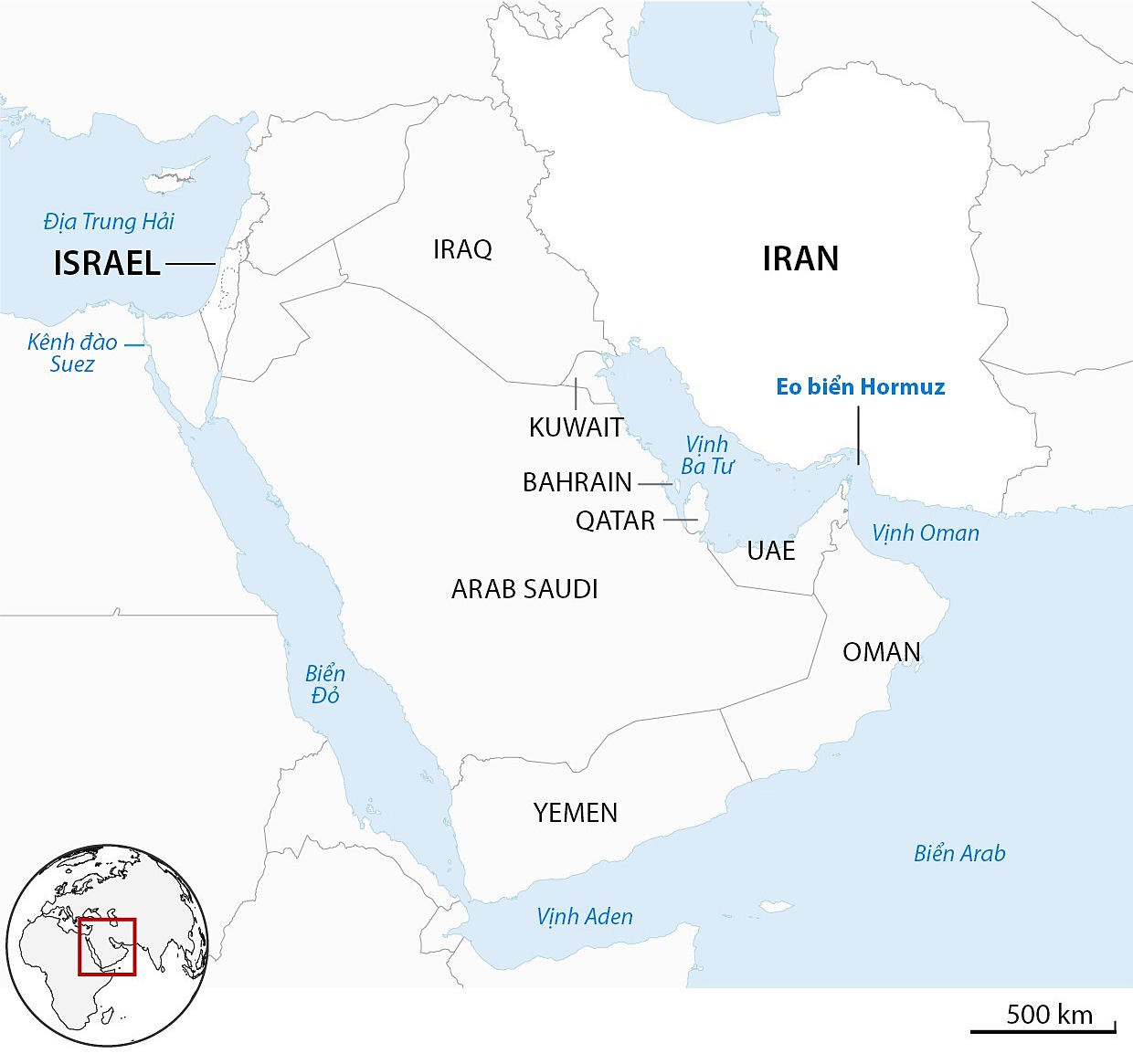 |
Countries in the Middle East region. Graphic: Guardian |
Israel and the UAE normalized relations under the Abraham Accords, signed in 9/2020. This bilateral relationship has persisted despite strong criticism from Arab nations after Israel launched an offensive on the Gaza Strip in 10/2023.
Earlier this month, US channel CNN reported that Prime Minister Netanyahu ordered the Israeli military to deploy the iron dome air defense system and its personnel to the UAE. Anonymous Israeli officials told Axios that the iron dome system helped intercept Iranian attacks on 4/5, though the number of targets shot down remains unclear.
At a United Nations headquarters event on 11/5, US ambassador Mike Walz confirmed Israel had provided advanced defense systems, including the iron dome shield, to the UAE. He stated, "We have seen the UAE use the iron dome system that Israel transferred to them."
Nguyen Tien (According to AFP, CNN, Times of Israel, Al Jazeera)