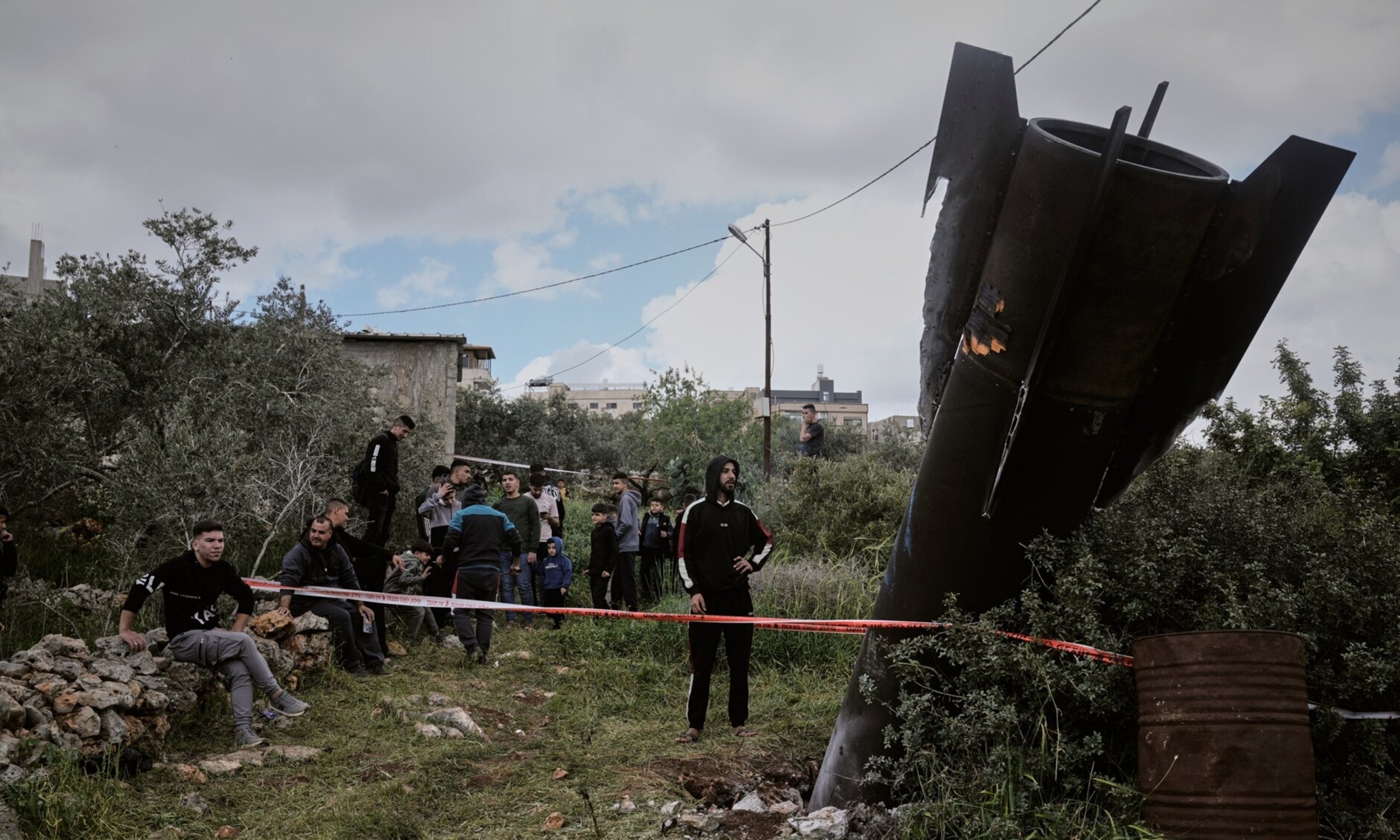
On february 28, as the United States and Israel began their attacks on Iran, President Donald Trump stated the campaign's objective was "to destroy missile launchers and level their missile industry."
"We will wipe out their navy", Trump added on social media.
He also said the US would ensure Iran's "proxy forces," referring to Tehran-backed armed groups in the region such as Hamas, Hezbollah, and Houthi, "can no longer destabilize the region or the world".
He reiterated an earlier statement that he would not allow Iran to develop nuclear weapons, despite Tehran repeatedly asserting it had no interest in building such weapons.
Several senior Iranian leaders, including Supreme Leader Ali Khamenei, died in the initial strikes of the war. Iran quickly launched a fierce retaliatory campaign against Israeli and US targets in the region.
One week later, in a social media post on march 6, Trump demanded Iran's "unconditional surrender". He made the statement at a time when the Iranian government had not yet announced a new supreme leader, and the White House occupant even declared the US would have a say in selecting the new leader in the Middle Eastern nation.
In an interview with CBS News the following day, Trump said Iran had "actually surrendered". "He surrendered to all the Middle Eastern countries, because he tried to control the entire region", he said, referring to Iranian President Masoud Pezeshkian.
Pezeshkian had, in fact, only apologized to neighboring countries for Iran's attacks on US-related targets within their territory. President Trump interpreted that apology as a surrender, as he explained to reporters on Air Force One, according to CNN analysts.
"I call it a surrender. It's truly a surrender to nations and to us", he stated.
That same day, Trump declared on Truth Social, "we don't need anyone to join the war when we have already won". The comment came amid reports that the British navy might deploy an aircraft carrier to the region.
However, the war continued to escalate, with no signs of Iran "surrendering". On march 8, Iran announced Mojtaba Khamenei, son of Ali Khamenei, as the new Supreme Leader.
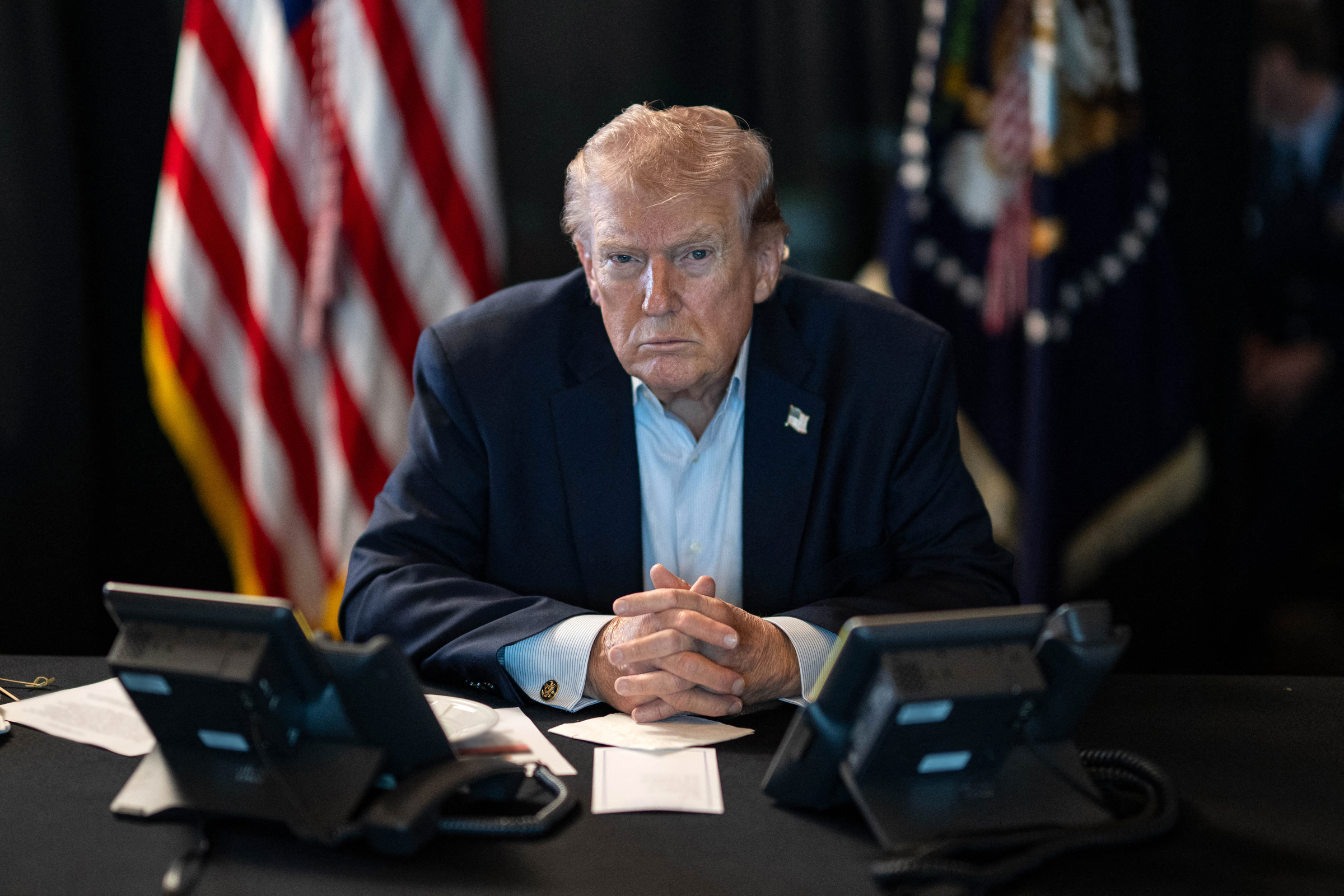 |
US President Donald Trump oversees the campaign targeting Iran on 1/3. Photo: AFP |
On march 9, Trump said much work remained. "We are making great strides towards achieving military objectives. Some might say we are basically done", he remarked.
But two days later, he again declared victory.
"And we have won", he stated at an event in Hebron, Kentucky, on march 11. "Nobody wants to say they won too early, but we won. We won in the first hour; everything is over".
Throughout three weeks of conflict, President Trump sometimes asserted the US had achieved victory, other times saying it "won militarily", or was "basically" victorious, or "won in many ways". Yet, he also stated the campaign continued and the US still needed to "finish the job".
Trump and US Secretary of Defense Pete Hegseth often said the US and Israel were ahead of schedule in the war. However, they used different language to describe the campaign's duration.
In the early days of the war, Trump predicted the campaign would last about one month. "I don't want to see it go on too long. I always thought it would take 4 weeks", he told CNN on march 2.
He reiterated a similar timeline at the White House that same day.
"We expect 4 to 5 weeks, but it could last much longer. We will do it. People might say, 'The President wants to do it quickly, then he'll get bored'. I don't know bored. There's nothing boring about this", he said.
According to that schedule, US military operations should have concluded by early april. But Trump became less specific about the timeline as the war spread in the Middle East.
On march 16, when PBS News asked when the war would end, Trump said, "I believe it won't be long", but refused to give a specific deadline. "I don't want to say. I never want to say that because if I'm late by even two days, you will criticize me", he explained.
Meanwhile, Hegseth initially said the war could last 3 to 8 weeks, but recently stated President Trump would decide. "I want the American people to understand this is not an endless war. It's not being prolonged. We are not allowing mission creep", he said on march 10.
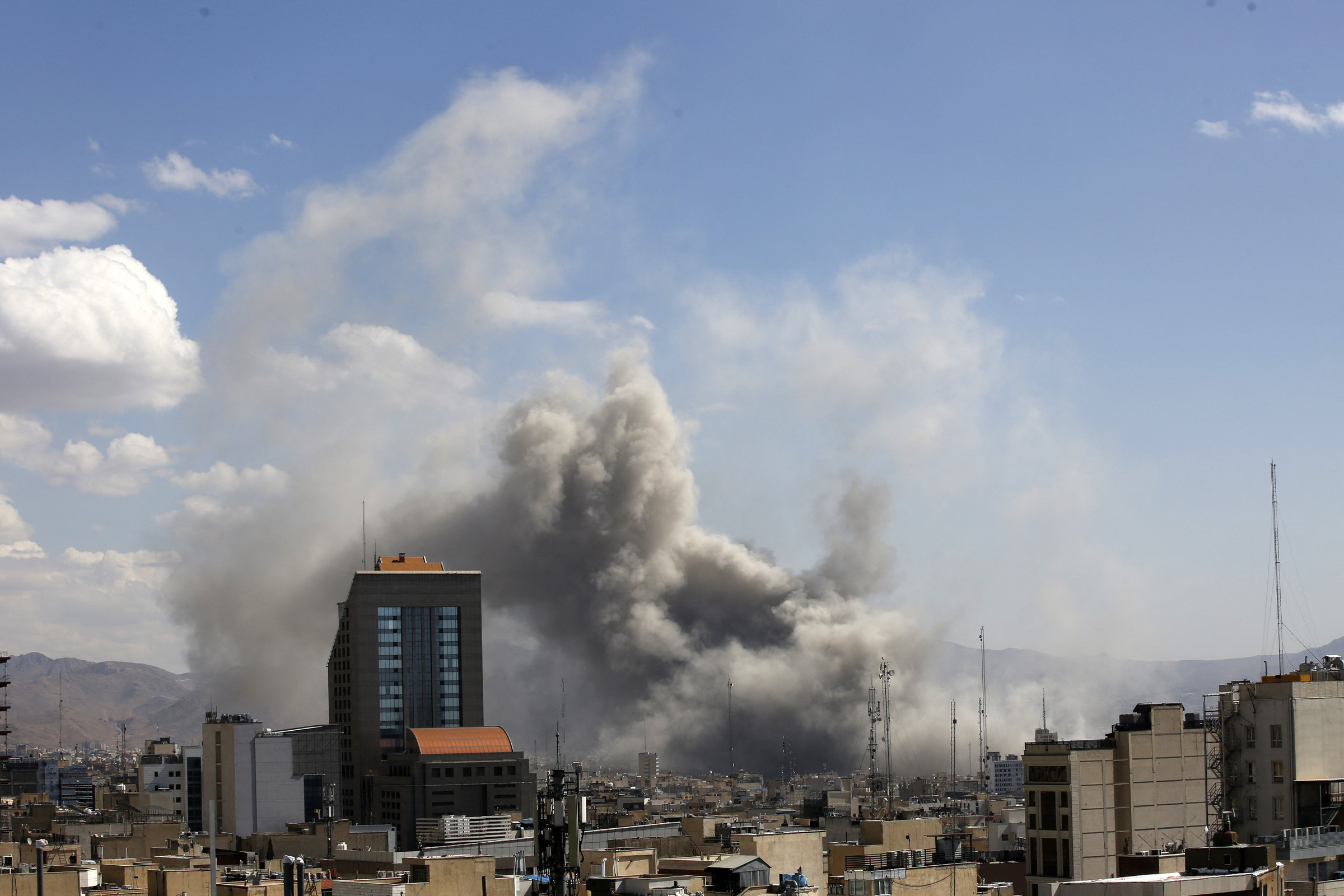 |
Smoke billows from an airstrike target in Tehran, Iran on 1/3. Photo: AFP |
President Trump's inconsistent comments made the war's developments more unpredictable, according to observers. A recent example is the tension surrounding an ultimatum he issued to Iran.
On the evening of march 21, the US President demanded Iran open the Strait of Hormuz within 48 hours, or face a complete shutdown of its national power grid, starting with its largest power plant. But just hours before the ultimatum expired, Trump raised the prospect of negotiations to end the conflict.
"They want to make a deal very much. We want to too", he told reporters on march 23. "We are doing a 5-day trial period. Let's see how it goes; if it's good, we will end up settling this. If not, we will continue bombing".
However, senior Iranian officials and the military stated they had no negotiations with the US, neither direct nor indirect. Trump later claimed his envoys were speaking with "a senior leader" in Iran, but no one in Tehran has confirmed this to date.
Thanh Tam (Source: CNN, Washington Post, AFP)