Rajesh Kumar Sinha, a senior official from India's Ministry of Ports, Shipping and Waterways, affirmed on 25/3 that Indian-flagged vessels are not stranded in the Persian Gulf region and "do not require permission" from Iran to transit the Strait of Hormuz. He emphasized that passage through the strait is governed by international maritime conventions, which guarantee freedom of navigation.
Sinha made the statement after two Indian-flagged vessels safely transited the Strait of Hormuz earlier this week, carrying liquefied petroleum gas (LPG) for the Indian market. The two vessels loaded over 92,000 tons of cargo from Kuwait and the United Arab Emirates, with an expected arrival at Indian ports between 26-28/3.
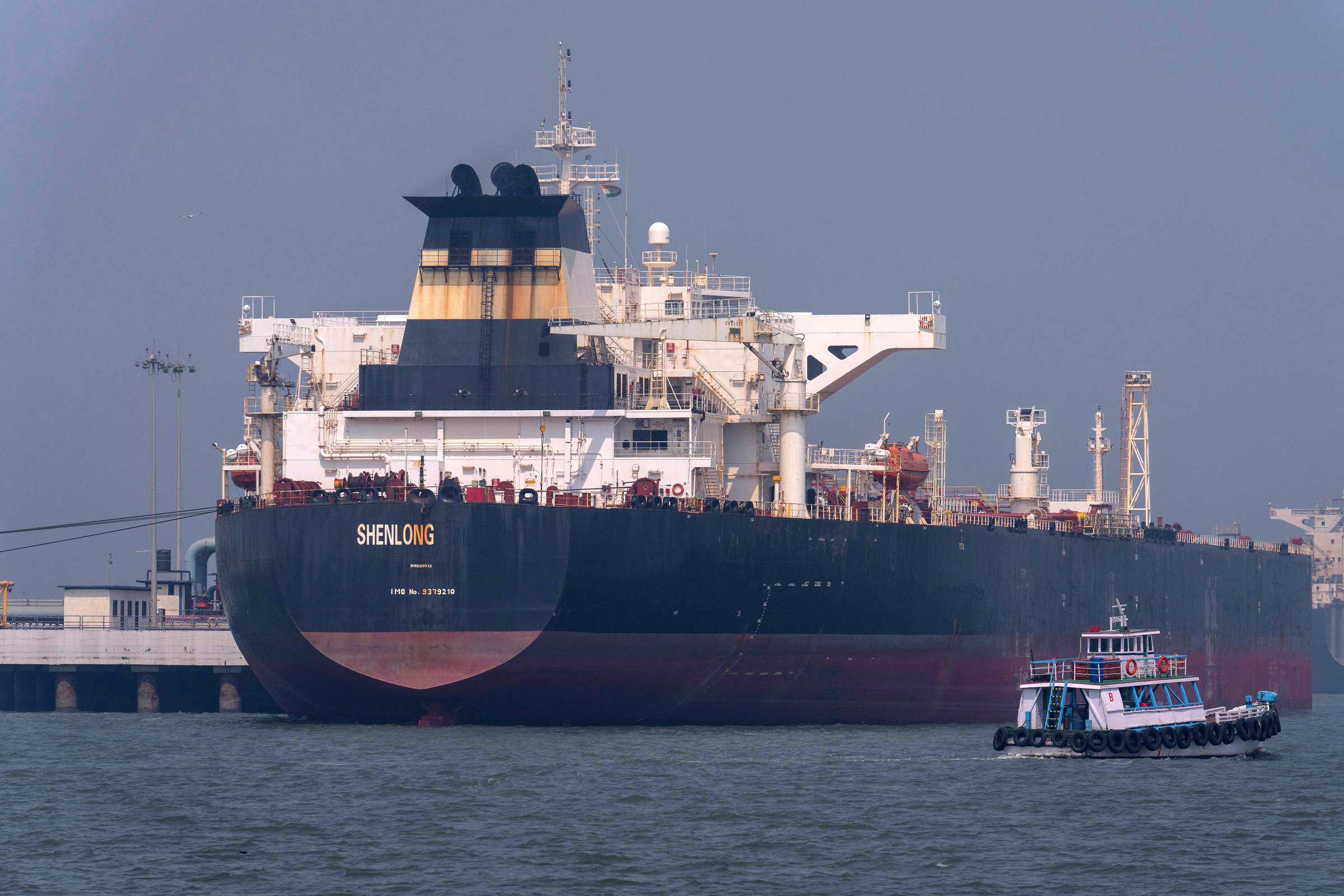 |
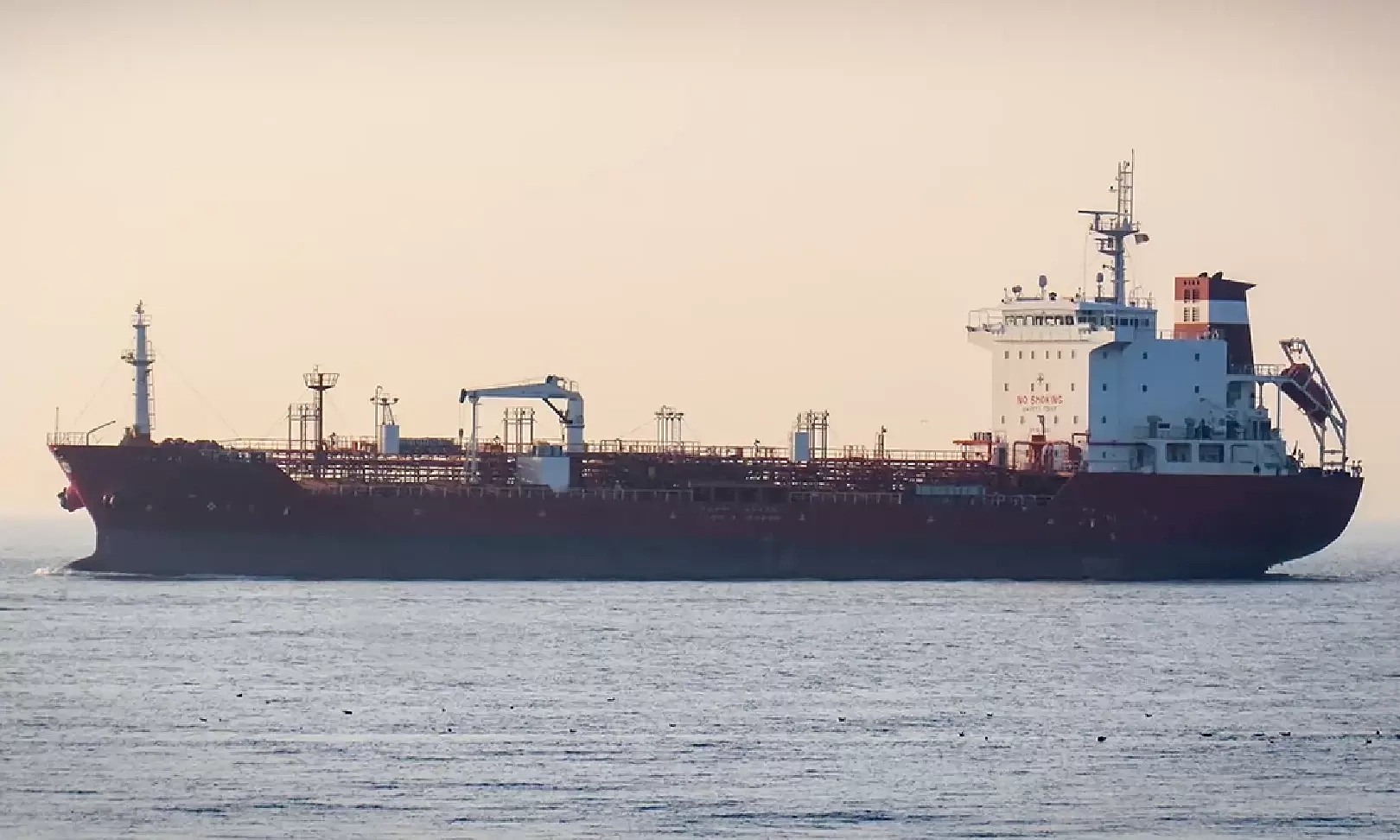
Shenlong Suezmax oil tanker arrives at Mumbai port in India after crossing the Strait of Hormuz on 12/3. Photo: AP
Reporters questioned Sinha on whether New Delhi had sought permission or paid Tehran for its ships to transit the Strait of Hormuz safely. The Iranian military has repeatedly warned that cargo ships from "non-hostile" countries wishing to pass through the area need to seek permission and strictly adhere to Tehran's instructions.
"The decision to transit the strait rests with the shipping company and the charterer," Sinha said. "In this specific context, they assessed the safety level before deciding. No permission is needed," he added, noting that Indian ships passing through Hormuz only need to adhere to the designated entry and exit lanes due to the narrowness of the strait.
Maritime operations through Hormuz were nearly paralyzed after the United States and Israel conducted airstrikes on Iran, which led to retaliatory attacks by Tehran targeting US and Israeli bases in the region. The conflict resulted in numerous ships being stranded and energy supplies disrupted.
Tracking data indicated that two Indian vessels on 23/3 moved through the waters between Iran's Larak and Qeshm islands, possibly allowing Iranian forces to verify their identity before proceeding through Hormuz.
These were two of the 22 Indian ships present in the Persian Gulf region before the conflict erupted. Currently, 20 Indian-flagged vessels remain in the conflict zone with approximately 540 crew members.
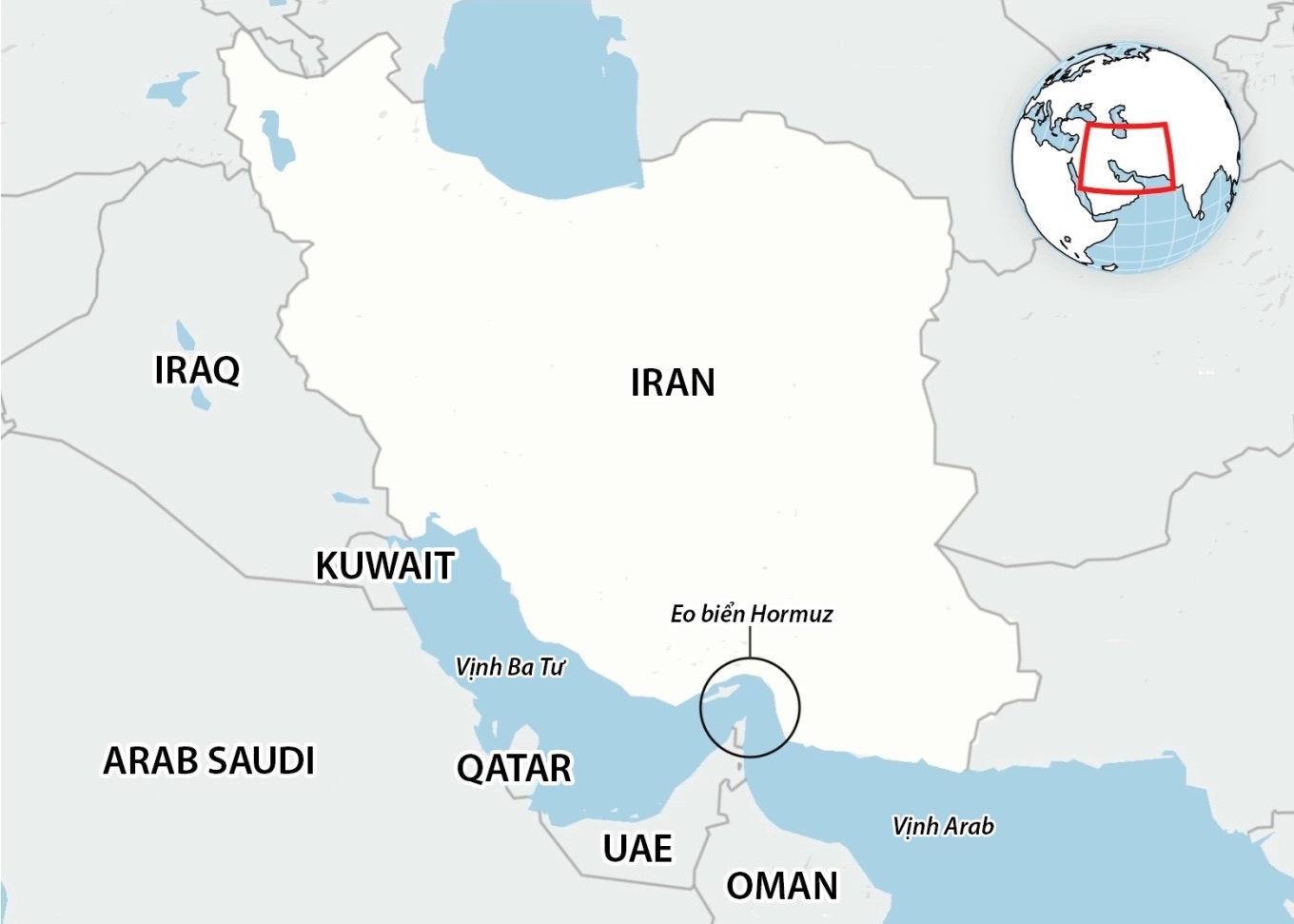 |
Location of the Strait of Hormuz. Graphic: Guardian
The Strait of Hormuz plays a pivotal role in global energy security. Approximately 20% of the world's oil supply is affected by disruptions here, while ship traffic has decreased by up to 95% compared to pre-conflict levels. After more than three weeks of conflict, Iran may be allowing some vessels to pass after verifying their origin, cargo, and ownership are not connected to the United States or its allies.
India currently relies heavily on this shipping route, importing approximately 88% of its crude oil, 50% of its natural gas, and 60% of its LPG through it. Before the conflict, more than half of the country's imported oil originated from Gulf nations and was transported via the Strait of Hormuz.
Mohammad Fathali, Iran's Ambassador to India, previously affirmed that Tehran considers New Delhi a "reliable partner," suggesting that India could play a substantial role in de-escalating tensions in the Middle East.
By Thanh Danh (According to Hindu, Reuters, TOI)