"Has the level of internal disagreement among you reached a point where you can negotiate with yourselves? Do not call your failures a deal," Fars news agency quoted Lieutenant General Ebrahim Zolfaghari, spokesperson for Iran's Khatam al-Anbiya Central Command, on 25/3.
General Zolfaghari added that oil prices or the old order would not return until "the will of the Iranian nation is realized."
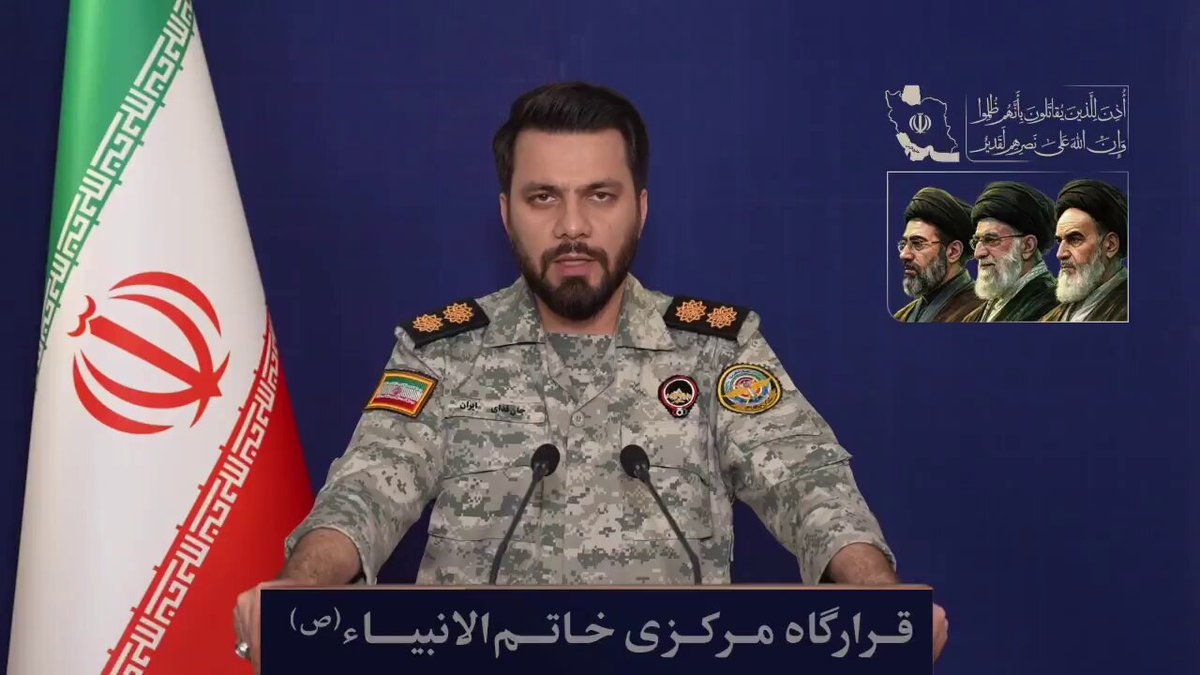 |
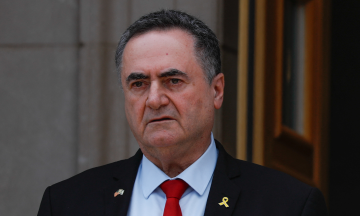
Ebrahim Zolfaghari, spokesperson for Iran's Khatam al-Anbiya Central Command. Photo: *JPost* |
"This will only happen when the thought of opposing the Iranian nation is completely eradicated from your minds. Our statement from the very first days has always been: People like us will never reconcile with people like you. Not now, and never," Mr. Zolfaghari emphasized.
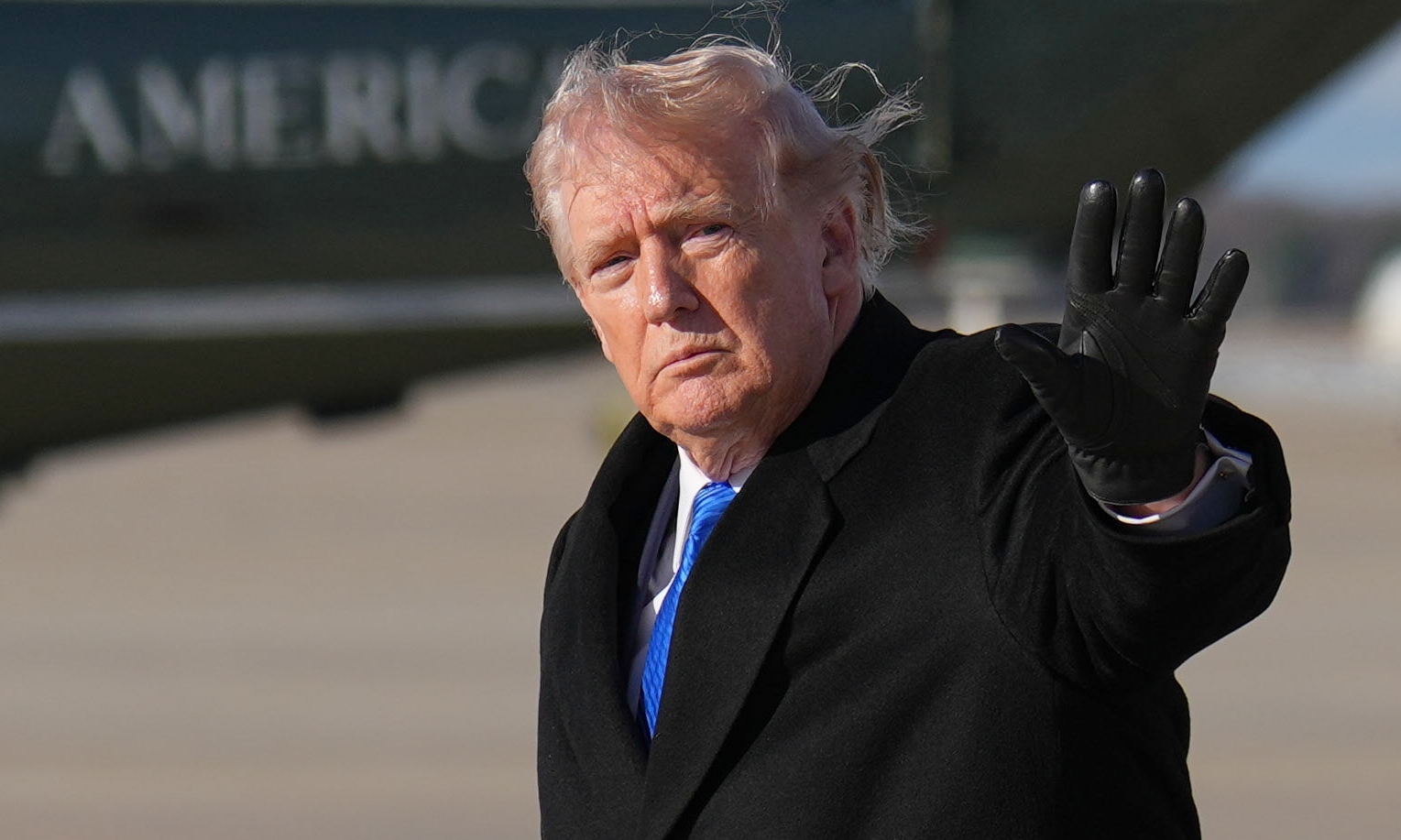
General Zolfaghari's statement was a response to US President Donald Trump's announcement that Iran "is very eager to reach a deal" and that Washington is "in dialogue with a senior leader" of Iran, without specifying who.
Mr. Trump remarked that Iran had "changed its regime" following the death of the late supreme leader Ali Khamenei and a series of top officials, as the current leaders in the country are "very different" from their predecessors.
The US leader also announced a five-day postponement of threats to attack power plants in Iran, while Washington holds dialogue with Tehran. Mr. Trump further implied that Iran had given the United States "a very big gift" related to oil and gas.
However, Mohammed Vall, Al Jazeera's Tehran-based correspondent, stated that Iranian officials he contacted denied reports of negotiations with the United States, affirming the country's stance remains unchanged. "The conflict is still ongoing, and no one is talking about diplomacy," Vall said.
Iran's Islamic Revolutionary Guard Corps (IRGC) announced on the same day that it had launched its 80th wave of missiles targeting Israel and US military bases in the region.
The IRGC reported attacking a military base in Safad, northern Israel, as well as facilities in the cities of Tel Aviv, Kiryat Shmona, and Bnei Brak. The force also targeted US military bases in Kuwait, Jordan, and Bahrain.
The US and Israeli airstrike campaign against Iran shows no signs of ending. In Tehran and cities like Isfahan, residents continue to hear numerous loud explosions.
The United States has not yet announced any specific negotiation plans with Iran, and no senior Iranian official has confirmed talks with the United States.
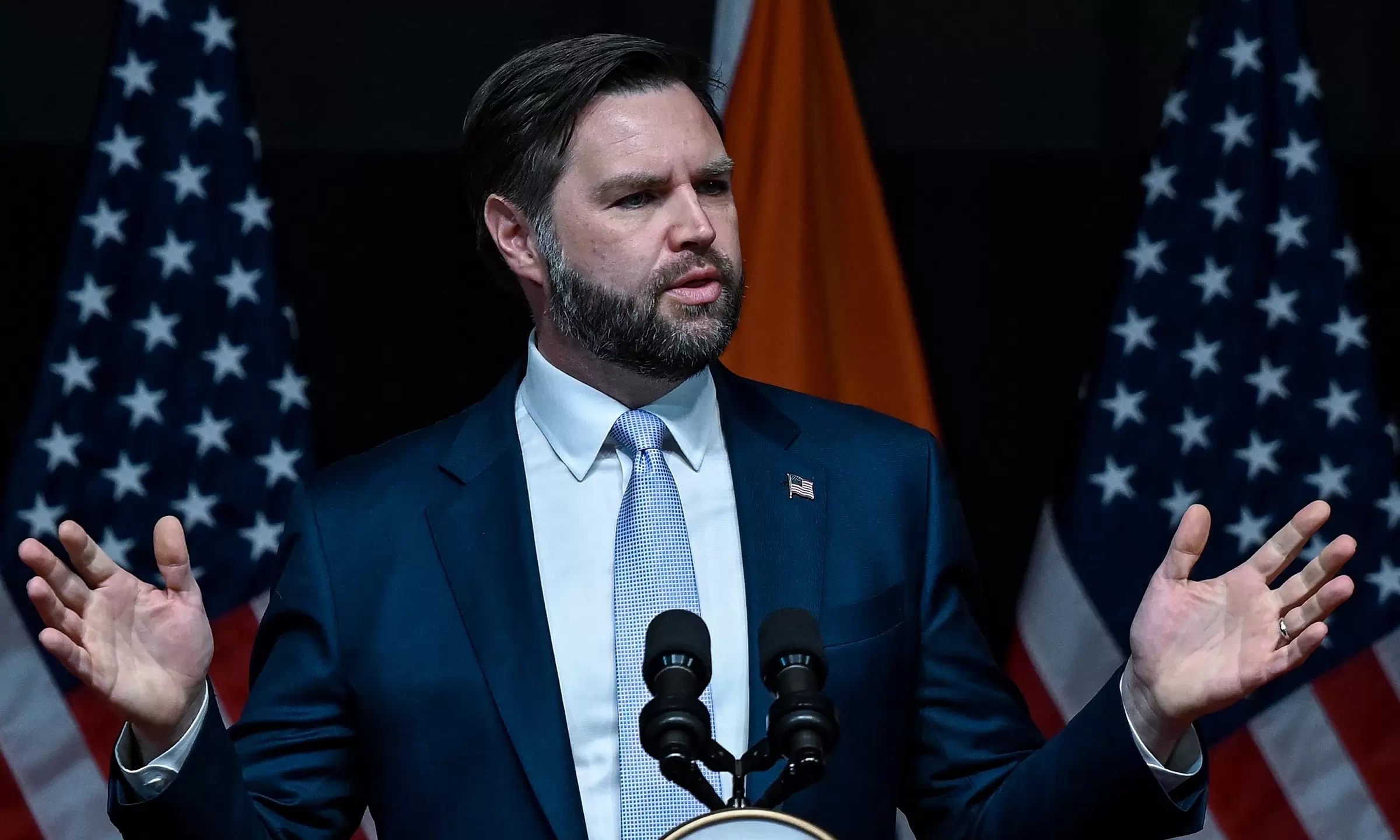
CNN reported on 24/3, citing two regional sources, that Iranian representatives informed President Trump's administration of their desire to resume negotiations with Vice President JD Vance, who is considered more amenable to ending the conflict. However, it is currently unclear who these individuals are or what roles they hold in Iran.
Masood Khan, former Pakistani ambassador to the United States and the United Nations, stated that beyond media reports and US leadership declarations, a "diplomatic off-ramp" is needed to de-escalate the conflict. Yet, in the current context, a significant trust deficit persists between the two sides, especially on Tehran's part, as the United States launched its current campaign while negotiating with Iran over its nuclear program.
Ngoc Anh (According to Al Jazeera, CNN, JPost)