Pakistan, acting as an intermediary, has reportedly delivered a 15-point ceasefire proposal from the US to Iran. While the US appears to be seeking an end to the conflict, Iran has not yet responded, and its senior officials deny any direct or indirect talks are underway.
Pakistani officials described the proposal as addressing various issues: easing sanctions, civil nuclear cooperation, narrowing Iran's nuclear program, International Atomic Energy Agency (IAEA) monitoring, limiting Iran's missile program, and the movement of vessels through the Strait of Hormuz. An Egyptian official involved in mediation efforts added that the proposal also includes provisions to restrict Iran's support for armed militias in the region.
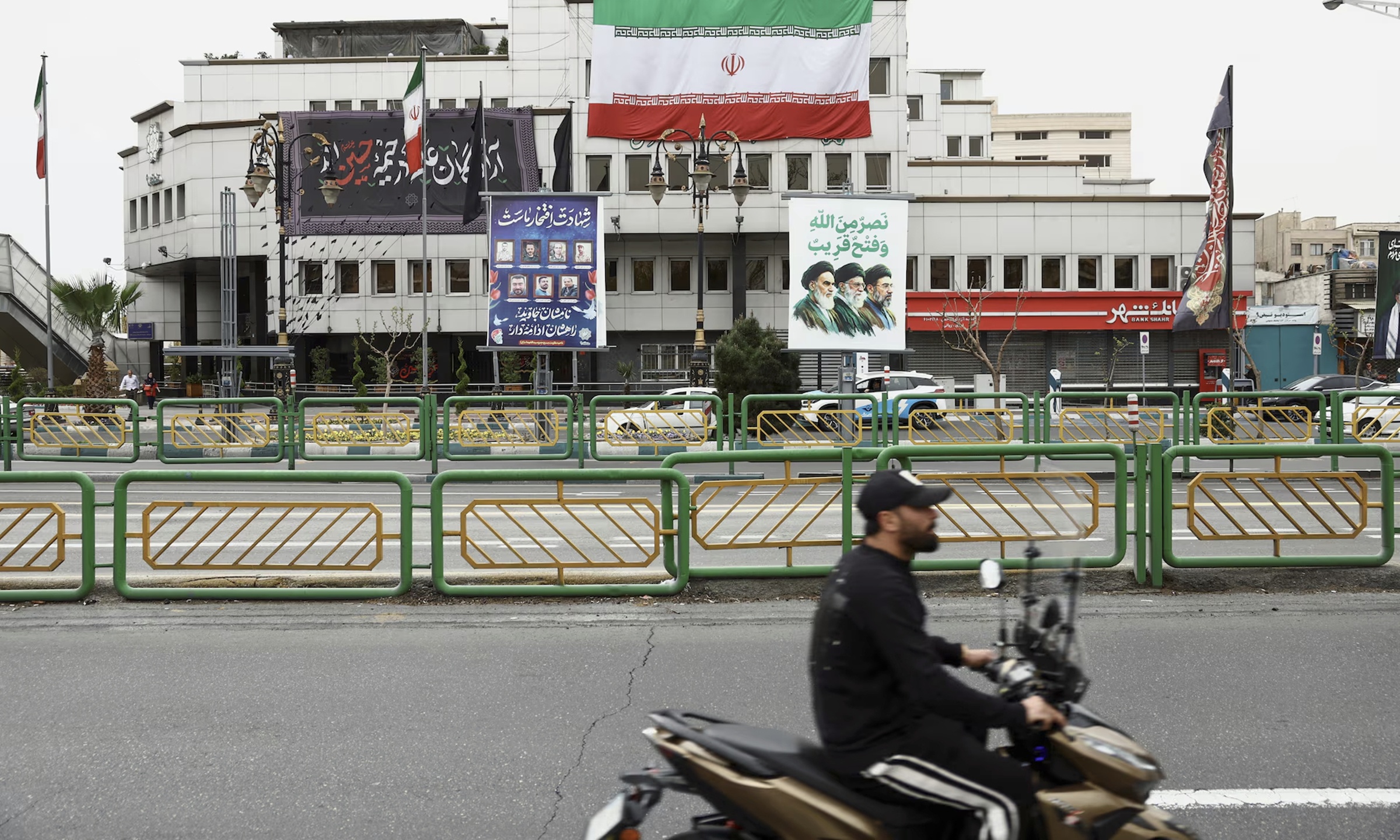 |
A street in Tehran, Iran, on 23/3. Photo: Reuters |
The administration of President Donald Trump sent this proposal to Iran via Pakistan's mediation. Pakistan, maintaining good relations with both Washington and Tehran, has previously offered to host new negotiations. Al Jazeera, citing sources familiar with the matter, also reported that Pakistan "transferred a document from the Trump administration to Iran" and is awaiting a response from Tehran.
There are also reports suggesting US and Iranian officials might meet in Islamabad in the coming days.
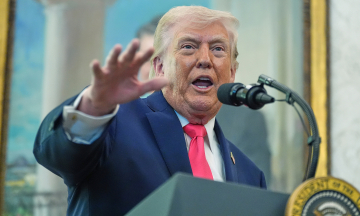
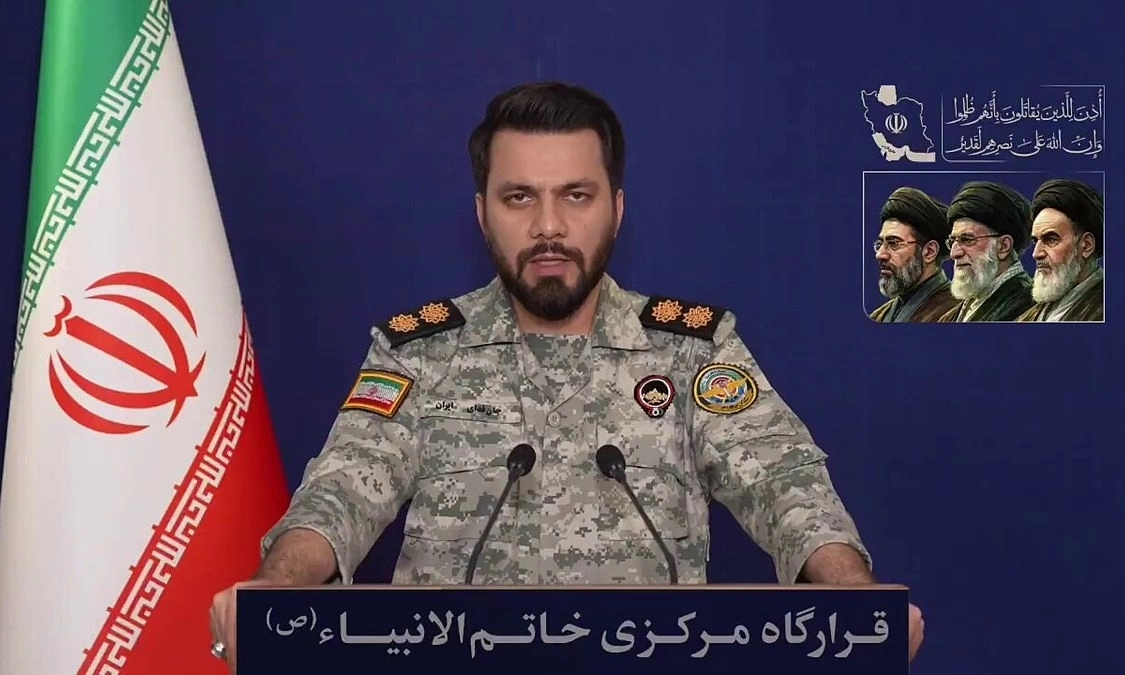
Iran has yet to comment on these statements. However, high-ranking Iranian officials have rejected information that Tehran is negotiating directly or indirectly with the US. The office of Iranian Foreign Minister Abbas Araghchi stated that he discussed the conflict with several international partners last week but not with the US. Iranian Parliament Speaker Mohammad Bagher Ghalibaf and the Iranian military also denied President Trump's statements about ongoing direct negotiations.
Experts believe any potential talks between the US and Iran would face significant challenges. Many US demands, particularly regarding Iran's ballistic missile and nuclear programs, are unlikely to be accepted by Tehran. Furthermore, it remains unclear who within the Iranian government has the authority or willingness to negotiate.
Amid reports of the US deploying 1,000 troops to the Middle East, Ghalibaf today warned Washington against testing Tehran's resolve to defend its territory. He wrote on X, "We are closely monitoring all US movements in the region, especially troop deployments. What generals have ruined, soldiers cannot salvage; instead, they will become victims of Israeli Prime Minister Benjamin Netanyahu's illusions."
In contrast, hinting at negotiation progress, President Trump said on 24/3 that Iran had "given a very big gift" of oil and gas to the US, a day after telling reporters that Tehran was very eager to reach an agreement to end the conflict.
By Vu Hoang, with reports from AP, Al Jazeera, and Reuters