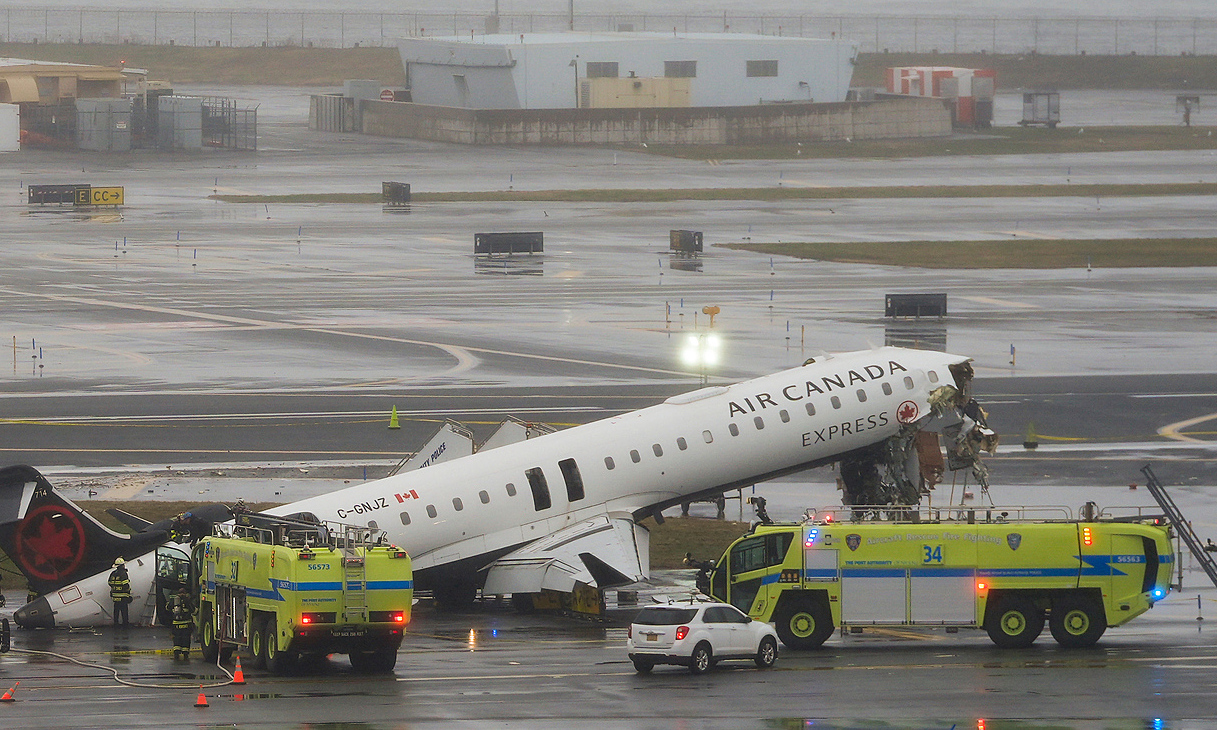
us president Donald Trump launched a coordinated campaign with Israel on 28/2, attacking Iran to eliminate a "proximate threat" posed by Tehran. Over three weeks of conflict, both sides continuously escalated actions, demonstrating a determination to fight until the end, causing global energy prices to surge.
However, on 23/3, the white house occupant surprised many by announcing that the us and Iran had engaged in "very good and effective" discussions to resolve tensions. On 24/3, he further declared that Iran had given the us a "very big gift" related to oil and gas, and Washington believed it was negotiating with the "right people".
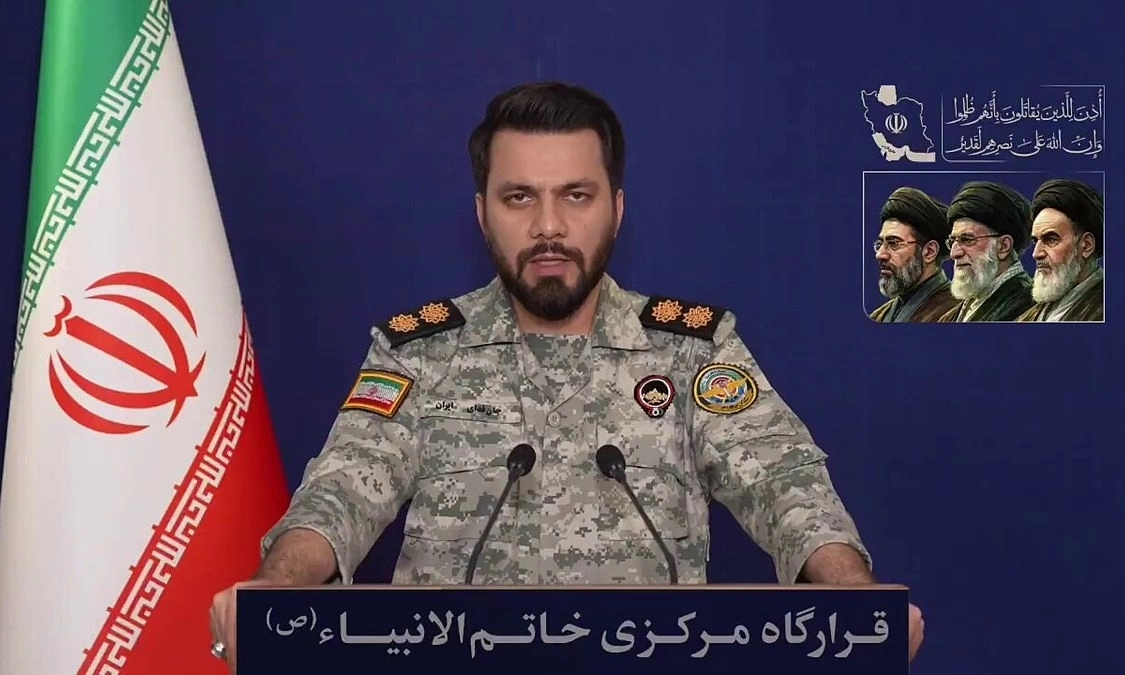
Iran's military and leaders have denied these claims, asserting they have no formal negotiations with the us. Nevertheless, president Trump stated that his envoys were communicating with a "senior official" in Iran but declined to reveal their identity.
Observers suggest that president Trump made these statements as he increasingly felt the long-term impact of the conflict on the us and global economies, prompting him to act.
"Mr. Trump appears to be actively seeking an exit strategy for the war," noted the Soufan Center, a new york-based policy institute.
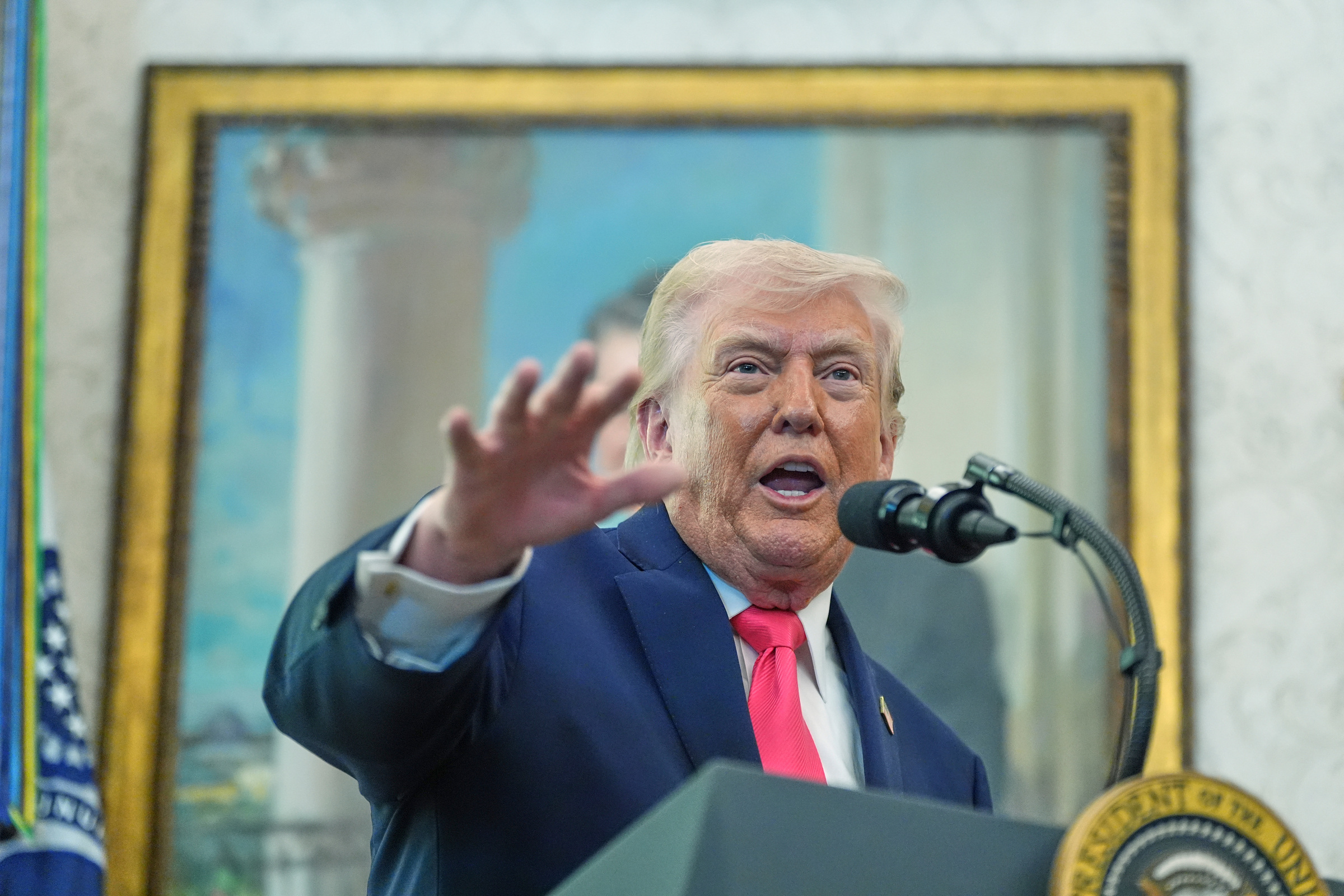 |
President Donald Trump speaks at the white house on 24/3. Photo: AP
Domestic pressure
Unlike the conflict in june 2025, Iran's response this time was more intense, targeting not only Israel but also gulf countries with us interests. Tehran also blockaded the strait of hormuz, a shipping lane for about 20% of the world's oil and gas supply, leading to a sharp increase in energy prices.
Petrochemical product prices also rose, gradually spreading to other sectors of the global economy, causing inflation to increase and global growth to slow. The International Energy Agency (IEA) described the current situation as the worst global energy disruption in history.
The us was not an exception, despite its capacity to produce enough oil to sustain its economy. The American Automobile Association reported that the price of gasoline per gallon in the country increased by more than one USD, equivalent to 36%, from 20/2 to 20/3, marking the highest monthly increase in the past 30 years.
Rising fuel prices risk reigniting inflation, affecting the cost of living—an issue president Trump had vowed to address thoroughly during his campaign. This situation is creating a political burden for president Trump and the republican party in the november midterm congressional elections, drawing voter attention to his promises of not involving the us in "endless wars" and controlling inflation.
Beyond easing political pressure, de-escalation aligns with another of president Trump's priorities: reassuring markets rattled by mutual threats.
On 21/3, the white house occupant issued a "48-hour ultimatum" for Iran to open Hormuz, threatening us airstrikes on all its power plants otherwise. However, Tehran did not yield, threatening to retaliate by attacking all power plants in the region.
Iran's threat pushed the gulf into an existential risk and caused oil prices to soar, creating global panic.
Early on 23/3, just before financial markets began trading, president Trump posted an announcement on the Truth Social network about canceling plans to bomb Iran's power grid. Markets immediately reacted positively to this news, and global oil prices fell sharply.
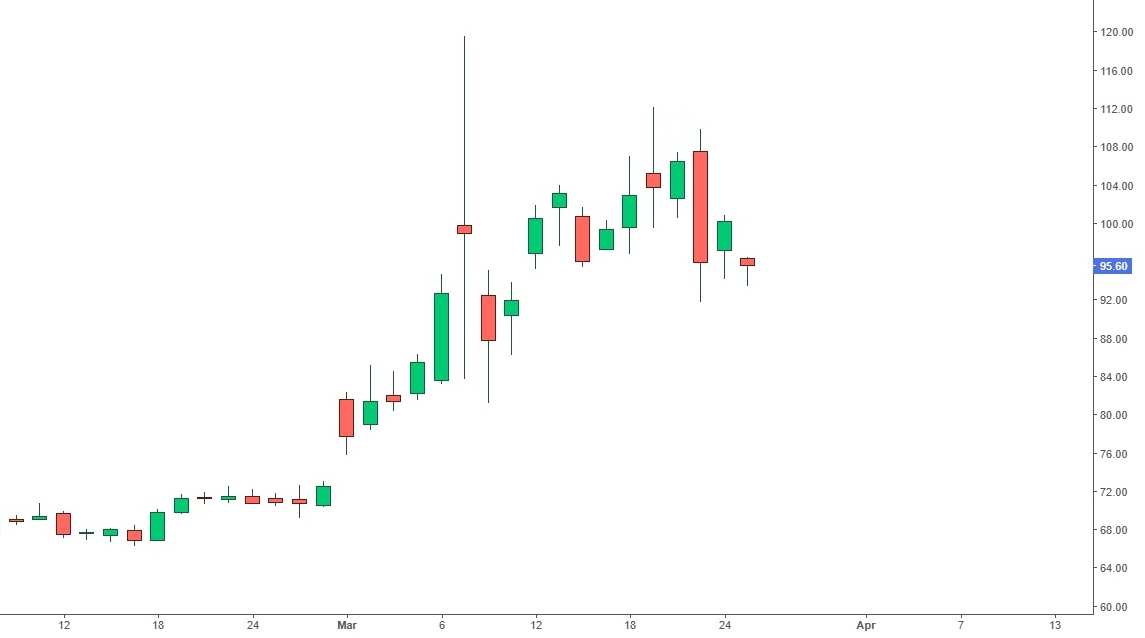 |
Brent crude oil price trends, in USD per barrel, in recent days. Graphic: Investing
The five-day halt to airstrikes issued by president Trump, which ended on 27/3, coincided with the closing of the CME Group Energy Market, the world's largest and most liquid energy derivatives exchange.
"When markets open each week, Mr. Trump often makes such statements to cool oil prices," Mohammad Marandi, a professor at the University of Tehran, said in a 24/3 interview with Al Mayadeen.
"Mr. Trump needs a way to back away from a threat that could push the conflict past a new dangerous threshold of targeting civilian energy infrastructure, which could be considered a war crime," stated Dana Stroul, former us deputy assistant secretary of defense for middle east policy.
Pressure from allies and partners
After more than three weeks witnessing the severe economic consequences of the Iran conflict on the global economy, many countries began mediation efforts to end the conflict, from Pakistan to middle eastern nations such as Oman, Qatar, and Turkey.
Knowledgeable sources indicated that Pakistan's army chief Asim Munir discussed the situation in Iran during a phone call with Mr. Trump on 22/3, stating Islamabad's readiness to mediate. Indian prime minister Narendra Modi declared support for peace when discussing the strait of hormuz with the white house occupant.
Partners in the gulf fear that lasting damage to Iran's infrastructure would lead to severe instability in the country after the conflict, according to informed sources.
Meanwhile, european allies believe that a prolonged conflict with Iran would diminish western resources supporting Ukraine, as the war between Ukraine and Russia entered its fifth year.
"We all clearly feel the impact of gas and crude oil prices on businesses and society," said European Commission president Ursula von der Leyen. "The most important thing now is to reach a negotiated solution to end hostilities in the middle east."
Some allies warned that the middle east conflict risks further expansion, as Saudi Arabia and the United Arab Emirates (UAE) declared readiness to retaliate against Iran. With multiple parties involved, negotiations are not just a bilateral us-iran issue but also a tool for Mr. Trump to control the situation.
"This is great for the middle eastern countries, Saudi Arabia, UAE, Qatar, all of them, especially Kuwait and Bahrain," Mr. Trump said regarding the negotiation efforts.
Notably, Mr. Trump's announcement also indicated that a "diplomatic window" is opening from Iran's side, albeit a very fragile one.
"They are talking to us and talking reasonably, starting with them not being allowed to possess nuclear weapons," president Trump said. "While the situation is quite complex, we are contacting the right people, and they truly want to reach an agreement."
It remains unclear who Iran's negotiating representatives are, while the us side still includes familiar names like middle east envoy Steve Witkoff and Jared Kushner, Mr. Trump's son-in-law. Axios, citing informed sources, reported that the us and a group of regional mediators are discussing the possibility of high-level negotiations with Iran and are awaiting Tehran's response.
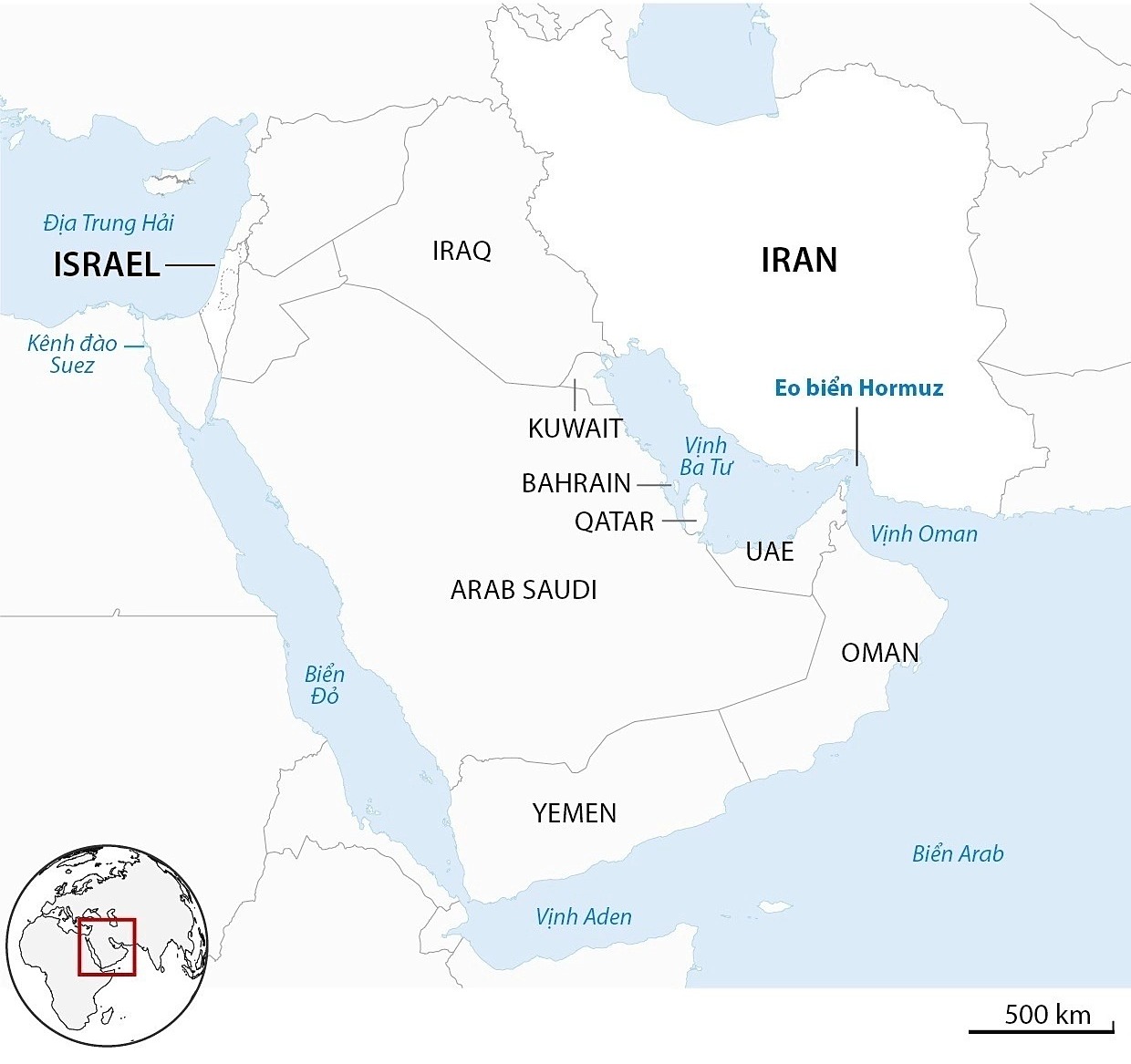 |
Positions of middle eastern countries and the strait of hormuz. Graphic: Guardian
Challenges
Initial signs suggest Iran may not have initiated the negotiations as Mr. Trump claimed. "Iran's supreme leader has not agreed to any talks with the us, and no one is negotiating right now," professor Marandi stated. "Any statements to the contrary are unreasonable and untrue."
Israeli and us media reported that Washington is seeking a one-month ceasefire with Tehran to allow both sides to negotiate a 15-point peace plan draft. However, Iranian officials did not confirm that Tehran is negotiating with Washington, considering us proposals "unreliable."
A senior Iranian official told Reuters that Pakistan had presented us ceasefire proposals to Iran, but Tehran had not put forth any negotiation plans.
Observers suggest that even if negotiations are held, the process will be difficult, and there is no guarantee that the parties can trust each other enough to reach an agreement ending hostilities.
"We have had very bad experiences with us diplomacy," said Esmail Baghaei, spokesperson for Iran's Ministry of Foreign Affairs. "We were attacked two times within nine months, while still in negotiations to resolve the nuclear issue. That was a diplomatic betrayal."
Meanwhile, Israel declared it would continue its airstrikes on Iran parallel to efforts to find an agreement between Washington and Tehran. Prime minister Benjamin Netanyahu instructed his close advisor Ron Dermer to monitor all us-iran negotiations to ensure Israel's interests are protected.
The Soufan Center suggested that Mr. Trump might be stalling for time, awaiting the arrival of thousands of us marines in the region. This move also raises concerns that the us could seize Kharg island, Iran's oil export gateway in the persian gulf, or launch a ground operation to eliminate Tehran's enriched uranium stockpile. Both scenarios represent severe escalations, prolonging the conflict.
By Nhu Tam (According to AFP, Reuters, Washington Post)