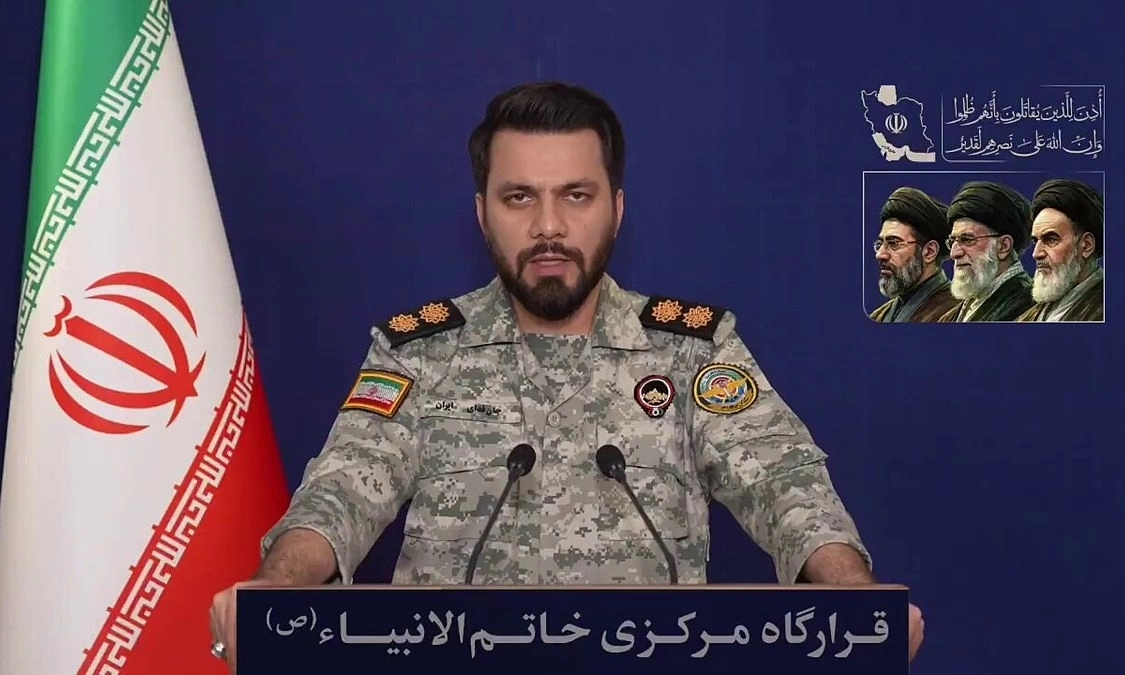
Press TV, Iran's state-run English-language news channel, quoted the official as stating that any ceasefire would only proceed under terms and timelines set by Iran. The official added that Tehran would not allow President Donald Trump to dictate when the conflict concludes.
"Iran will end the war when we decide and when our own conditions are met," the official stated, describing the US proposals as "excessive." The official also accused the United States of lacking genuine intent for dialogue with Iran, asserting that the current offer for negotiations was merely a ploy to escalate tensions.
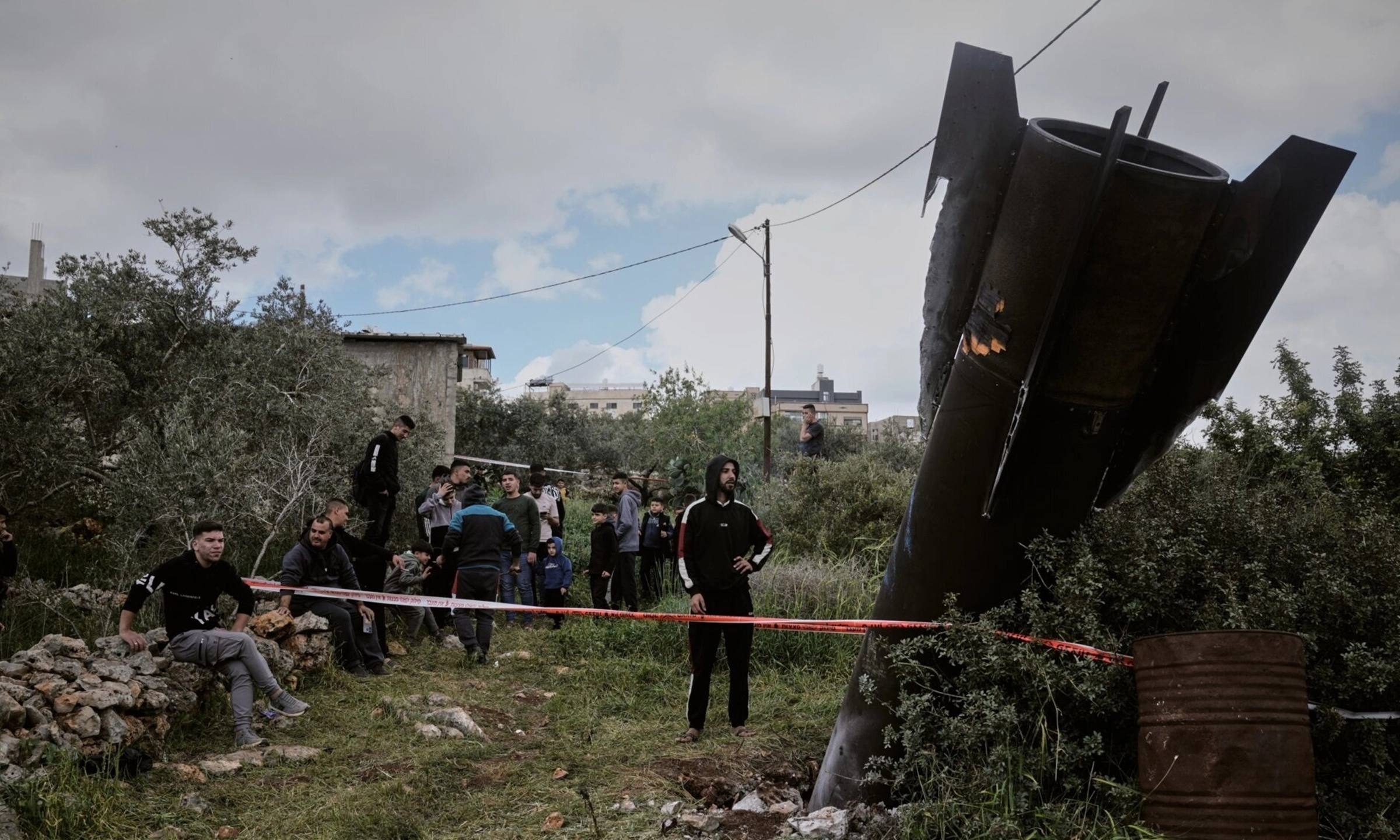 |
People in the West Bank area, Israel, standing next to a piece of an Iranian missile on 24/3. Photo: AP |
Iran's Fars news agency, citing a source familiar with diplomatic activities, also reported that Tehran would not accept a ceasefire without achieving its strategic objectives. "A well-informed source pointed to the enemy's failure to achieve its goals, stating: 'Iran does not accept a ceasefire. Fundamentally, engaging in such a process with those who have violated agreements is illogical'," Fars reported.
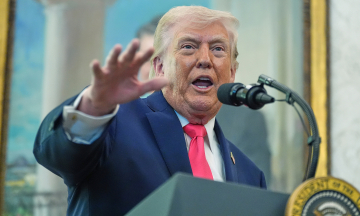
On 23/3, US President Donald Trump stated that both the United States and Iran were seeking "to reach a deal." According to him, US envoys Steve Witkoff and Jared Kushner had participated in discussions that Trump claimed were initiated by Iran. However, he did not disclose with whom the US was negotiating in Iran.
Sources indicate that a 15-point ceasefire proposal from the US was conveyed to Iran via Pakistan. The proposal reportedly addresses various issues, including: easing sanctions, civil nuclear cooperation, reducing Iran's nuclear program, oversight by the International Atomic Energy Agency (IAEA), demands to limit Iran's missile program, and the movement of vessels through the Hormuz Strait.
On 25/3, CNN quoted two senior US officials familiar with the matter, who stated that the Trump administration was working to arrange a meeting in Pakistan this weekend with Iranian representatives to discuss a resolution for the conflict.
Current plans suggest that Vice President JD Vance and potentially other senior administration officials would travel to Pakistan. However, officials noted that the timing of the trip, its location, and the list of attendees remained unconfirmed.
To date, senior Iranian officials have continued to deny reports that Tehran is engaged in direct or indirect negotiations with the United States.
By Vu Hoang (CNN, Guardian, AFP)