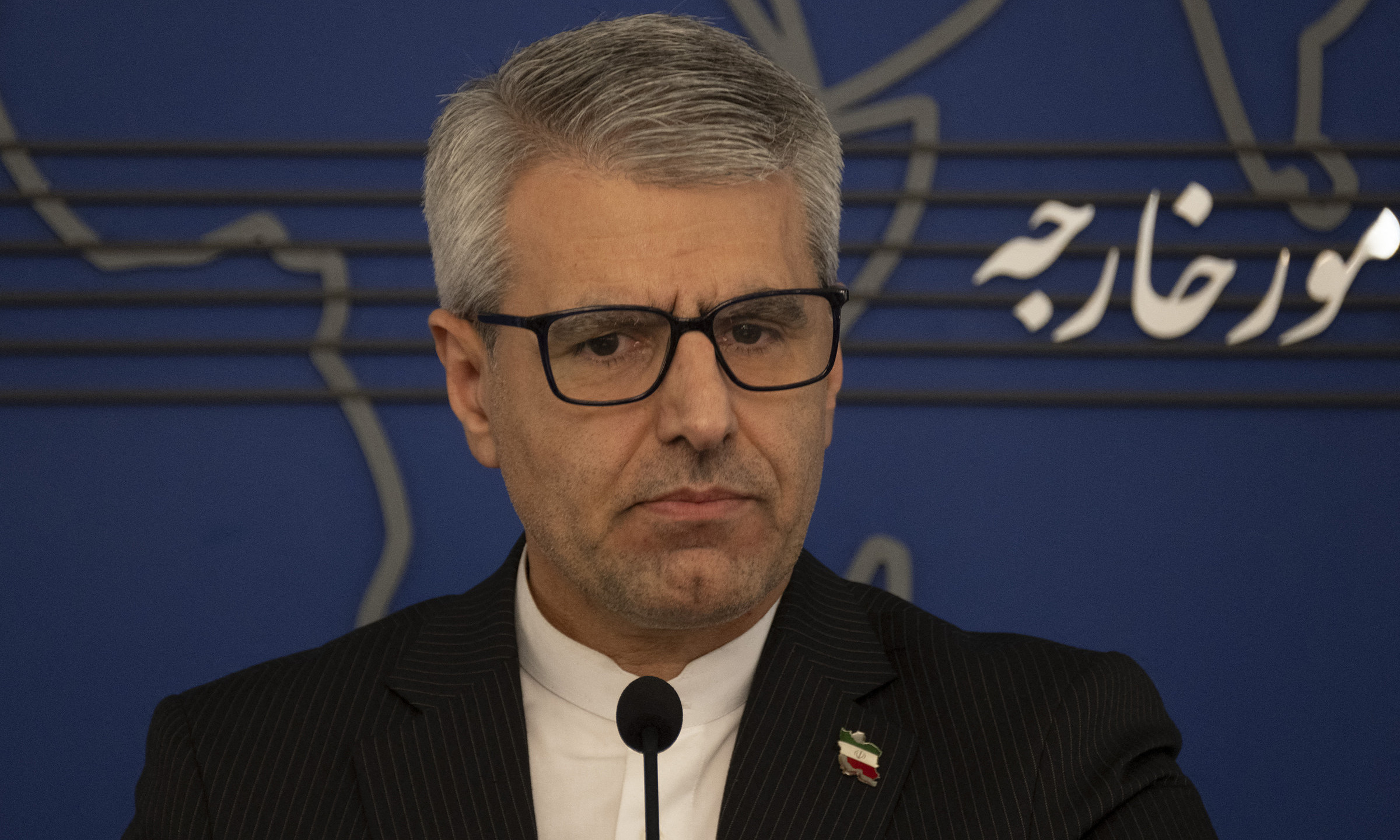
"The US speaks of agreements and negotiations on one hand, while on the other, it carries out malicious actions," Major General Ali Abdollahi, commander of Iran's Khatam al-Anbiya Central Command, stated on 11/6.
General Abdollahi made the statement after US President Donald Trump threatened to "hit Iran hard" and seize Kharg Island. However, hours later, Trump announced he "canceled air strike plans" and claimed a peace deal "has been presented to Iran's highest leadership and has been approved."
Meanwhile, Iran's Foreign Ministry spokesperson Esmaeil Baqaei clarified that the country's leadership has not made a final decision on any draft agreement with the US. He emphasized that all information regarding a deal at this stage is mere speculation.
"The inconsistency between US actions and words is the main cause of insecurity in the region, hindering international trade, especially in the Strait of Hormuz," declared General Abdollahi, known for his hardline views in Iran.
Ebrahim Rezaei, spokesperson for Iran's National Security and Foreign Policy Committee of the Parliament, also expressed skepticism on 12/6 about Trump's statement of a "deal about to be reached." He urged Tehran to maintain high vigilance.
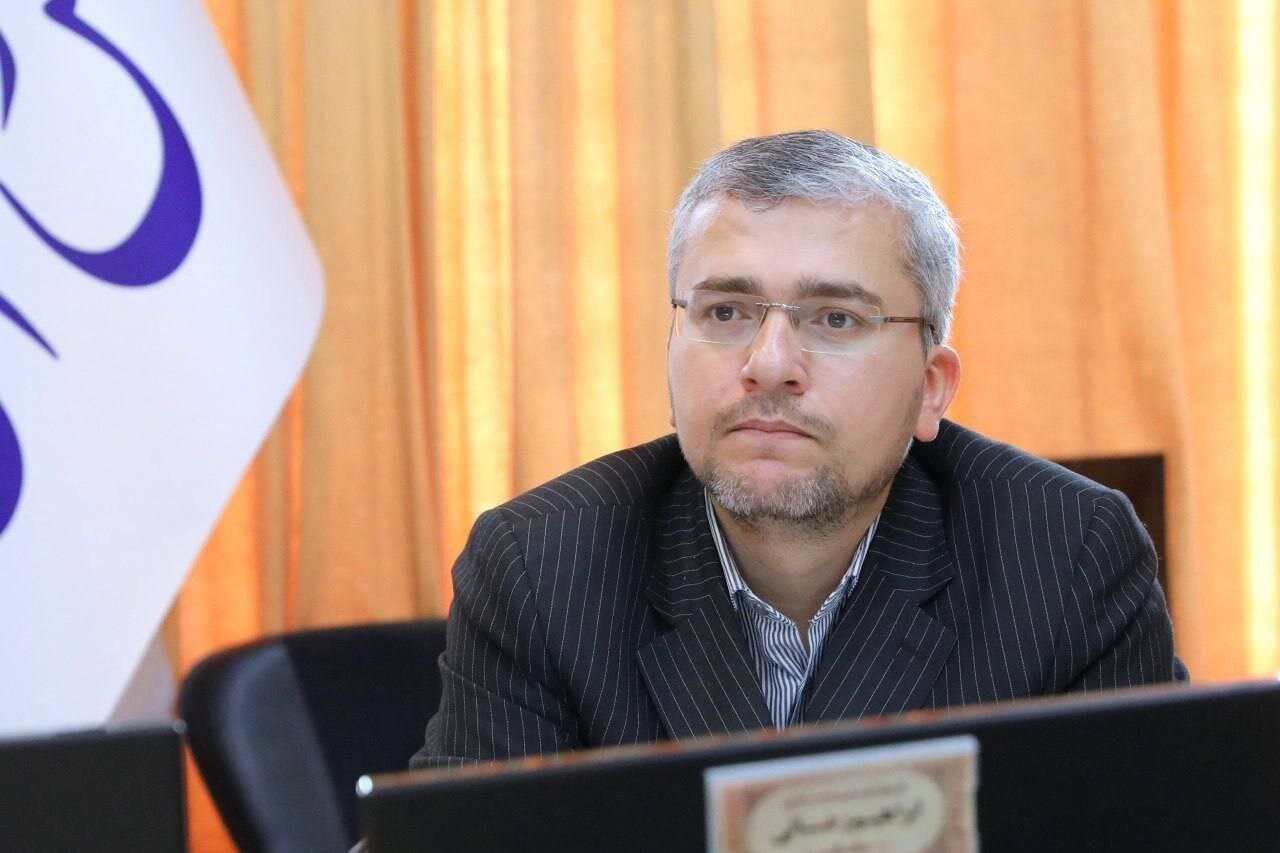 |
Ebrahim Rezaei, spokesperson for Iran's National Security and Foreign Policy Committee of the Parliament, speaking to the press in 7/2025. Photo: Tehran Times
"It is likely that Trump's announcement of a 'great deal' is just a smoke screen," Rezaei wrote on X. "He actually just wants to keep the situation calm right now."
He called on Iran to continue increasing military pressure instead of de-escalating tensions. He warned that if the US targets Kharg Island, "no one will return alive."
"We need to hit harder, destroying enemy infrastructure, economic centers, and artificial intelligence capabilities in the region, forcing them to feel more pain," the conservative Iranian lawmaker stated.
Rezaei is a member of Jebhe-ye Paydari (Endurance Front), a hardline conservative movement in Iran that consistently doubts the US's goodwill in negotiations. Throughout exchanges mediated by Qatar and Pakistan, the Jebhe-ye Paydari faction has maintained that negotiating with Washington means conceding to the opponent.
Conversely, Trump explained on 11/6 that he canceled air strike plans because he received signals that Tehran's leadership approved a draft agreement. This agreement involved extending a ceasefire, reopening the Strait of Hormuz, and initiating 60 days of negotiations on Iran's nuclear program.
The US President stated that all relevant parties had approved the main points of the memorandum. These parties included: the US, Israel, Saudi Arabia, the United Arab Emirates (UAE), Qatar, Turkey, Pakistan, Bahrain, Kuwait, Jordan, and Egypt. However, information from Iran suggests the deal is not as complete as Trump claimed.
Fars news agency, an entity linked to Iran's Islamic Revolutionary Guard Corps (IRGC), quoted a source close to the negotiating team. The source asserted that no preliminary memorandum of understanding with the US had been approved.
According to Axios, negotiations between Iranian Foreign Minister Abbas Araghchi and Qatari envoy Ali Al-Thawadi in Tehran on 10-11/6 helped narrow differences on three main issues: the mechanism for disbursing Iran's frozen assets, the reopening of the Strait of Hormuz during the 60-day ceasefire, and the framework for nuclear negotiations during this period.
Nevertheless, sources indicate the draft still awaits final approval by Supreme Leader Mojtaba Khamenei before any agreement can be signed.
Thanh Danh (According to CNN, Axios)