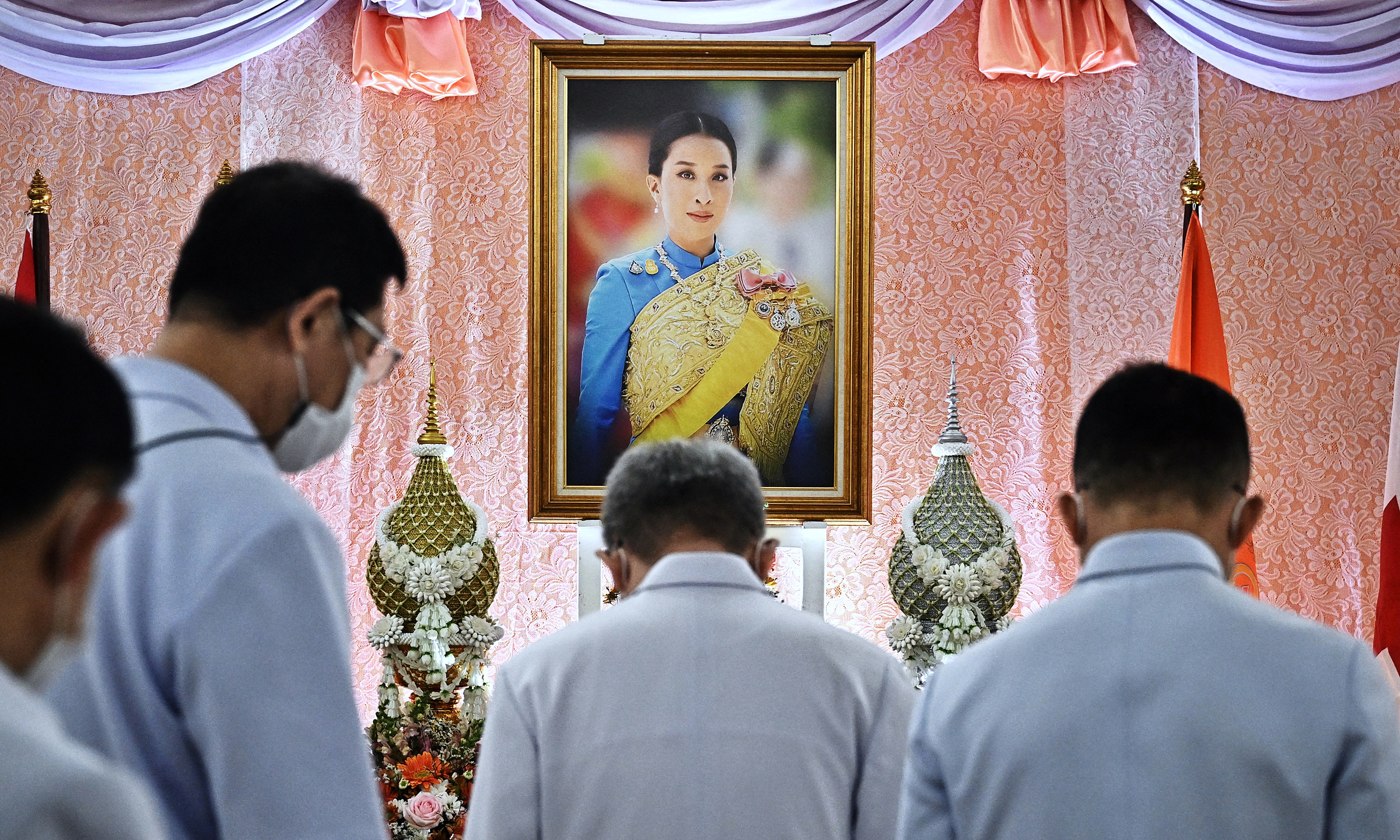
The Thai Royal Family announced that Princess Bajrakitiyabha, 47, passed away at 19:48 on 11/6 at Chulalongkorn Hospital in Bangkok. Her death followed more than three years in a coma after suffering a stroke in December 2022.
The Royal Family stated that the medical team had applied the most intensive treatment and care possible, but her condition continued to worsen due to complications from an abdominal infection.
On 12/6, the Thai government began discussing commemorative activities for Princess Bajrakitiyabha. Prime Minister Anutin Charnvirakul praised her as "a princess of boundless compassion". Anutin urged the Thai people to express their sorrow for Princess Bajrakitiyabha by spreading kindness and tolerance to those around them, helping those in need, and contributing to the common good of society.
"These are the values the Princess upheld and practiced throughout her life. We must follow them, seeing it as a way to share with the King and all members of the Royal Family during this painful time," the Thai Prime Minister stated on national television.
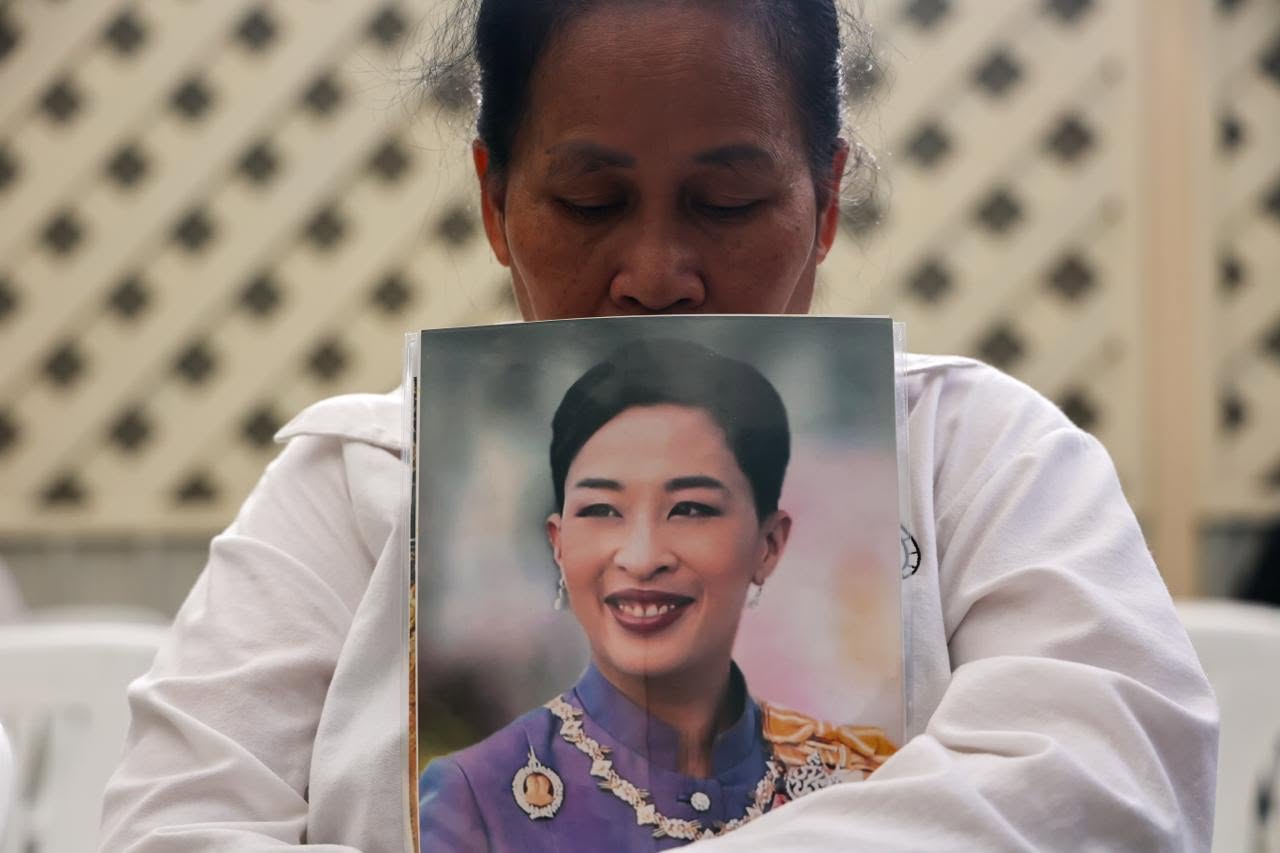 |
Thai people holding a portrait of Princess Bajrakitiyabha. Photo: Facebook/Nation
Princess Bajrakitiyabha was the eldest of King Maha Vajiralongkorn's 7 children and his only child with his first wife, Princess Soamsawali. Thai media recognized her as one of the most prominent members of the Royal Family, distinguished by her excellent academic background, accomplished career, and influential social activities across various fields.
Born on 7/12/1978 in Bangkok, Princess Bajrakitiyabha attended Rajini School before studying at Heathfield in England. After returning to Thailand and completing her secondary education at Chitralada School, she pursued a law degree at Thammasat University. She also earned a bachelor's degree in political science from Sukhothai Thammathirat University with outstanding academic results.
The Princess's academic journey continued in the US. She earned master's and doctoral degrees in law from Cornell University, one of the most prestigious institutions. In 2004, she became a certified lawyer by the Lawyers Council of Thailand.
 |
Princess Bajrakitiyabha in 2002 while studying at Cornell University, US. Photo: Bangkok Post
Unlike many royal family members who primarily held ceremonial roles, Princess Bajrakitiyabha built a career in the justice sector. Upon her return, she joined the Office of the Attorney General of Thailand, successively holding positions as assistant prosecutor, provincial chief prosecutor, and professional prosecutor. Her expertise and practical experience led Thai media and legal circles to call her the "Princess of Law".
During her time in the justice system, she focused on the rights of women and children in detention. In 2006, she initiated the Kamlangjai project, which supported female prisoners, pregnant women in detention, and children living with incarcerated mothers. The program provided essential goods, medical services, psychological support, and vocational training to help these vulnerable individuals reintegrate into society.
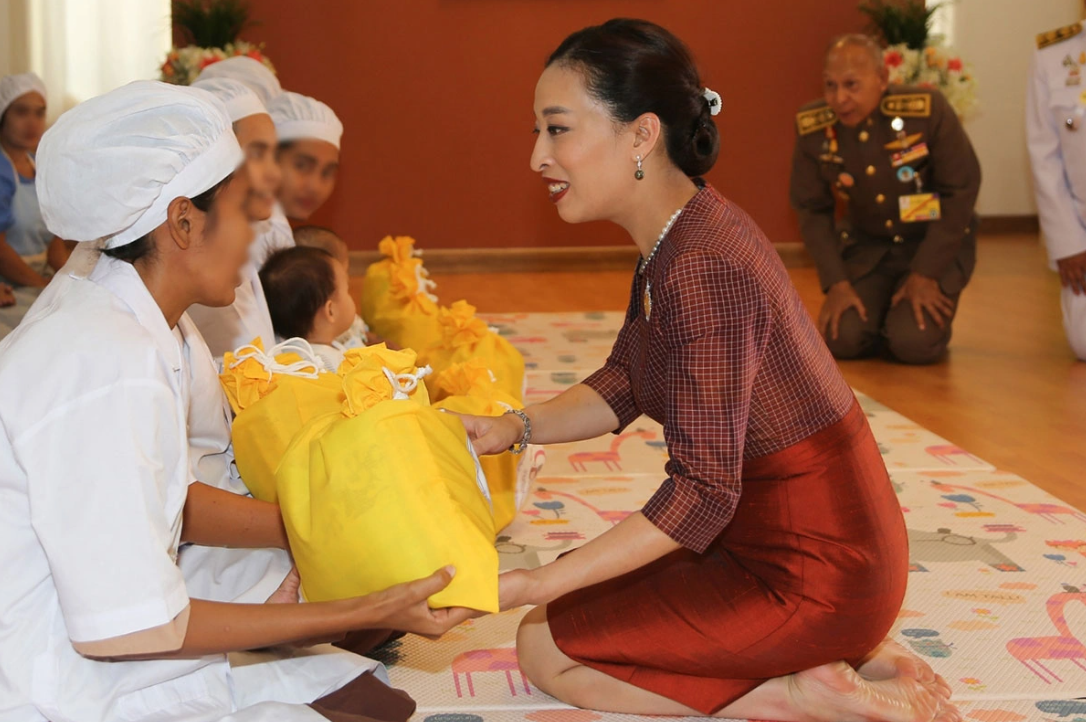 |
Princess Bajrakitiyabha presenting gifts to female inmates at Nakhon Si Thammarat Central Prison. Photo: Bangkok Post
Building on the success of this project, she further developed initiatives to improve the quality of life for female inmates, aiming to enhance detention conditions and protect women's rights within the criminal justice system. Her efforts were recognized internationally and helped promote the United Nations' adoption of the Bangkok Rules in 2010, which concern the treatment of female prisoners and non-custodial measures for women offenders.
In 2012, she was appointed Thailand's ambassador to the United Nations Commission on Crime Prevention and Criminal Justice in Vienna, Austria. She later served as ambassador to Austria, Slovakia, and Slovenia before returning to work in the Thai justice sector.
Princess Bajrakitiyabha was also active in social work. She served as president of the Friends in Deed Volunteer Foundation, under the Thai Red Cross Society, which assists people affected by natural disasters. She also established a foundation for career guidance, skill training, and support for disadvantaged individuals, targeting former prisoners needing social reintegration.
In education, she sponsored the Bajrakitiyabha Scholarship Fund for outstanding law students wishing to pursue master's degrees in law at Cornell Law School in the US. The program's goal is to train legal professionals who can contribute to Thailand's future development.
Due to her notable contributions, Princess Bajrakitiyabha received recognition from many international organizations. The United Nations Development Fund for Women appointed her as a goodwill ambassador in efforts to combat violence against women and promote the rule of law in Southeast Asia. The United Nations Office on Drugs and Crime also awarded her a medal in recognition of her contributions to international justice.
 |
Princess Bajrakitiyabha in her youth. Photo: Bangkok Post
For many years, observers viewed Princess Bajrakitiyabha as a unique figure within the Thai Royal Family. Although never officially confirmed as an heir, she was often mentioned as a royal member with sufficient competence and prestige to assume significant responsibilities.
The incident occurred in December 2022, when the Princess collapsed unexpectedly while training working dogs in Nakhon Ratchasima province, preparing for a military exhibition. She received first aid at a local hospital before being airlifted by medical helicopter to King Chulalongkorn Hospital in Bangkok.
The Thai Royal Family stated that the cause of the Princess's stroke was a severe heart arrhythmia. Doctors determined this condition was a dangerous complication of a Mycoplasma infection, a type of bacteria that commonly causes respiratory inflammation. Following the stroke, the Princess fell into a deep coma. Her vital organs, such as her heart, lungs, and kidneys, could not function normally on their own and were sustained entirely by life support medical equipment and medication.
King Vajiralongkorn, 73, has not yet designated an heir. Traditionally, the successor is male, though a 1974 constitutional amendment allows women to ascend the throne.
Thai media reported that the government decided to hold a 15-day national mourning period for Princess Bajrakitiyabha, also requesting state agencies and schools nationwide to fly flags at half-mast.
By Thanh Danh (Based on Bangkok Post, Nation, Guardian, Khaosod)