As military and diplomatic efforts to end the conflict in Iran have reached a stalemate, Washington is intensifying pressure on Tehran with unparalleled economic measures.
"Our objective is to sever all economic lifelines sustaining the Iranian regime until Tehran is completely isolated," U.S. Treasury Secretary Scott Bessent declared on 24/8, announcing the launch of "Operation Economic Isolation" targeting Iran. "We will hold all involved parties accountable. This campaign aims to strangle Iran's economy."
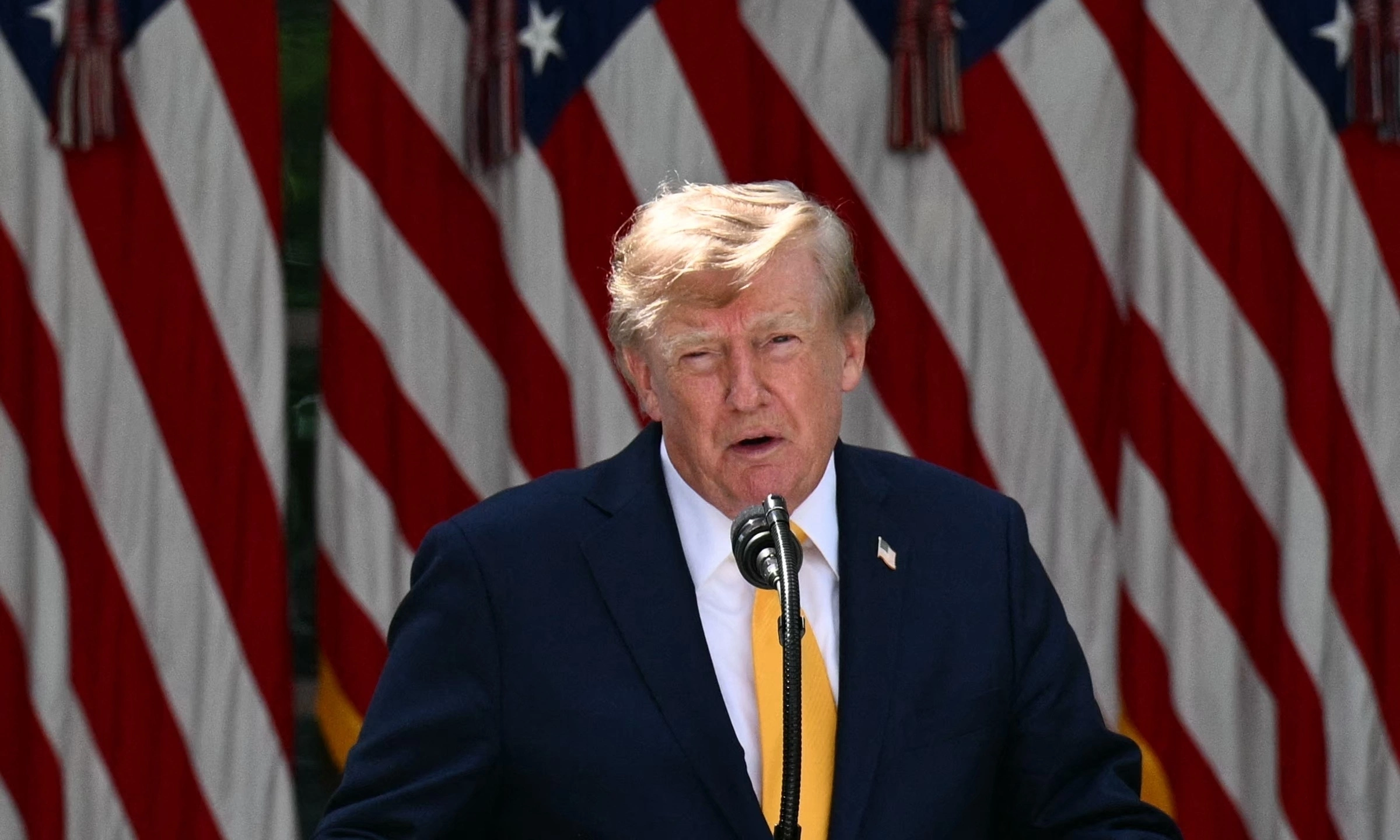 |
U.S. President Donald Trump speaks in the Rose Garden at the White House on 24/8. Photo: AFP |
U.S. President Donald Trump speaks in the Rose Garden at the White House on 24/8. Photo: AFP
Secretary Bessent stated that the U.S. would impose secondary sanctions on foreign individuals, corporations, and financial institutions that continue to cooperate with Tehran. He emphasized that his team had "mapped every link, every supporter, and every network" previously used to help Iran evade sanctions.
"The countdown has begun," he added.
The new U.S. sanctions aim to tighten the economic vise on Iran's economy, which was already struggling before the conflict began, thereby increasing pressure to force Tehran to the negotiating table. However, experts note that this U.S. strategy depends on many variables, and it remains unclear how tight the economic vise can become.
Intensified pressure
President Donald Trump's administration has implemented economic pressure measures against Iran since the conflict erupted in February.
After Iran nearly paralyzed the Strait of Hormuz, the U.S. imposed port blockades to prevent the country from exporting oil, while also targeting companies, brokers, and oil tankers accused of helping Iran sell oil abroad. Concurrently, Washington maintains longstanding broad sanctions on Tehran's oil and gas, maritime, and financial sectors.
Now, the U.S. declares it will push these efforts further. President Trump announced last week that he would deliver the "most devastating economic blow" to Iran, stating that Tehran had "missed" an opportunity for a deal and would now face "a war of economic isolation on an unprecedented scale."
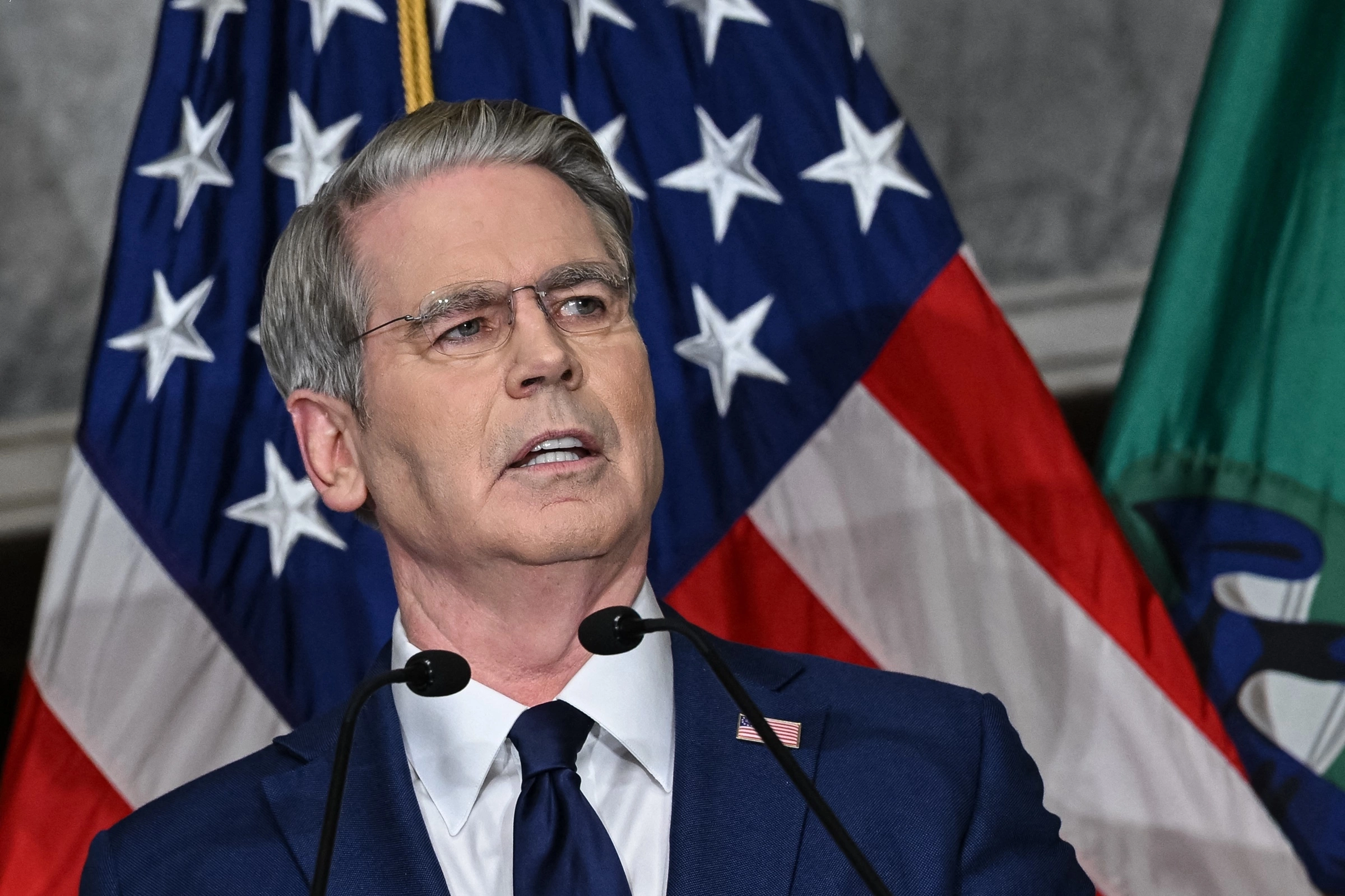 |
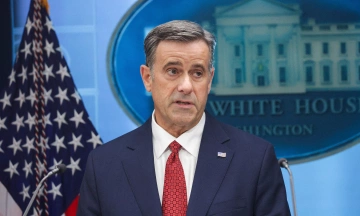
U.S. Treasury Secretary Scott Bessent at a press conference on 24/8 in Washington. Photo: AFP |
U.S. Treasury Secretary Scott Bessent at a press conference on 24/8 in Washington. Photo: AFP
"Any nation that allows its financial institutions, businesses, airports, or government agencies to provide any form of support to Iran will face extremely severe economic consequences," Mr. Trump added.
On 20/8, a day after President Trump's statement, Secretary Bessent told CNBC that the U.S. would impose the "harshest sanctions in history" on Iran.
Echoing President Trump's threat, he warned the international community that they too could face sanctions if they continue to trade with Iran.
"We are going to them and making it clear: 'You have to choose to stand with us or against us'," Secretary Bessent stated. "If you insist on dealing with them, whether it's transferring money, buying oil, or maritime transport, the Treasury Department and the U.S. government will deploy all their power and resources to enforce against you."
He described the U.S. strategy as "the greatest economic isolation campaign in world history." "It's time for our allies and the rest of the world to make a decision," he added.
Limits of sanctions
However, to achieve President Trump's goals, the U.S. will have to confront Trung Quoc, Iran's largest oil buyer. So far, sanctions have primarily focused on independent refineries and intermediaries, rather than targeting major Trung Quocese banks or state-owned companies, the Washington Post noted in a commentary.
Washington's new sanctions list does not include Trung Quocese financial institutions. Secretary Bessent previously urged Trung Quoc to cooperate with Washington to tighten sanctions on Iran.
The Trung Quocese Ministry of Foreign Affairs has stated that Washington's sanctions and pressure do not help resolve conflicts in the Middle East, affirming that Beijing only takes necessary steps to protect its national interests.
Trung Quocese President Xi Jinping is expected to visit Washington next month to meet Mr. Trump. If Mr. Xi leaves without a clear commitment to reduce oil purchases from Iran, the economic vise on Iran launched by Secretary Bessent will become "meaningless," the Washington Post wrote.
Yet, even if successful in tightening Iran's oil exports, the U.S. needs to be realistic about what it can achieve. The conflict has increased the influence of the hardline faction of the Islamic Revolutionary Guard Corps (IRGC). The continuous increase in U.S. economic pressure seems unlikely to compel this force to submit.
Mohsen Rezai, head of Iran's Supreme National Security Council, declared on 22/8 that Iran still holds many cards to play in the conflict, warning that the confrontation "will be as fierce as an earthquake" if President Trump pushes sanctions in the economic war with Tehran.
"We have only targeted U.S. military bases so far," he said. "The U.S. has oil and gas businesses and economic interests around Iran and elsewhere; we will attack those targets."
He also called on nations not to participate in the economic war initiated by the U.S., warning that it would harm the interests of "any country that imposes restrictions on Iran" at the behest of the U.S.
Hamidreza Azizi, an Iran expert at the Clingendael Institute in the Netherlands, noted that Tehran "is striving to establish early deterrence by signaling that even preparations for an attack could provoke their retaliation."
Furthermore, Gulf nations are increasingly entangled in the conflict between the U.S. and Iran; therefore, there is no guarantee they will join Washington in tightening the economic vise on Tehran, commented Sarah Shamim from Al Jazeera.
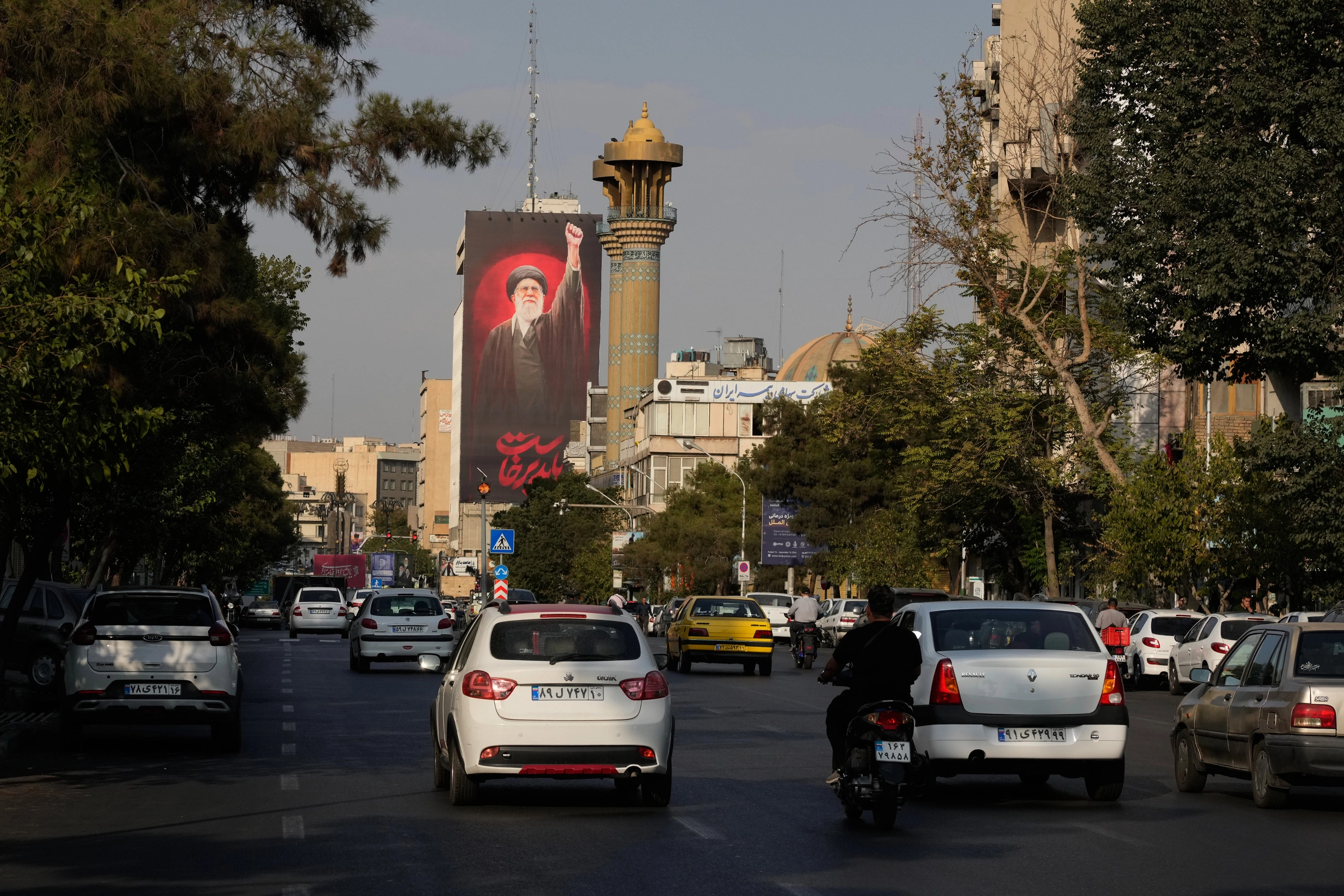 |
A view of downtown Tehran, Iran on 15/8. Photo: AP |
A view of downtown Tehran, Iran on 15/8. Photo: AP
Last week, the United Arab Emirates (UAE) announced an indefinite trade embargo on Iran. The move came after the UAE accused Iran of launching two ballistic missiles at the country, an accusation Tehran denied.
However, analysts believe many countries in the region are genuinely wary of a chaotic scenario if the situation in Iran spirals out of control. "The Gulf cannot change their geography; they are forced to live and work alongside Iran," noted Simon Mabon, a professor of international relations at Lancaster University, England. "They certainly do not want to face the instability arising from a crisis in Iran."
Iranian Minister of Economy Ali Madanizadeh declared on 25/8 that his government is ready and has a two-year response plan for the U.S. isolation campaign. He noted that two major economies, Trung Quoc and Russia, do not approve of U.S. sanctions.
According to Paul Musgrave, an associate professor of government at Georgetown University in Qatar, although the U.S. threatens to target any country that continues to trade with Iran, President Trump's leverage over Trung Quoc and Russia, two of Iran's major trading partners, remains limited. This stems from the fact that many economic sectors in Russia and Trung Quoc are less reliant on the U.S. financial system.
"Mr. Trump is trying to unilaterally impose a coordinated sanctions approach that has historically required multilateral consensus, but this means needing to bring Trung Quoc, Russia, and the P5 members of the United Nations Security Council along," Musgrave explained, referring to the five permanent members of the Security Council, adding that this is truly an "extremely difficult" task.
Vu Hoang (According to Al Jazeera, Washington Post, AFP, Reuters)