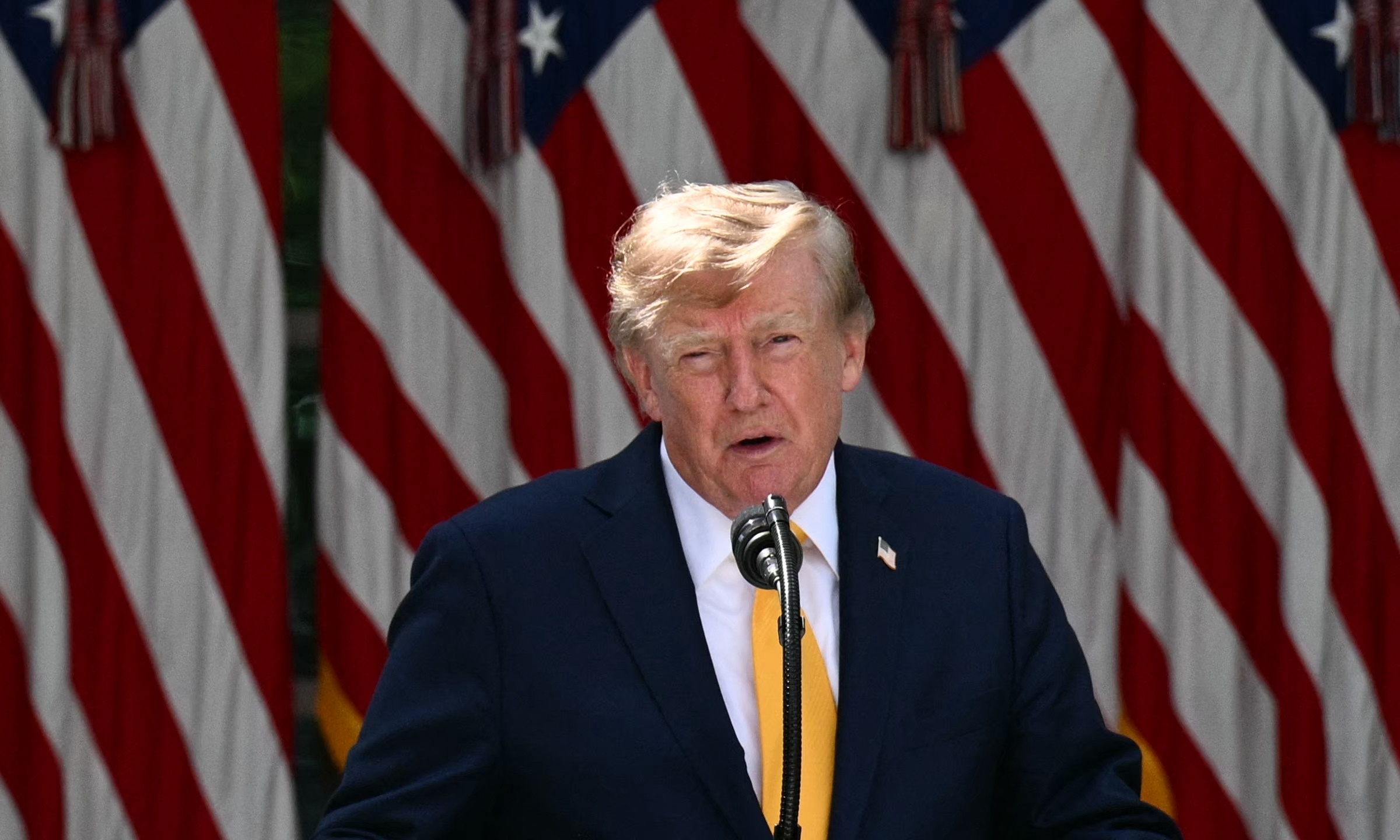
"I have just been informed by the US Navy that all mines have been removed or detonated from the international waters of the Strait of Hormuz. Iran has been warned that any vessel or boat laying new mines will be systematically destroyed immediately," US President Donald Trump wrote on Truth Social on 25/8.
According to the White House, via the US Space Force, "we are monitoring every inch" of the Strait of Hormuz, a crucial shipping lane for the global energy supply chain.
"A zero-tolerance policy against minelaying is fully enforced and in effect," President Trump emphasized.
Tehran has not yet commented on the claim.
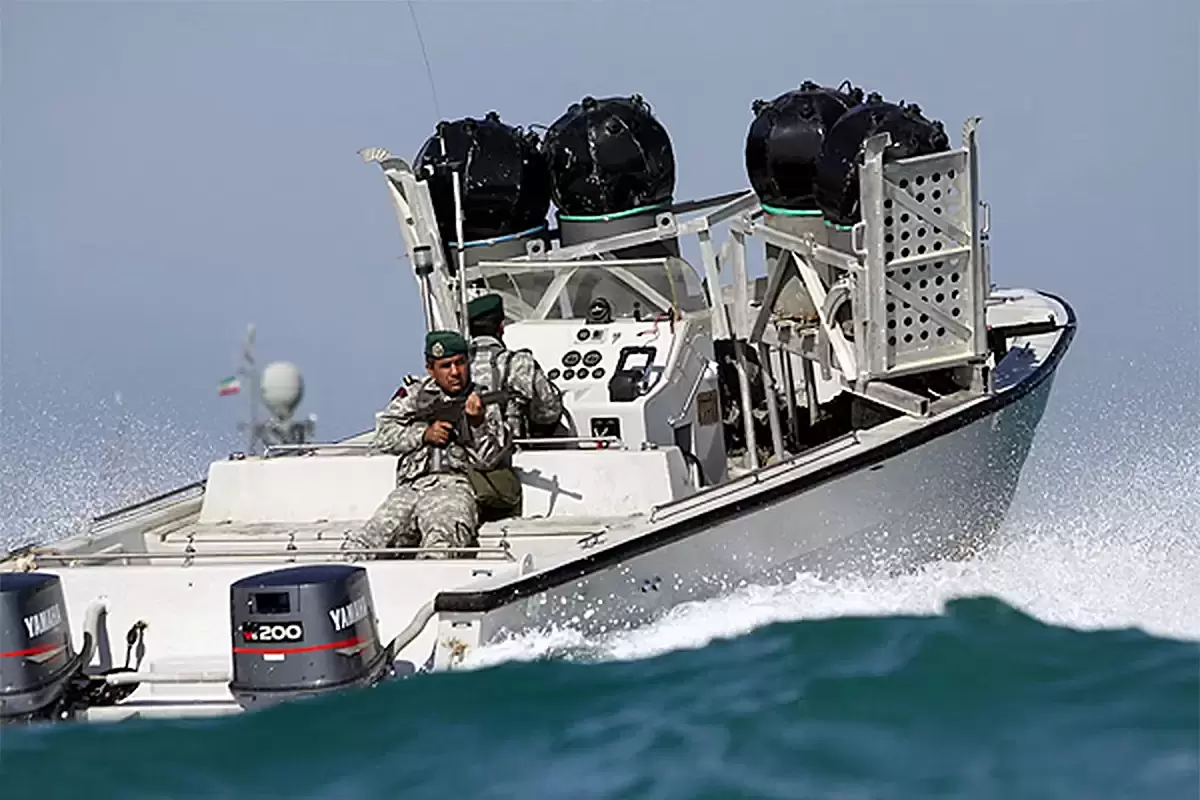 |
A speed boat of Iran's Islamic Revolutionary Guard Corps carrying 4 mines during an exercise in the Strait of Hormuz before the Middle East conflict erupted. *Photo: IRGC* |
While the US and Iran have avoided direct airstrikes against each other's military forces for weeks, attacks on vessels in the Strait of Hormuz persist. Both nations are vying for control of this narrow, critical shipping lane.
Preliminary data from Vortexa, a maritime intelligence firm, indicates that oil shipments through the Strait of Hormuz reached 5 million barrels per day on 24/8. This marks a sharp decline from over 20 million barrels per day before the conflict, which accounted for approximately one-fifth of global consumption.
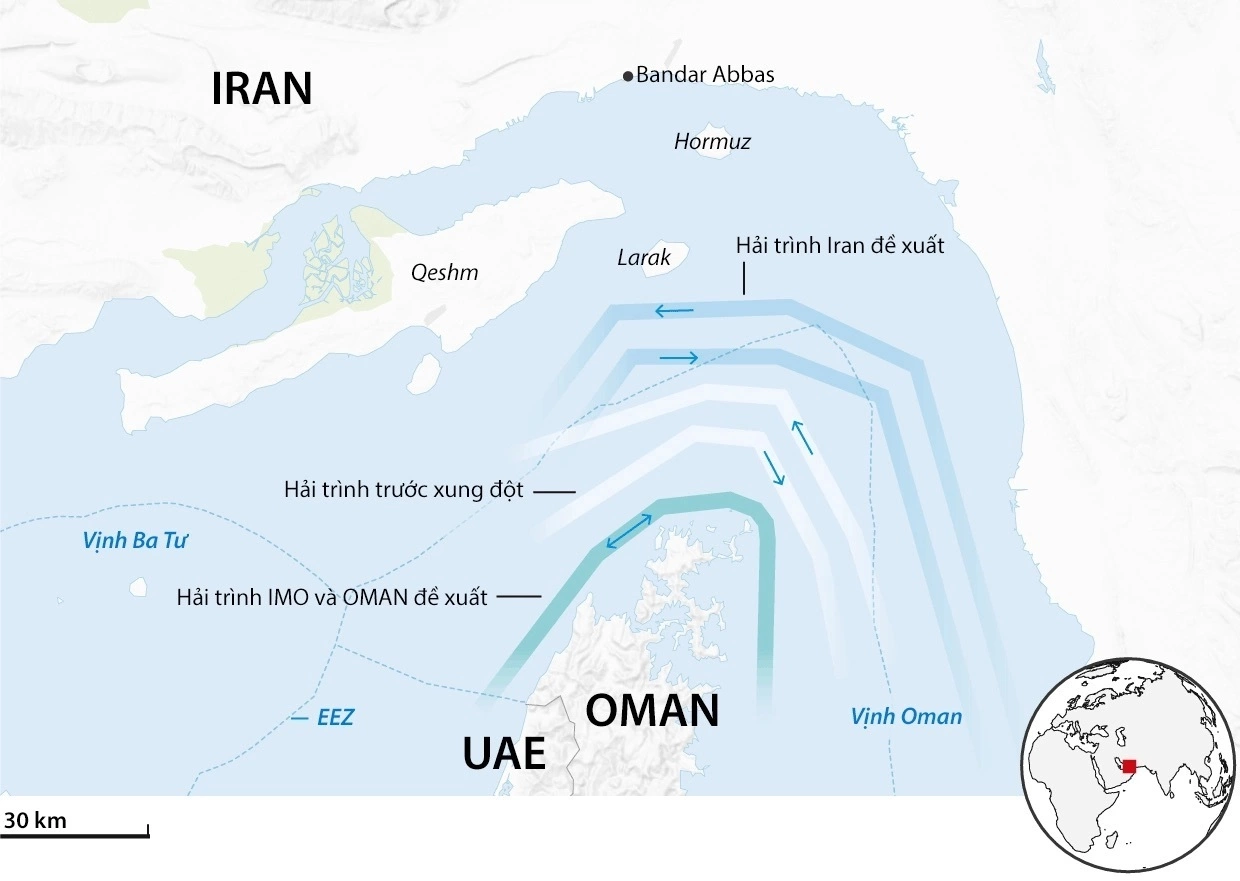 |
Shipping routes through the Strait of Hormuz. *Graphic: Guardian* |
For months, the Strait of Hormuz has been a flashpoint in the US-Iran confrontation, with both Tehran and Washington asserting control over the strategic waterway. Iran insists that vessels use the northern route, which passes through its territorial waters, while the US backs the southern route, closer to Oman's coast.
Iran has faced repeated accusations of launching missiles and unmanned aerial vehicles (UAVs) at cargo ships on the southern route, at times crippling maritime traffic. However, data from Kpler, a firm tracking vessels via identification signals and satellites, reveals that southern Hormuz shipping is gradually recovering, bolstered by US Navy protection.
Huyen Le (According to Reuters, CNN)