Oman's foreign minister Badr bin Hamad Al Busaidi and his Iranian counterpart Abbas Araghchi met in Tehran on 25/8 to discuss a phased roadmap. This roadmap includes: "establishing a temporary corridor through the Strait of Hormuz and an agreement to implement a joint project for mine clearance there".
The two nations will continue technical negotiations to define a "long-term maritime corridor and a future management mechanism for the strait. This also includes mechanisms for information sharing, traffic management, and providing related security and maritime services".
 |
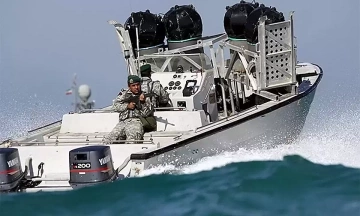
Boats off Musandam, Oman, near the Strait of Hormuz on 24/8. *Reuters*.
Following the meeting, Albusaidi expressed hope that countries would soon announce a temporary corridor through Hormuz. He stated, "future management of the strait and a long-term solution will be implemented at an appropriate time".
Foreign minister Araghchi posted on social media X that the proposal "demonstrates Iran's commitment to peace and stability, always alongside consistent diplomatic efforts with its neighbors".
The announcement followed US President Donald Trump's declaration that all mines in the Strait of Hormuz had been removed or detonated. Trump warned that the US would immediately destroy any Iranian vessels laying additional mines.
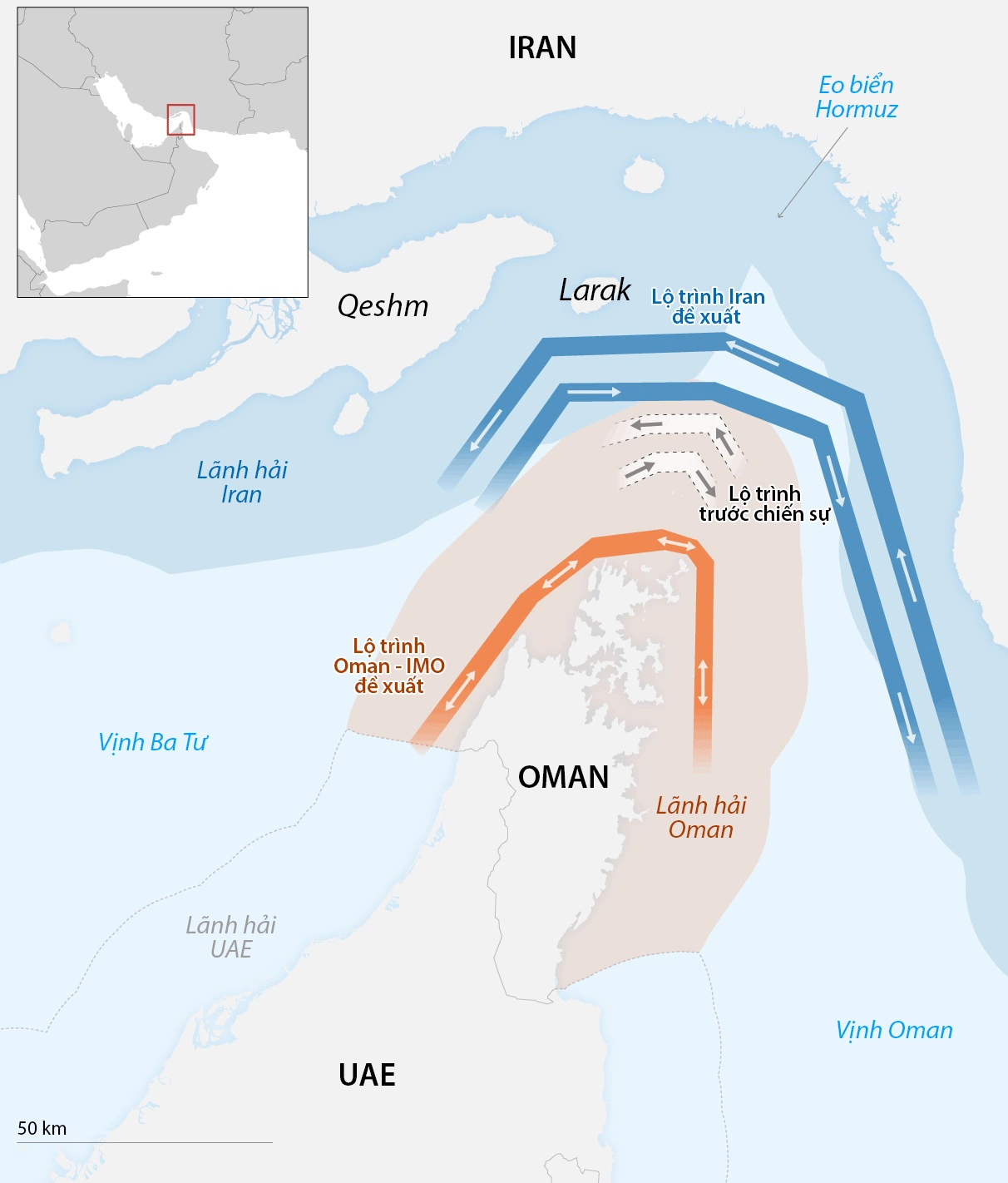 |
Shipping routes through the Strait of Hormuz. *CNN*.
Traffic in the Strait of Hormuz, a crucial shipping lane, remains largely stalled. Iran and Oman have been discussing the future of maritime activity there for many weeks. Tehran stated that both sides have reached an agreement on the coordinates for the proposed route.
However, Iranian officials affirmed that the strait will not fully reopen until Washington meets Tehran's demands. These demands include: ending port blockades, lifting oil sanctions, and unfreezing their frozen assets.
By Nguyen Tien (According to AFP, CNN, Reuters)