US President Donald Trump announced last week that "all mines" in the international waters of the Strait of Hormuz had been completely removed or neutralized. The US military later confirmed this information.
Mines have been one of the biggest deterrents preventing commercial vessels from transiting the Strait of Hormuz since the conflict erupted. Tehran previously stated it had laid mines in international waters and Omani waters within the Strait of Hormuz. The International Maritime Organization (IMO) estimated in June that approximately 80 mines had been deployed.
Citing informed sources within the US government, the Financial Times reported on 6/9 that the Pentagon secretly deployed US Navy SEAL special forces, unmanned surface vessels, and specialized underwater vehicles to clear mines in the Strait of Hormuz. The operation lasted about four months, primarily taking place at night, amidst retaliatory strikes between the United States and Iran.
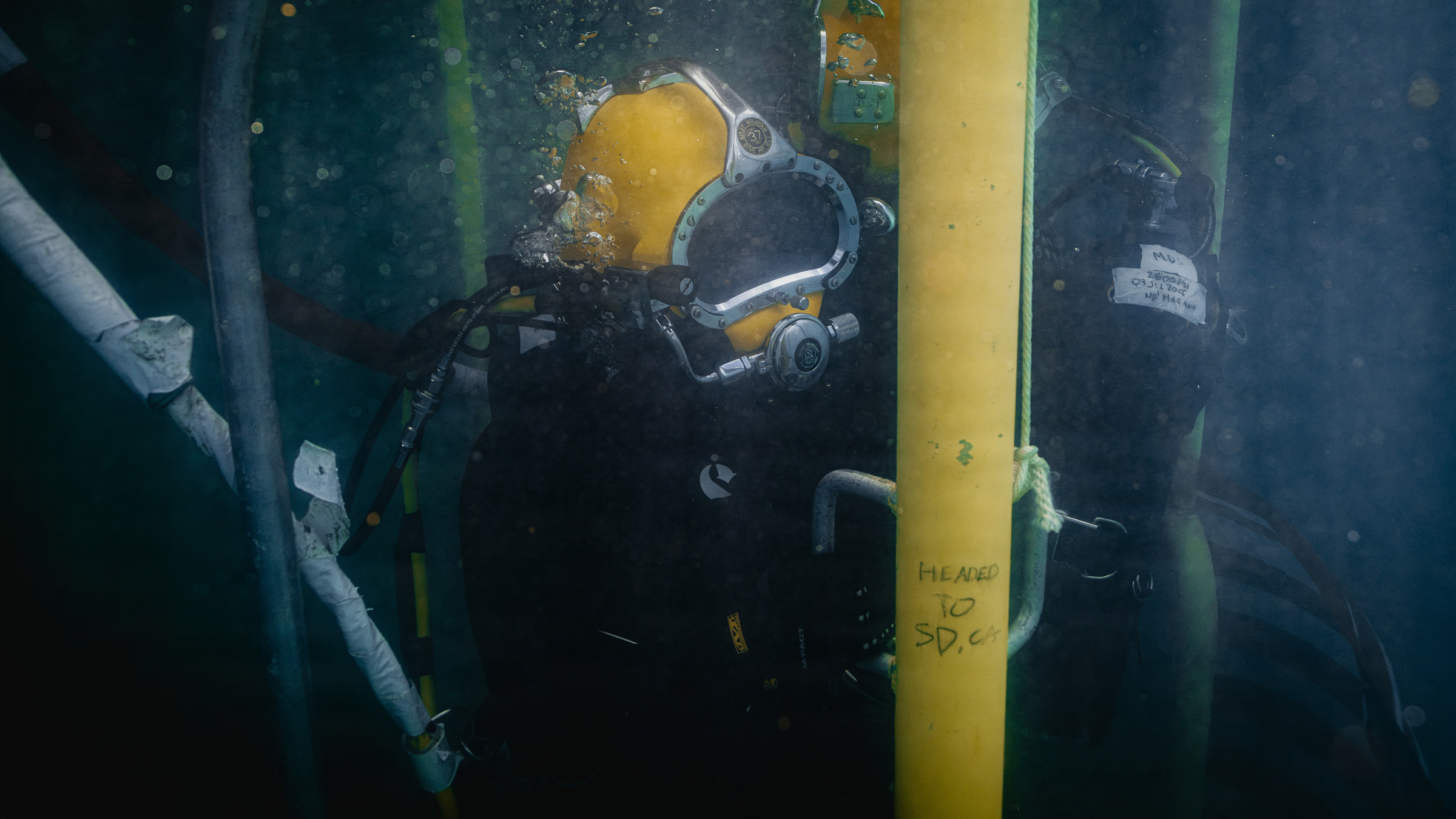 |
US Navy divers train at Joint Base Pearl Harbor-Hickam in Hawaii on 24/7. *Photo: US Navy* |
US forces located Iranian mines using unmanned surface vessels and small submersibles equipped with high-resolution sonar sensors. This method allowed for surveying a large area during each mission, while also reducing the risk to military personnel. Navy divers then approached the targets, placed explosives on the mines, and destroyed them.
"This process certainly takes a lot of time. The US tactic is basically to search for and actively detonate these hidden bombs under the sea," commented Nitya Labh, an expert at the Chatham House Institute based in the UK.
Admiral Brad Cooper, commander of US Central Command (CENTCOM), stated on 31/8 that the months-long operation focused on the Traffic Separation Scheme (TSS) areas, which are the routes used by commercial vessels through the Strait of Hormuz before the conflict.
He noted the operation mobilized navy divers and SEAL special forces, combined with air, army, navy, and marine corps firepower to neutralize threats. Admiral Cooper did not disclose how many mines the United States had detected or destroyed.
Axios quoted US officials revealing that the operation had swept over 200 "mine-like objects" in the main shipping lanes of Hormuz. Among these, 11 objects were identified as actual mines, with only a few properly deployed.
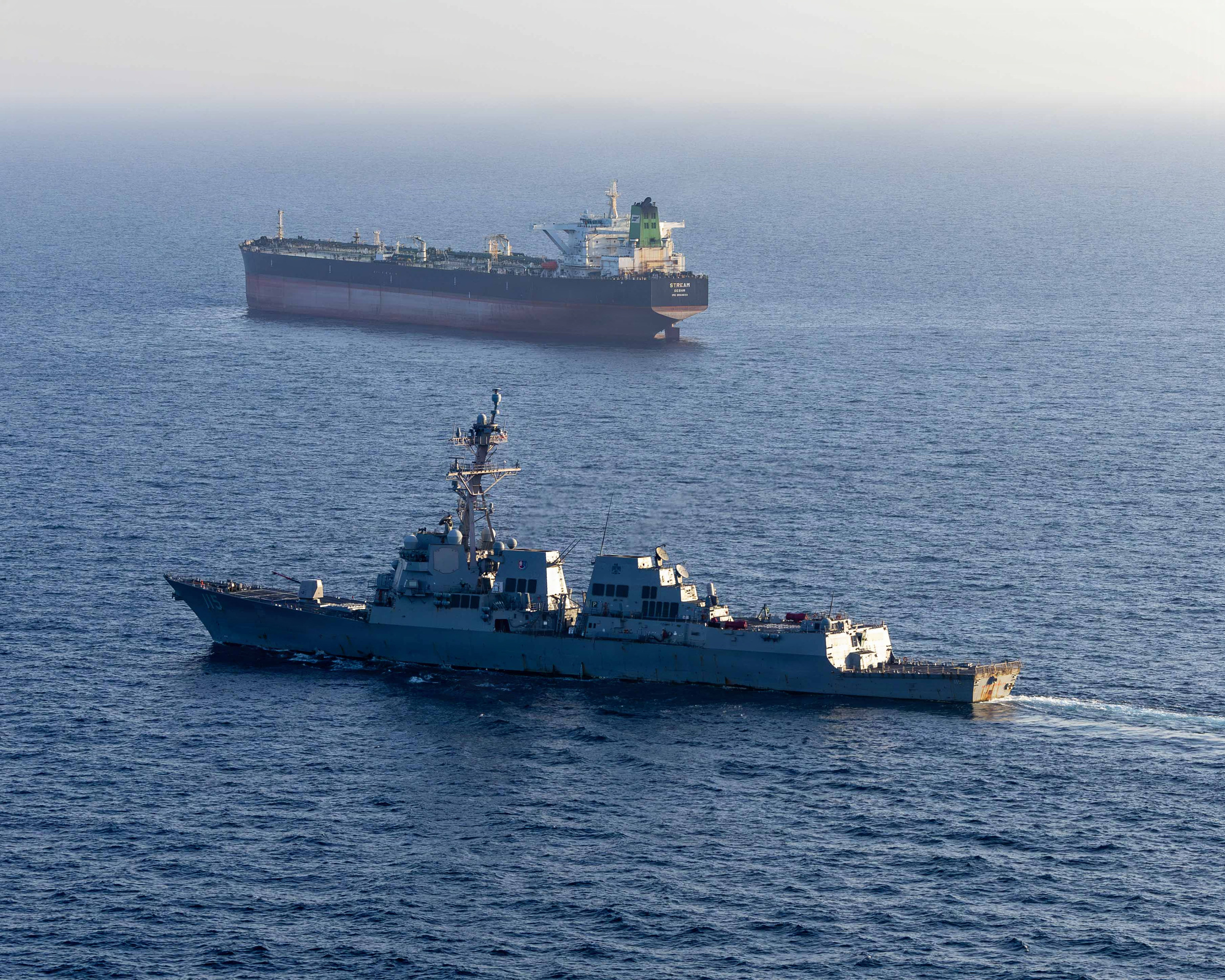 |
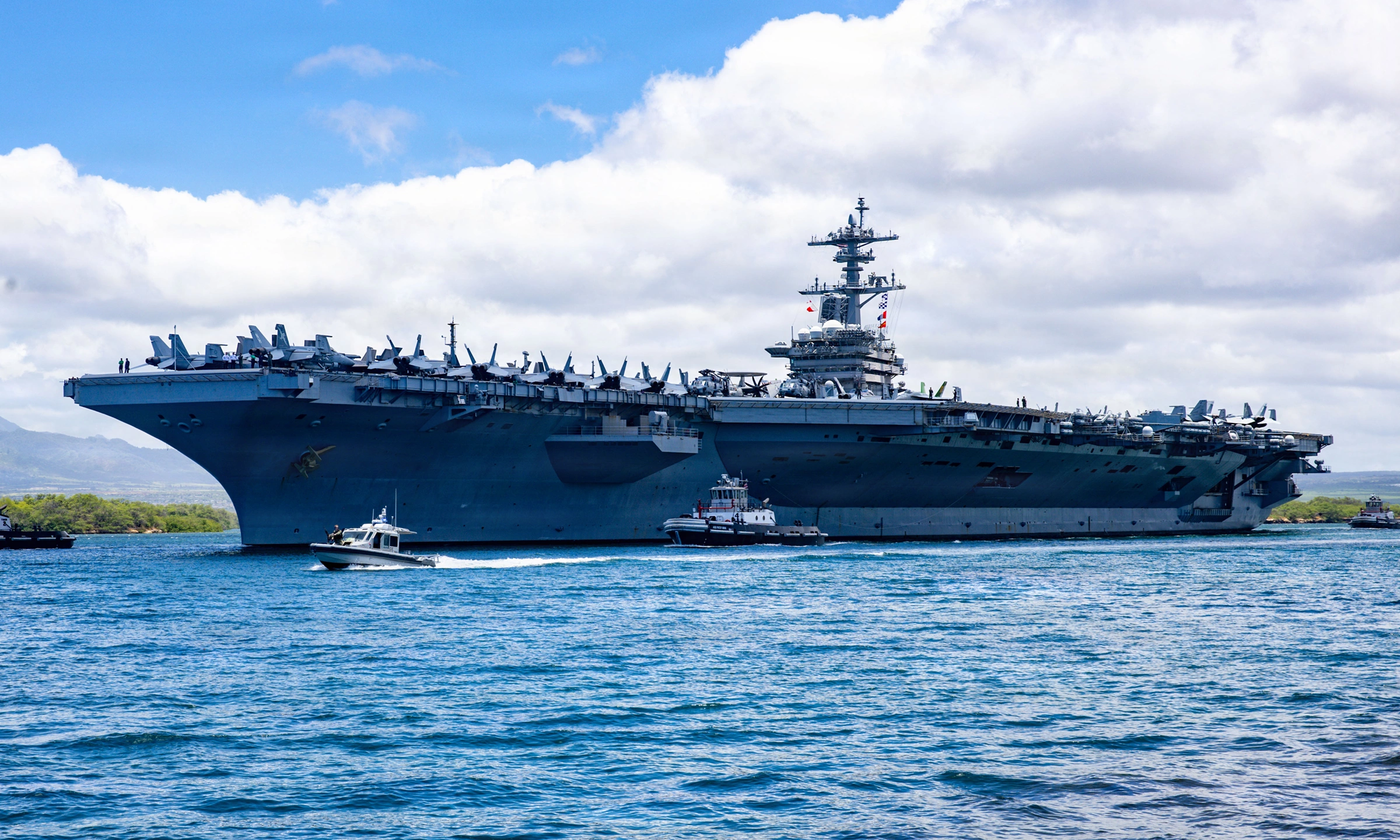
The destroyer USS Rafael Peralta participates in a blockade operation targeting Iranian ports on 26/4. *Photo: US Navy* |
The clearance operation took place while the US Navy was reforming its mine warfare doctrine. In 2025, the force decommissioned four minesweepers stationed in Bahrain, while new unmanned systems were deployed as replacements.
Retired Vice Admiral Kevin Donegan, former commander of the US 5th Fleet, stated that new technology is increasingly applied to detect and neutralize mines, including unmanned systems specialized in mapping the seabed and identifying threats before explosive ordnance disposal forces approach the targets.
The new systems allowed the United States to clear multiple TSS areas simultaneously, with each zone having an independent timeline. While ground forces neutralized mines in one area, search and target identification continued elsewhere.
According to Donegan, the US Navy used sophisticated scanning models before declaring a sea lane "cleared", with scans conducted so many times that the probability of detecting mines in the model was nearly 100%.
The US Navy has been preparing for such large-scale operations for many years. Some aspects of the mine clearance operation in the Strait of Hormuz had been practiced through periodic exercises by US Naval Forces Central Command (NAVCENT) since 2012, along with regular navy training programs.
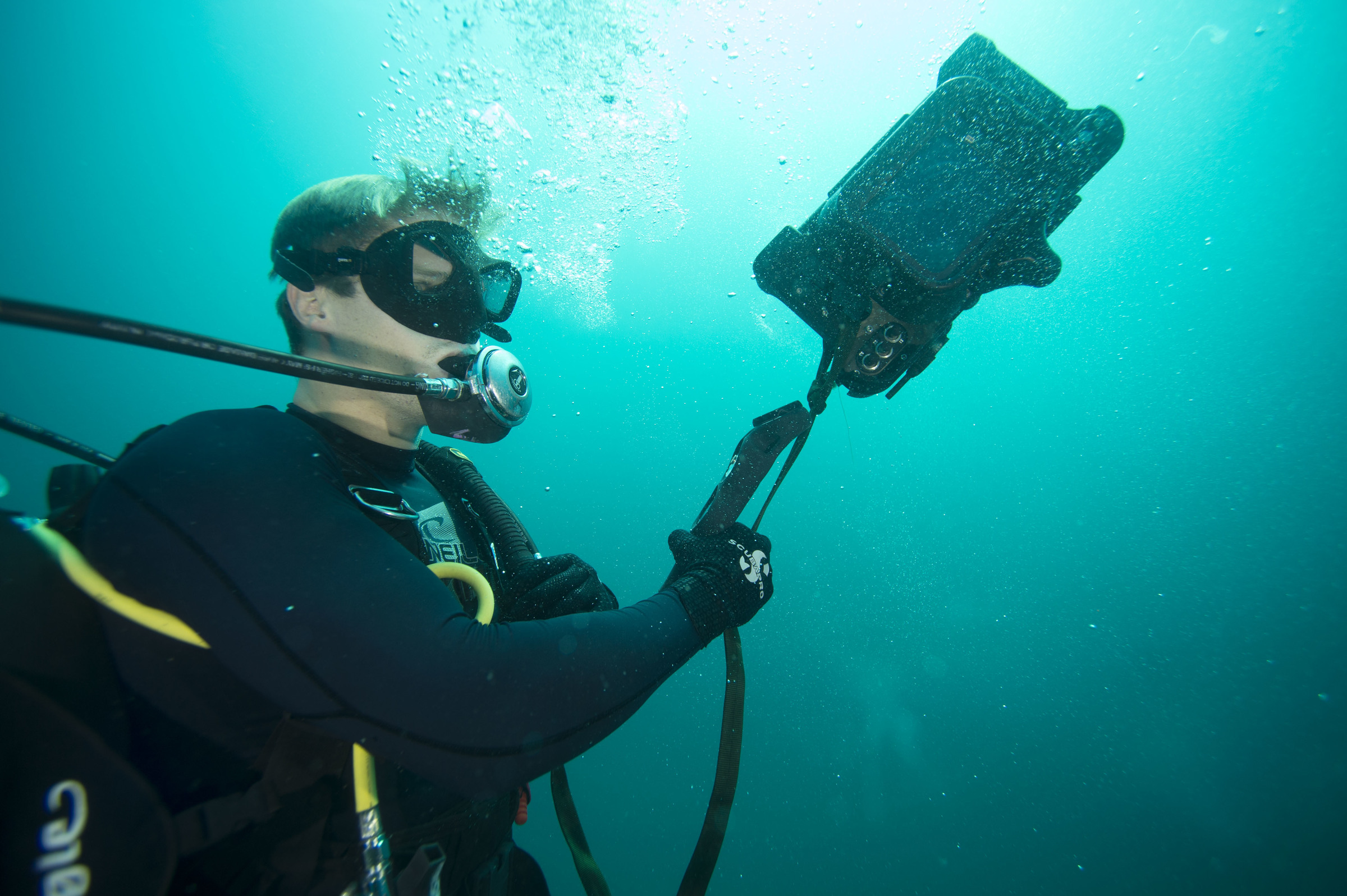 |
US special forces divers practice mine destruction during a joint exercise with the British Navy in 2017. *Photo: US Navy* |
Bill Hamblet, a retired US Navy colonel who served in the Gulf region, suggested that the service might have organized "very small and light" teams for mine clearance in the Strait of Hormuz. Part of the operation could have been launched from the expeditionary mobile base ship USS Miguel Keith, which is deployed in the Gulf.
Bryan Clark, a mine clearance expert at the Hudson Institute, believes that many types of robotic submersibles were deployed to destroy mines, including the British SeaFox model or the newer US AN/ASQ-235 Archerfish.
US forces have not reported any casualties during the mine clearance operation in Hormuz. However, experts note that this mission remains highly dangerous because clearance forces struggle to react to unexpected dangers, due to the slow nature of the work and the fact that personnel directly involved often lack adequate defensive measures.
Iran maintains that no clearance operations have been recorded in the Strait of Hormuz recently. Iranian Deputy Foreign Minister Kazem Gharibabadi affirmed in late August that "no one but Tehran" knows the location of the mines deployed in the area.
Since the start of hostilities, only a small number of commercial vessels have transited Hormuz. In addition to the risk of being hit by Iranian missiles and unmanned aerial vehicles, the threat of mines has worried shipowners, forcing the insurance industry to impose very high fees, which can be 10 times higher than before the conflict. For a typical supertanker, insurance costs could reach approximately 10 million USD.
Shipowners and maritime security consultants expressed optimism that the southern half of the Strait of Hormuz, near the Omani coast and currently the route the United States is guiding vessels through, has indeed been cleared of mines.
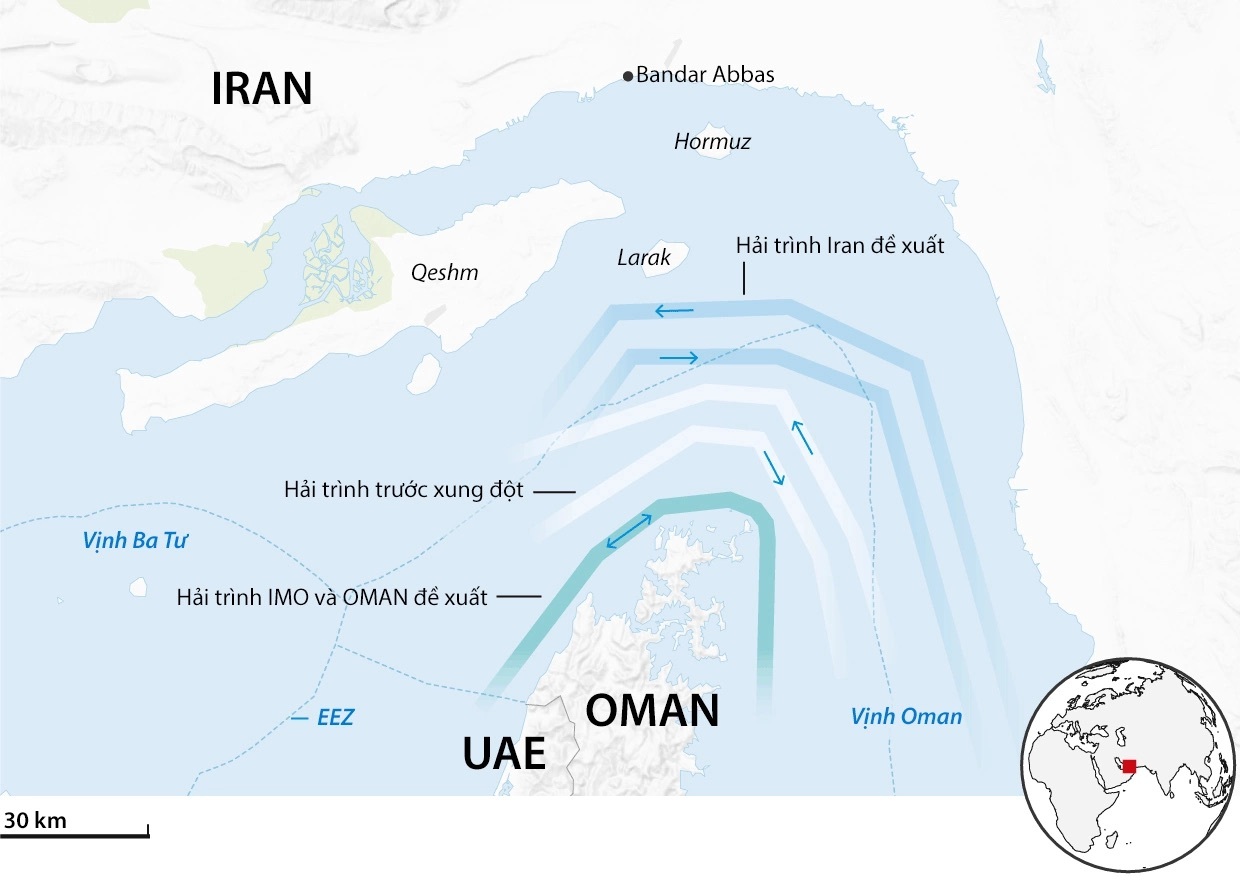 |
Shipping routes through the Strait of Hormuz. *Graphic: Guardian* |
However, whether President Trump's statement that "the entire Strait of Hormuz is clear of mines" is accurate remains a big question. The Joint Maritime Information Center, an agency operated by the US Navy, warned that the waters still pose a risk of drifting mines or those whose locations have not yet been identified.
Military analysts note that Iran possesses thousands of various types of mines, with different operating depths and activation mechanisms. Mines deployed by ships and speedboats can weigh 500-1,000 kg, while those launched into the sea by rockets are often small and weigh about 50 kg.
Iranian media reported that at least two oil tankers were hit by mines last week. An Iranian military spokesman announced on 3/9 that the country was laying more mines near Omani waters.
No mine strike incidents have been confirmed by Western maritime authorities during the six months of conflict. The only verified mine detection in the Strait of Hormuz was recorded by a Pakistani hydrography expert in May.
Nevertheless, retired Vice Admiral Donegan warned that completing clearance of a shipping lane cannot guarantee the elimination of drifting mine risks.
According to him, the Gulf region always contains residual mines from the current conflict or previous conflicts. The possibility of cargo ships hitting these mines is theoretically quite low, especially since currents in the area make it difficult for them to remain in shipping lanes for extended periods, but it cannot be entirely ruled out from shipowners' calculations.
Thanh Danh (According to Financial Times, Fox, AP)