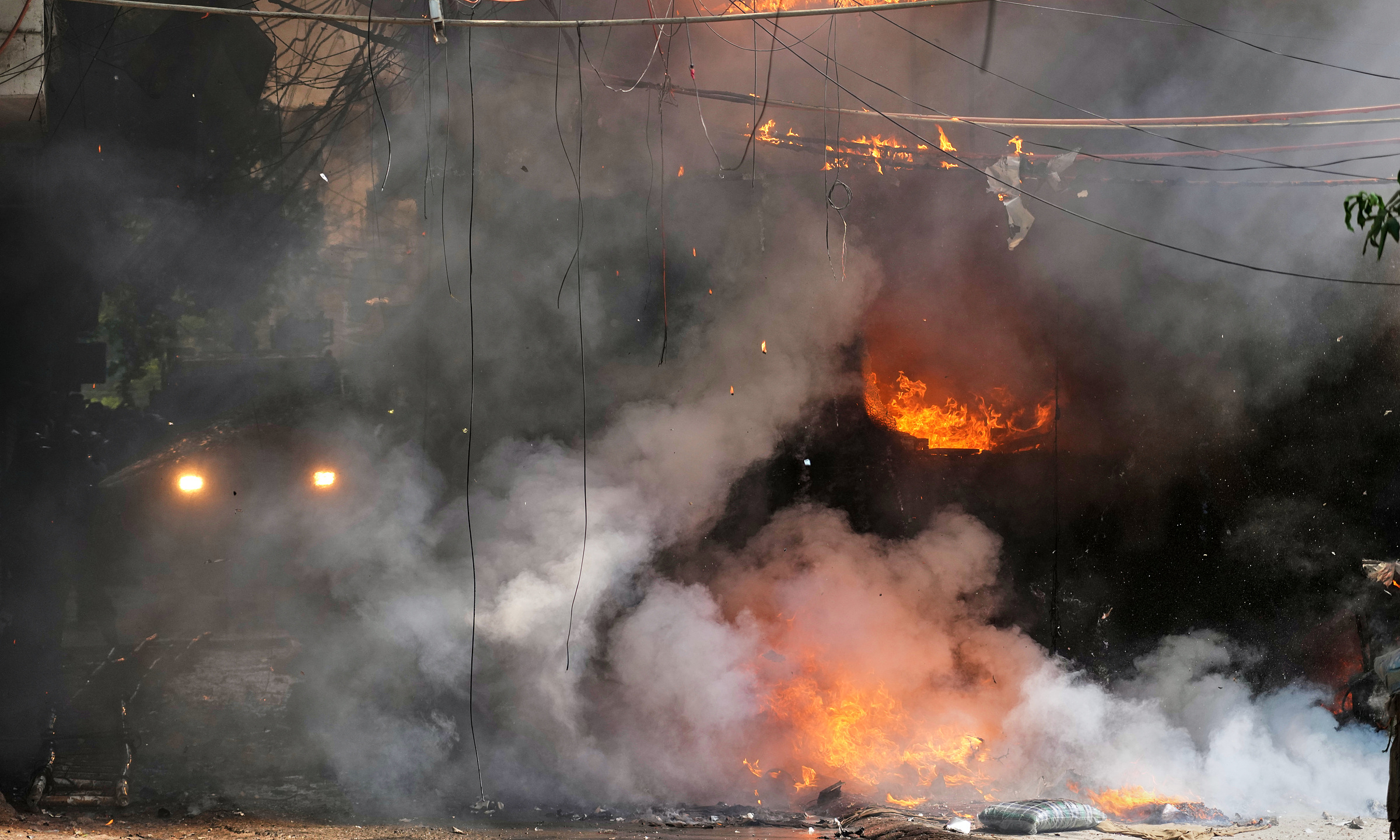
Iran's Ministry of Foreign Affairs on 26/5 accused the US military of "continuing to carry out illegal and irrational actions" after a ceasefire between the two countries took effect on 8/4. The ministry affirmed Washington had committed "a serious violation of the agreement" in Hormozgan province within the past 48 hours, referring to the US strike on the southern port city of Bandar Abbas early that day. Tehran "will not hesitate to defend the country and will not overlook any malicious acts," the ministry stated, without elaborating.
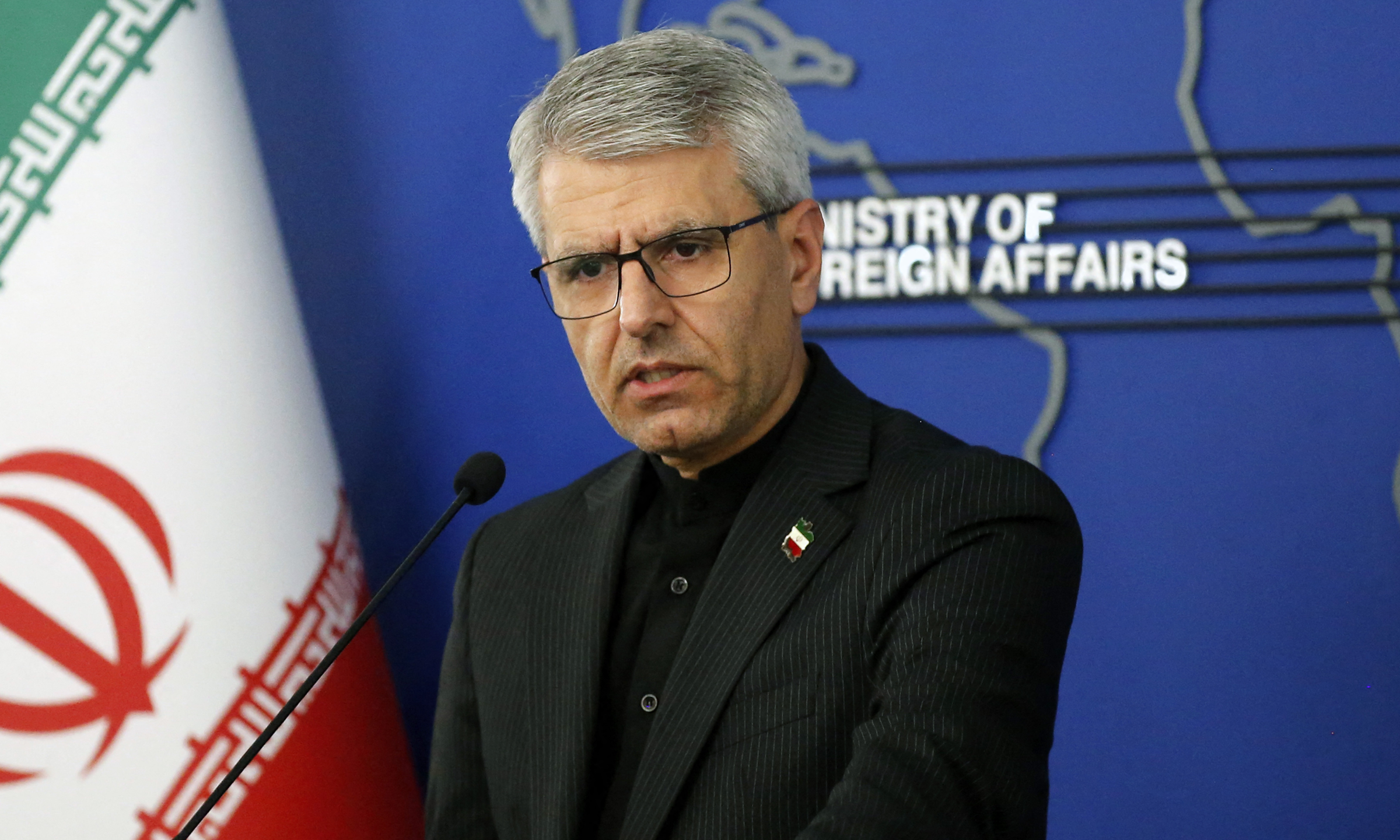 |
Iran's Ministry of Foreign Affairs spokesperson Esmail Baghaei at a press conference in Tehran on 4/5. Photo: AFP
The US Central Command (CENTCOM), responsible for US military operations in the Middle East, previously announced it had conducted defensive strikes in southern Iran. These strikes aimed to protect US soldiers from enemy threats. According to the command, targets included missile launch sites and Iranian vessels "seeking to lay mines." Fox News quoted a senior US official who stated that the US had detected two Iranian ships deploying mines in the Strait of Hormuz. US forces also responded after fighter jets were targeted by enemy missiles, the official added.
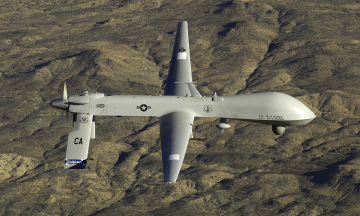
Iran's Islamic Revolutionary Guard Corps (IRGC) announced it had opened fire after detecting "hostile aircraft" entering its airspace in the Persian Gulf region. The force claimed it had shot down one US MQ-9 Reaper unmanned aerial vehicle (UAV). Additionally, the IRGC stated it had targeted and forced a heavy RQ-4 UAV and F-35 stealth fighters to maneuver out of Iranian airspace.
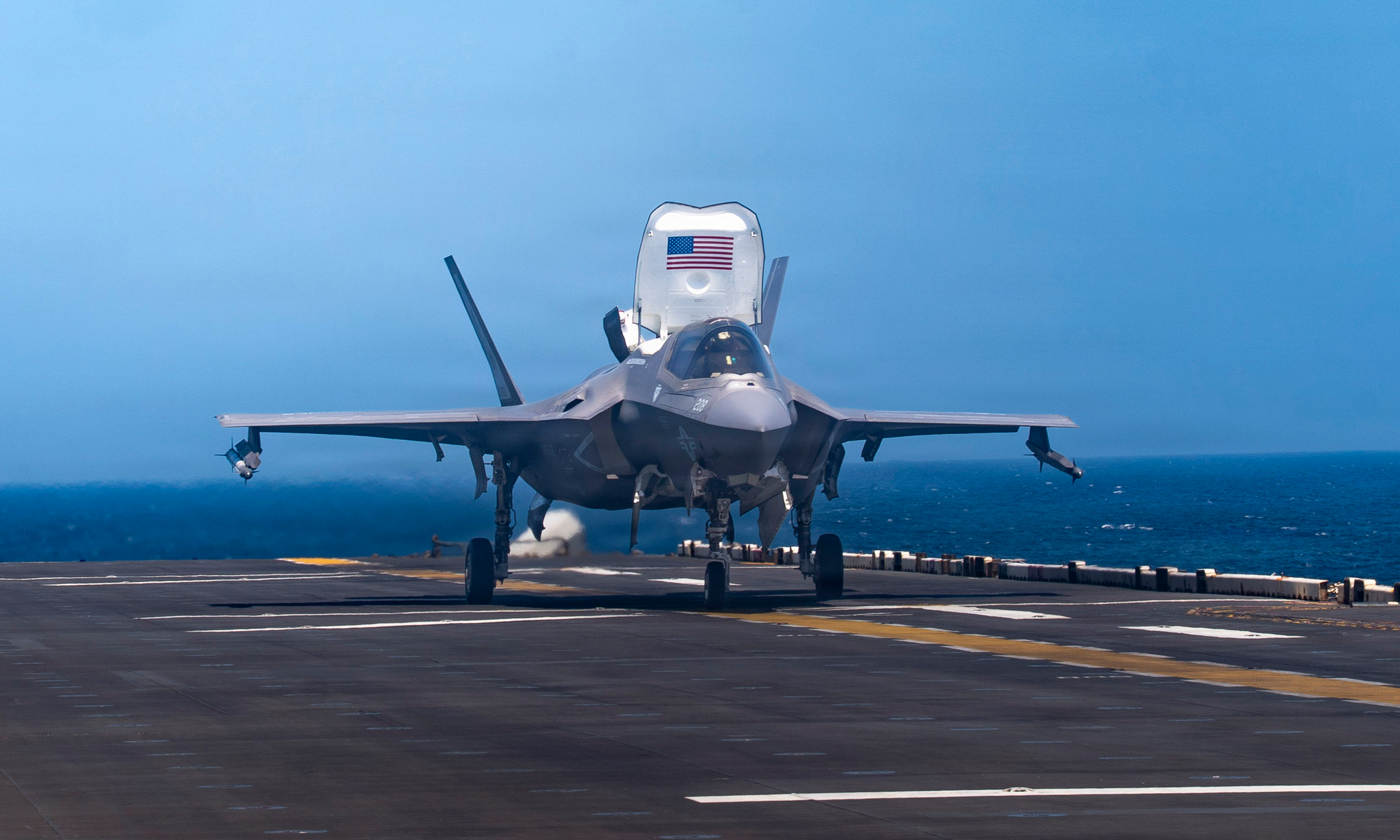 |
A US F-35B fighter jet on the amphibious assault ship USS Tripoli in the Middle East on 13/5. Photo: US Navy
Iran's Supreme Leader Mojtaba Khamenei on 26/5 stated that the US is losing influence in the Middle East, urging countries in the region to stop allowing Washington to establish bases on their territory. He believes the US is increasingly losing its position and no longer has "any safe haven" to carry out aggressive actions.
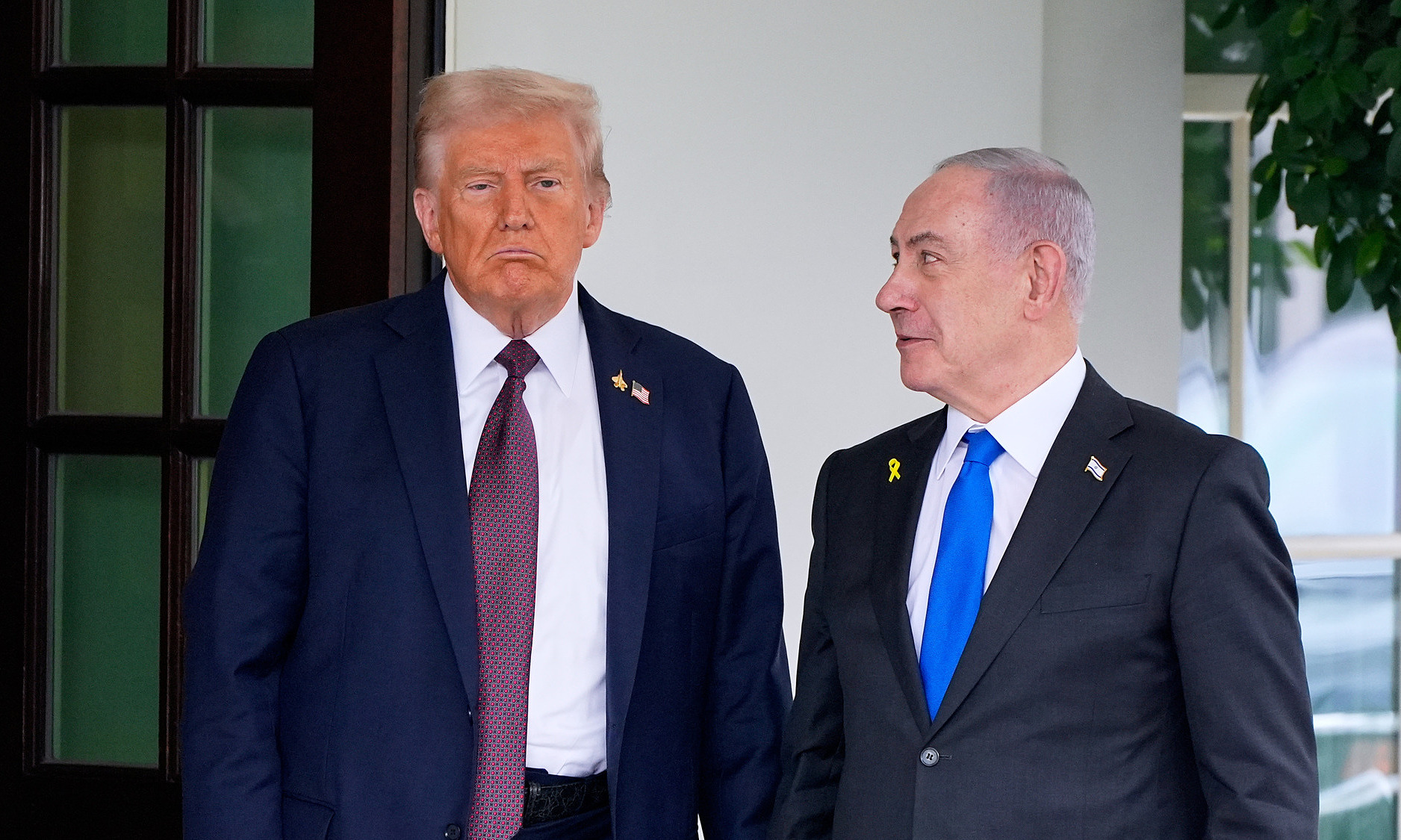
Despite the recent strikes, US Secretary of State Marco Rubio stated that the two countries could still reach a peace agreement. He affirmed that the Strait of Hormuz must be opened "one way or another." Iran had almost completely blockaded this important oil and gas shipping route after the Middle East conflict erupted on 28/2.
Previous statements indicated that both sides had made progress on a preliminary agreement to end fighting and restore maritime activity in the Strait of Hormuz. This agreement would give negotiators 60 days to resolve more complex issues, including Iran's nuclear program. Iranian media reported that Tehran wants to include a clause in the memorandum regarding the release of billions of USD in frozen assets.
By Pham Giang (Based on AFP, Reuters, Tasnim)