Iran's Revolutionary Guard Corps (IRGC) announced on 14/5 that several Chinese ships were permitted to transit the strait of Hormuz. This decision followed a request from China and an agreement on Iran's strait management regulations. The passage commenced on the night of 13/5.
An IRGC commander emphasized that vessels linked to "hostile nations" would continue to be blocked in the area.
Iranian state television reported that over 30 ships had been granted passage, though it remained unclear if all were Chinese. Al Jazeera stated that "dozens of Chinese-flagged or China-linked ships" transited the strait.
Maritime tracking data indicated that a Chinese supertanker carrying 2 million barrels of Iraqi crude oil passed through the strait of Hormuz on 13/5. This vessel had been stranded in the Persian Gulf for over two months due to the ongoing conflict.
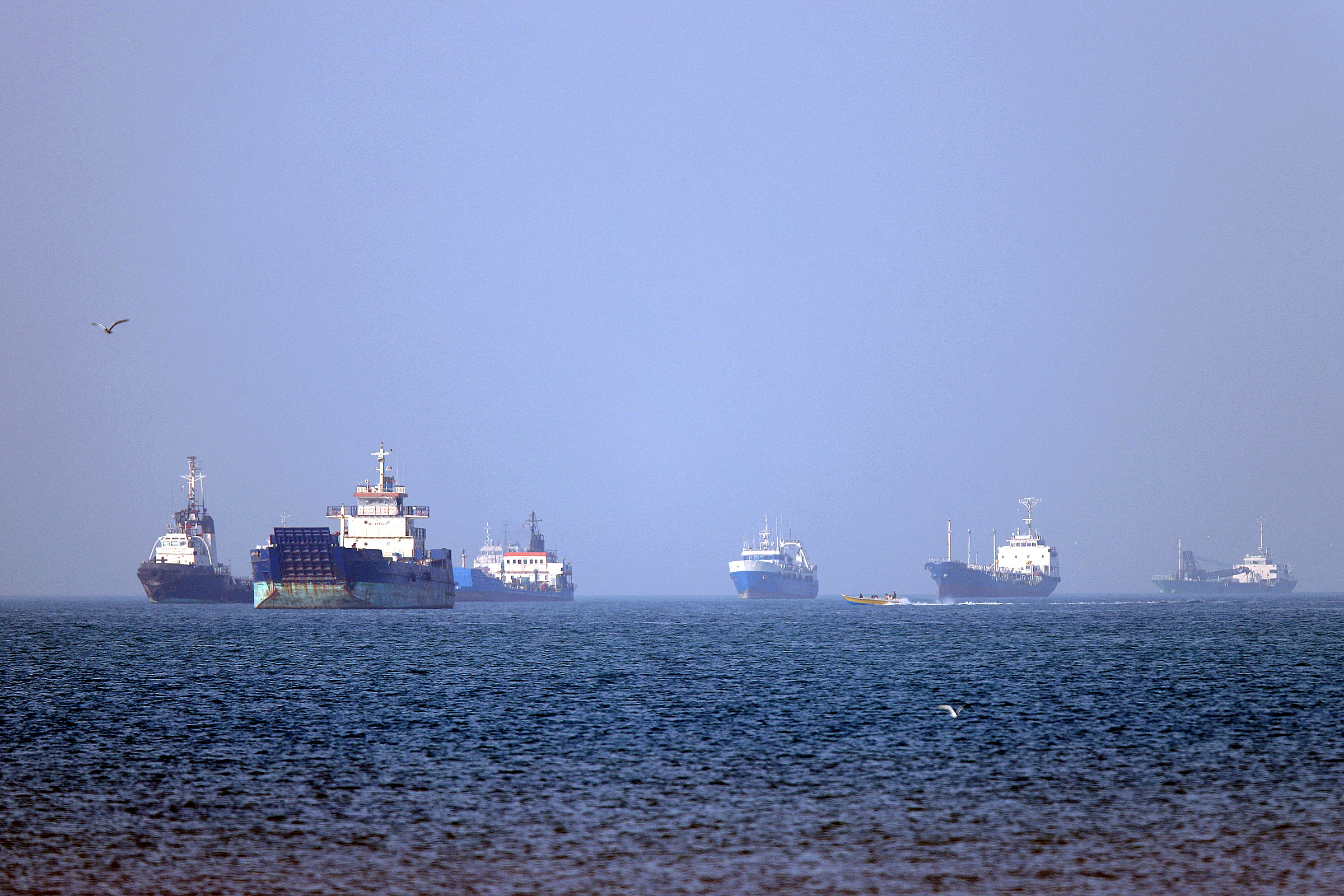 |
Ships at anchor in the strait of Hormuz on 4/5. Photo: AFP |
Chinese Foreign Minister Wang Yi and China's Ambassador to Iran reportedly contacted Tehran to request facilitation for the ships' passage through the strait.
Iran's Ambassador to China, Abdolreza Rahmani Fazli, described the agreement allowing Chinese ships through the strait of Hormuz as a way to underscore Tehran's position as an "important partner" for Beijing.
Prior to the outbreak of conflict, over 1 million barrels of Iranian oil were exported daily to China via the Persian Gulf. The conflict had led to the strait of Hormuz being almost entirely blocked, though Iranian vessels and those linked to China continued to use the route, albeit at a much lower frequency of only a few ships per day.
It remains unclear whether the Chinese vessels granted passage will be subject to new fees Iran seeks to impose, or if they will be permitted to bypass the US-imposed blockade in the area.
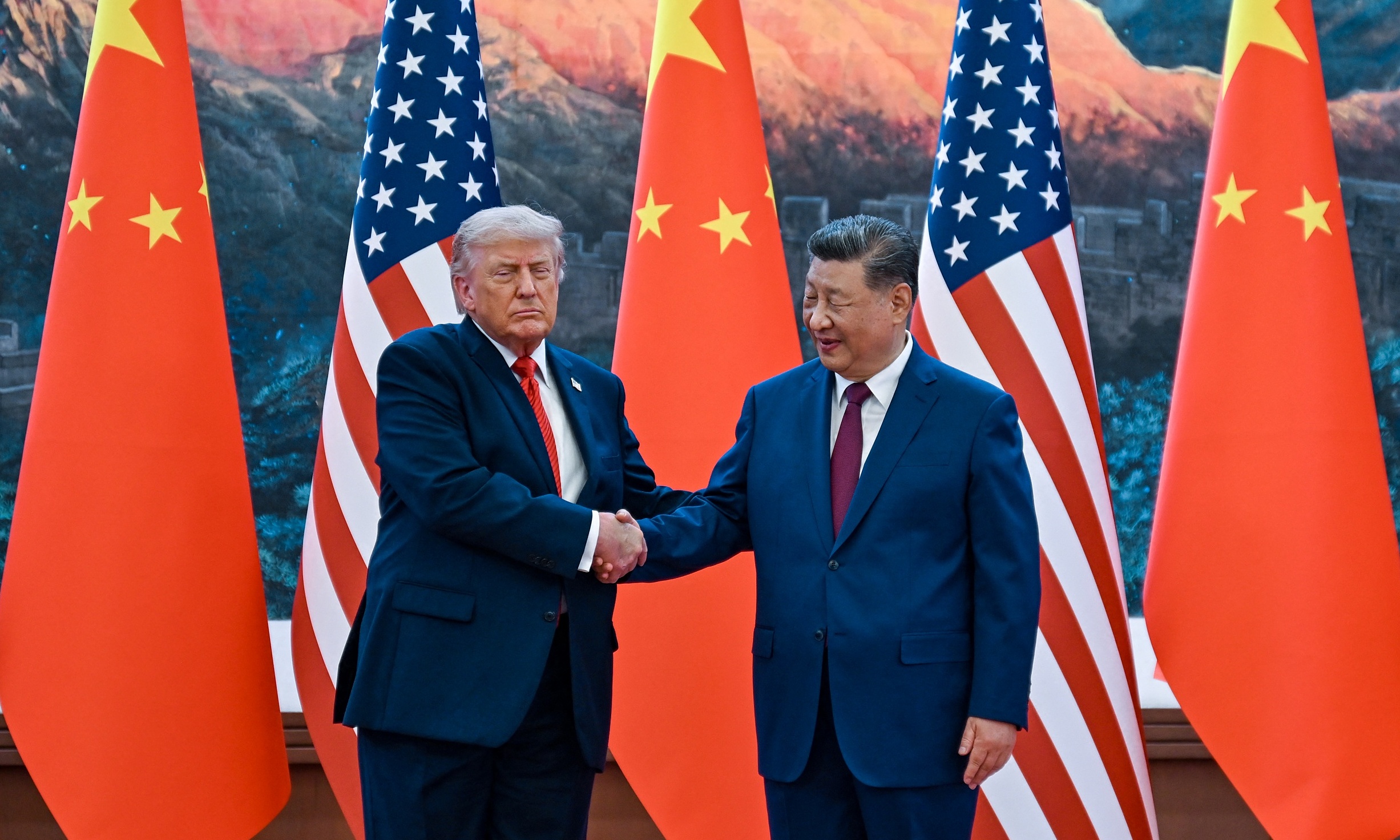
This development occurred as US President Donald Trump was on a state visit to China, meeting with President Xi Jinping. The two leaders discussed Iran and the strait of Hormuz during their talks in Beijing.
In an interview on 14/5, Trump stated that Xi "very emphatically said he would not be supplying military equipment to Iran". "He wants to see the strait of Hormuz open and said, 'if there is any way I can help, I am willing to help'. President Xi wants to see a deal signed," the US President added.
Beijing has not yet commented on Trump's statements.
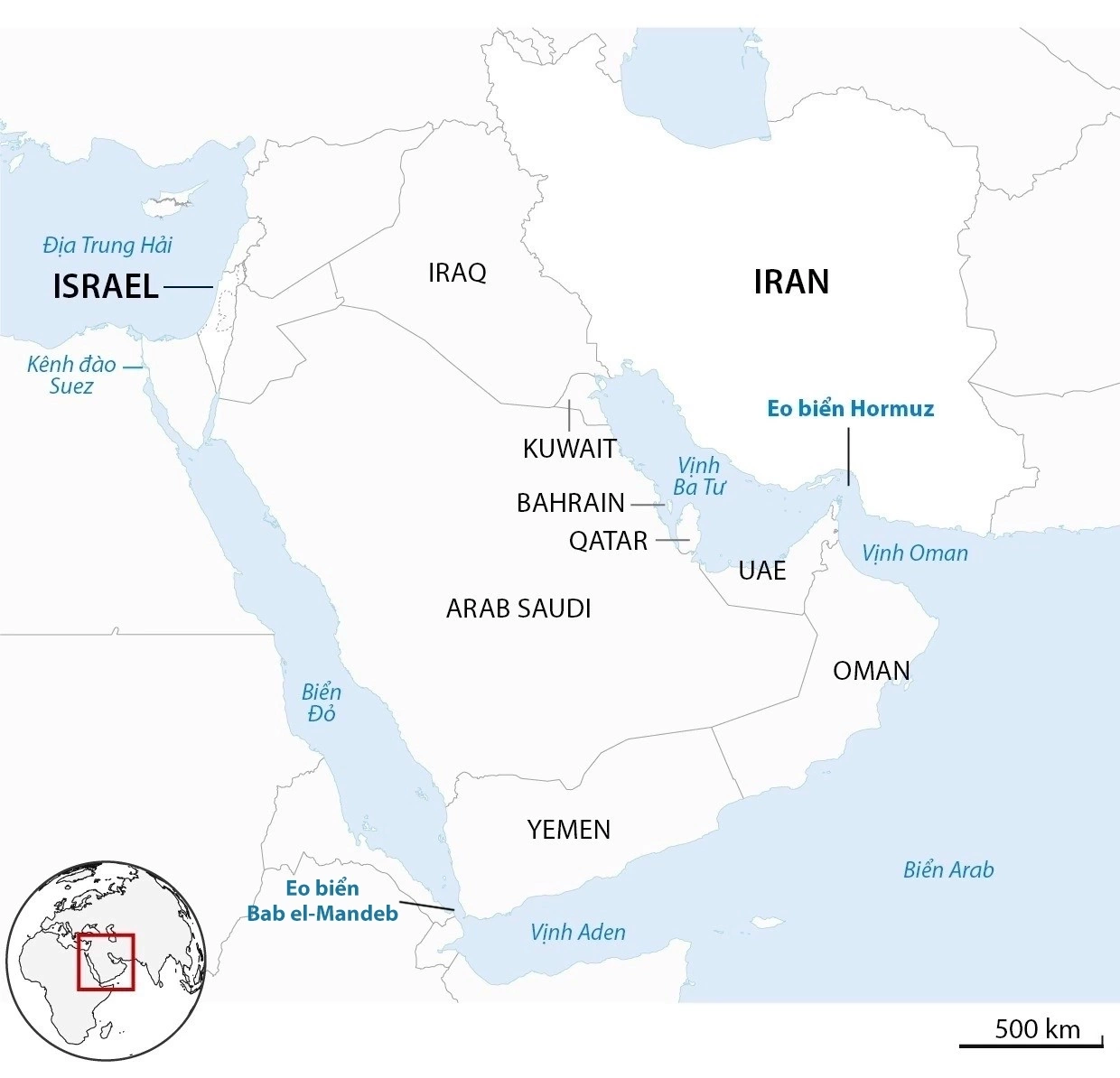 |
Location of the strait of Hormuz. Graphic: Guardian |
China maintains close ties with Iran and is the largest consumer of oil from the West Asian nation. Prior to the US President's trip to China, many anticipated he would press Beijing to exert pressure on Tehran to accept a peace agreement and reopen the strait of Hormuz.
In a statement following the meeting between the two leaders in Beijing, the White House said China agreed that the strait "must be kept open". Beijing also opposes militarization and the imposition of fees for passage through the strait.
However, US Secretary of State Marco Rubio stated on 14/5 that Washington did not request Beijing's assistance regarding the issue with Tehran.
By Huyen Le (According to AFP, Reuters, NY Post)