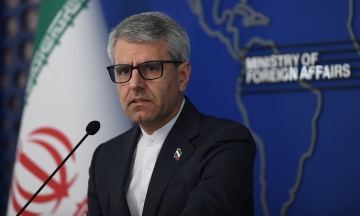
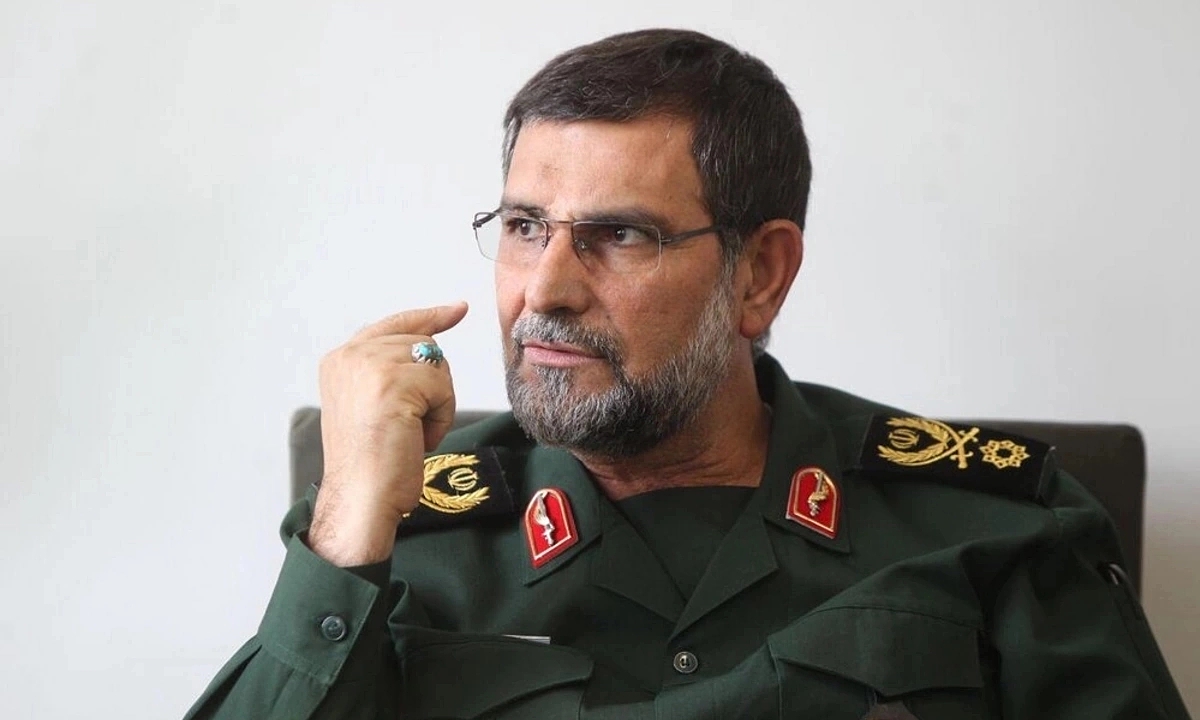
On 30/3, Tasnim news agency quoted a member of Iran's National Security and Foreign Policy Committee stating that the fee collection system for vessels transiting the Strait of Hormuz will utilize the Iranian rial.
The plan outlines provisions for Iran to assert its sovereignty over the strategic shipping lane. It proposes cooperation with Oman, located on the opposite side of the strait, to develop a relevant legal framework.
Iran's national radio and television (IRIB) reported that the Strait of Hormuz management plan includes measures to ensure security, maritime safety, environmental protection, and the role of Iran's armed forces. The legislation also prohibits vessels linked to the US, Israel, and nations imposing unilateral sanctions against Iran from transiting the strait.
The Strait of Hormuz is a vital global shipping lane for oil and liquefied natural gas (LNG) transport.
During peacetime, approximately 20% of global crude oil and LNG supplies traverse this area. However, since the Middle East conflict erupted, vessel traffic has decreased by approximately 95%, according to data from maritime analytics firm Kpler.
These developments occur as the conflict between Iran and the US - Israel enters its second month with no signs of abatement.
The National Security and Foreign Policy Committee of Iran's parliament is a specialized body with significant legislative authority in foreign affairs, defense, intelligence, and security. The committee is tasked with developing national strategy, evaluating foreign agreements, and advising on military operations, including its recent decisions concerning the Strait of Hormuz.
Iran has permitted some vessels from Malaysia, China, Egypt, South Korea, and India to traverse the Strait of Hormuz. On 26/3, Iranian officials released a specific list of "friendly countries" allowed to use the strait for unobstructed commercial activities: India, Pakistan, Iraq, China, and Russia.
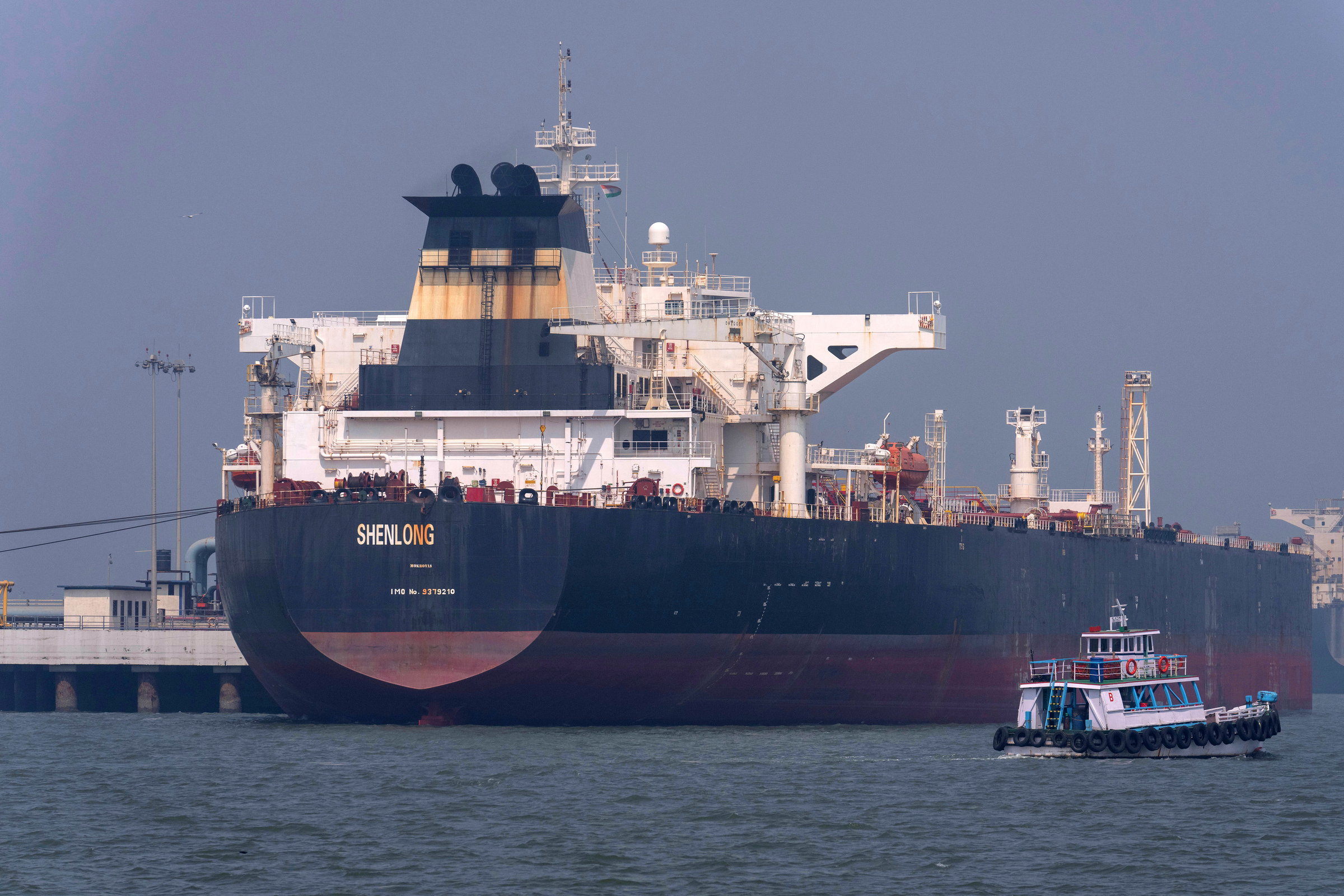 |
The Shenlong Suezmax oil tanker docked in India after crossing the Strait of Hormuz on 12/3. Photo: AP |
On 30/3, US Treasury Secretary Scott Bessent suggested many nations have reached separate agreements with Iran to maintain transport operations through the area. He declared Washington would "regain control" of the Strait of Hormuz and ensure freedom of navigation, possibly by deploying US or multinational escort forces.
US President Donald Trump also warned of potential attacks on Iran's civilian energy infrastructure, including power plants, oil wells, and Kharg Island — an "oil lifeline" — if Tehran fails to reopen the Strait of Hormuz for international trade.
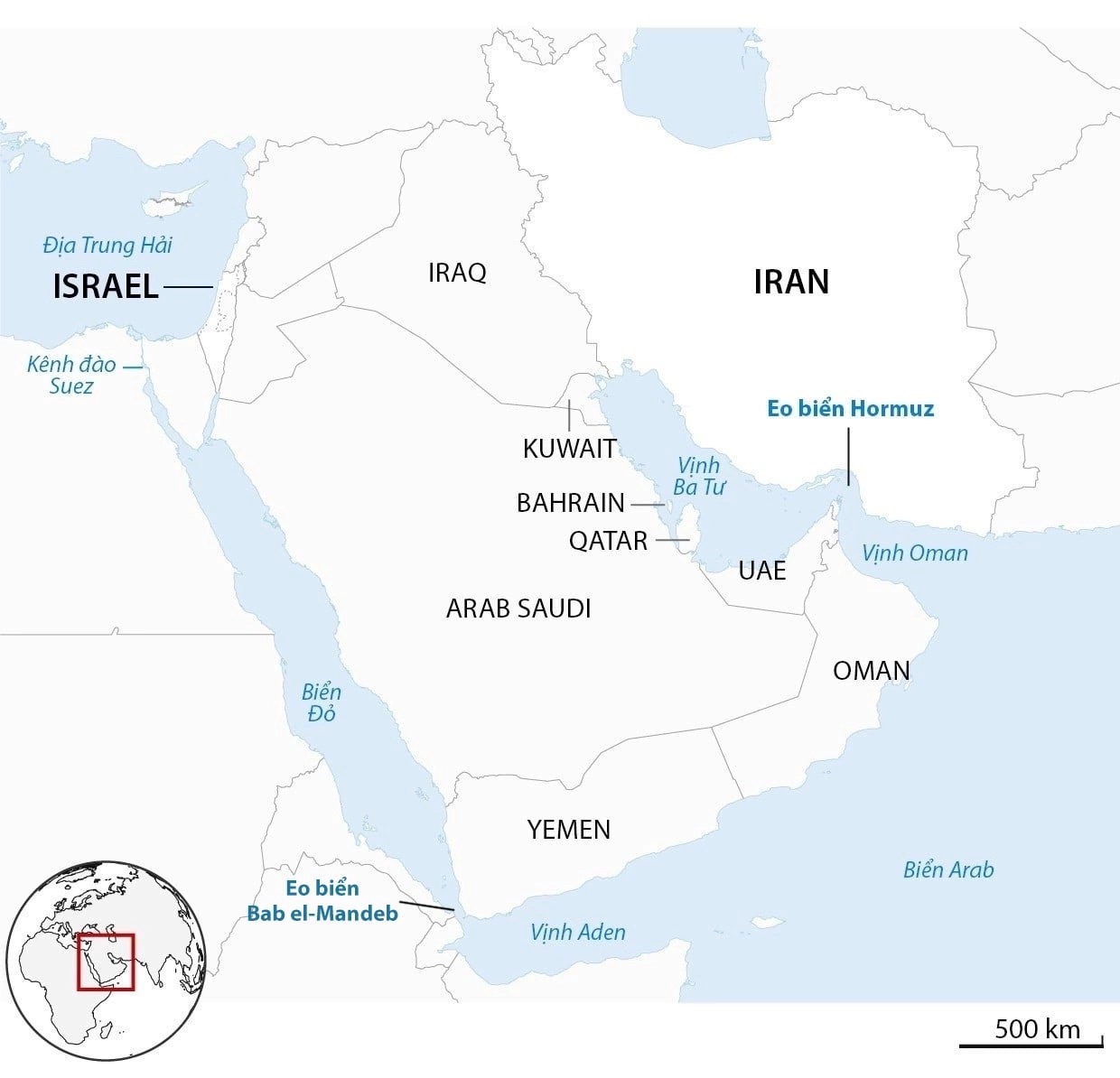 |
Location of the Strait of Hormuz. Graphic: Guardian |
By Thanh Danh (AFP, Hindustan Times, TASS)