Iran's Foreign Ministry spokesperson, Esmaeil Baghaei, announced today that while no direct negotiations have occurred between the United States and Iran, Tehran has received messages through intermediaries indicating Washington's readiness for talks.
"Iran's position has been clear from the outset, and we are well aware of the negotiation framework we are considering," Baghaei stated. "The proposal conveyed to us is unrealistic, unreasonable, and excessive."
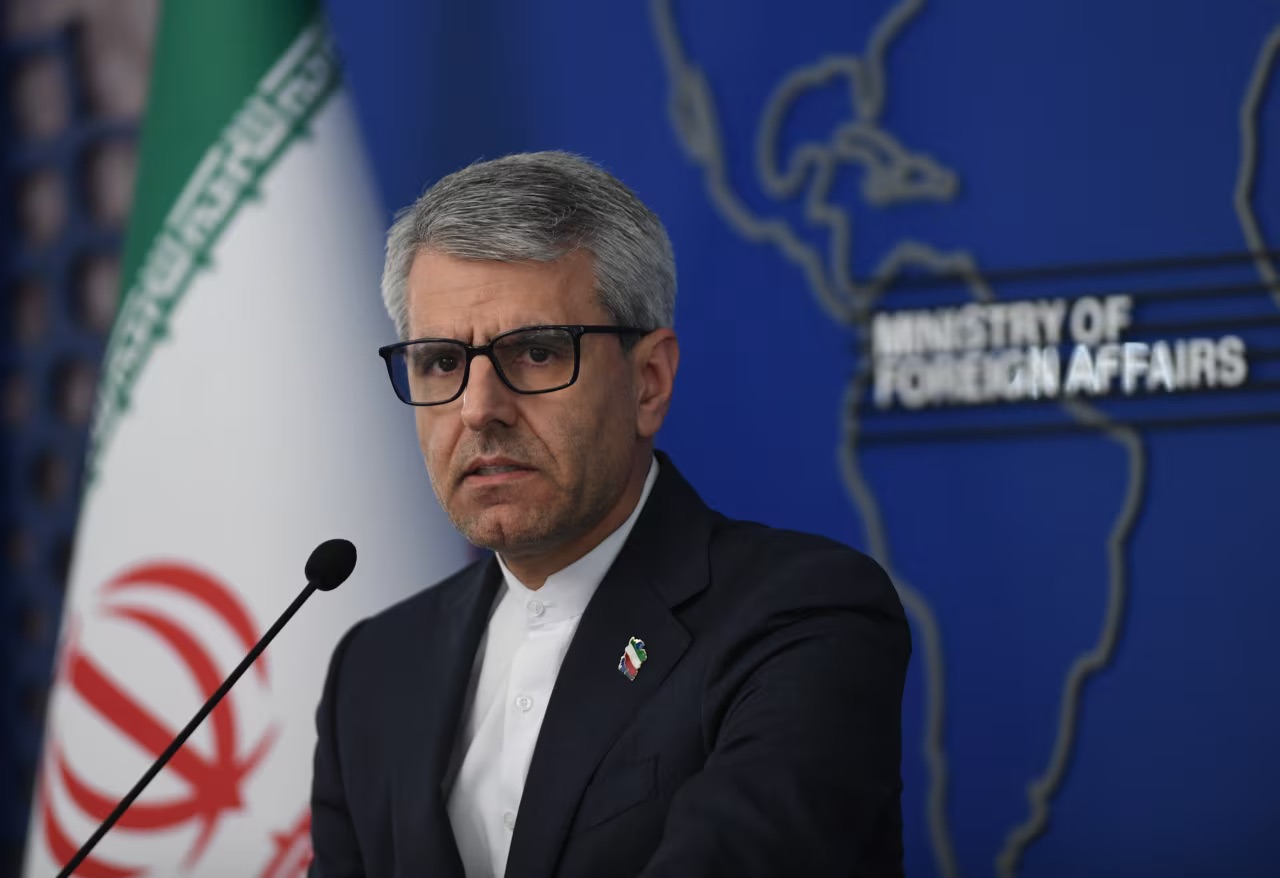 |
Iranian Foreign Ministry spokesperson Esmaeil Baghaei at a press conference in Tehran on 10/2. Photo: Xinhua |
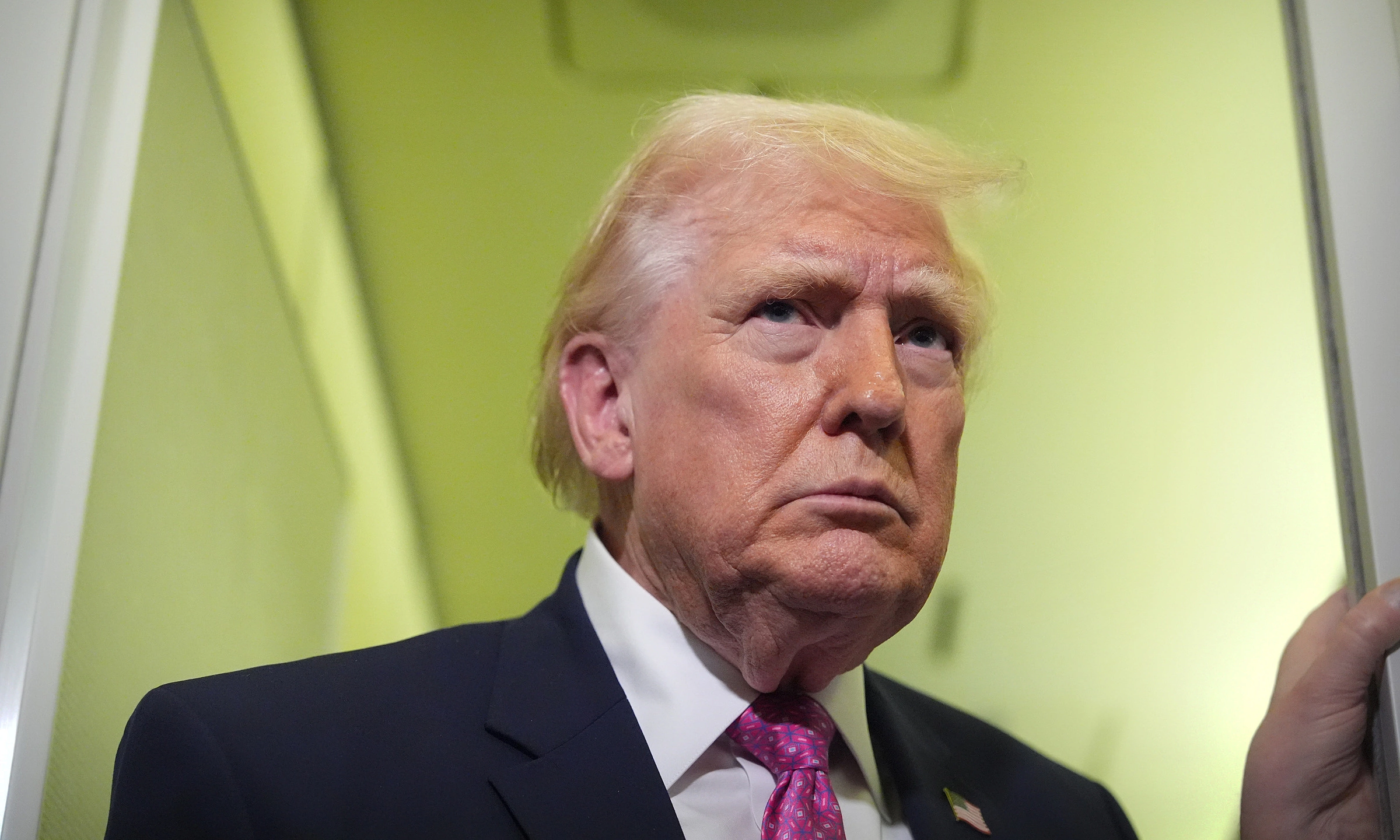
Iran's comments followed US President Donald Trump's statement on 29/3 that Tehran had accepted "most" of the 15-point ceasefire plan proposed by the United States.
The 15-point proposal has not been publicly disclosed. However, it reportedly addresses a range of issues, including: easing sanctions, civilian nuclear cooperation, scaling back Iran's nuclear program, monitoring by the International Atomic Energy Agency (IAEA), demands to limit Iran's missile program, and the movement of vessels through the Hormuz Strait.
According to Trump, the proposed framework was delivered to Iran via Pakistani intermediaries as part of indirect talks between the two countries.
"I wonder how many people in the United States seriously consider their foreign policy," Baghaei added. "Our mission is clear, unlike our adversary, which constantly shifts its stance."
He further stated that Iran is currently under military attack, and thus the country will focus all its efforts and strength on self-defense. Baghaei also mentioned that Iran did not participate in any recent meetings organized by Pakistan with regional countries, emphasizing that these took place within a framework that Tehran does not endorse.
"The meetings Pakistan organized with neighboring countries were within their own established framework, and we are not part of that framework," he said.
Foreign ministers from Pakistan, Egypt, Saudi Arabia, and Turkey met in Islamabad on 29/3 for initial discussions on the conflict. These discussions primarily focused on proposals to reopen the Hormuz Strait.
Pakistan indicated last weekend its readiness to host talks between the United States and Iran "in the coming days." However, Iranian Parliament Speaker Mohammad Baqer Qalibaf accused the United States of simultaneously signaling negotiations while secretly planning a ground attack on Iran. He declared that Iranian soldiers are ready to respond if US troops attack the country.
The conflict between the United States and Israel and Iran over the past month has resulted in more than 3,000 fatalities. This has caused a sharp rise in oil prices and put significant pressure on the global energy market as fighting spreads and threatens strategic shipping routes.