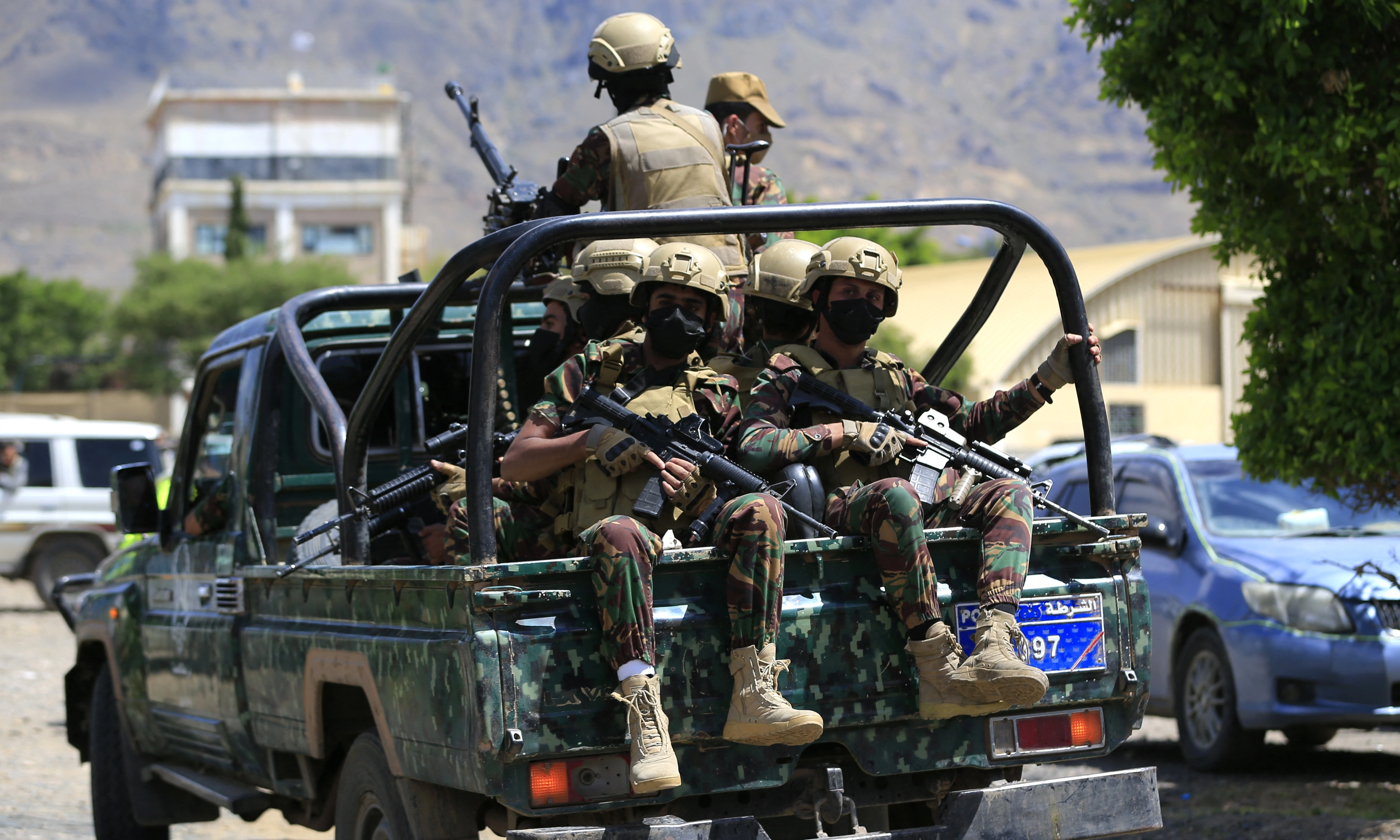
The Islamic Revolutionary Guard Corps (IRGC) announced operations in the Strait of Hormuz area on 31/7, stating that "non-compliant oil tankers were attacked and forced to stop." According to the IRGC, four other oil tankers quickly changed course and returned to their original position following the incident.
The IRGC claimed its forces attacked two oil tankers attempting to pass through "an undeclared route" under "air escort" by the US military. The group asserted that these two vessels ignored warnings from Iran. In response to what it called "false claims" by CENTCOM (US Central Command), the IRGC added: "We have informed all ship owners and insurance companies not to heed CENTCOM's announcements."
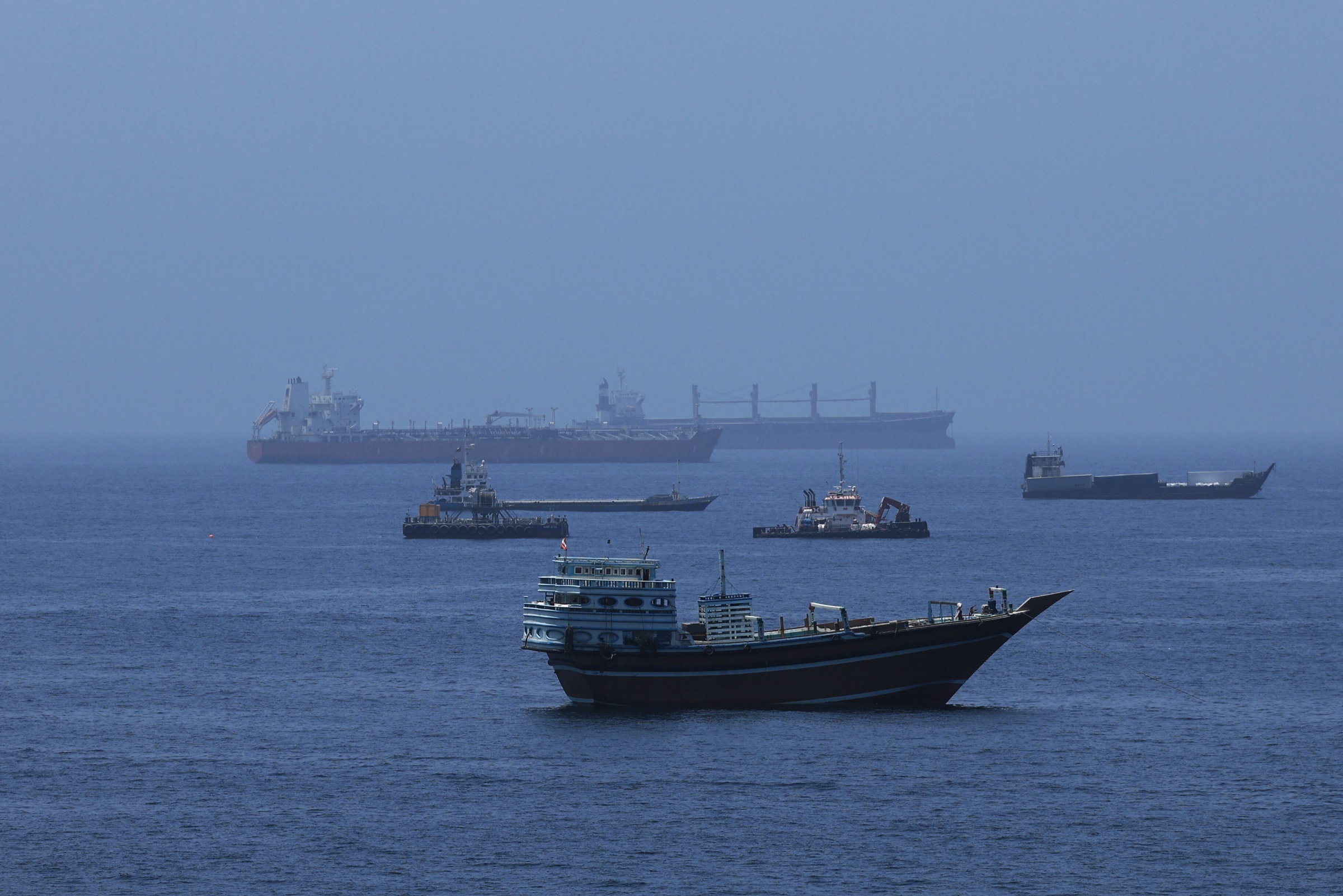 |
Commercial cargo ships and crude oil tankers anchored in the Gulf of Oman, off the coast of Muscat, Oman, preparing to transit the Strait of Hormuz on 21/6. *Photo: AFP* |
CENTCOM previously stated that US forces redirected 24 commercial vessels in the Strait of Hormuz and disabled and boarded four other vessels "to ensure full compliance with regulations." CENTCOM also rejected the IRGC's claim that transit through the Strait of Hormuz is unsafe, asserting that the main threat to civilian crews remains actions from Iran.
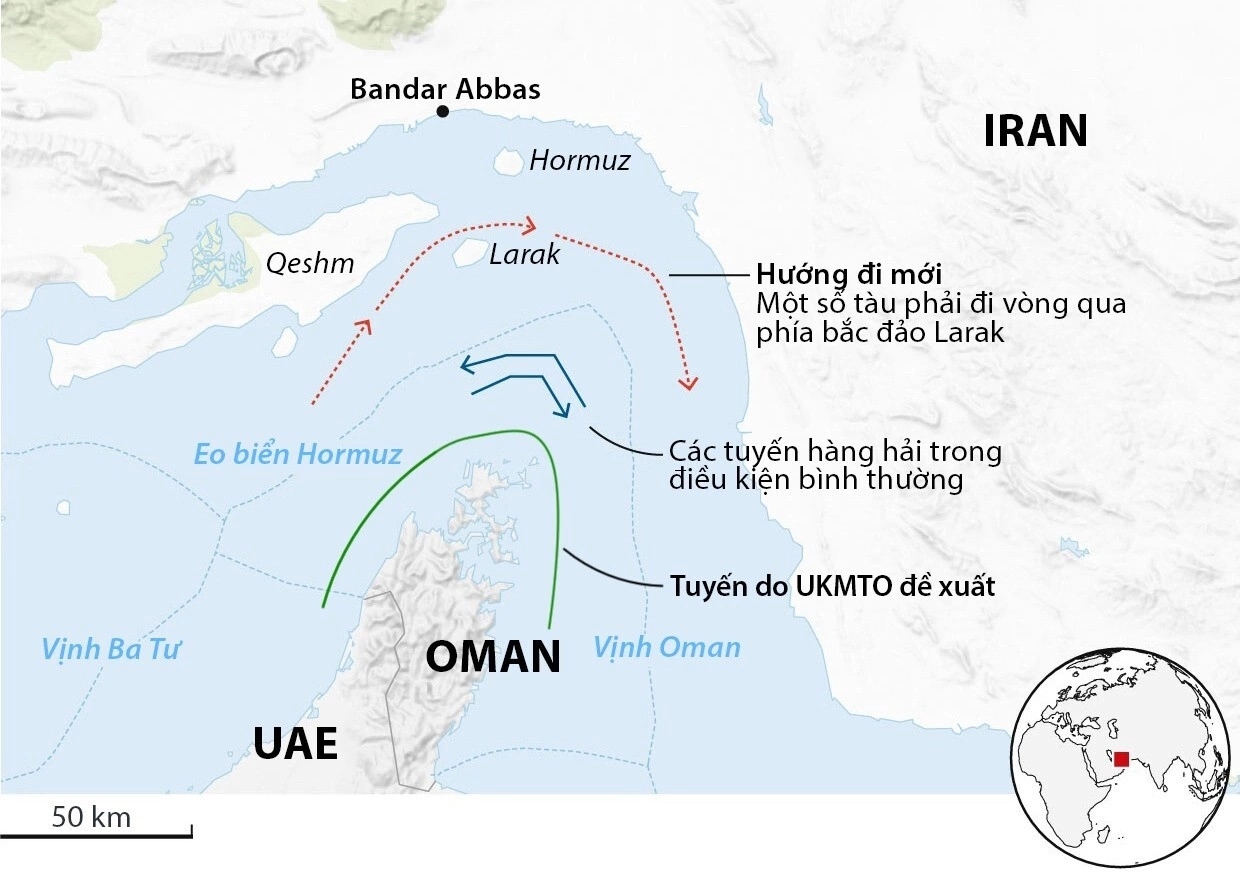 |
Transit route through the Strait of Hormuz. *Graphic: Guardian* |
Regional tensions escalated when the US, in coordination with Oman and the International Maritime Organization (IMO), established a new route south of the Strait of Hormuz. This route, located entirely within Omani territorial waters, encourages commercial vessels to choose it instead of using the northern route through Iranian territorial waters.
Iran accused the US of "imposing its will" on the Omani government by attempting to route numerous vessels through the Strait of Hormuz via an "illegal maritime route" in the southern area. Cargo ships transiting this strait have been attacked, leading to tit-for-tat strikes between Iran and the US.
By Ngoc Anh (According to AFP, AA)