"We are not demanding any concessions. The only thing we demand is our legitimate rights," said Iranian foreign ministry spokesperson Esmail Baghaei at a regular press conference today, referring to the conflict resolution proposal the country recently submitted to the United States.
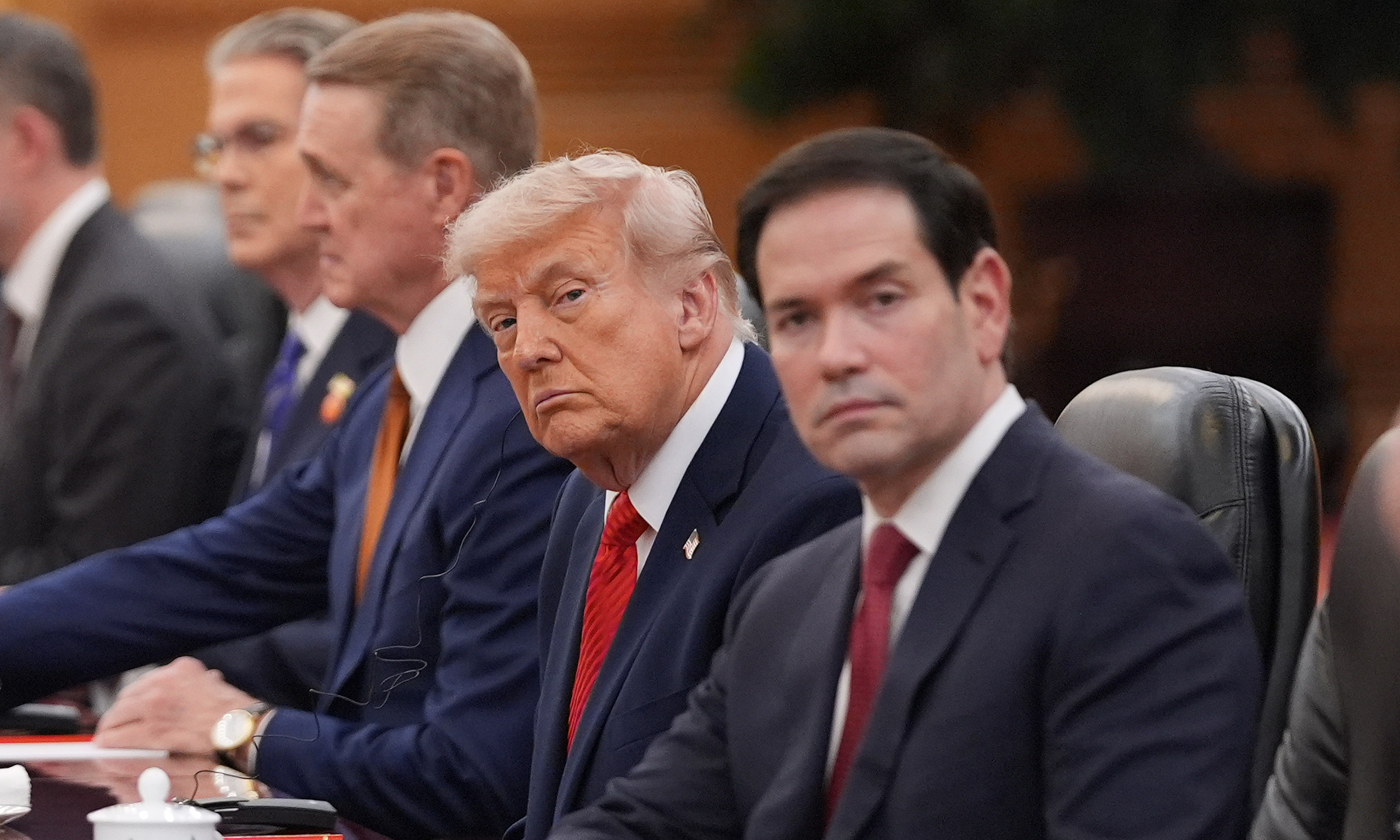
Baghaei's statement followed US President Donald Trump's post on Truth Social, where he wrote that he "just read the response from 'Iran's representatives'" regarding the US peace proposal, declaring the document "unacceptable" but providing no details on its content.
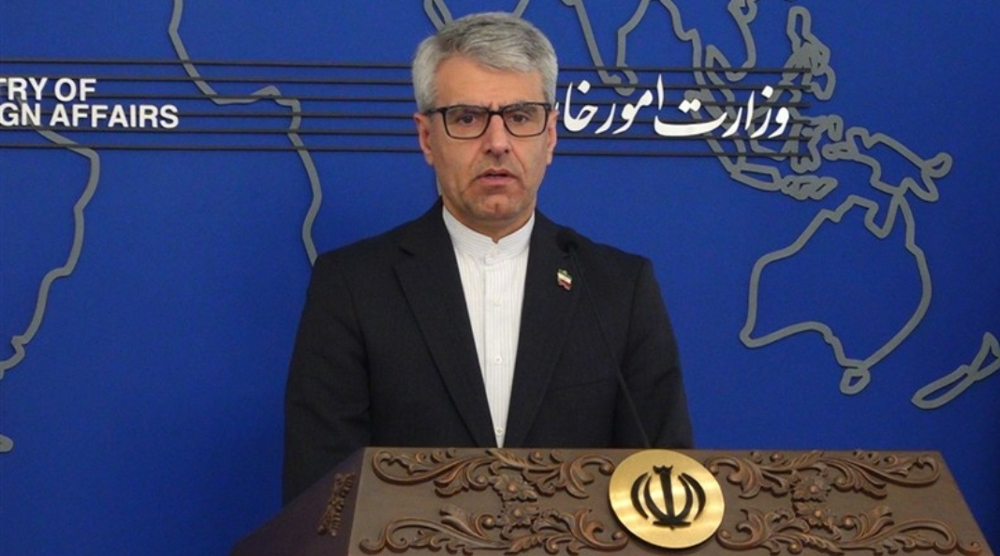 |
Iranian foreign ministry spokesperson Esmail Baghaei. *Photo: PressTV*.
In a subsequent interview with Axios, Trump stated, "I don't like Iran's letter, it's totally unsuitable, I don't like their response," while also accusing Iran of "destabilizing many nations for 47 years."
"Is our proposal for ensuring maritime safety through the Strait of Hormuz unreasonable?" Baghaei questioned, refuting Trump's statement. "Is the effort to establish peace and security across the entire region irresponsible?"
He noted that Iran's proposal focuses on ending regional warfare, preventing attacks on Iranian vessels, and securing the release of the country's assets frozen for many years.
"Every term we put forth in the proposal is reasonable, generous, and aims to benefit the region and the entire world," he added, emphasizing that these cannot be considered excessive or irresponsible demands.
The Iranian foreign ministry spokesperson argued that all issues raised by Iran should have been open for discussion. However, he accused the United States of "continuing to insist on unreasonable demands."
When asked about reports that both Iran and the United States lacked the will to continue negotiations, Baghaei stated that Tehran's current priorities are ending wars on all fronts, including in Lebanon, ensuring security in the Strait of Hormuz, and preventing hostile actions and the blockade of vessels. He described these priorities as "responsible and reasonable" in the current context.
Commenting on the future of Iran-US negotiations and the potential for renewed conflict, Baghaei declared that Iran is ready to fight whenever necessary but will also utilize diplomatic channels whenever effective to protect national interests.
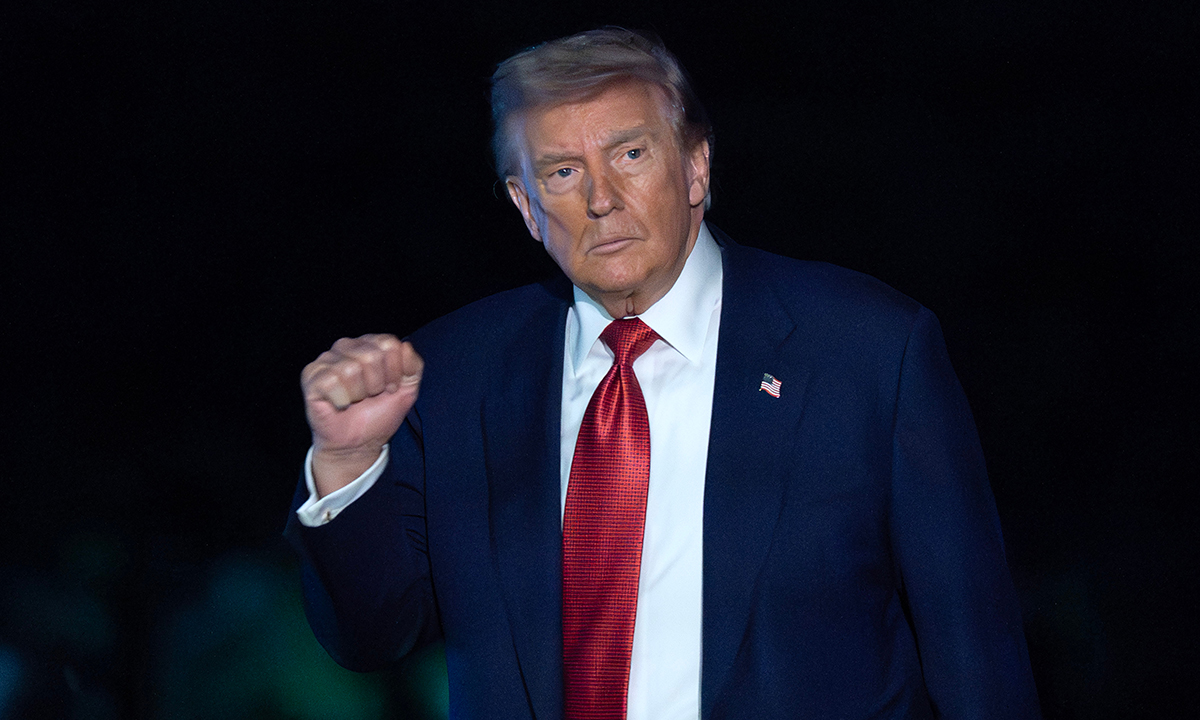 |
US President Donald Trump on the South Lawn of the White House on 8/5. *Photo: AP*.
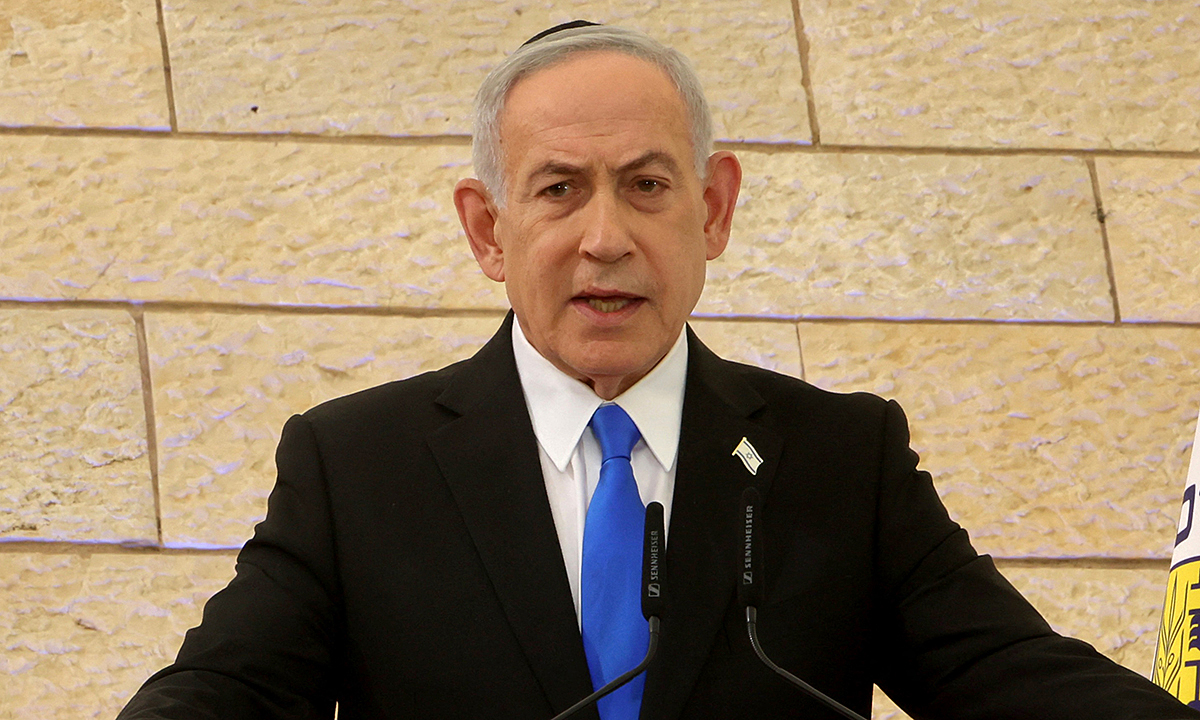
In his interview with Axios, Trump mentioned he had spoken with Israeli Prime Minister Benjamin Netanyahu about Iran's response and other issues.
"This was a very successful call; our relationship is good," Trump said about Netanyahu. "Negotiations with Iran are my issue, not everyone else's."
Iranian officials stated that through its newly submitted response, the country rejected the US proposal, which they view as a "demand for surrender." President Masoud Pezeshkian declared, "Iran will never bow to the enemy; if dialogue or negotiations occur, it will not be an act of surrender or retreat."
Iran's Tasnim news agency quoted a source who said Trump's reaction to the peace proposal was "not important" to Tehran.
"No one in Iran drafted the proposal to please Trump," the source stated. "The negotiating team only put forward what aligns with the interests of the Iranian people, and it will be better if Trump is not satisfied."
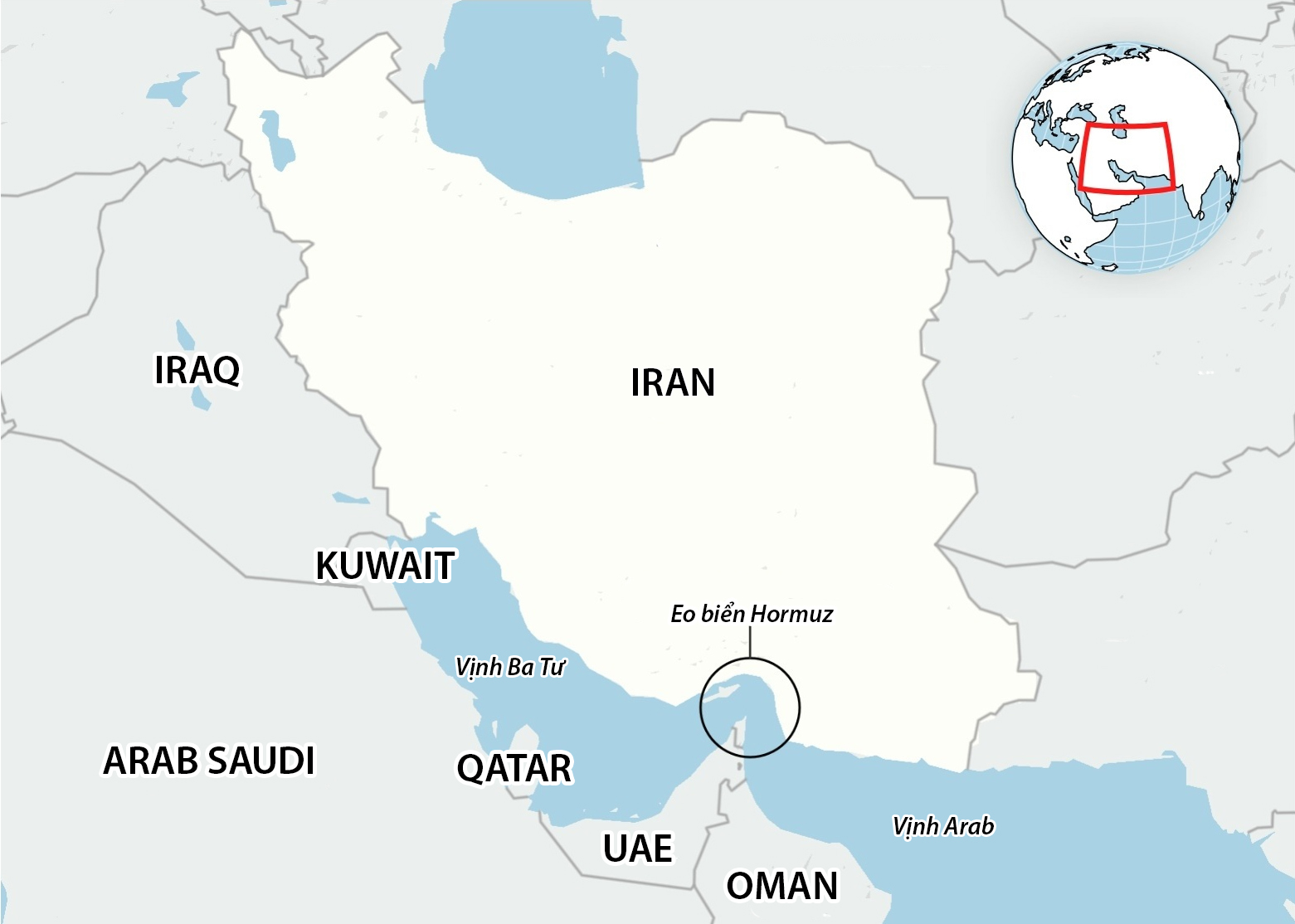 |
Location of the Strait of Hormuz. *Graphic: Guardian*.
Iran's state television IRIB reported that in its proposal, Iran seeks compensation for conflict damages and asserts sovereignty over the Strait of Hormuz. Additionally, the country called on the United States to end its maritime blockade, ensure no further attacks, lift sanctions, and revoke Washington's oil sales ban on Tehran.
The Wall Street Journal reported that Iran also rejected US demands regarding its nuclear program and enriched uranium stockpile. Iran stated it wants to hold separate negotiations, proposing to dilute a portion of its enriched uranium and transfer the remainder to a third country. This uranium would be returned if the United States withdraws from any final agreement.
The United States and Israel began an attack on Iran on 28/2, with fighting ceasing after a ceasefire on 8/4 to allow Washington and Tehran to negotiate. Iran maintains tight control over the Strait of Hormuz, while the United States imposed a blockade on Iranian ports in response.
Nguyen Tien (According to AFP, AP, Axios, CNBC)