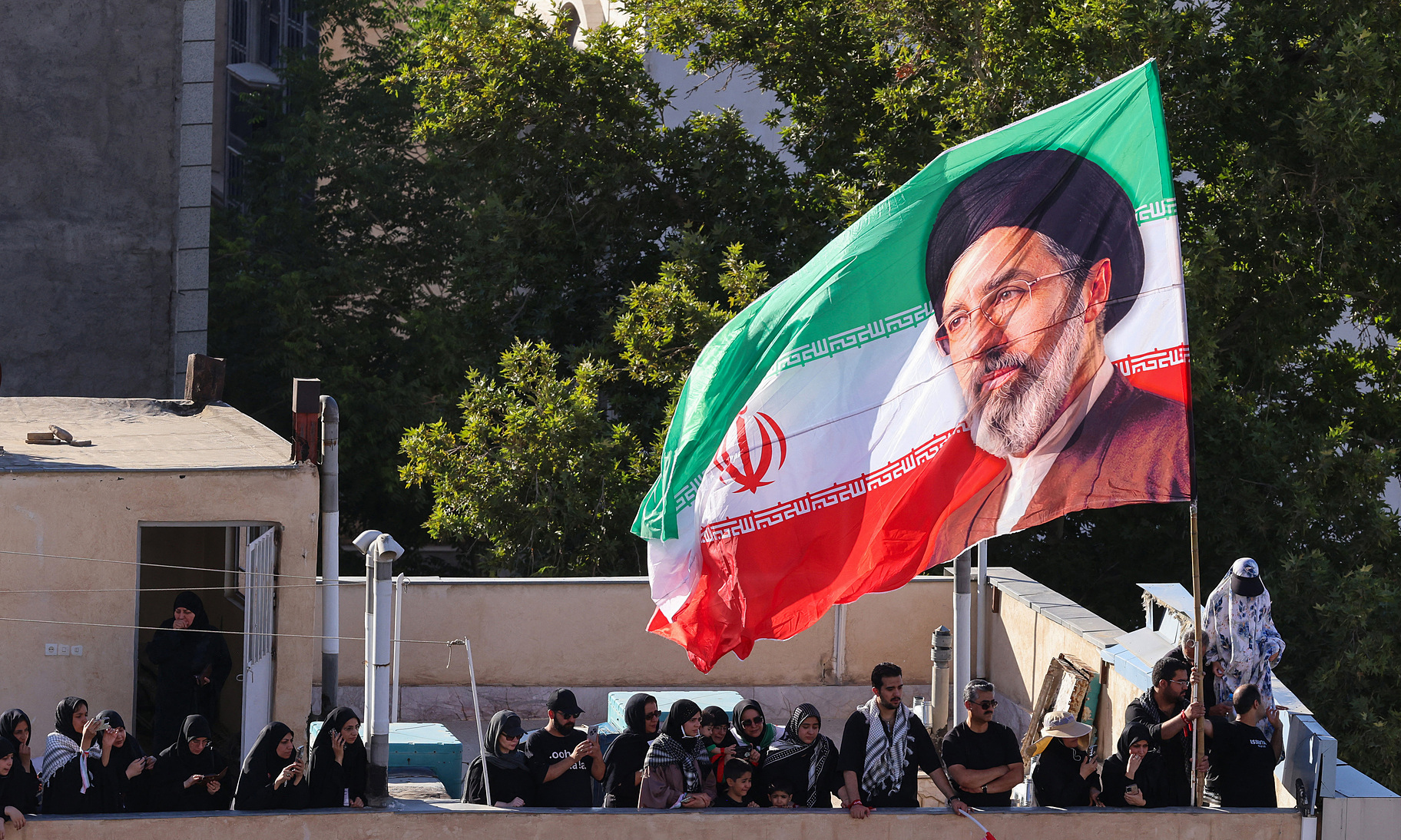
The Islamic Revolutionary Guard Corps (IRGC) Navy announced on 12/7 that the Strait of Hormuz would be closed "until further notice and until the US ceases its interference in the region," Iran's state broadcaster (IRIB) reported. The IRGC cited an "unstable situation caused by illegal interference from external forces" as the reason.
The IRGC declared that all civilian and military vessels are prohibited from passing through the strait. It accused some vessels of "ignoring warnings" and failing to use a route approved by Tehran.
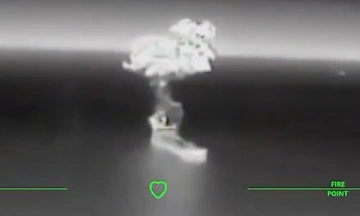
Iran's Fars news agency reported that in a recent incident, a vessel turned off its identification system, which "endangered maritime security." After repeated warnings went unheeded, the IRGC Navy fired cruise missiles at the vessel, compelling it to stop.
Iran opposes any attempts to establish an "illegal maritime route" through the strait. It warned that any future attacks or actions deemed violations would be met with a strong response. The IRGC stated its readiness to expand retaliation targets to include other enemy bases in the region, beyond those recently attacked.
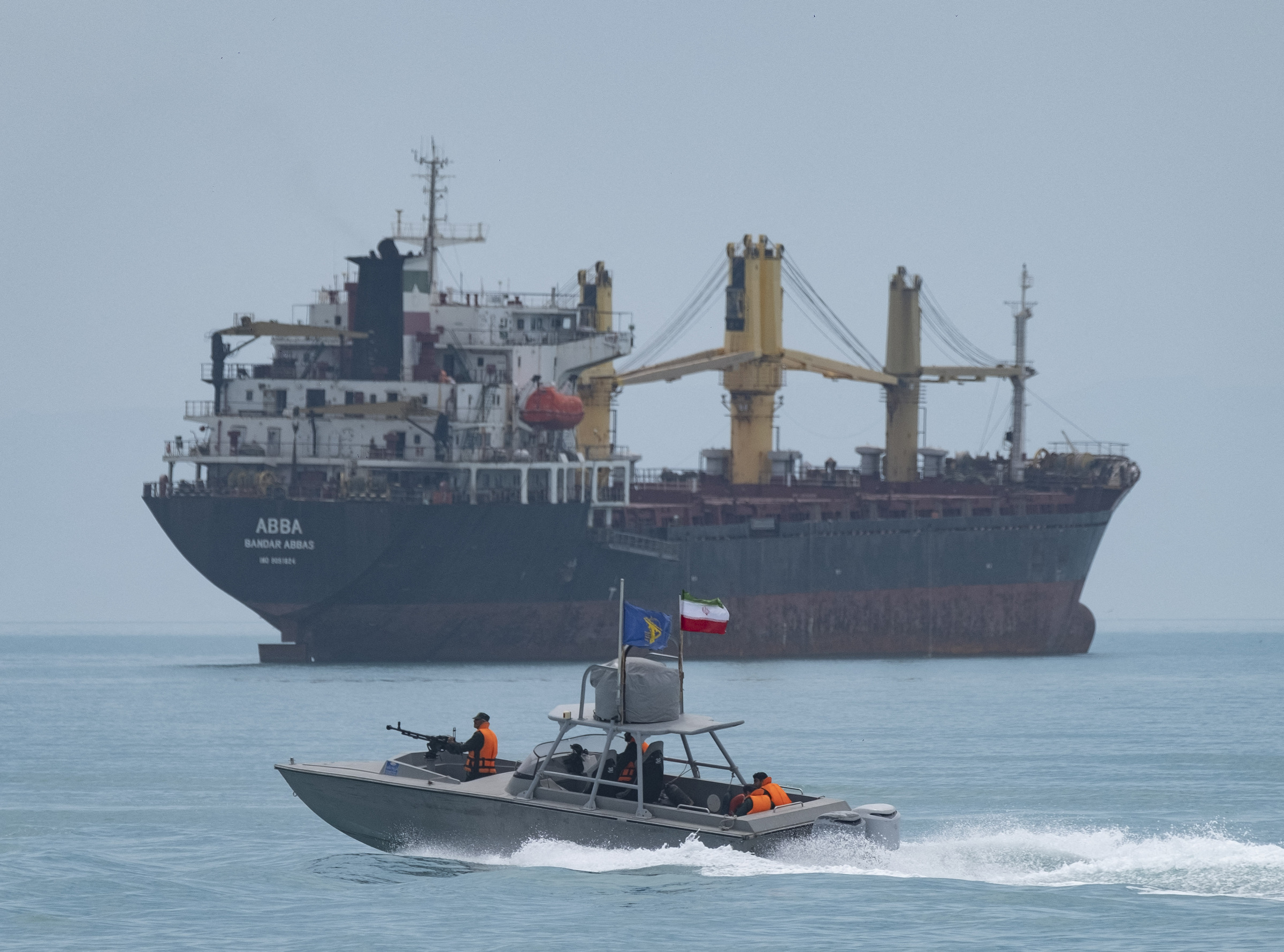 |
IRGC speedboats moving near a cargo ship in the Persian Gulf in 4/2024. Photo: AFP
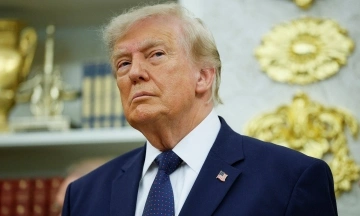
US officials have yet to comment on Iran's latest announcement. On 10/7, US President Donald Trump declared the ceasefire over, though he noted that dialogues between Washington and Tehran would persist.
On 11/7, Iran's Ambassador to the United Nations, Amir Saeid Iravani, accused the US of violating its obligations under the June ceasefire and peace roadmap memorandum. He stated that the US had conducted large-scale military attacks against Iran's sovereignty and territorial integrity.
Ambassador Iravani stated that Iran is committed to fully implementing the memorandum only if the US also adheres to its obligations. He warned that Tehran would no longer be bound by the agreement if Washington continued its violations.
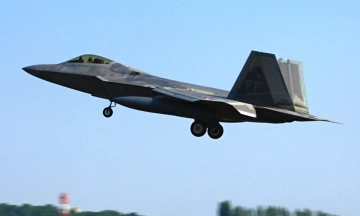
Iranian targets hit by US airstrikes in a video released on 8/7. Video: CENTCOM
The 14-point memorandum signed by the US and Iran in mid-June included Article 5. This article stipulated Iran's commitment to facilitating safe and free passage for commercial vessels through the Persian Gulf - Gulf of Oman route within 60 days.
Iran was also to coordinate with Oman and other Persian Gulf states to establish a mechanism for managing and providing maritime services in the Strait of Hormuz, based on international law.
However, the document did not specify implementation methods, leading to varying interpretations of each clause. Iran believes it holds the primary role in coordinating vessel activities through Hormuz, while the US considers Article 5 essential for restoring freedom of navigation in the strait.
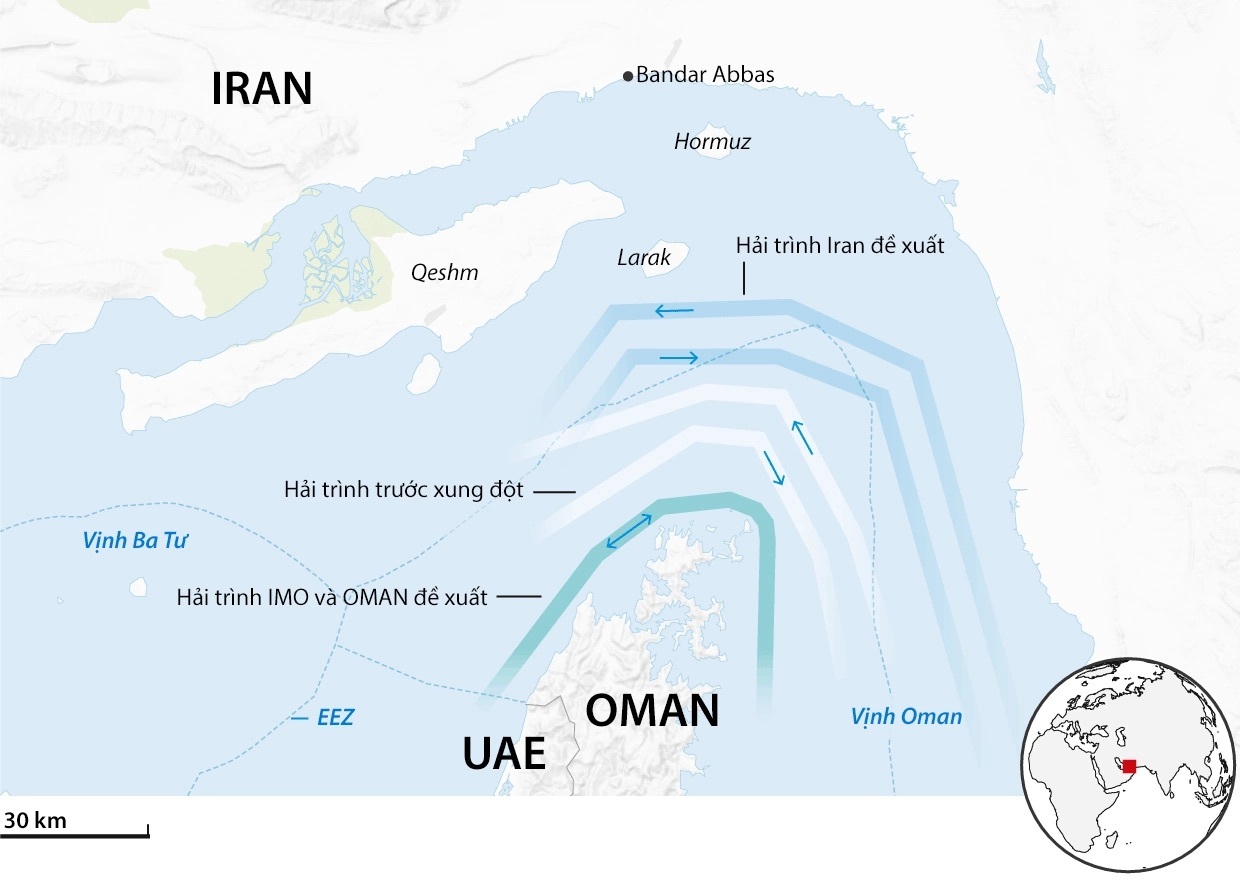 |
Maritime routes through the Strait of Hormuz. Graphic: Guardian
Iran's anger intensified as the US, in coordination with Oman and the International Maritime Organization (IMO), established a new route south of Hormuz. This route, entirely within Omani territorial waters, encouraged commercial vessels to bypass the northern route that traverses Iranian territorial waters.
The rift became evident on 25/6, when the cargo ship Ever Lovely was attacked off the coast of Oman. The US blamed Iran for the attack and retaliated with airstrikes on several Iranian coastal targets on 26/6. Iran responded by striking US military positions in the region. This cycle of retaliatory actions has occurred repeatedly in recent days, undermining the ceasefire agreement.
By Thanh Danh (Source: Al Jazeera, CNN, AFP)