"Frankly, my preferred option is to take oil from Iran. However, some foolish individuals in the US say, 'Why do that?' They are truly foolish," US President Donald Trump said in an interview on 29/3 with the Financial Times.
On 27/3, when asked if the US aimed to "control Iran's oil resources," Trump confirmed that it was one of the issues Washington had considered.
Trump suggested that the US "taking Iranian oil" is similar to the case of Venezuela. US officials declared their intent to control Venezuela's oil and gas industry "indefinitely" after a raid to arrest President Nicolas Maduro on 3/1.
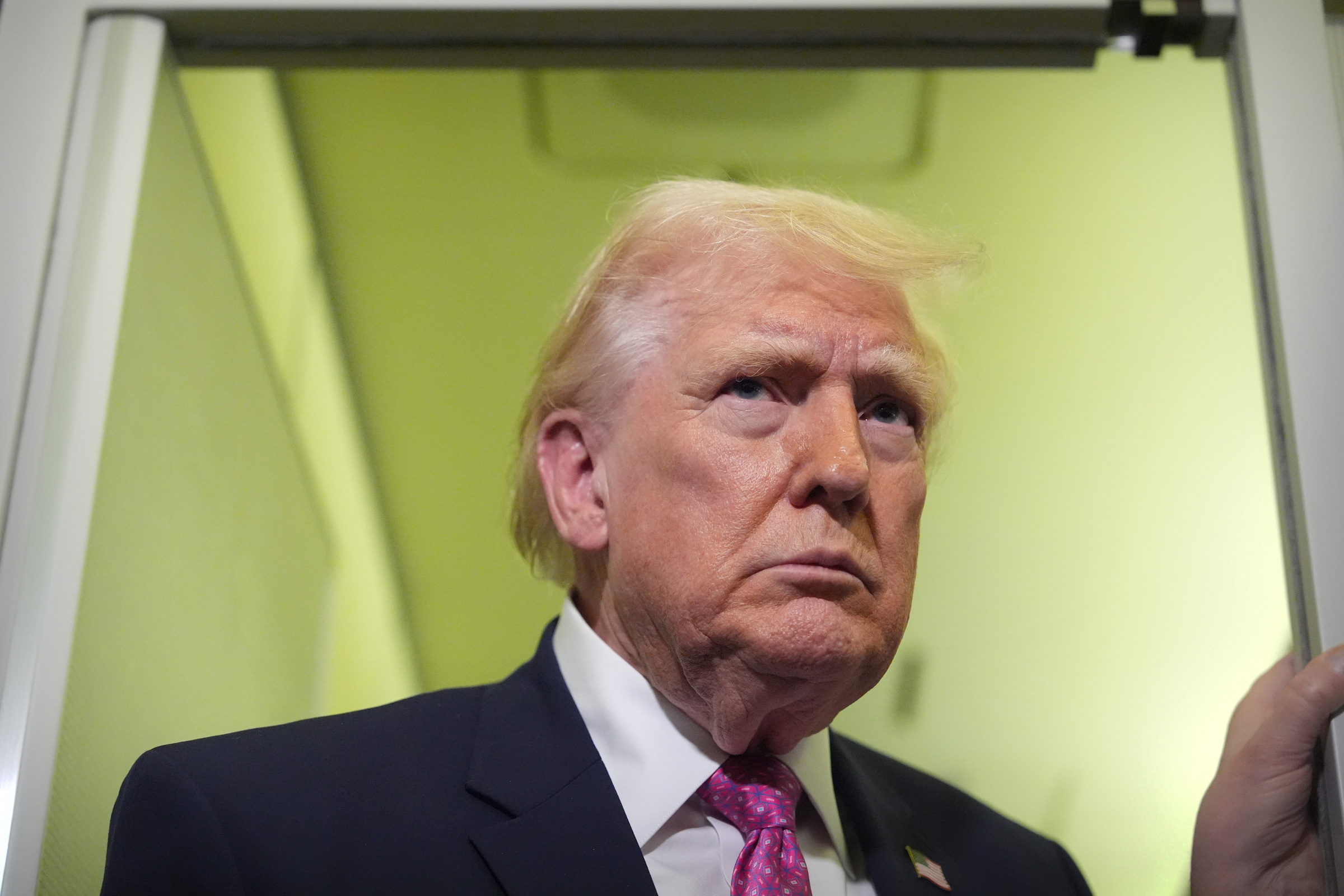 |
US President Donald Trump speaks to the press aboard Air Force One, taking off from Florida for Joint Base Andrews in Maryland, on 29/3. Photo: AP |
To control Iran's oil resources, the US would likely need to occupy Kharg Island in the Persian Gulf, considered the country's gateway for oil and gas exports. The island, with an area of 20 km², lies approximately 25 km off the Iranian coast and over 480 km from the Strait of Hormuz.
"Perhaps we need to take Kharg Island, but perhaps we don't. We have many options. If we control that island, we would have to be present there for some time," Trump stated.
When questioned about Iran's defensive capabilities on Kharg Island, the US President expressed confidence. "I don't think they have any defensive capabilities. We could take the island very easily," he said.
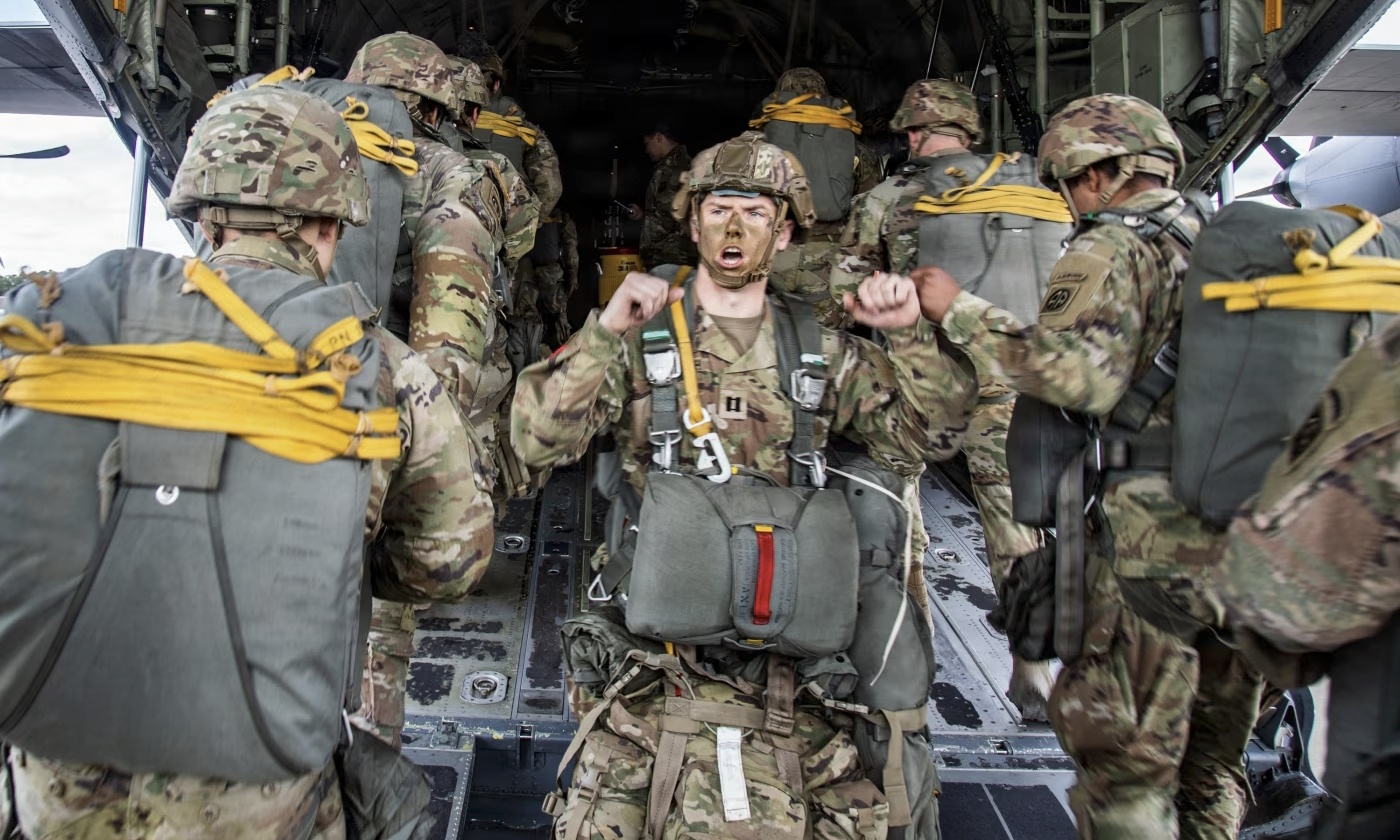
The Pentagon has deployed approximately 10,000 troops to the Middle East. Among the approximately 3,500 personnel already deployed to this front, about 2,200 are Marines. Forces from the US Army's 82nd Airborne Division have also been ordered to deploy.
US officials have openly discussed the possibility of using ground forces to control Kharg Island, but many experts warn that this would be a very risky operation, as Iran could attack the island with missiles and unmanned aerial vehicles.
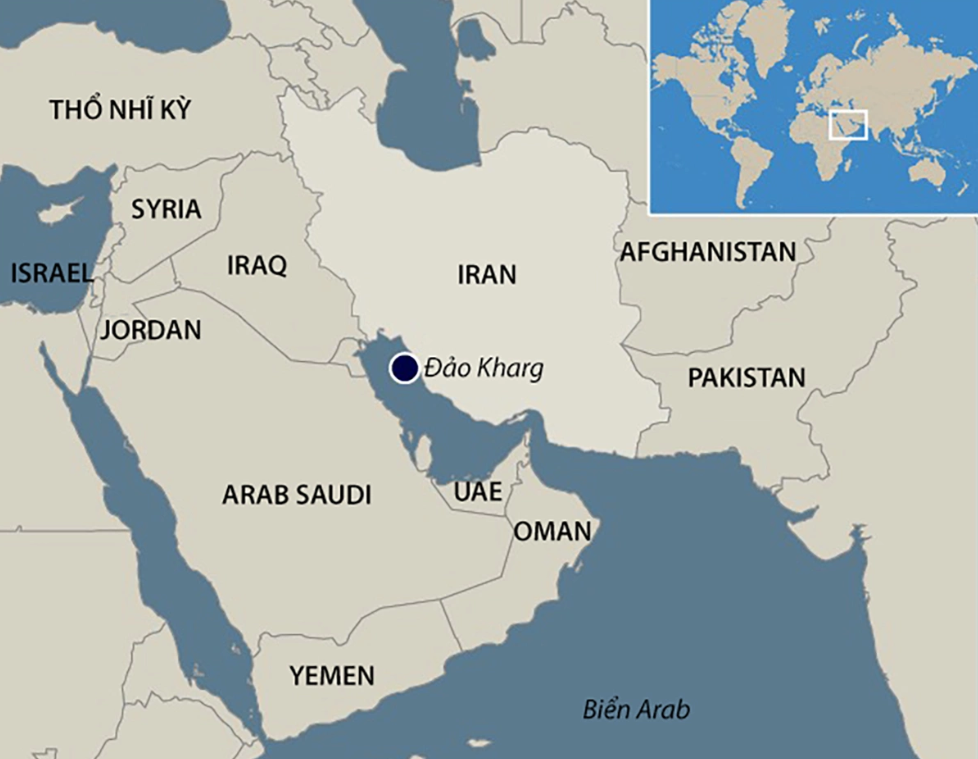 |
Location of Kharg Island. Graphic: CNBC |
Despite this, Trump believes that indirect negotiations between the US and Iran, mediated by Pakistan, are progressing positively. He set an ultimatum of 6/4 for Tehran to accept a ceasefire agreement; otherwise, it would face attacks targeting its energy infrastructure.
"The US has bombed approximately 13,000 targets in Iran. We still have about 3,000 targets that could be hit," Trump said, adding his assessment that US military pressure could facilitate "reaching a deal fairly quickly."
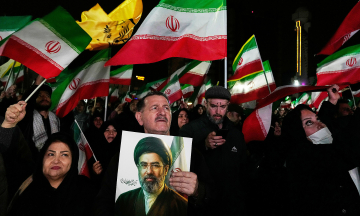
However, Iranian Parliament Speaker Mohammad Bagher Ghalibaf on 29/3 accused the US of secretly preparing a ground attack plan while publicly sending messages about negotiations and dialogue. Ghalibaf declared that Iranian soldiers "are ready to deliver a devastating blow to the enemy and decisively punish their regional allies" if the US proceeds with a ground offensive.
The conflict between the US, Israel, and Iran over the past month has resulted in over 3,000 deaths, sharply increased oil prices, and put global energy markets under significant pressure as fighting spreads and threatens strategic transportation routes.
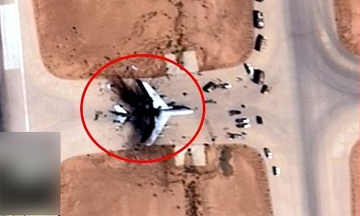
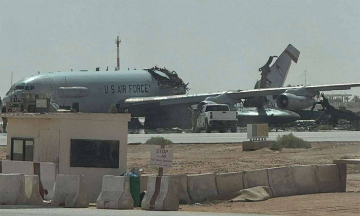
Although there were initial signs of negotiations, the recent conflict shows signs of expansion. Iran attacked the Prince Sultan air base in Saudi Arabia, injuring 12 US soldiers and potentially destroying an E-3 Sentry early warning aircraft valued at 270 million USD.
Iran-backed Houthi forces in Yemen have also entered the conflict by launching ballistic missiles toward Israel, raising the risk of further escalation.
Thanh Danh (According to CNBC, FT, CNN)