The US National Transportation Safety Board (NTSB) announced on 24/3 that LaGuardia Airport's ground monitoring system failed to issue an alert regarding a vehicle approaching the runway too closely. This failure occurred before the collision between an Air Canada Express plane and a fire truck on 22/3, which resulted in the deaths of two pilots and injuries to many others.
A critical factor in the incident was the fire truck's lack of an identification transponder, preventing its position from being transmitted to air traffic control. The Federal Aviation Administration (FAA) has consistently advocated for airports to equip fire trucks with these transponders, aiming to enhance operational control at busy facilities. NTSB Chair Jennifer Homendy emphasized the necessity for comprehensive information: "Air traffic controllers need full information and tools to work, including data on all vehicles on the ground, whether aircraft or motor vehicles."
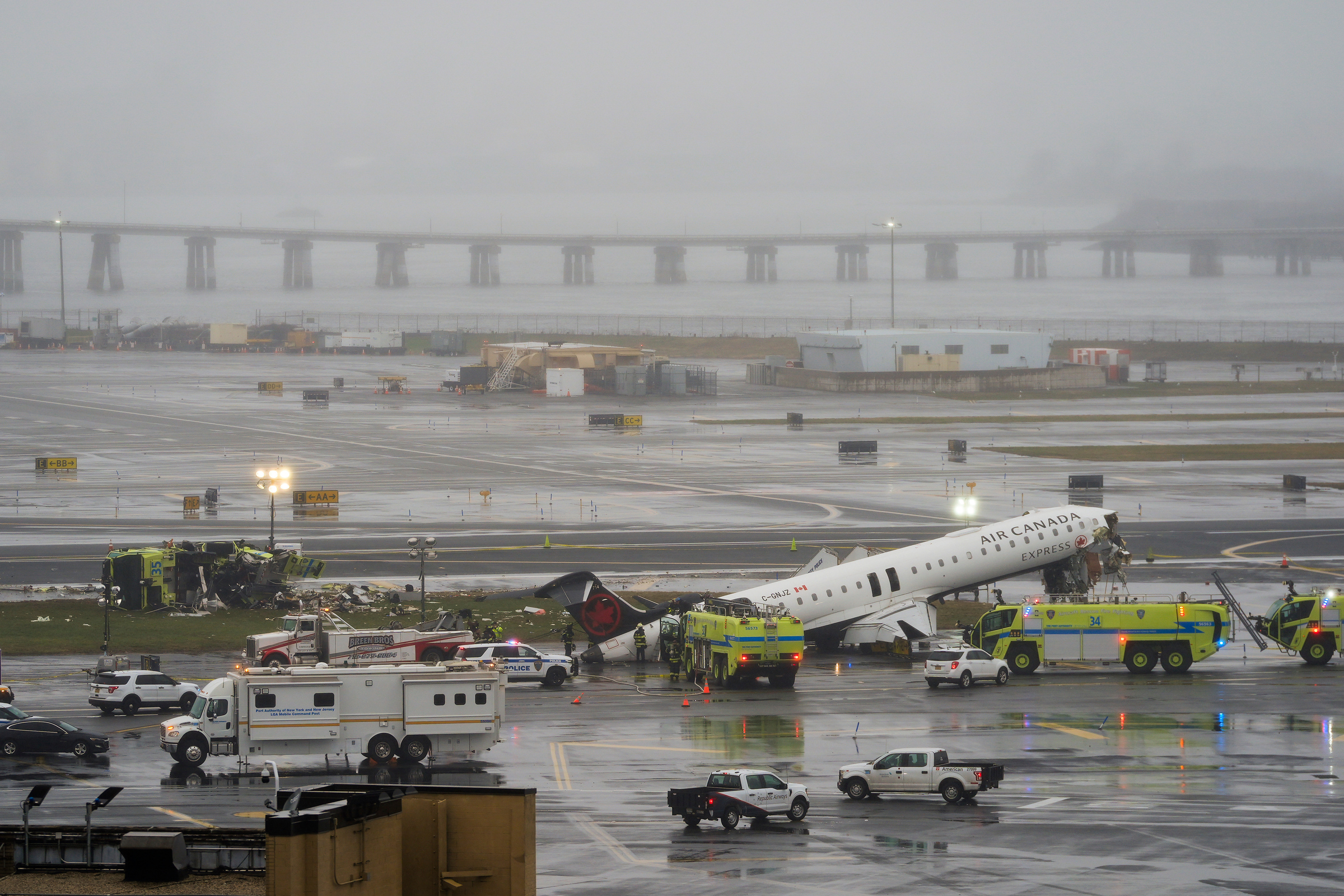 |
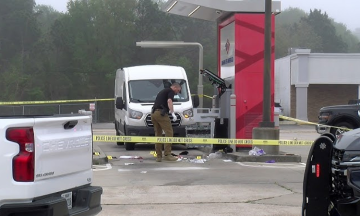
The scene after the collision between an Air Canada Express plane and a fire truck at LaGuardia Airport, New York on 22/3. Photo: AP |
The accident involved an Air Canada Express Bombardier CRJ-900, which crashed during the final phase of landing. Beyond the two pilot fatalities, approximately 40 of the 76 passengers and crew members were hospitalized, with six still receiving treatment.
The NTSB's investigation is analyzing over 25 hours of cockpit recordings and 80 hours of flight data. Black box information indicates a mere 20 seconds elapsed from the fire truck receiving clearance to cross the runway until the recording ended. The truck entered the runway about 9 seconds before impact, leaving the pilots with almost no time to abort the landing.
US aviation safety experts are focusing their investigation on communication between the aircraft, air traffic controllers, and the fire truck. The collision occurred in light fog, prompting a review of the visibility conditions for both the pilots and the fire truck driver.
The NTSB also highlighted long-standing concerns regarding air traffic control staffing shortages at LaGuardia Airport. While the night shift met FAA standards, only two controllers were working at the time of the accident, simultaneously managing multiple tasks typically handled by different personnel.
Despite these findings, NTSB officials have dismissed speculation that places all responsibility on the controllers. Homendy stated that major incidents rarely stem from a single cause. "The aviation system has many layers of protection, so accidents often stem from multiple factors simultaneously," she added.
By Thanh Danh (Reuters, AFP)