US Defense Secretary Pete Hegseth declared this week that Iran's missile program was "functionally destroyed," with missiles and launchers "depleted, devastated, and almost completely ineffective."
However, The Wall Street Journal reported on 10/4, based on US intelligence, that Iran might still be able to partially restore its missile forces despite ongoing US and Israeli airstrikes over the past month.
While over half of Iran's launchers have been destroyed, damaged, or trapped in collapsed bunkers, many could still be repaired or excavated for continued use, US officials told The Wall Street Journal.
Israeli officials stated that about two-thirds of Iran's ballistic missile launchers were neutralized during the conflict. However, they noted that Tehran could recover many launchers buried underground after attacks by Washington and Tel Aviv.
According to US and Israeli officials, Iran's missile arsenal has been reduced by about 50% since the conflict erupted on 28/2. Despite this, the country still holds thousands of short- and medium-range ballistic missiles that could be brought out of hiding or retrieved from underground facilities.
"Israeli officials also said that Iran retains more than 1,000 of the estimated 2,500 medium-range missiles it possessed when hostilities began. The remainder have been fired or destroyed," The Wall Street Journal reported.
US officials indicated Iran has less than 50% of the suicide unmanned aerial vehicles (UAVs) Tehran had at the start of the conflict. This reduction is due to their use in retaliatory attacks and suffered strikes on its weapon production facilities.
US officials also mentioned Iran possesses a small number of cruise missiles. They added that these could be used to target ships in the Persian Gulf and US troops if negotiations fail.
Although Israel could not eliminate Iran's entire missile launch capability, its officials believe they achieved success by reducing Tehran's firing frequency to 10-15 missiles per day for much of the conflict. Iran launched dozens of missiles daily during the initial phase of the hostilities.
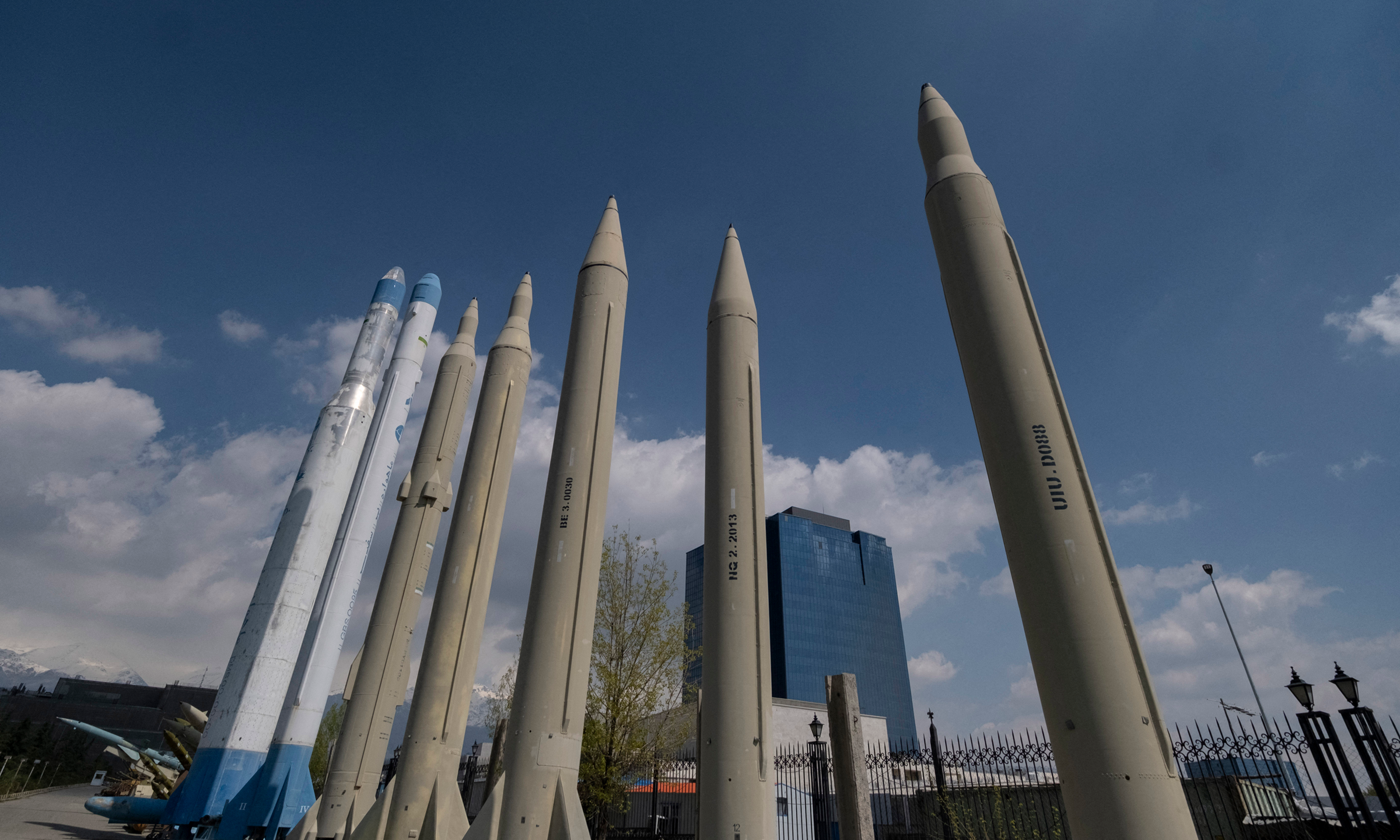 |
Missiles displayed at a museum in Tehran, Iran, on 2/4. *Photo: AFP* |
According to The Wall Street Journal, Israeli officials also stated that Iran is currently unable to produce more missiles, and Tehran's recovery rate will depend on external support.
US Central Command (CENTCOM), the US military's operational authority in the Middle East, declined to comment on the information. White House spokesperson Anna Kelly stated that US forces achieved all objectives.
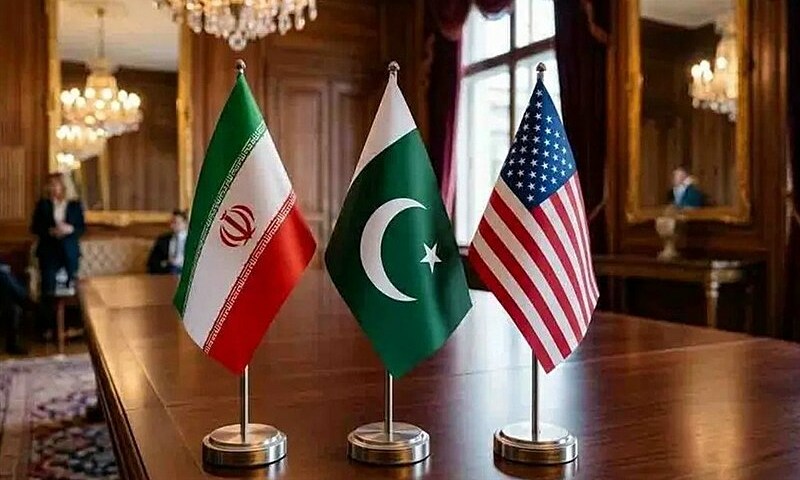
The US and Iran reached a two-week ceasefire agreement on 8/4, brokered by Pakistan, to facilitate negotiations. Some US officials worry Iran might use this truce to rebuild part of its missile arsenal.
"Iran has demonstrated a remarkable ability to innovate and rebuild forces," commented Kenneth Pollack, vice president for policy at the Middle East Institute. "They are a much more formidable adversary than most military forces in the Middle East, with the exception of Israel."
However, US analysts do not believe Iran will quickly restore its missile and UAV arsenal to pre-conflict levels, after its defense industry sustained numerous US-Israeli attacks.
*Pham Giang (via The Wall Street Journal)*