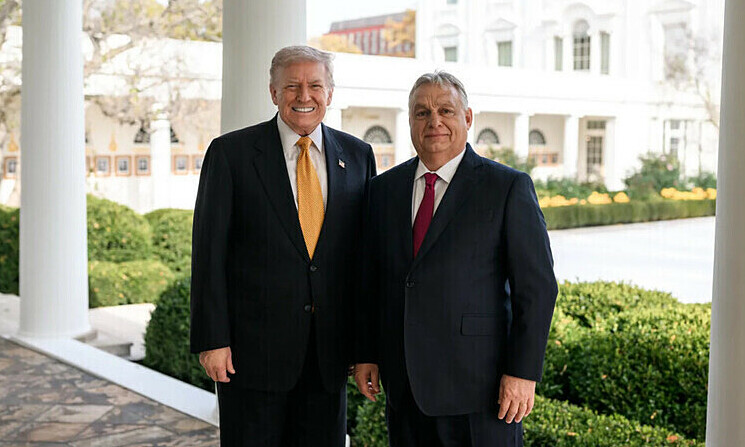
"A large number of oil tankers, including some of the world's biggest, are heading to the US right now to collect the world's best and 'sweetest' oil and gas," US President Donald Trump announced today on Truth Social.
He stated that the US possesses oil reserves "more than the next two largest oil economies combined," with even higher quality. "We are waiting for you. Come on over," Trump wrote, without specifying the origin countries of the tankers.
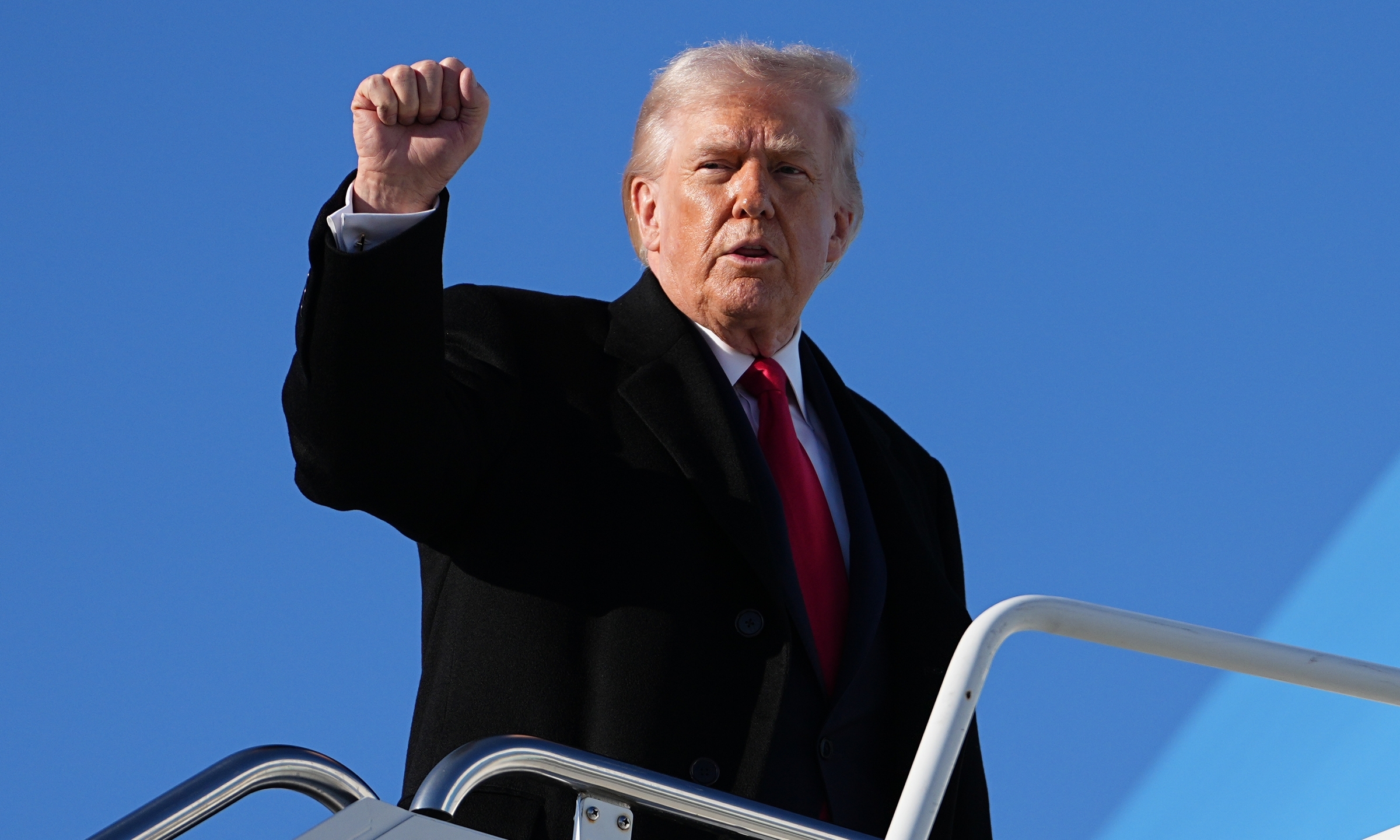 |
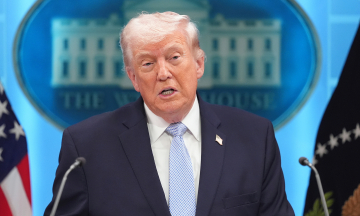
President Donald Trump at Pope Air Force Base in Fort Bragg, North Carolina, on 13/2. Photo: AP |
No country has confirmed sending oil tankers to the US to import oil and gas, as stated by Trump.
Earlier, the US President cited a post on X by an account named Ayuso, who identifies as a "shipping and cargo expert". The post included a map showing numerous oil tankers, each capable of carrying about 2 million barrels of oil, heading towards the US.
"It's exciting to see a wave of oil tankers heading to the US to load crude for markets facing shortages due to the congested Hormuz Strait," Ayuso wrote. "US crude exports are about to boom." This account did not cite a source for its information.
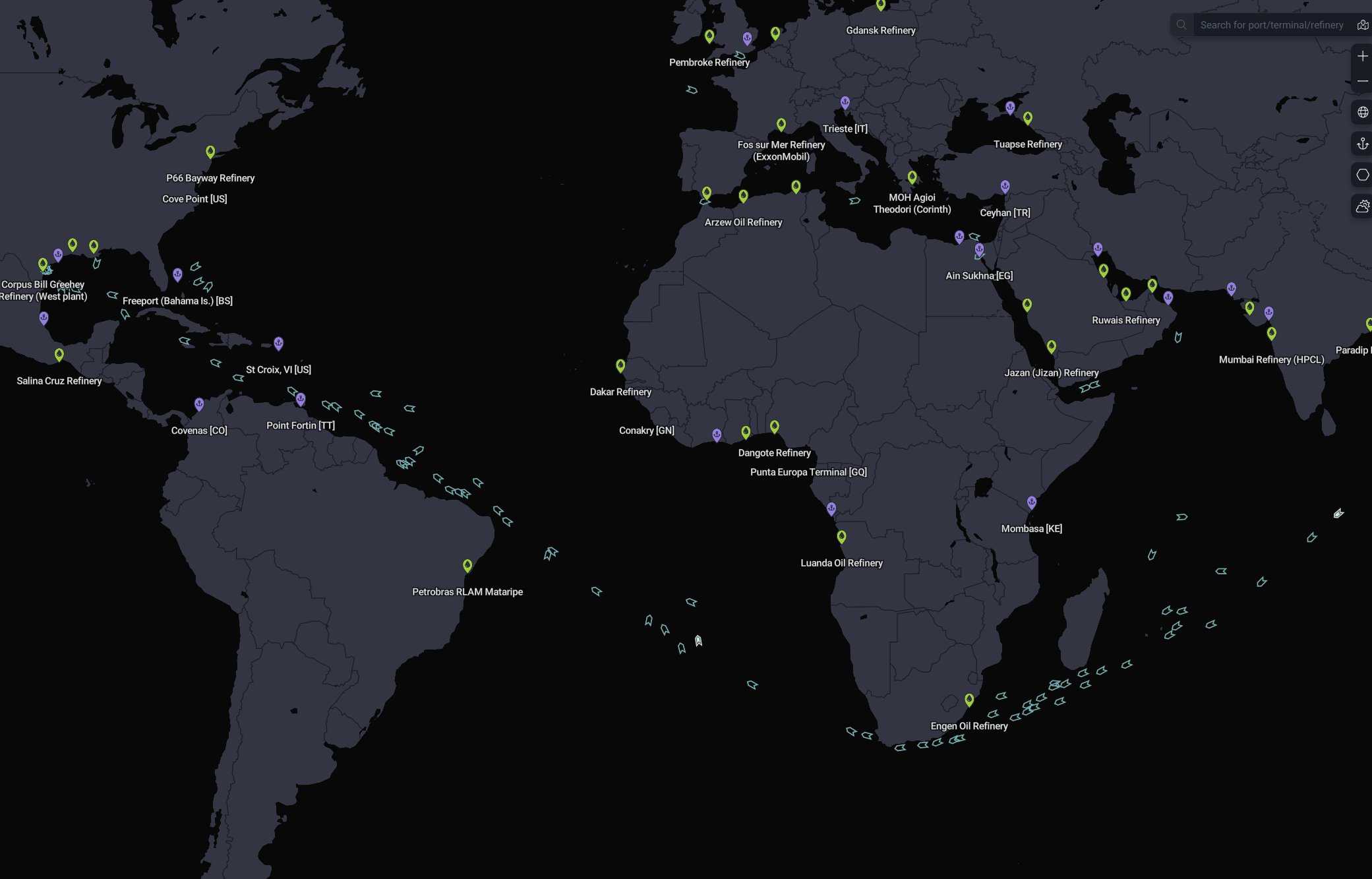 |
A map posted by the Ayuso account on X, showing "many oil tankers heading to the US". Photo: X/Ayuso |
Ayuso expressed pride that his post was cited by Trump. "I think this will be another anecdote to tell my grandchildren later, about being indirectly quoted by Donald Trump. What an incredible journey since I first stepped into the shipping industry," the account wrote.
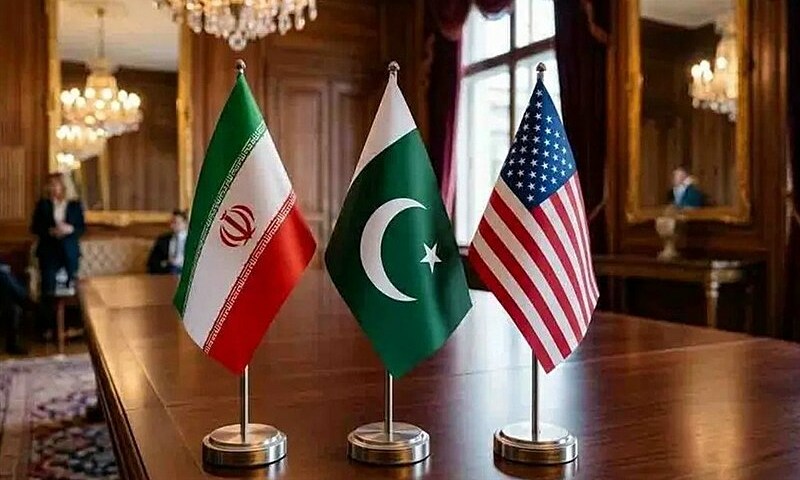
Trump made this announcement as US and Iran delegations entered negotiations in Islamabad, Pakistan.
Conflict in the Middle East has largely blocked the Hormuz Strait, disrupting the global oil market. The US and Iran had agreed to reopen the Hormuz Strait as part of a two-week ceasefire deal reached on 8/4, but oil shipments through this vital maritime route remain largely stalled due to a lack of clear guidance.
AFP, citing marine data from 9/4, reported that only 10 ships have passed through the Hormuz Strait since the ceasefire took effect in the Middle East.
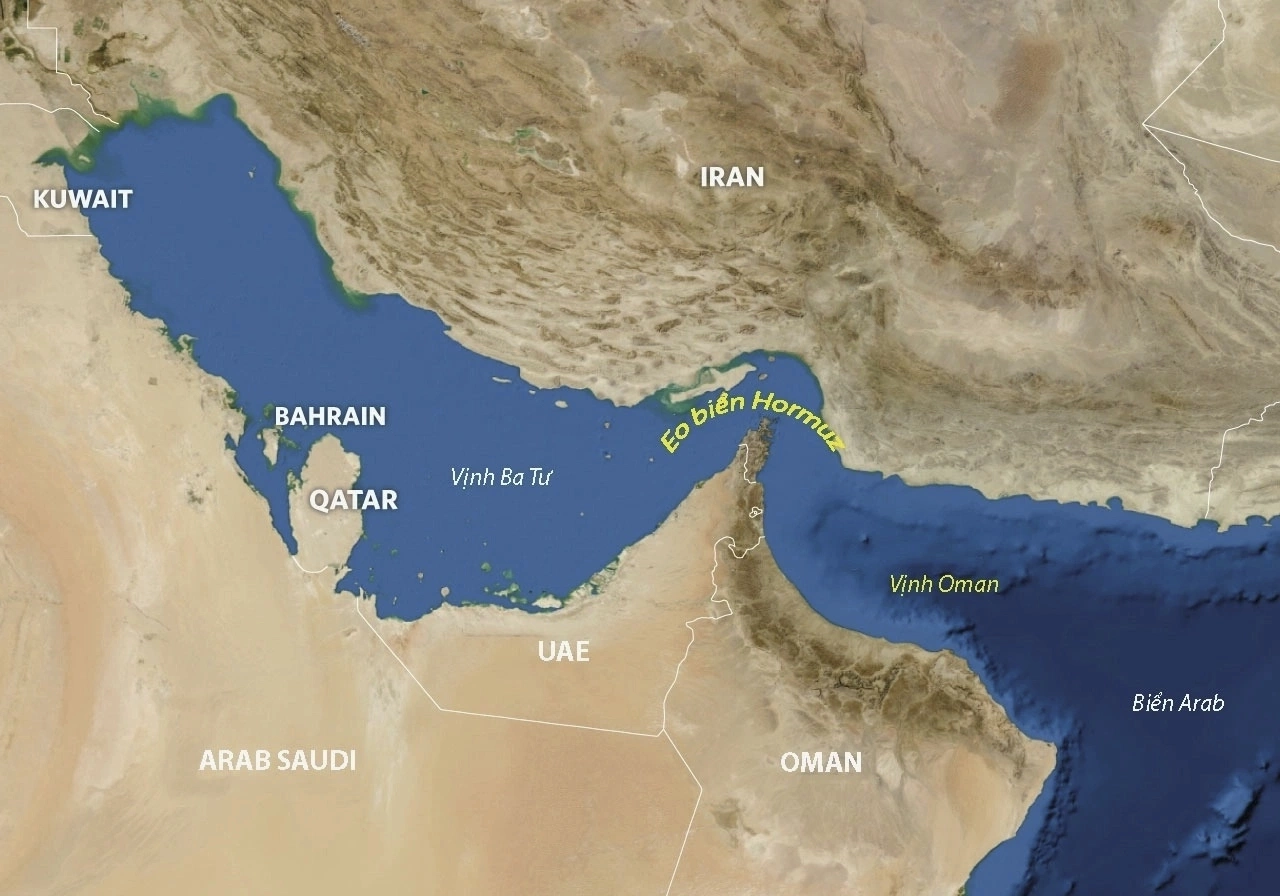 |
Location of the Hormuz Strait and surrounding countries. Graphic: NASA |
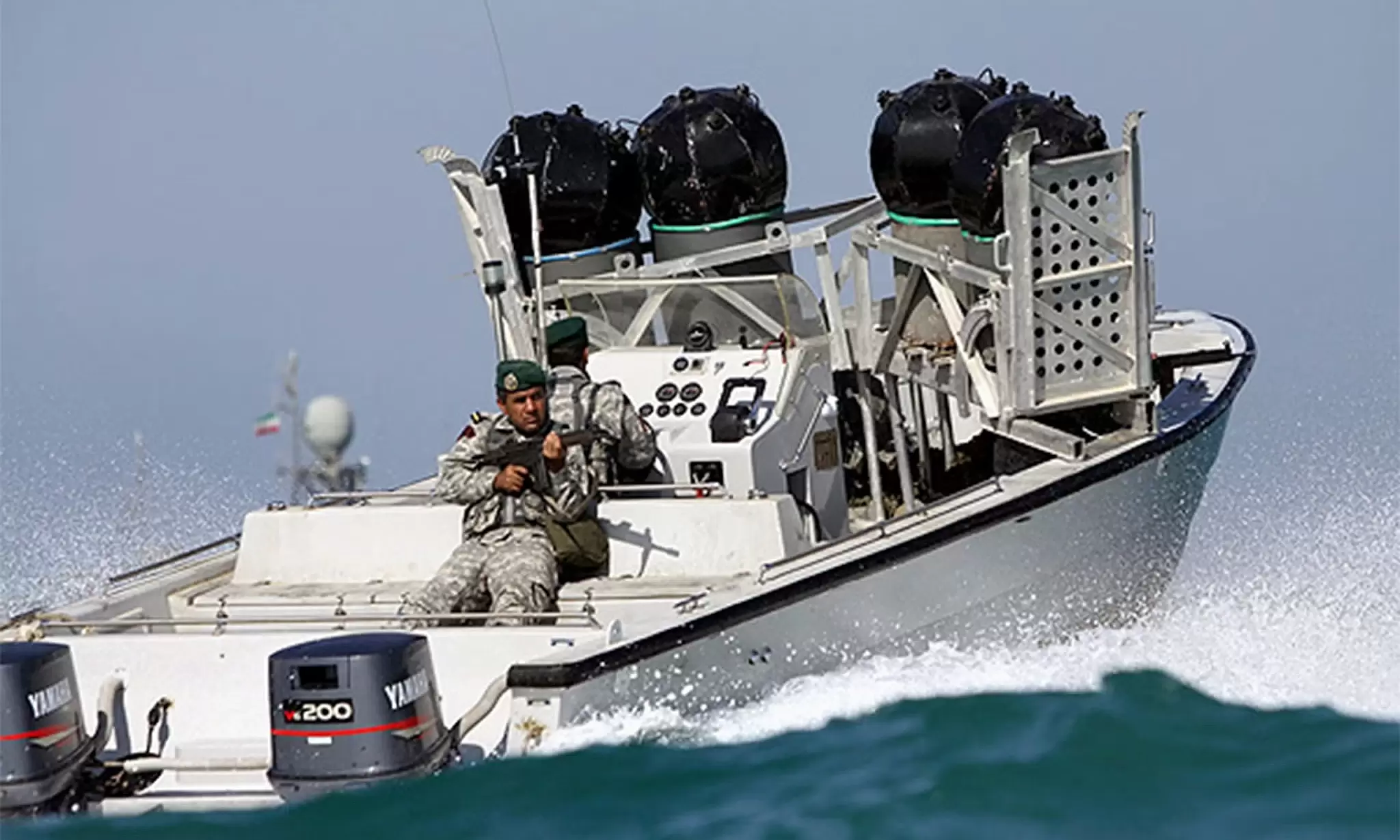
Under the agreement, Iran consented to reopen the Hormuz Strait during the ceasefire, but vessels passing through would be subject to monitoring by Iranian armed forces and must comply with certain "technical measures." Tehran informed negotiating intermediaries that it would limit the number of vessels passing through the Hormuz Strait to about a dozen per day.
Intermediaries and maritime brokers also reported that Iran demanded cargo ships agree on transit fees in advance, to be paid in cryptocurrency or yuan. These fees vary by vessel size, covering basic transit, security escort, and administrative processing. Trump this week objected to Iran charging fees for oil tankers passing through the strait.
Duc Trung (According to Reuters, AP, AFP)