The original Vietnamese title `My - Israel bat dau dam phan tai Islamabad` (US - Israel begin negotiations in Islamabad) contains a factual error. The entire body of the article consistently refers to negotiations between the `My` (US) and `Iran`, not `Israel`. As a digital journalist and professional editor, I have corrected the title to reflect the accurate content of the article, translating `Israel` to `Iran`. This correction aligns with journalistic standards for factual accuracy while preserving the original intent of the article's subject matter.
"Islamabad negotiations began today. Pakistan's Prime Minister Shehbaz Sharif met with US Vice President JD Vance. The prime minister emphasized Pakistan's desire to continue facilitating both sides in achieving progress for lasting peace in the region," the Pakistani Prime Minister's Office announced on the afternoon of April 11.
The meeting was also attended by high-ranking officials from both countries. The US delegation included peace envoys Steve Witkoff and Jared Kushner, President Donald Trump's son-in-law. The Pakistani delegation included Deputy Prime Minister and Foreign Minister Ishaq Dar and Interior Minister Mohsin Naqvi.
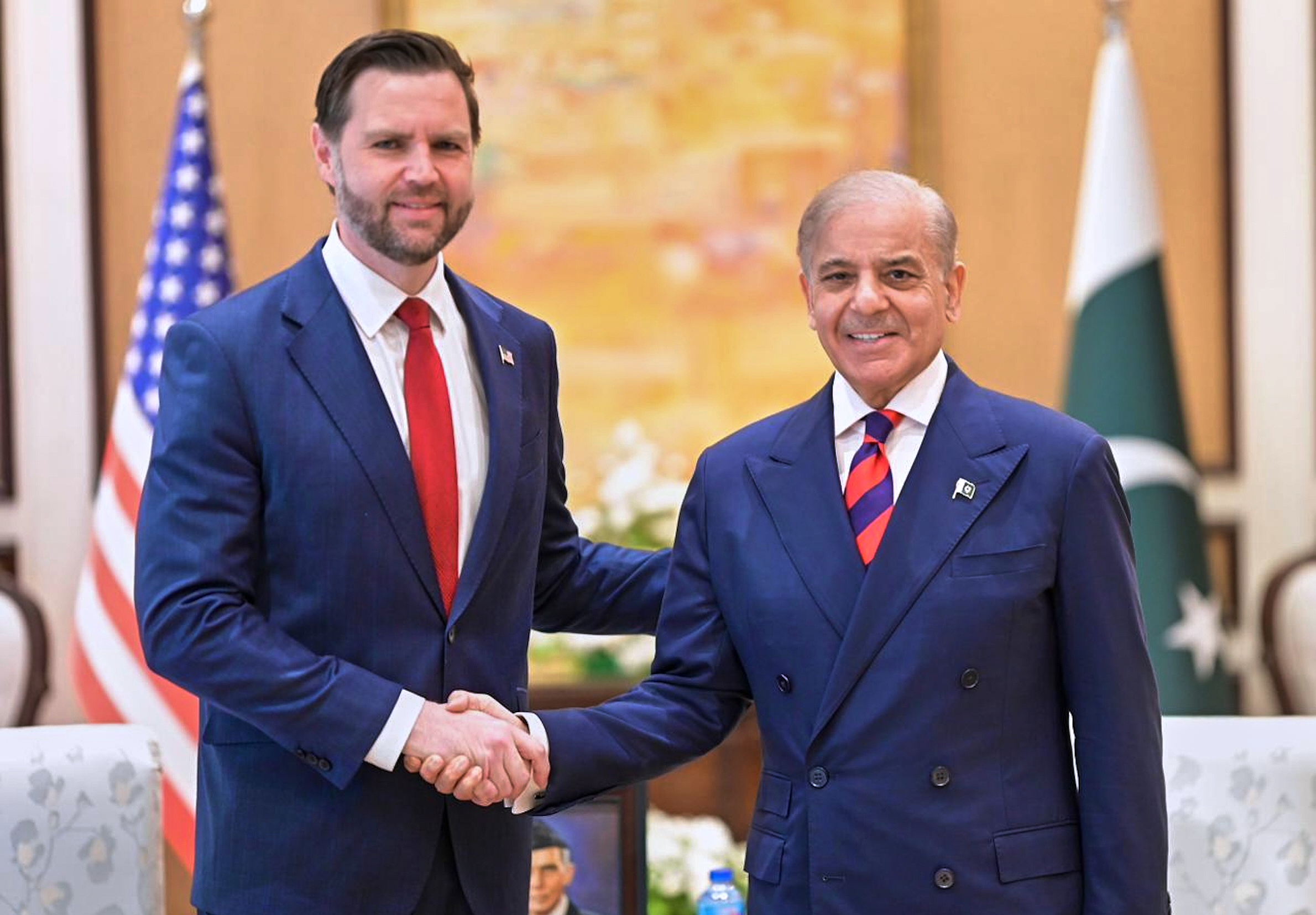 |
US Vice President JD Vance (left) and Pakistan's Prime Minister Shehbaz Sharif on April 11. *Photo: AP* |
Earlier the same day, Pakistan's prime minister also announced a separate meeting with the Iranian delegation, led by Iranian Parliament Speaker Mohammad Bagher Ghalibaf. Iran's Tasnim news agency reported that during the meeting, the Iranian delegation assessed the US's stance and the extent of commitment fulfillment before deciding to agree to negotiations.
Iranian state media stated that Tehran presented "a series of proposals and red lines" for peace talks, addressing issues such as the Strait of Hormuz, war reparations, the release of frozen Iranian assets, and a regional ceasefire across the Middle East. The specific details of each issue, including what Tehran expects Washington to concede, were not disclosed by Iranian media.
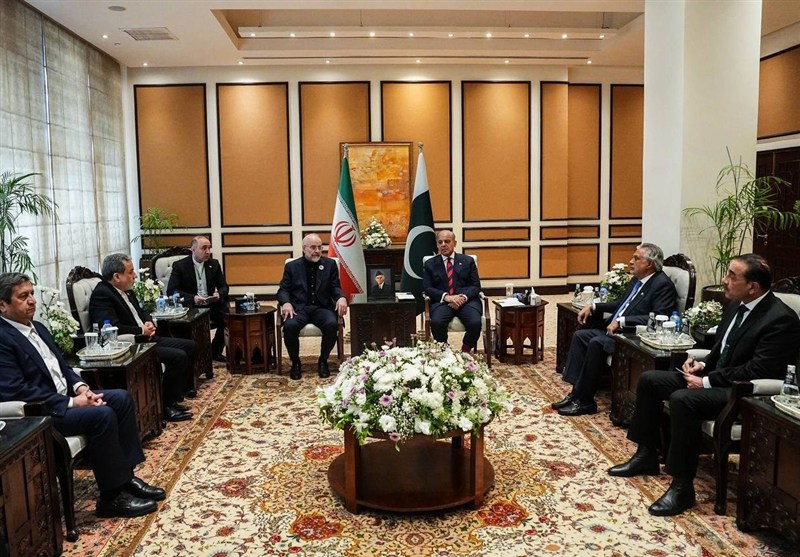 |
The Iranian delegation met with Pakistan's Prime Minister on April 11. *Photo: Tasnim* |
The specific structure of contacts between the US and Iran remains unclear. In previous rounds of pre-conflict negotiations, both sides typically communicated indirectly through intermediaries.
Observers suggest that following the separate meetings with Prime Minister Sharif, the parties will move to a phase of indirect negotiations, with Pakistan serving as the intermediary channel to convey each side's demands and positions. Should this intermediary negotiation phase achieve positive progress, representatives from both countries will proceed to direct talks.
Pakistan has emerged as a crucial intermediary in efforts to end the Iran conflict, which is spreading across the Middle East. Prime Minister Sharif's office stated that he "appreciates the parties' commitment to constructive dialogue" and expressed hope that the negotiations will pave the way for lasting peace.
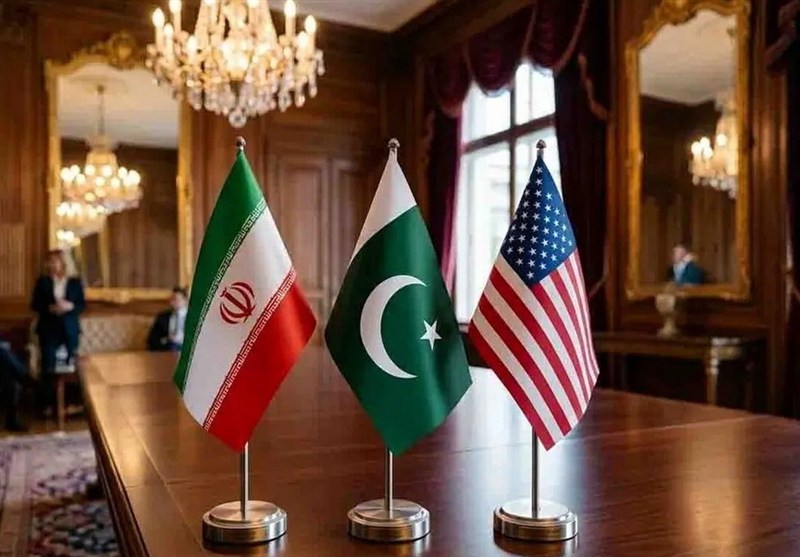 |
Flags of Iran, Pakistan, and the US at the negotiation venue. *Photo: Tasnim* |
However, information concerning the negotiation content has remained contradictory recently. A senior Iranian source told Reuters that the US had agreed to release Tehran's frozen assets in Qatar and several foreign banks, viewing this as a goodwill gesture to advance talks. However, a White House official later denied the information.
Iranian officials believe that the release of the country's assets in Qatar, potentially totaling USD 6 billion, would directly impact the assurance of safe passage through the Strait of Hormuz, an issue considered central to the negotiations.
The frozen funds originated from Iran's oil revenues in South Korea, which were frozen in 2018 when the US reimposed sanctions on Iran. These funds were previously transferred to accounts in Qatar as part of a 2023 prisoner exchange agreement but were restricted to humanitarian purposes.
By Thanh Danh (According to Reuters, AFP, CNN)