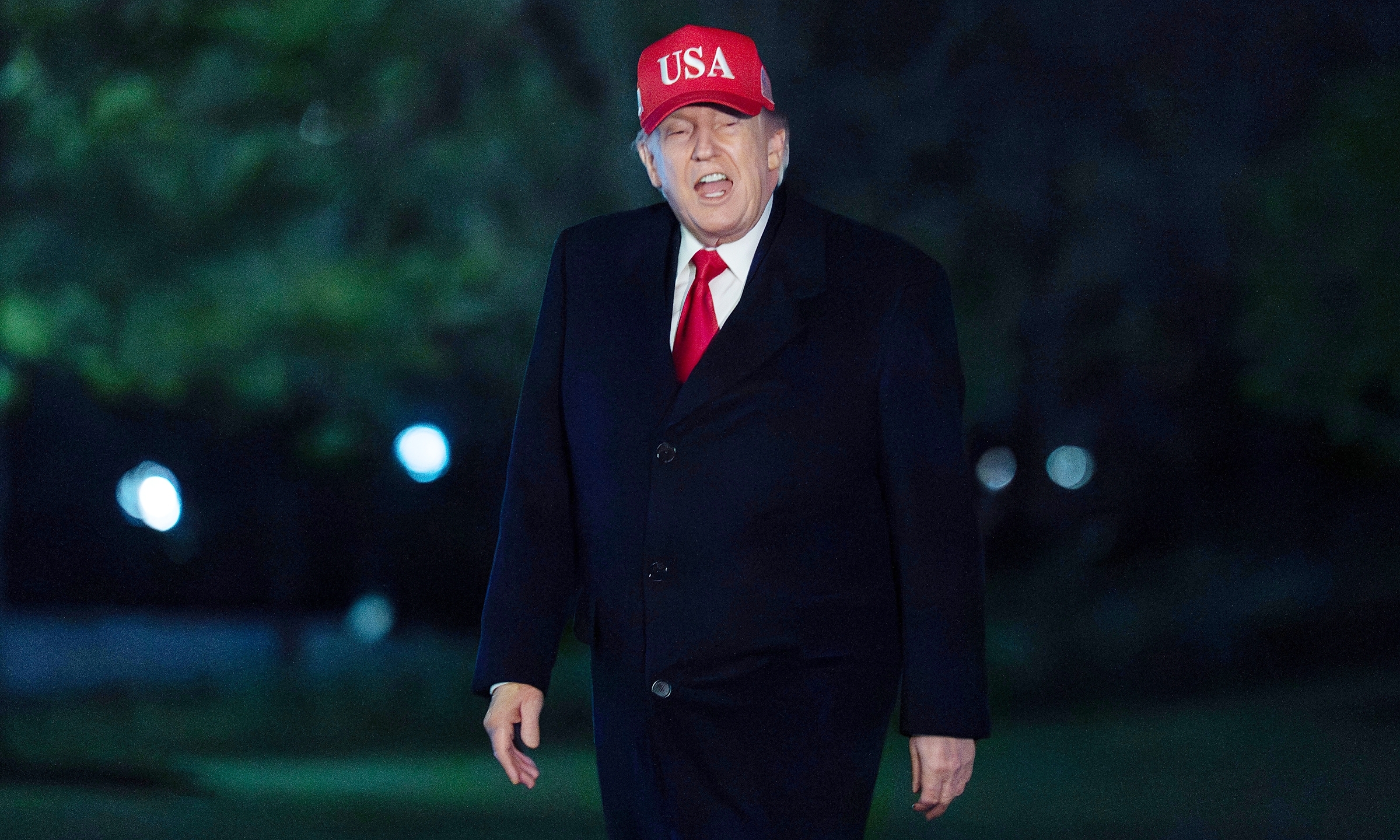
"We have begun the process of cleaning up the strait of Hormuz as a gift to countries around the world, including China, Japan, South Korea, France, and many others. Unbelievably, they don't have the courage or determination to do it themselves", US President Donald Trump wrote on Truth Social on 11/4.
The US president did not specify what activities the cleanup process involved, but appeared to allude to mine clearing operations. The US Central Command (CENTCOM) has not announced any military movements in the strait of Hormuz.
Trump claimed Iran has suffered heavy losses in the conflict, stating the country "no longer has a navy or an air force", its air defense systems and radars are destroyed, while production facilities, missile depots, and unmanned aerial vehicles (UAVs) "have been wiped out".
The US president said Iran's "only remaining threat" to oil tankers passing through Hormuz is sea mines. "Incidentally, all 28 of their minelaying ships are now at the bottom of the sea", Trump announced.
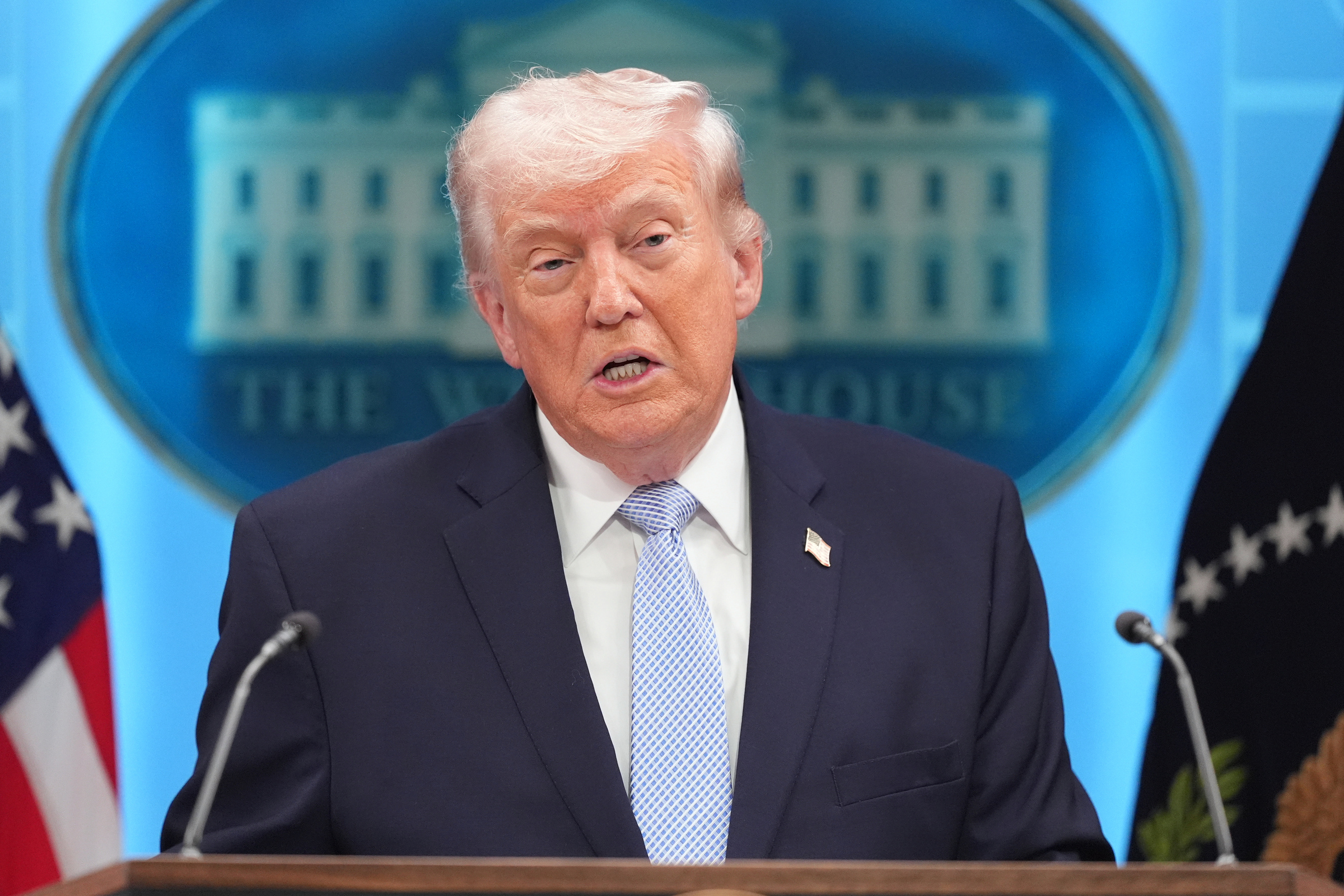 |
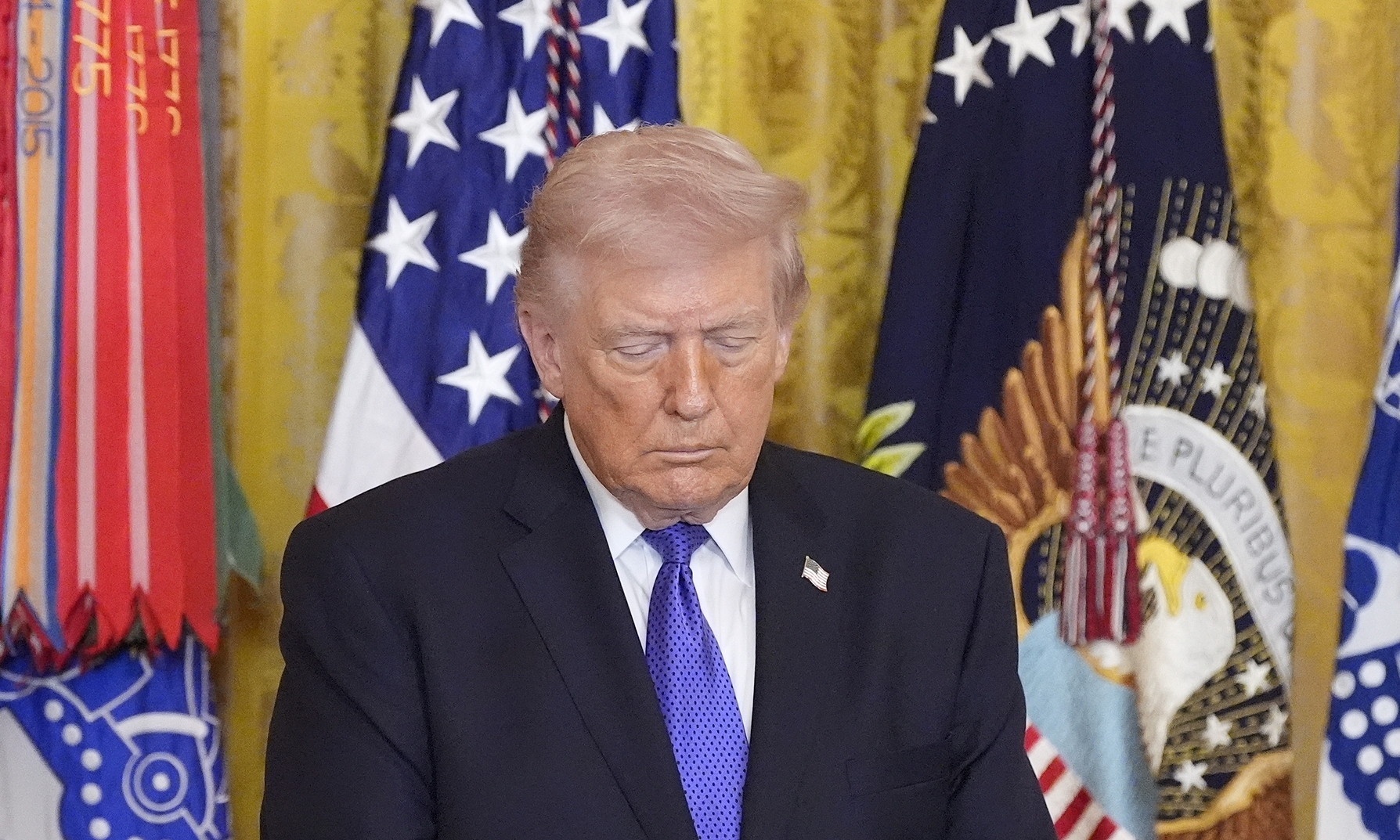
US President Donald Trump held a press conference on the Iran conflict at the White House on 6/4. Photo: AP |
US President Donald Trump held a press conference on the Iran conflict at the White House on 6/4. Photo: AP
Trump's message came hours after Axios journalist Barak Ravid, citing informed sources, revealed that "several US naval vessels had moved through the strait of Hormuz" without coordination with Iran. This was reportedly the first such operation since the conflict began.
Iranian state television reported that its military warned a US military vessel of a potential attack "within 30 minutes" if it passed through the strait of Hormuz, causing the vessel to turn back and withdraw from the waters.
The strait of Hormuz is a critical oil shipping route, accounting for about 20% of global oil supply. Immediately after the US-Israel offensive against Iran began on 28/2, Tehran deployed numerous speedboats to lay mines in the strait of Hormuz.
These mines, along with threats from unmanned aerial vehicles (UAVs) and missiles, significantly reduced the number of cargo ships passing through this maritime route, driving up energy prices and giving Iran significant leverage in the conflict.
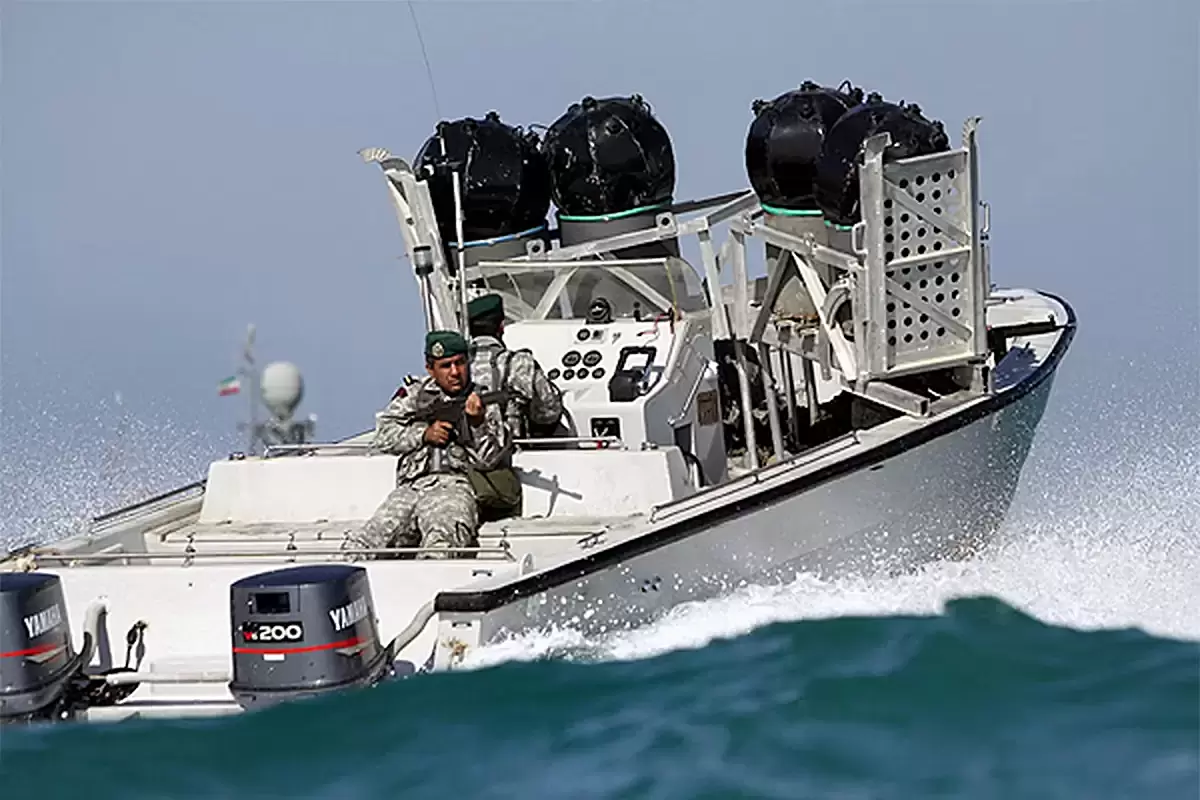 |
IRGC speedboats carrying four mines during an exercise in the strait of Hormuz before the Middle East conflict erupted. Photo: IRGC |
IRGC speedboats carrying four mines during an exercise in the strait of Hormuz before the Middle East conflict erupted. Photo: IRGC
Reopening this route has been a key topic in recent ceasefire talks among the parties, although vessel traffic remains limited.
Following the ceasefire agreement, Iran's Islamic Revolutionary Guard Corps (IRGC) on 9/4 announced an alternative route for ships to avoid the risk of hitting mines in the strait of Hormuz. However, US officials suggest this route is significantly restricted, largely due to Iran's unsystematic minelaying.
The New York Times on 10/4 quoted unnamed US officials saying that the inability to track mines is one reason Iran has been slow to meet the Trump administration's demand for a full reopening of the strait of Hormuz.
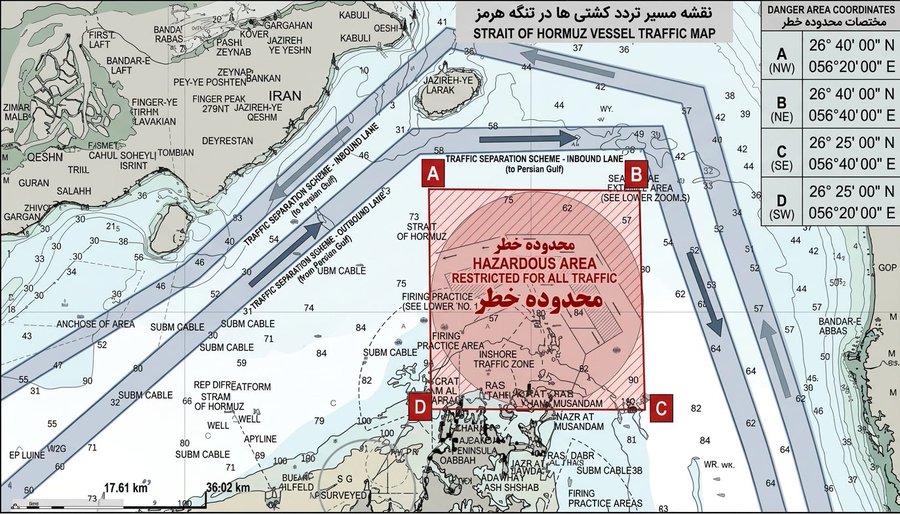 |
Travel route (gray) and dangerous, suspected mine-laden area (red) in the strait of Hormuz announced by the IRGC on 9/4. Photo: IRGC |
Travel route (gray) and dangerous, suspected mine-laden area (red) in the strait of Hormuz announced by the IRGC on 9/4. Photo: IRGC
Trump made the announcement as US-Iran negotiations are underway in Islamabad, Pakistan, aiming to end a war lasting over 40 days that is destabilizing the Middle East and causing global economic repercussions.
Iranian state media reported that Tehran presented a series of proposals and "red lines" for peace talks, addressing issues such as the strait of Hormuz, war reparations, the release of frozen Iranian assets, and a region-wide ceasefire in the Middle East. US Vice President JD Vance stated Washington is ready for dialogue if Iran shows true goodwill.
Thanh Danh (According to CNN, Reuters, AFP)