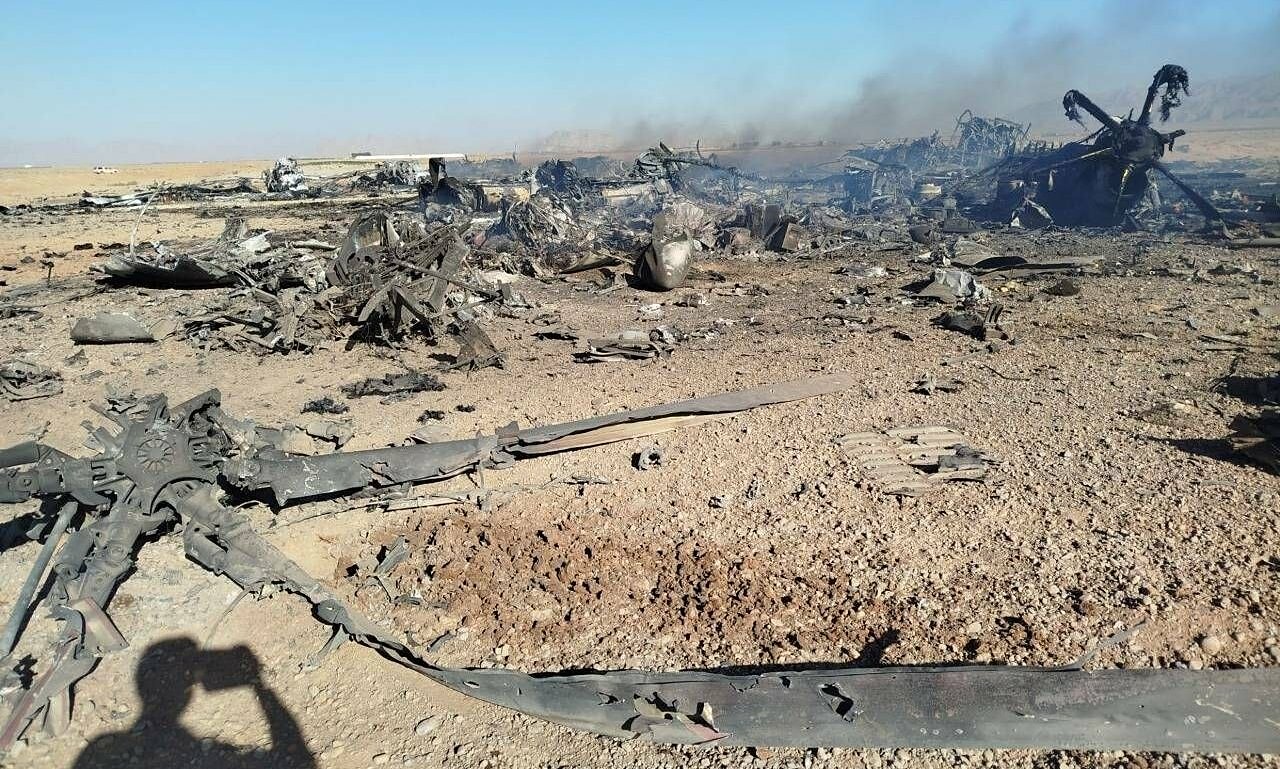
Iran's state news agency IRNA reported on 6/4 that Iran submitted a response to a US proposal to end the war, via Pakistan.
According to IRNA, Iran's 10-point ceasefire proposal rejects a temporary ceasefire, emphasizing the need for a long-term end to the conflict while respecting Iran's interests.
Tehran's demands include ending regional conflict, establishing a mechanism to ensure safe passage through the Strait of Hormuz, reconstruction, and lifting sanctions against Iran.
Meanwhile, US President Donald Trump told reporters at the White House that his 8 p.m. ET 7/4 (7 a.m. 8/4 Hanoi time) deadline for Iran to accept a ceasefire and open the Strait of Hormuz was a "final ultimatum."
He noted Iran's ceasefire proposal was noteworthy but "not good enough" and did not meet his demands, without specifying details.
"The war could end very quickly if Iran does what needs to be done. They have to do certain things. They know that. I think they are negotiating in good faith," Trump said at the annual Easter event at the White House. The president also expressed anger with the Iranian government, warning they "will pay a heavy price."
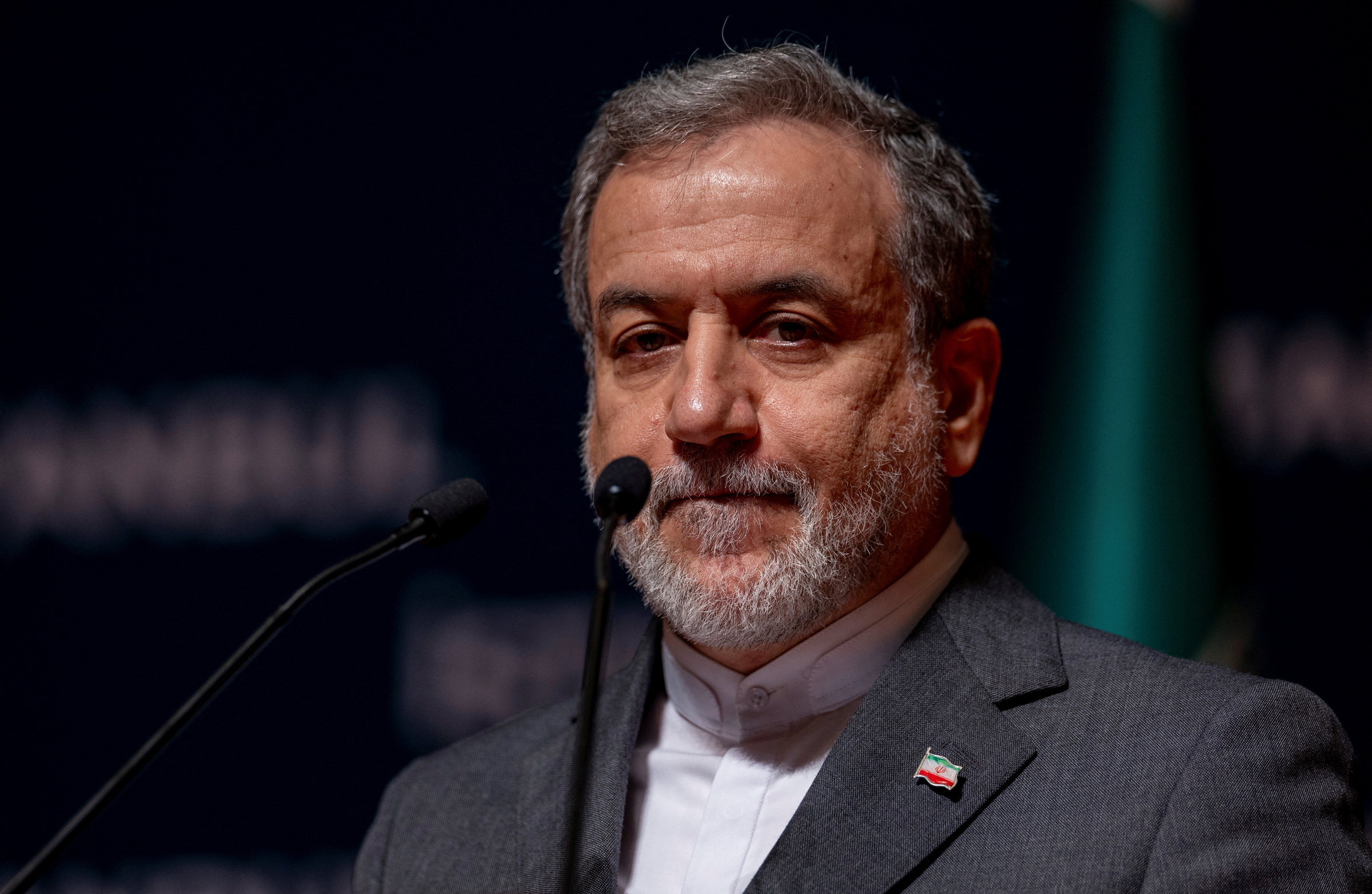 |
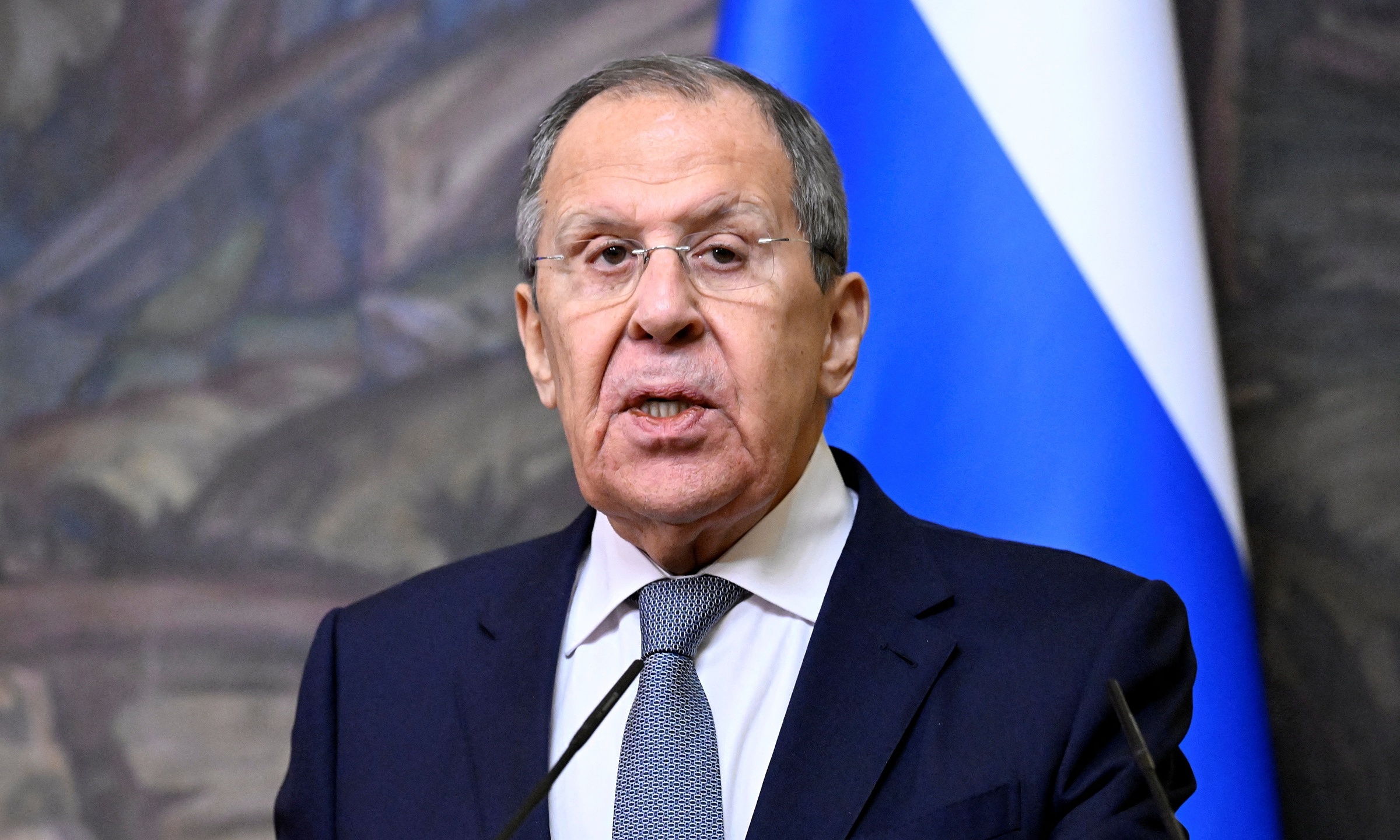
*Iranian Foreign Minister Abbas Araqchi in Turkey in 6/2025. Photo: Reuters*
Earlier, Reuters, citing informed sources on 6/4, reported that after overnight contacts between Pakistan Army Chief Asim Munir, US Vice President JD Vance, US Middle East envoy Steve Witkoff, and Iranian Foreign Minister Abbas Araqchi, parties had formed a framework for an action plan.
This framework includes an immediate ceasefire, followed by negotiations for a more comprehensive peace agreement, expected to be completed within 15-20 days, the sources added.
Iran Foreign Ministry spokesperson Esmaeil Baghaei later stated that Tehran developed its stance and demands based on its interests, conveying this content through intermediaries. Details of Iran's ceasefire proposals will be announced at the appropriate time.
Baghaei emphasized Iran's demands "should not be interpreted as a sign of concession, but a reflection of its confidence in defending its position." He added that previous US proposals, such as a 15-point plan, were rejected by Tehran as "excessive."
Iran Army spokesperson Mohammad Akraminia reiterated that Tehran's armed forces will continue the war with Washington and Tel Aviv as long as the country's political leadership deems it necessary.
"The enemy will certainly regret this war, as we need to achieve a state of security to prevent further wars," Akraminia told ISNA.
The White House confirmed on 6/4 that the US is considering a 45-day ceasefire agreement with Iran, but President Trump "has not approved" this proposal, and military operations continue. US media previously reported that Washington received the ceasefire proposal from intermediaries.
"This is one of many ideas, and the President has not approved. Operation 'Terrifying Fury' continues," a White House official told AFP.
By Nhu Tam (Reuters, Al Jazeera)