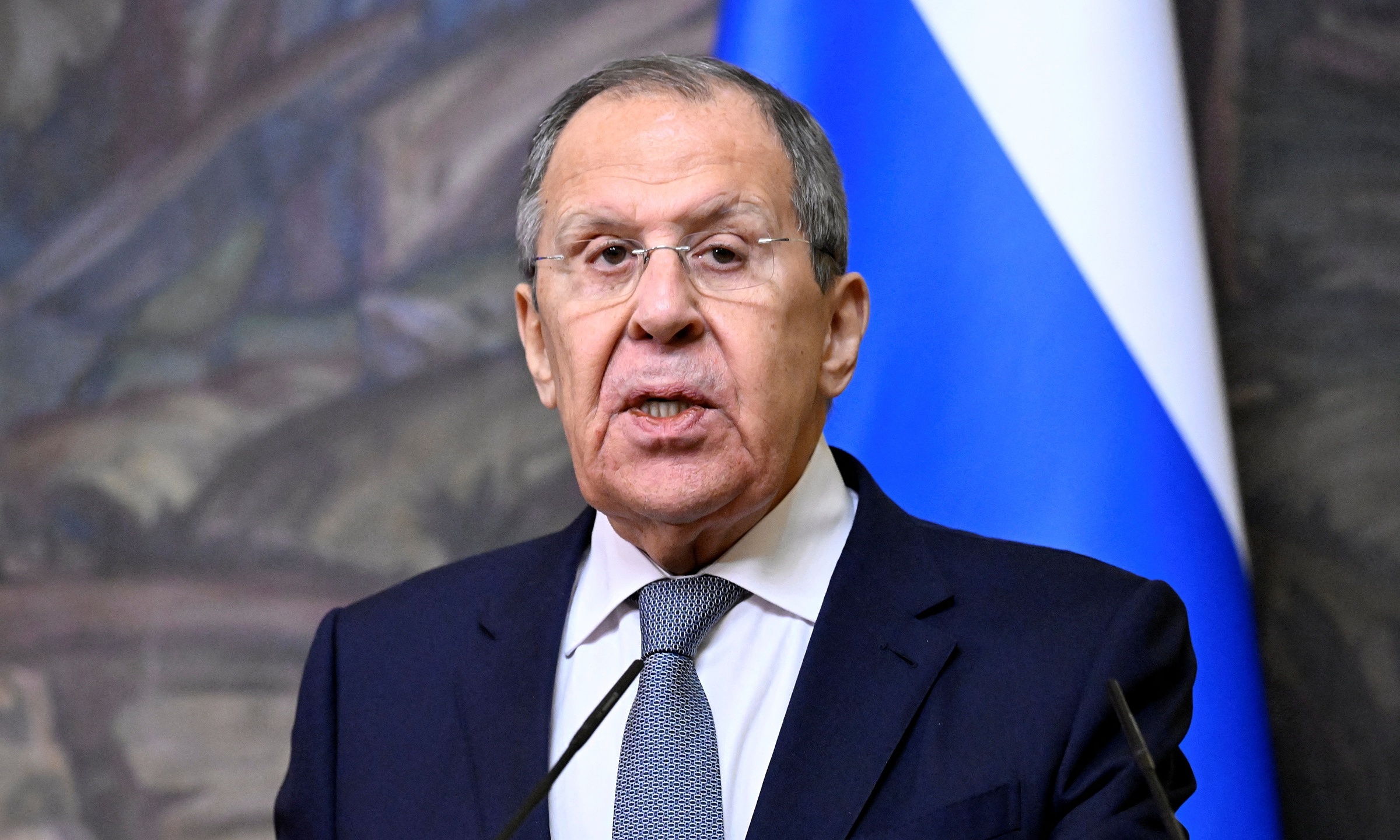
Israeli Defense Minister Israel Katz stated on 5/4, "As long as missile attacks targeting Israeli civilians continue, Iran will pay a heavy price, be weakened, and ultimately see its national infrastructure and operational capabilities paralyzed."
Katz affirmed that the Israeli military would continue to "pursue and assassinate" Iranian leaders, while also striking security targets and strategic assets across the Islamic Republic.
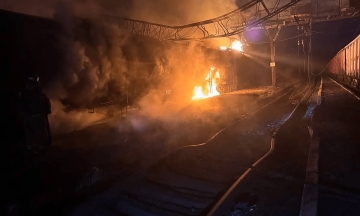
In recent days, the Israeli military, alongside the United States, has attacked Iran's steel and petrochemical facilities. They allege that revenue from these sectors is used by the Islamic Revolutionary Guard Corps (IRGC) to fund weapon production.
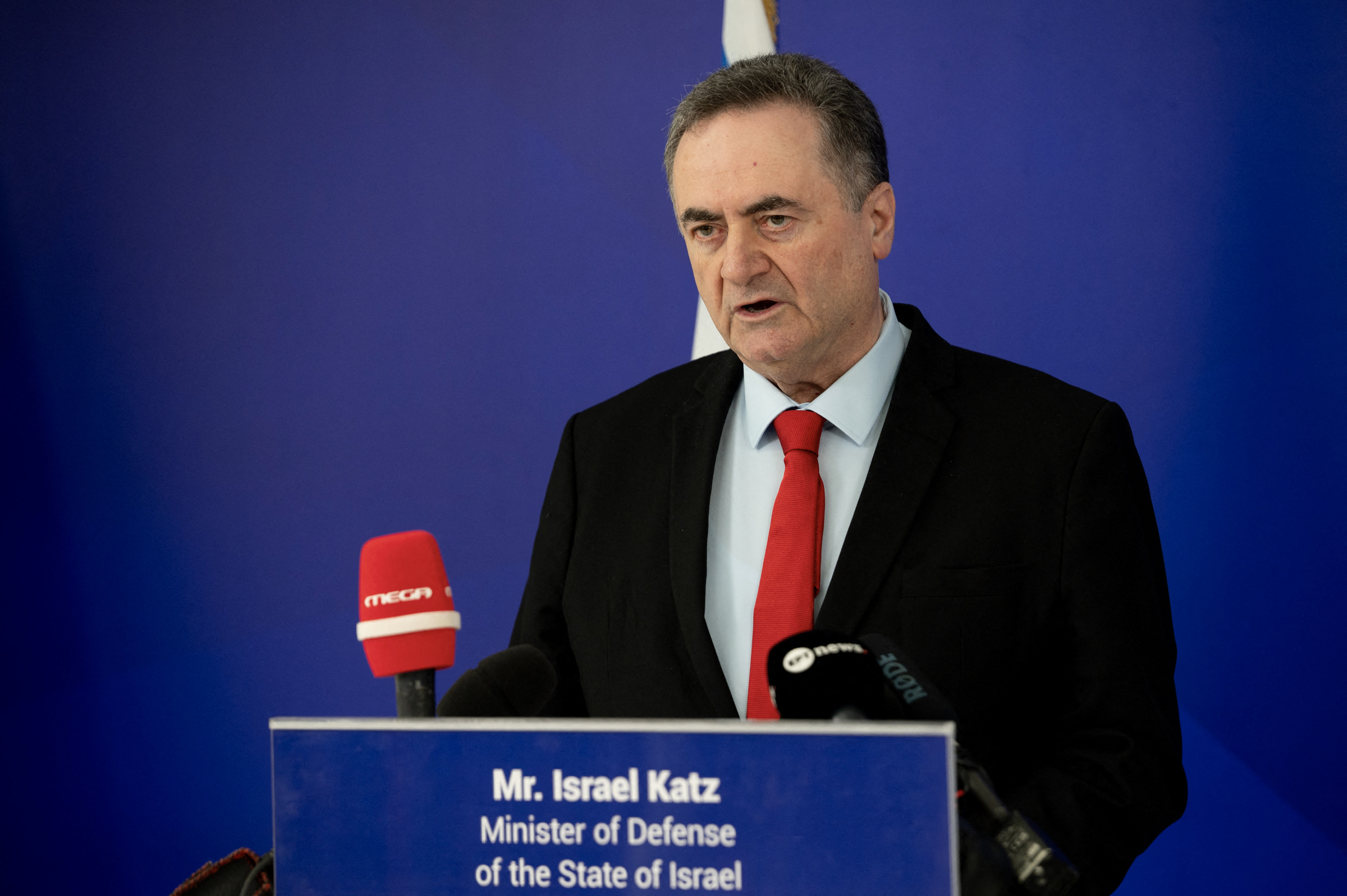 |
Israeli Defense Minister Israel Katz at a press conference in Athens, Greece on 20/1. *Photo: AFP*
On the same day, Iran's Khatam al-Anbiya Central Command, the supreme headquarters of the country's armed forces, warned of "much more devastating" retaliatory measures if the adversary attacks civilian targets.
A spokesperson for the Khatam al-Anbiya Central Command declared, "If attacks on civilian targets recur, the next phase of our offensive and retaliatory operations will be devastating and far more widespread."
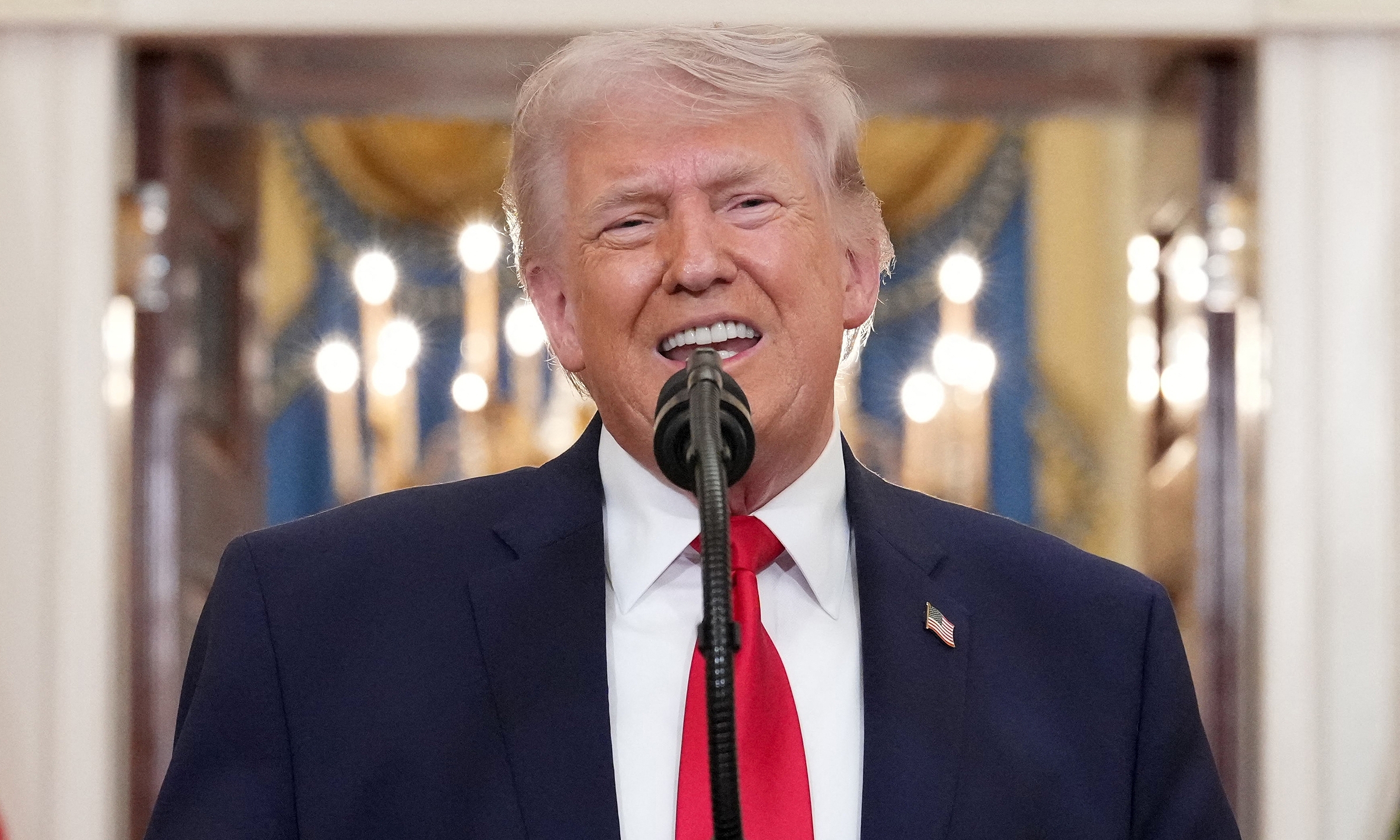
Previously, US President Donald Trump threatened to destroy Iran's civilian infrastructure, demanding Tehran reopen the Strait of Hormuz by 8 PM Eastern Time on 7/4 (7 AM on 8/4 Hanoi time).
Since the conflict began, Israel has used its sophisticated intelligence network to track and repeatedly assassinate high-ranking Iranian officials, striking blows to the nation's security system.
However, Iranian Foreign Minister Abbas Araghchi stated that Iran possesses a robust political structure, asserting that Israel's assassinations of high-ranking officials cannot deliver a "fatal blow."
Ngoc Anh (According to AFP, Times of Israel, AP)