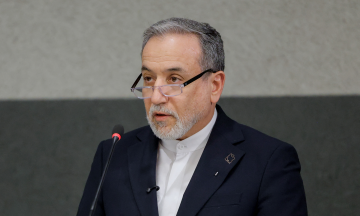
Major General Ali Abdollahi Aliabadi, commander of the Khatam al-Anbiya Central Command responsible for the operational activities of Iran's armed forces, warned on april 4 that "the gates of hell will open" for the US and Israel if attacks on Iranian infrastructure persist.
"Do not forget that if conflict escalates, the entire region will become hell for you. The illusion of defeating Iran has turned into a swamp, and it will engulf you", Khatam al-Anbiya Central Command spokesperson Ebrahim Zolfaghari stated later.
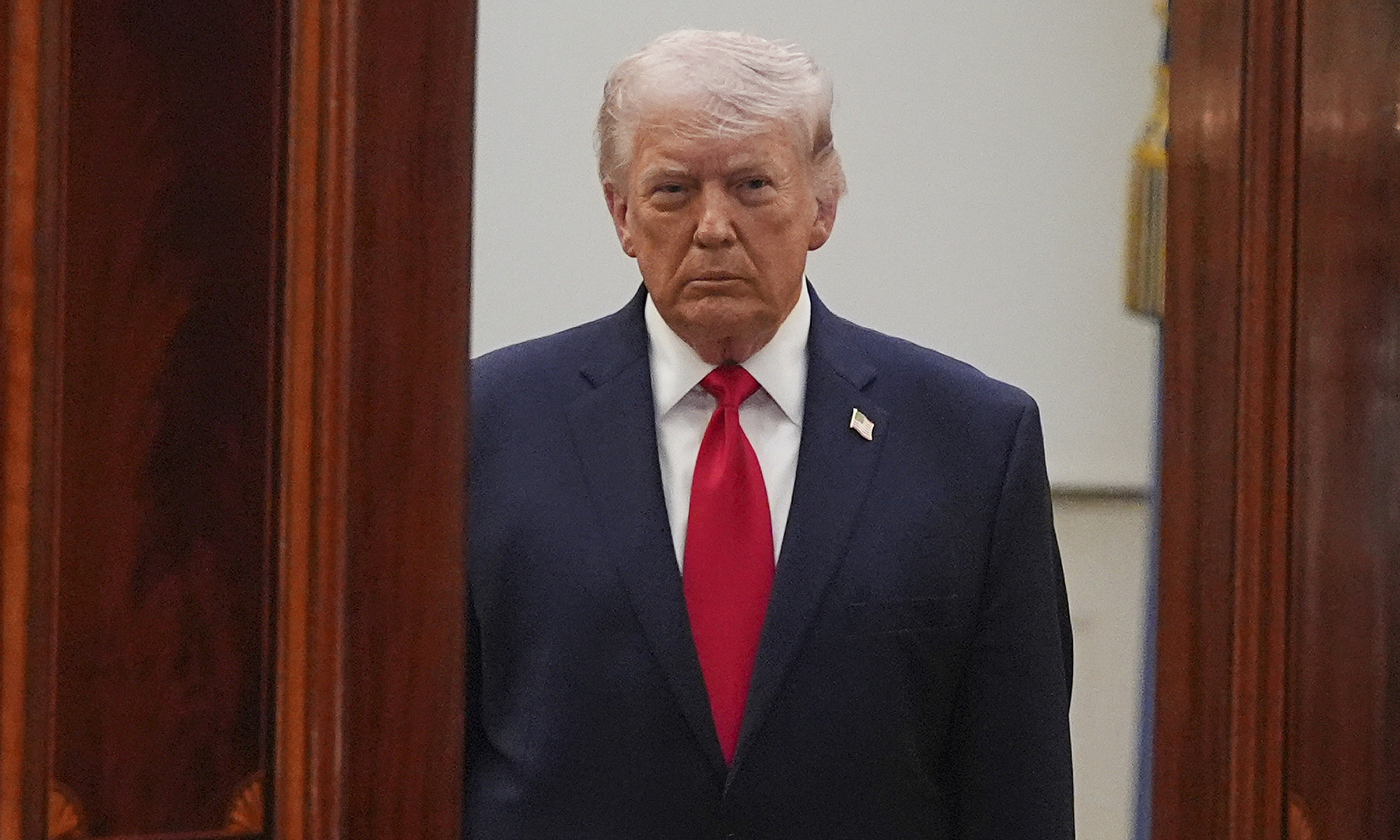
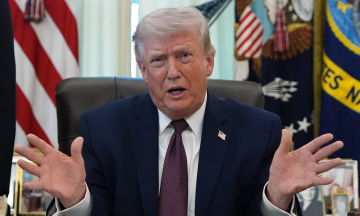
These comments followed US President Donald Trump's threat to "rain hell" on Iran unless Tehran reached an agreement to reopen the Hormuz Strait by april 6.
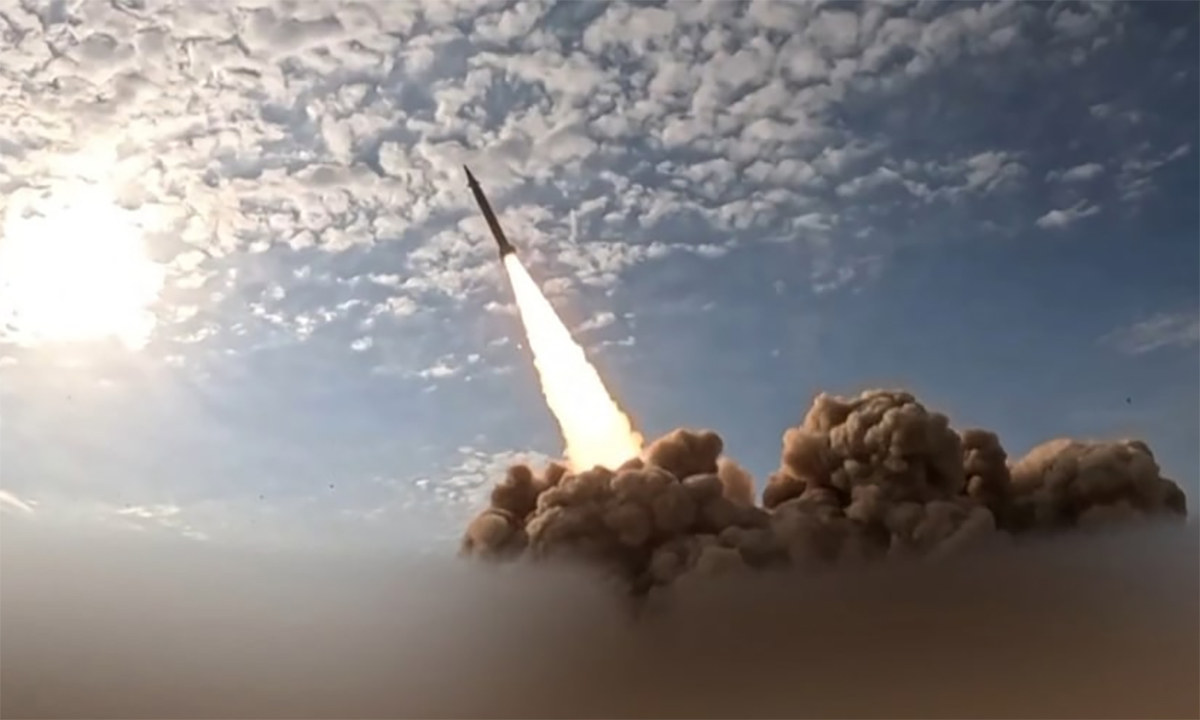 |
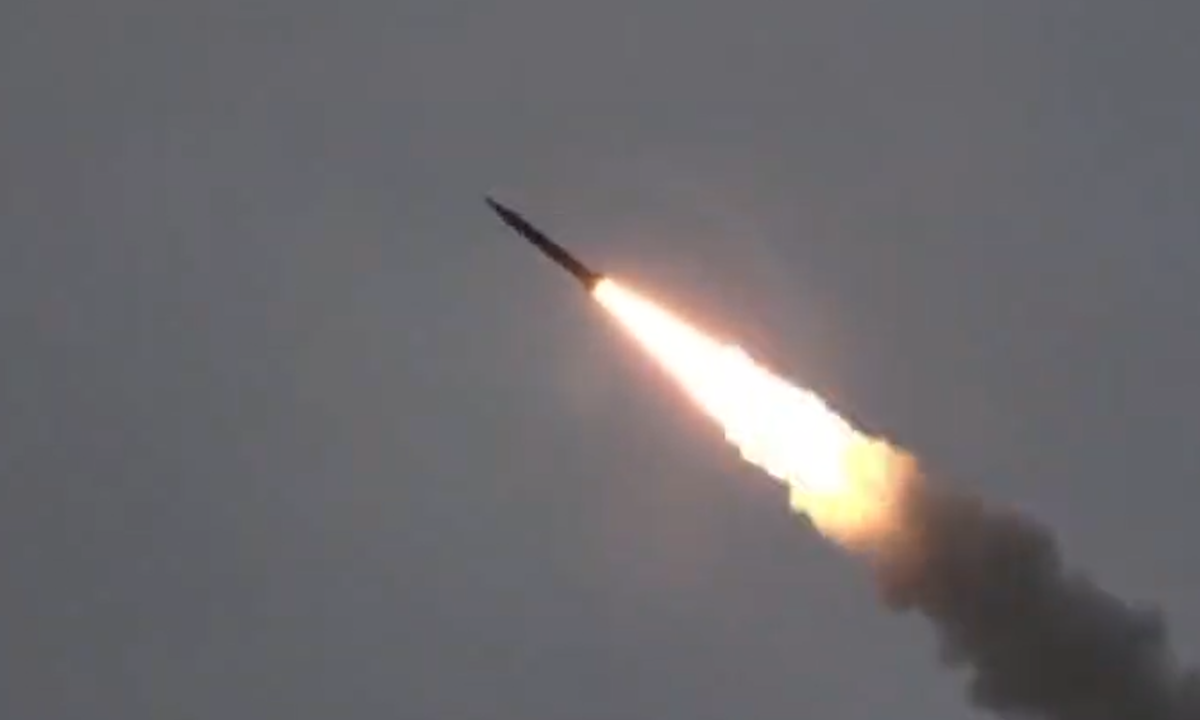
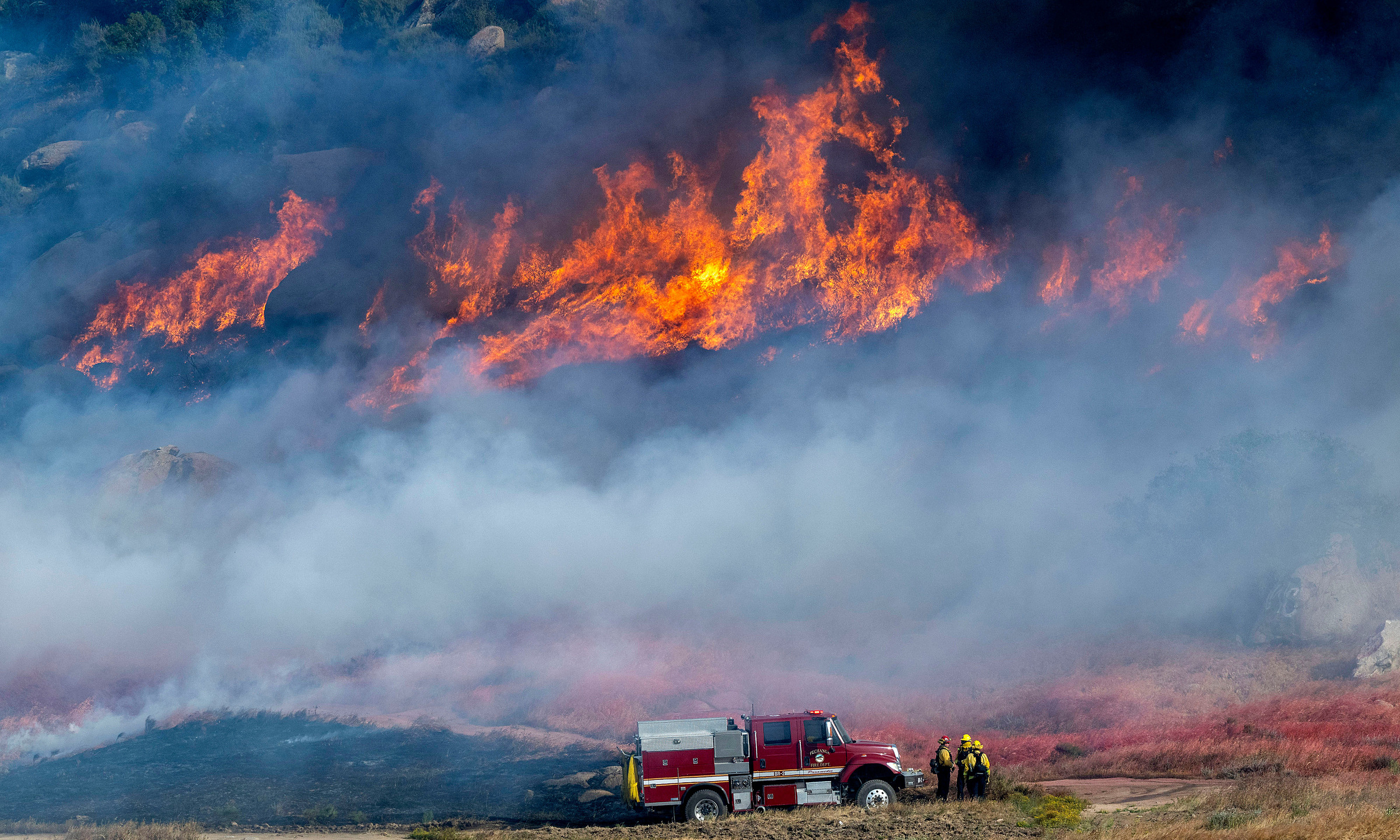
Iran launched missiles targeting Israel and US facilities in the Middle East on march 26. Photo: AFP |
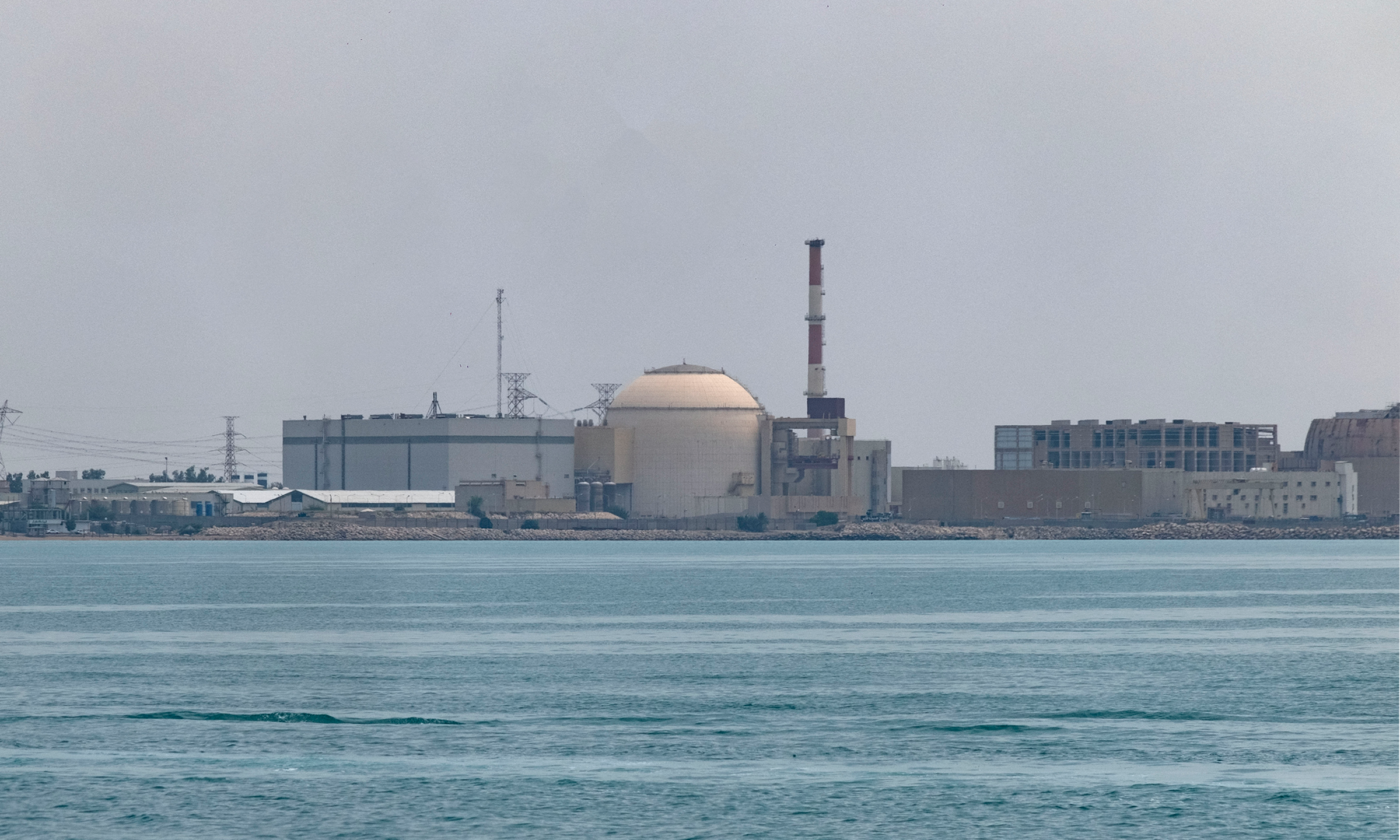
On april 4, a senior Israeli defense official indicated that Israel is preparing to attack Iran's energy infrastructure, pending a green light from the US.
According to the Wall Street Journal, several senior advisors recently presented to Trump that Iranian power plants and bridges are "legitimate military targets", whose destruction could cripple the country's nuclear and missile programs. Trump reportedly agreed with this argument.
On april 2, the US attacked a bridge connecting the city of Karaj to the capital Tehran, resulting in at least 13 fatalities. US officials asserted that this structure could be used to transport missiles, unmanned aerial vehicles (UAVs), and other military supplies.
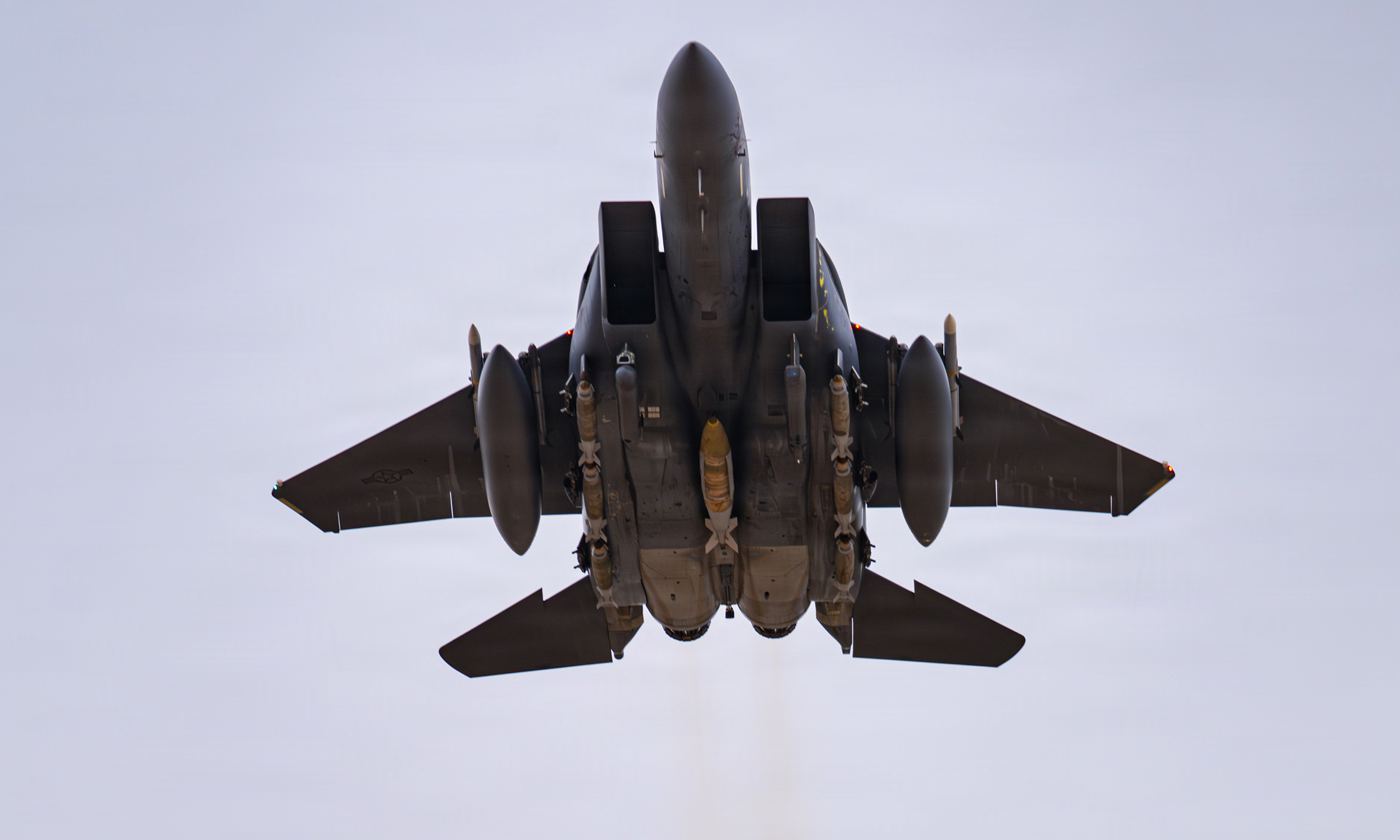
The next day, Trump warned that the US could launch more severe attacks, potentially impacting the lives of over 90 million Iranians. "The US military has not even begun to destroy what remains in Iran; next will be bridges, then power plants", he stated.
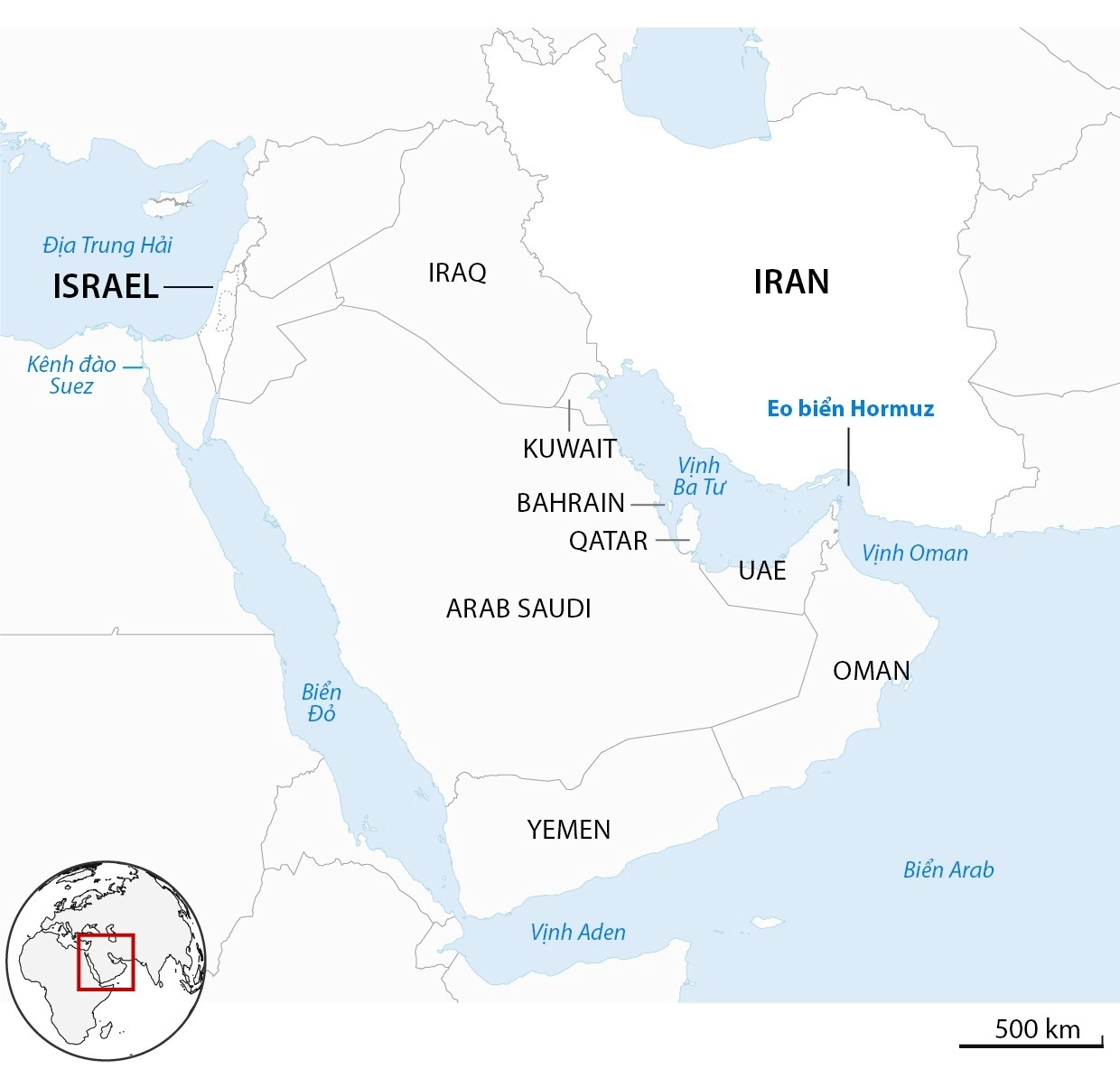 |
Countries in the Middle East. Graphic: AP |
However, some US defense and former officials told the Wall Street Journal that targeting enemy infrastructure to pressure them into negotiations or to send a political signal is not lawful. They emphasized that such operations are only permissible if they are essential for achieving a specific military advantage, if no other feasible method exists, and if they ensure no excessive harm to civilians.
When questioned about this information, Pentagon spokesperson Sean Parnell affirmed that the agency's mission is to ensure Trump has every military option available.
The conflict, which began on february 28, has resulted in over 3,000 deaths, primarily in Iran and Lebanon. Before the conflict erupted, the Hormuz Strait was a vital artery for approximately 20% of the world's crude oil and natural gas supply, along with one-third of the raw materials for global agricultural fertilizer production. According to Kpler data, about 240 ships traversed the Hormuz Strait between march 1 and april 3, a 94% decrease compared to pre-conflict levels.
By Nguyen Tien (According to AP, AFP, CNN, Tasnim)