Iran's foreign minister Abbas Araghchi stated today that Iran's position is being misrepresented by US media. He expressed gratitude to Pakistan for its efforts, affirming, "We are grateful to Pakistan for their efforts and have never refused to go to Islamabad."
Araghchi added that Tehran's top priority is to achieve "terms that will definitively and permanently end the unlawful war against Iran."
The foreign minister did not name the specific media outlet but seemed to refer to a Wall Street Journal article on 3/4. The US newspaper quoted unnamed mediators as saying that regional efforts, led by Pakistan, to help the US and Iran reach a ceasefire agreement "had reached a deadlock."
"Tehran had officially informed the mediators that it did not want to meet US officials in Islamabad in the coming days and that Washington's demands were unacceptable", the US newspaper reported.
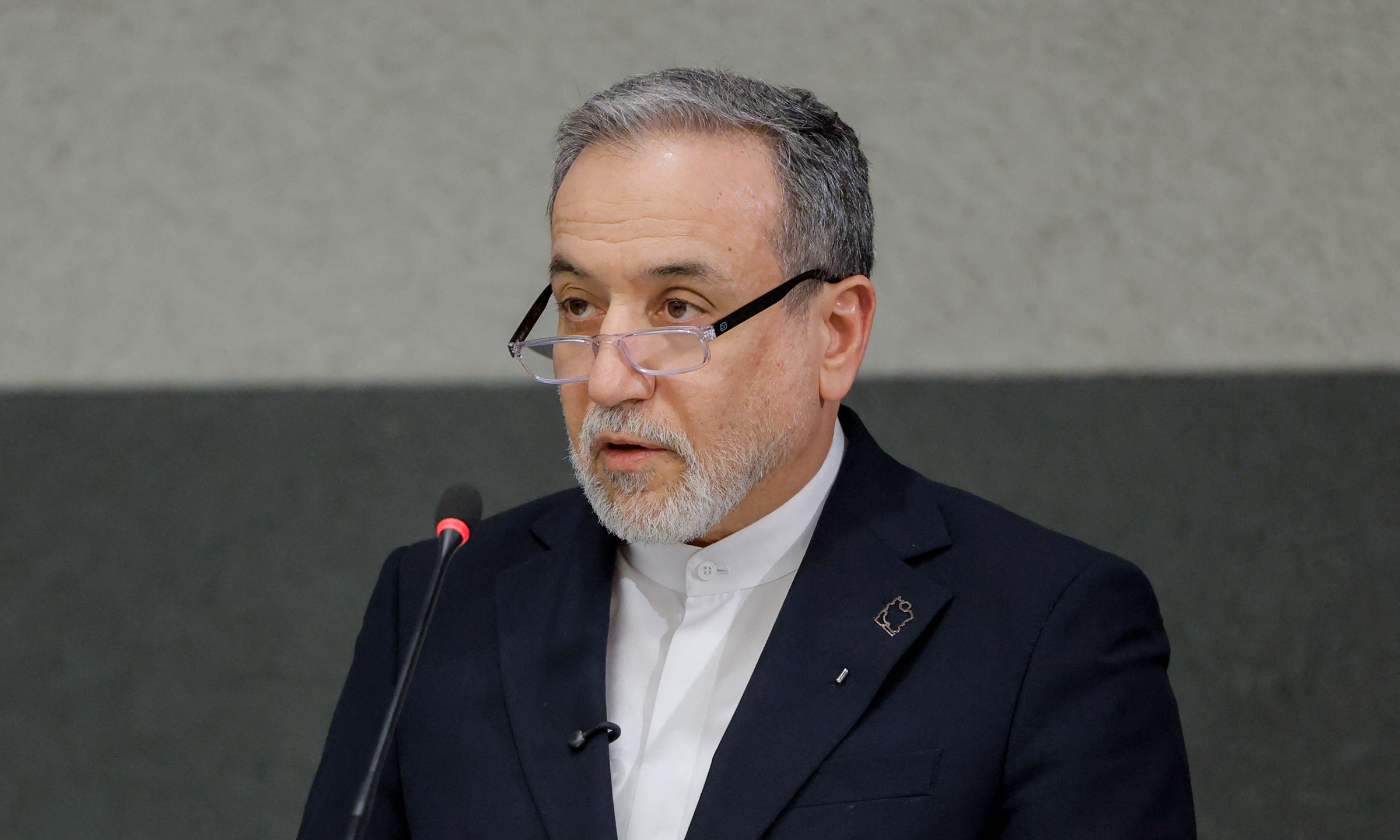 |
Foreign Minister Araghchi speaking at a United Nations conference in Switzerland in february. Photo: AFP
Mediators also stated that Turkey and Egypt are working to find solutions and considering new locations for negotiations, including Doha or Istanbul, as well as weighing new proposals to break the deadlock.
According to Axios, the US and Iran are discussing the possibility of an agreement in which a ceasefire would be established in exchange for Tehran lifting its blockade of the Strait of Hormuz. US President Donald Trump on 1/4 spoke by phone with Saudi Arabian Crown Prince Mohammed bin Salman about the possibility of reaching a ceasefire in the Middle East.
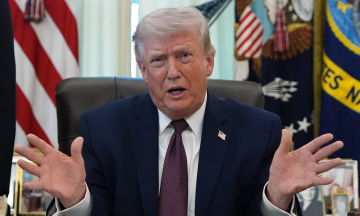
In a social media message that same day, President Trump stated that his Iranian counterpart Masoud Pezeshkian wanted to reach a ceasefire agreement and affirmed that this would only happen when the Strait of Hormuz is "open, free, and unimpeded." "Until then, we will bomb Iran until it is destroyed or returns to the Stone Age", Trump warned.
However, Iran's foreign ministry spokesperson called the US president's statement "false and baseless."
After the US and Israel attacked on 28/2, Iran launched a retaliatory campaign targeting military objectives and energy infrastructure in the Middle East with missiles and drones.
Tehran also almost completely blockaded the Strait of Hormuz, through which about 20% of the world's crude oil passes. Iran stated that "non-hostile vessels" could navigate the strait if they coordinated with Tehran and complied with published security regulations.
Pham Giang (According to AP, Al Jazeera, WSJ)