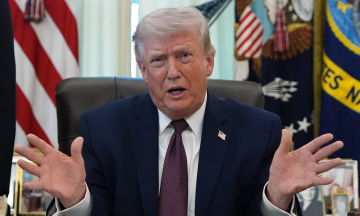
On 1/4, US President Donald Trump addressed the nation, declaring, "we have defeated Iran". He asserted that Tehran had been "devastated militarily, economically, and in every other aspect".
On 2/4, the head of US Central Command (CENTCOM) echoed this message, stating that "Iran's air defense and missile systems have been largely destroyed".
However, just one day later, the US Air Force experienced a "disastrous day", losing two aircraft and at least two helicopters to enemy fire. On the morning of 3/4, Iran announced it had shot down a US fighter jet, forcing two pilots to parachute onto its territory.
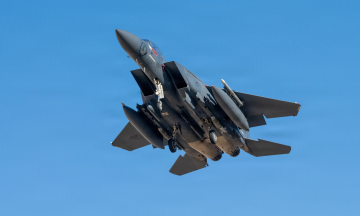
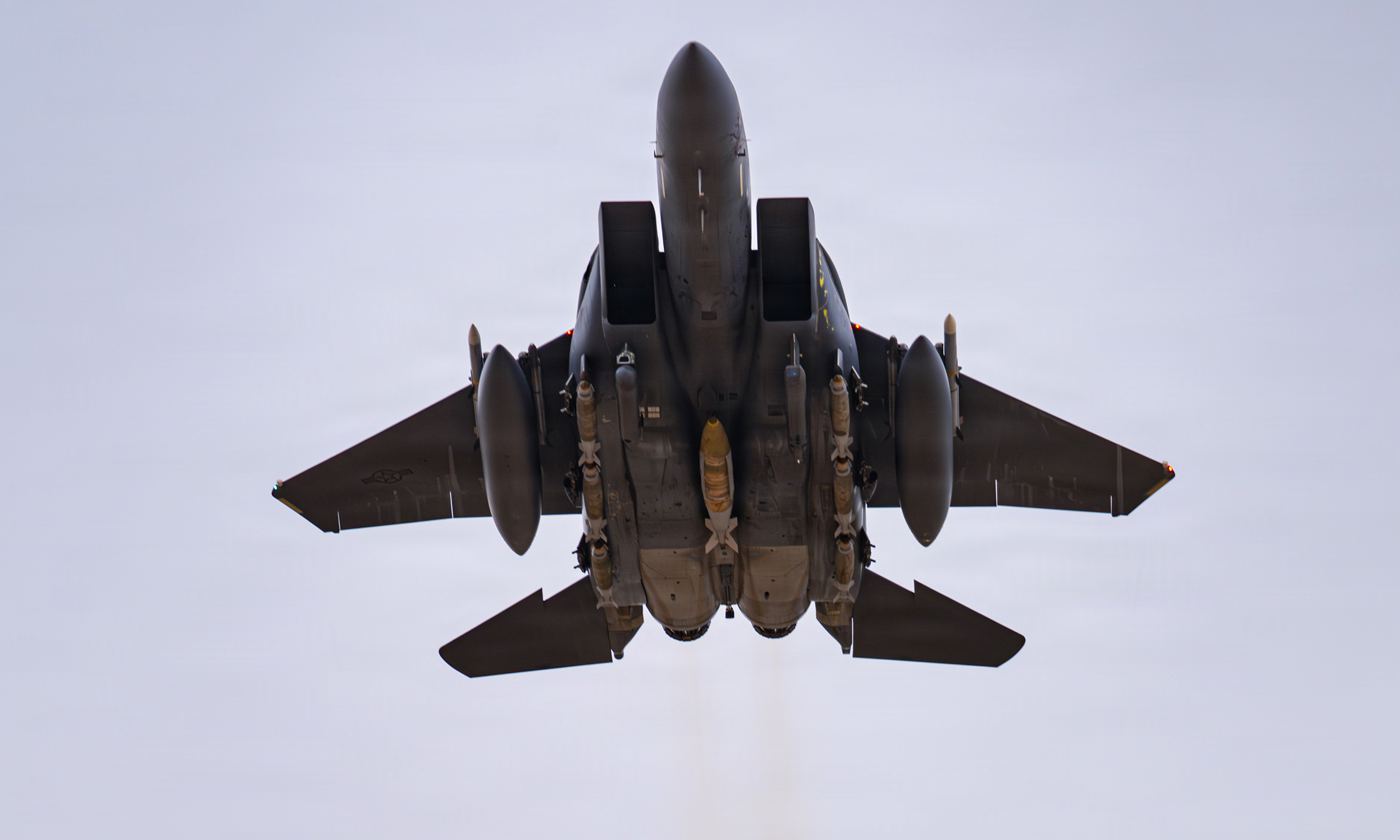
The downed fighter was identified as an F-15E Strike Eagle, a primary combat aircraft for the US in "Operation Horrific Rage" against Iran. A large-scale search operation was launched, leading to the rescue of the first pilot, but the second remains missing within Iranian territory.
This marks the first manned US aircraft shot down by enemy fire since "Operation Horrific Rage" began on 28/2.
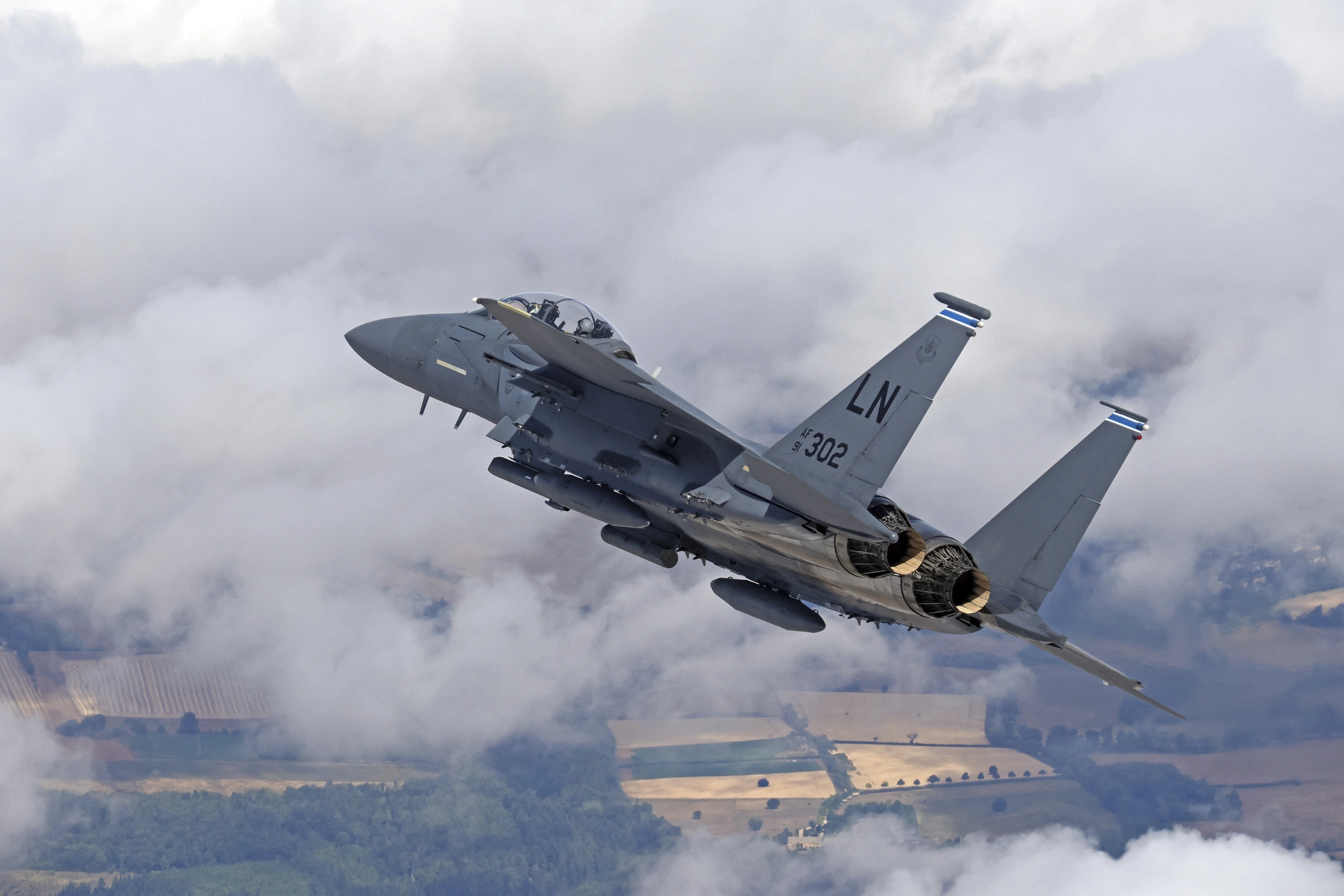 |
A US Air Force F-15E fighter jet. Photo: AFP |
While the US conducted its search, Iran reported that its forces had also shot down an A-10 attack aircraft. The NY Times quoted US officials as saying the A-10 pilot attempted to steer the aircraft out of Iranian airspace before ejecting and was safely rescued.
Two US officials also told Reuters that two helicopters from the search team were hit by Iranian fire but successfully exited Iranian airspace. One official stated that those aboard the two aircraft were safe, but at least one service member sustained injuries.
These incidents do not mean Iran has reversed its military standing against the US, but they "poured cold water" on President Trump's recent victory declarations. They also demonstrate that despite the intense US-Israeli offensive, Iran remains capable of inflicting losses on Washington, posing a growing challenge for President Trump, according to Dan De Luce, an NBC News analyst.
Both President Trump and Defense Secretary Pete Hegseth had previously implied that US and Israeli air forces were "operating freely" in Iranian skies, describing the country's air defense network as no longer capable of resistance.
When asked if Iran still posed a threat to US aircraft, President Trump on 1/4 reiterated, "they have no air defense equipment. Their radar has been 100% destroyed. We are an unstoppable military force."
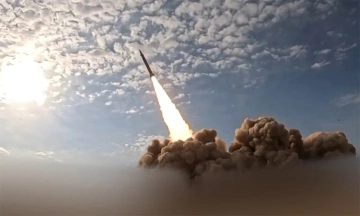
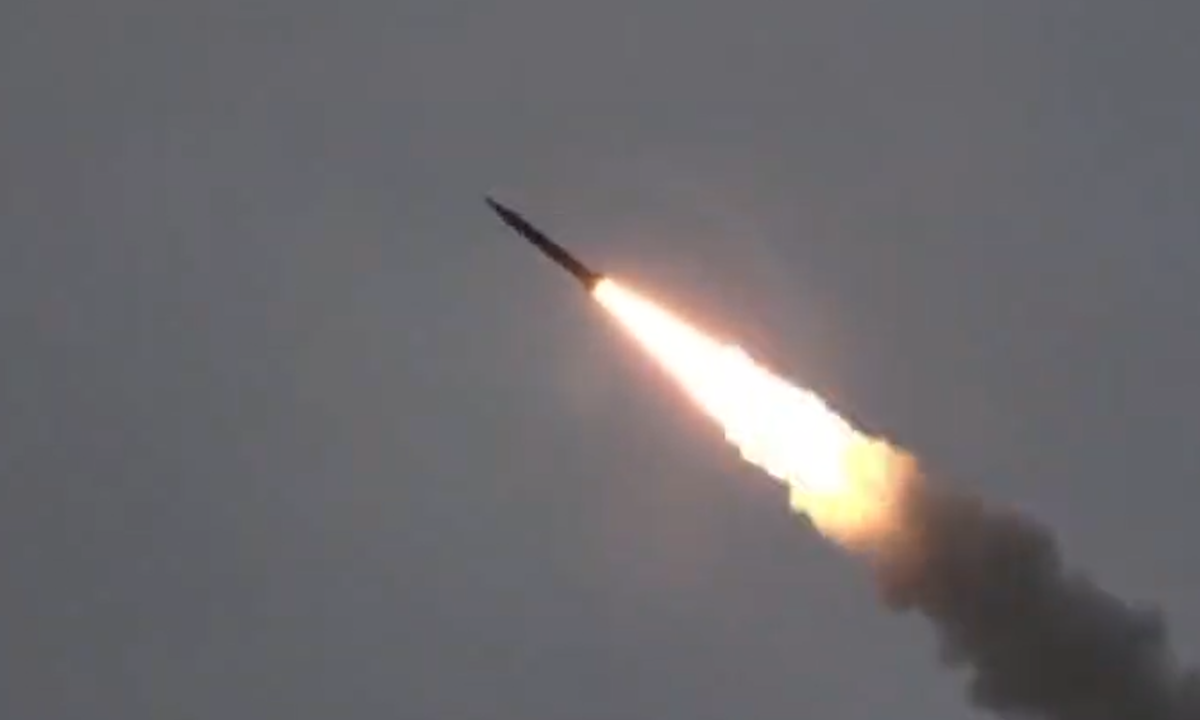
However, Iran immediately launched at least 50 ballistic missiles and over 150 unmanned aerial vehicles (UAVs) targeting US and allied objectives in the Persian Gulf.
According to a US official and sources familiar with the situation, about 50% of Iran's missile launchers remain intact, and thousands of UAVs are still stored in underground bunkers. The sources indicated that many underground missile storage facilities in Iran are undamaged, and the country could restore them within hours of an airstrike. Iran also retains the capability to launch missiles at vessels navigating regional shipping lanes.
"Even at the current rate of missile and UAV launches, Iran can maintain its strike capability for some time," noted Kelly Grieco, an expert at the Stimson Center.
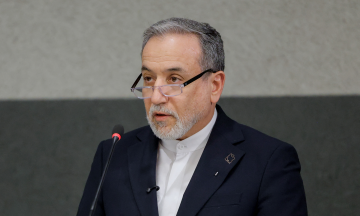
Beyond offensive capabilities, Iran's defensive and air defense capabilities are also being restored. Brigadier General Alireza Elhami, Commander of Iran's National Air Defense Joint Command, stated that Iranian soldiers are deploying new tactics, combining them with "modern equipment and innovative defense systems" to counter US and Israeli combat aircraft.
General Elhami did not specify the changes implemented by Iran's air defense forces, but the downing of the F-15E fighter and A-10 attack aircraft indicates that US and Israeli planes can no longer enter and exit Iranian airspace as freely as before, according to Courtney Kube, an NBC News analyst.
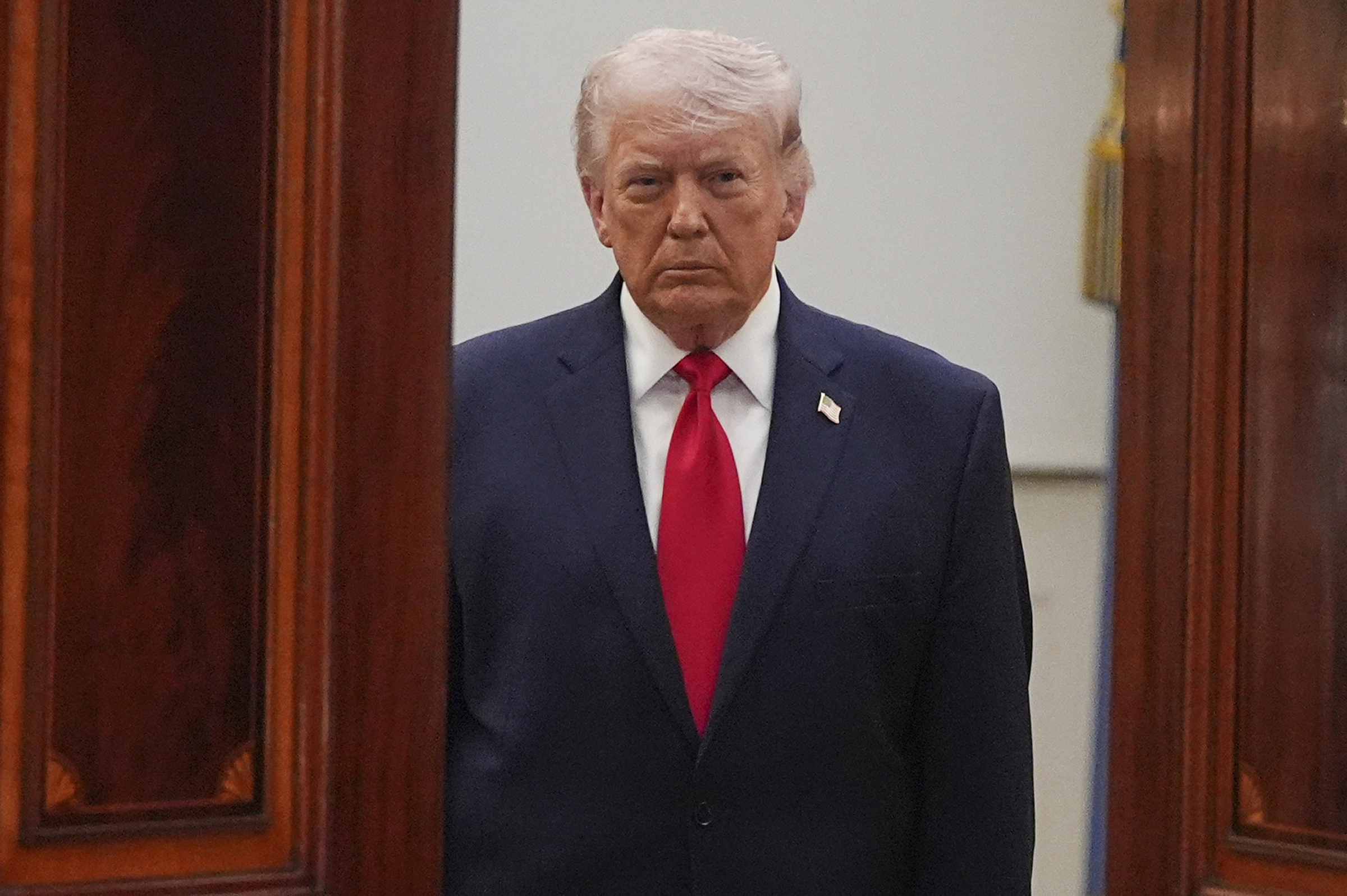 |
US President Donald Trump at the White House on 1/4. Photo: AP |
This places the US in a difficult position, particularly if the second pilot is captured alive by Iranian forces. In such a scenario, the diplomatic calculus of the conflict would change overnight, according to observers.
"The prospect of a US service member potentially alive and evading capture inside Iranian territory has put Washington in a tough spot in a conflict that has received little public support and shows no signs of ending soon," remarked Phil Stewart, a Reuters analyst.
Iran has informed intermediaries that it is not ready to meet US officials in Islamabad in the coming days, and Pakistan-led efforts to achieve a ceasefire have stalled, according to the WSJ.
The US and Israel initiated the operation with a wave of attacks that resulted in the death of Iran's Supreme Leader Ali Khamenei. Iran responded with a strong retaliation against Israel and US targets across the Persian Gulf. As of 3/4, over 3,600 people have died in the Iran conflict, including 13 US military personnel. At least 16 US Reaper UAVs have been shot down since the war began, including two this week.
After the F-15E was shot down, Iranian Parliament Speaker Mohammad-Bagher Ghalibaf sarcastically tweeted to President Trump on X, "after defeating Iran 37 consecutive times, this war has now been downgraded to 'Hey, has anyone found our pilot?'"
The Trump administration has repeatedly sought to reassure the American public that the Iran war is proceeding as planned and nearing its end. However, the downing of the F-15E fighter and its consequences have shaken President Trump's victory claims more than ever, analyst Kube observed.
Thanh Tam (According to Reuters, CNN, NBC News)