Iranian foreign minister Abbas Araghchi announced on 17/2 that talks with the US delegation in Switzerland were "more constructive" than the previous round earlier this month. Both sides will continue to develop draft agreements for exchange in the next round of negotiations.
"Ultimately, we were able to reach a broad consensus on a set of guiding principles, upon which we will continue to work and begin drafting the agreement," he stated.
Araghchi emphasized that this progress does not mean the US and Iran will sign an agreement soon; rather, the path to this goal has just begun.
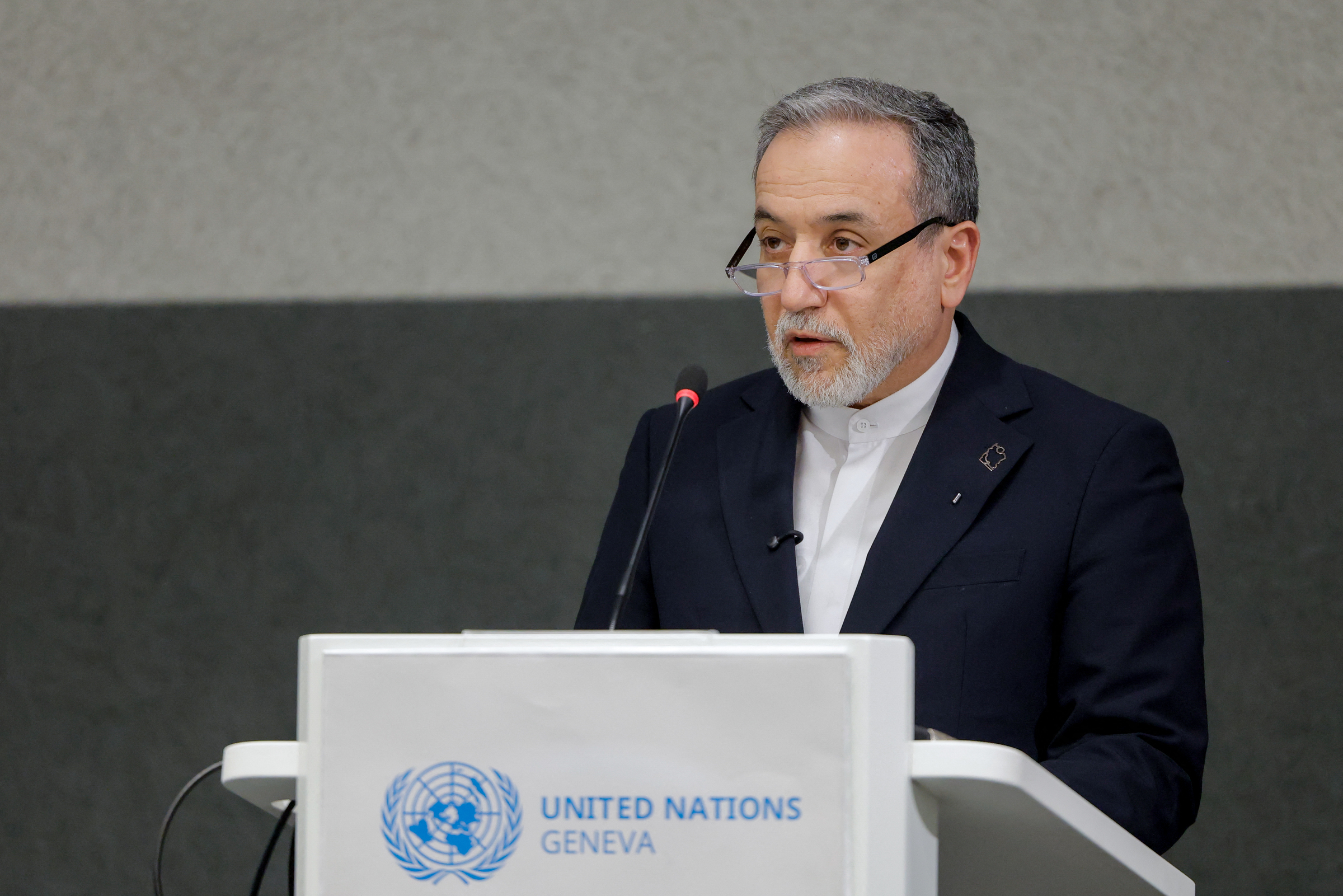 |
Iranian foreign minister Abbas Araghchi speaks in Geneva, Switzerland on 17/2. Photo: AFP |
The Iranian foreign minister also noted that negotiation progress in the coming period will "naturally slow down" as parties focus on drafting content. The timing for the third round of talks may be set after both sides complete the draft exchange.
Speaking at a disarmament conference in Geneva the same day, Araghchi called on the US to "immediately cease threatening the use of force" against Iran. He criticized Washington's unilateral withdrawal from the 2018 nuclear agreement, also known as the joint comprehensive plan of action (JCPOA), as a clear violation of international commitments, severely damaging trust and the stability of multilateral agreements.
Foreign Minister Araghchi stated that the nuclear non-proliferation treaty (NPT) recognizes the right of member states to research, produce, and use nuclear energy for peaceful purposes, including uranium enrichment. "This right is inherent, non-negotiable, and legally binding," he said.
Tehran has repeatedly affirmed it does not seek to develop or possess nuclear weapons, emphasizing that such weapons "have no place" in its national security doctrine.
 |
Location of the Strait of Hormuz. Graphic: CSIS |
During the Geneva talks, the Iranian government announced it would temporarily close a portion of the Strait of Hormuz for several hours to facilitate naval exercises by the Islamic revolutionary guard corps (IRGC), citing maritime safety. The official IRNA news agency reported that the exercises simulated realistic maritime threats.
The Strait of Hormuz, situated between the Persian Gulf and the Gulf of Oman, serves as the sole route for crude oil transportation from the Persian Gulf region to the world. Approximately 20 million barrels of oil, equivalent to one-fifth of global daily production, pass through this route. Iran controls the northern shore of the strait and has previously warned it could close this strategic shipping lane if tensions with the West escalate.
Thanh Danh (According to AFP, Reuters, Al Jazeera)