"With faith in almighty God, this war will continue until you are disgraced, humiliated, forever regretful, and lay down your arms and surrender," Ebrahim Zolfaqari, spokesperson for the Khatam al-Anbiya Central Command, the "supreme command" of Iran's armed forces, declared today.
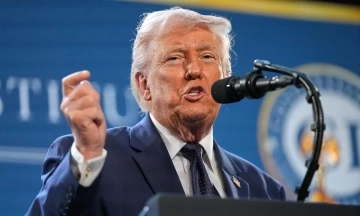
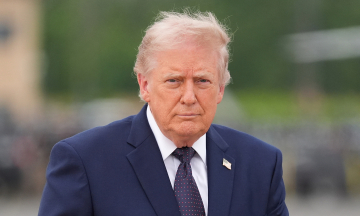
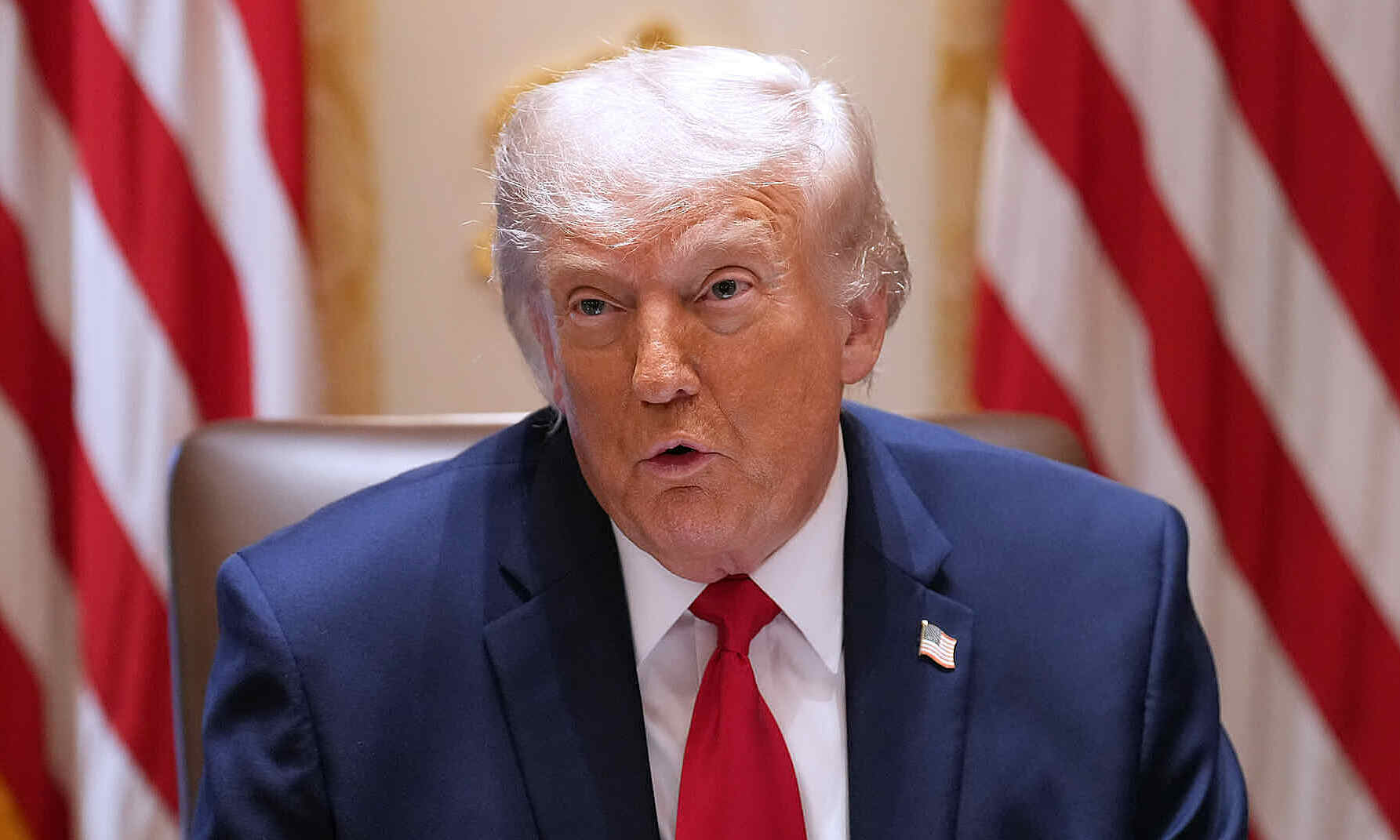
This declaration follows US President Donald Trump's statement on 1/4, where he addressed the nation, vowing Washington would bring Tehran "back to the Stone Age" within two to three weeks. Trump also claimed Iran has "very few" missile launchers left and that Tehran's ability to launch missiles and unmanned aerial vehicles has been "significantly limited".
According to Zolfaqari, Trump's remarks indicate that the US and Israel have not fully assessed Iran's military capabilities. "You know nothing about our vast strategic capabilities. Just await more destructive, larger-scale, and more devastating actions from us," the spokesperson warned.
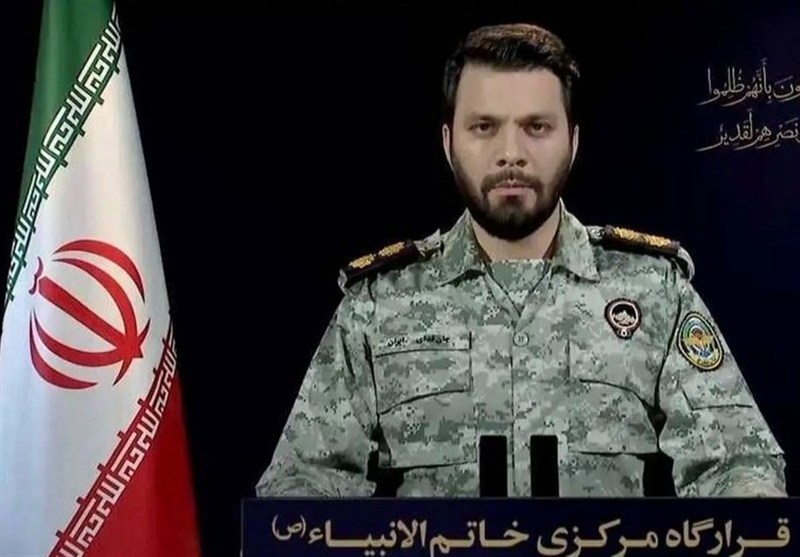 |
Ebrahim Zolfaqari, spokesperson for the Khatam al-Anbiya Central Command of the Iranian military. *Photo: Tasnim*
Zolfaqari also refuted claims that Iran's missile production centers and advanced systems have been destroyed. "Don't think that you have destroyed our strategic missile production centers, long-range attack drones, modern air defense and electronic warfare systems, or special equipment, because such assumptions only worsen the situation," he stated.
The spokesperson for the Khatam al-Anbiya Central Command affirmed that Iran's strategic weaponry production continues at secret locations, beyond the reach of enemy attacks.
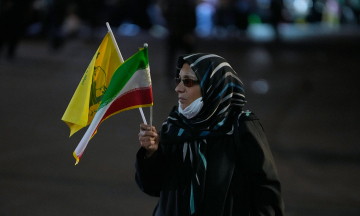
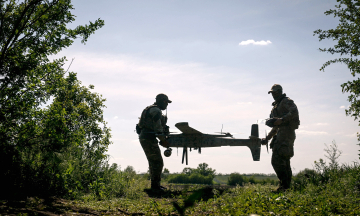
The conflict has escalated since Israel and the US launched an attack on Iran on 28/2. Over the past month, Iran has continuously retaliated with drone and missile attacks targeting Israel, Jordan, Iraq, and Gulf nations hosting US military bases.
President Trump has repeatedly stated that negotiations with Iran are progressing well, but Tehran rejected this, asserting it has not participated in any ceasefire negotiations with Washington.
The conflict to date has killed over 3,000 people, primarily in Iran and Lebanon. It has also devastated infrastructure and energy resources, disrupting global energy and aviation markets.
Huyen Le (According to AFP, Reuters, Anadolu)