After three months of conflict that has shaken the Middle East, the United States and Iran are moving closer to a peace agreement. Sources from the US, Iran, and the region stated on 28/5 that the two sides have discussed a memorandum to extend the ceasefire, reopen the Strait of Hormuz, and resume negotiations.
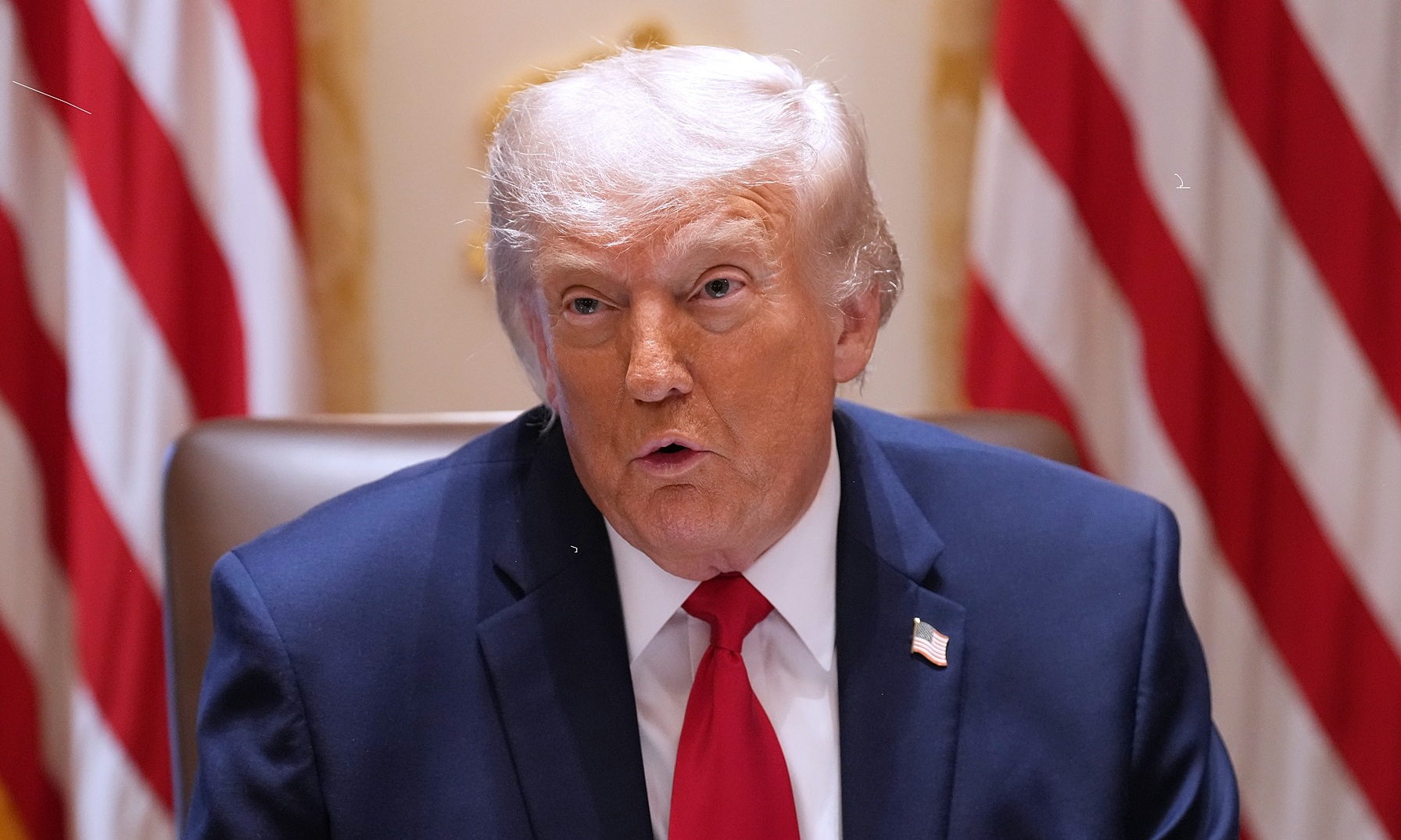
US Vice President JD Vance announced on the evening of the same day that the two sides had reached a preliminary framework, with the final decision resting with President Donald Trump. Iranian officials have not yet confirmed the media reports.
These developments reveal the structure of a potential agreement between Washington and Tehran, emerging after three months of conflict. According to AFP, this agreement could determine the success or failure of the peace process in the coming weeks.
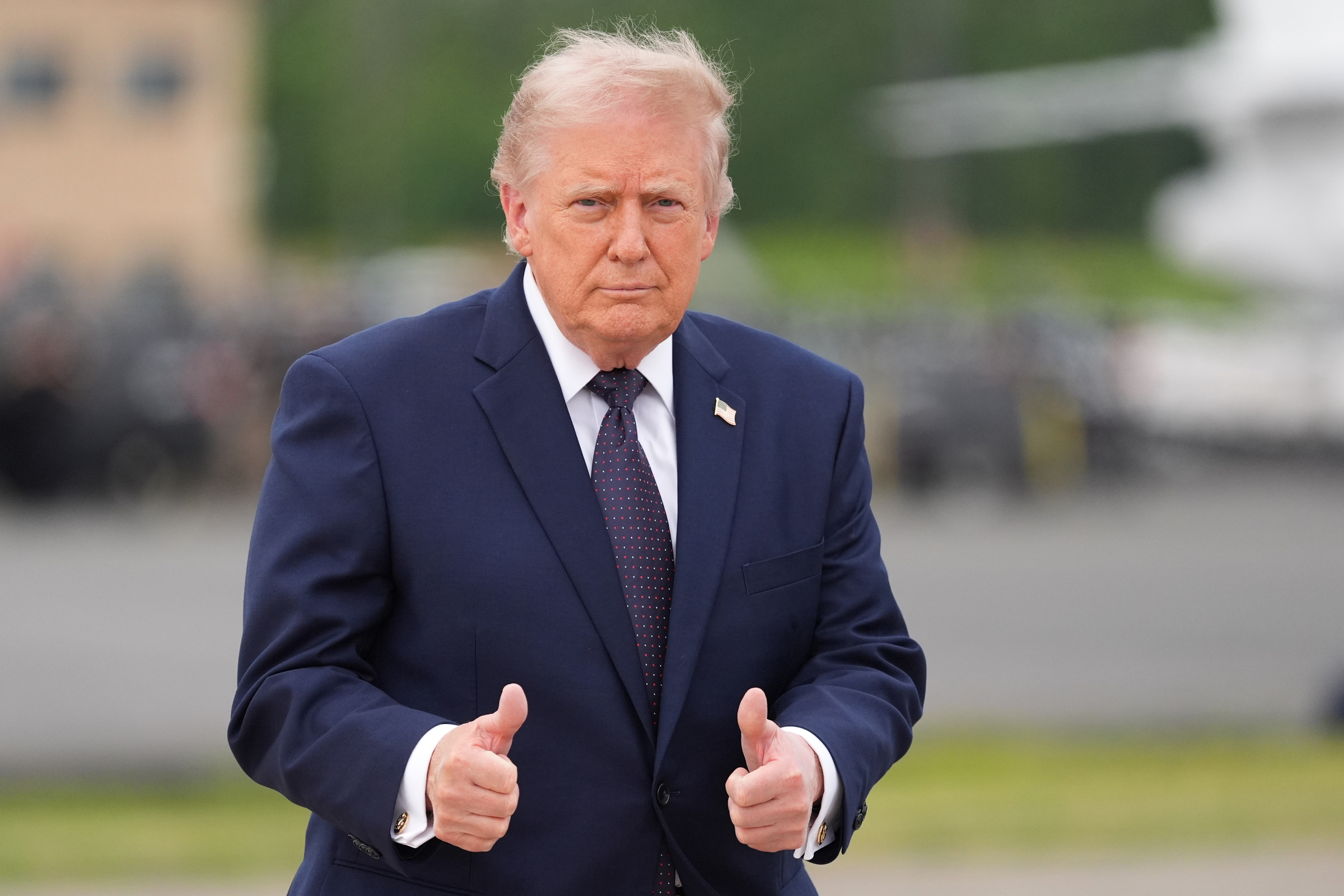 |
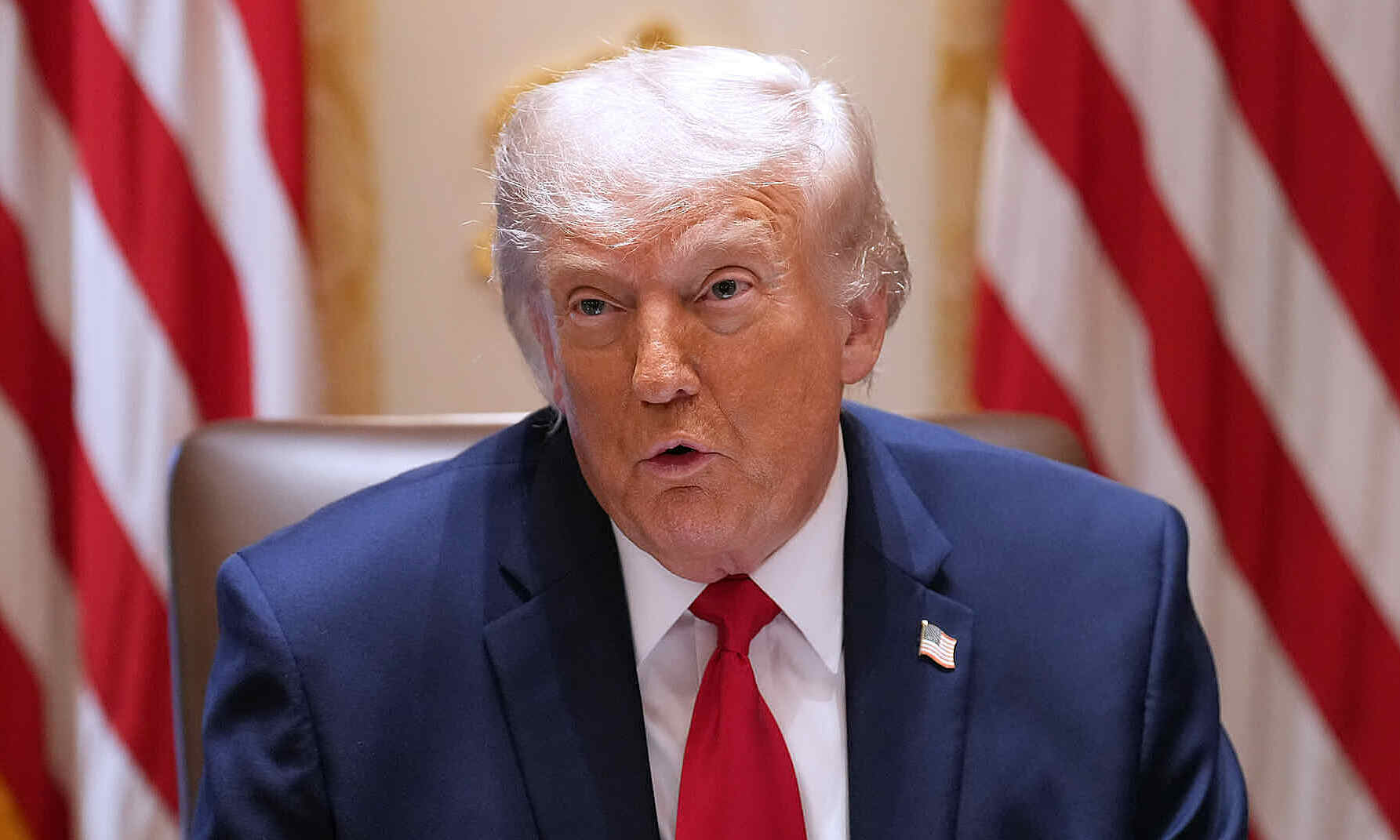
US President Donald Trump in Morristown, New Jersey on 22/5. Photo: *AP* |
Ceasefire Extension
According to sources cited by major news agencies like AP, Reuters, and CNN, US and Iranian delegations have agreed to extend the ceasefire for an additional 60 days. This period is considered a transitional phase for both sides to continue negotiating more complex issues.
The US and Iran initiated a ceasefire in early April, but the conflict has not fully ended, with both sides recently continuing to strike each other's targets. The risk of escalation remains, even as talks progress.
Regional officials indicate that the draft agreement also includes an end to fighting between Israel and Hezbollah, along with a commitment not to interfere in the internal affairs of other countries in the region.
A long-term ceasefire is expected to restore international shipping through the Strait of Hormuz and facilitate the reconstruction of energy infrastructure in the Gulf region.
Strait of Hormuz
During peacetime, the Strait of Hormuz is a crucial route for approximately 20% of the world's oil and natural gas shipments from the Gulf region. When hostilities erupted, Iran imposed an almost complete blockade on Hormuz, allowing passage only for ships from certain "friendly" nations, some of which had to pay fees for guaranteed safety.
Sources indicate that the current draft agreement includes restoring international commercial traffic through Hormuz. Axios reported that Iran would need to remove all naval mines within 30 days and cease imposing fees or restrictions on international cargo ships. In return, the US would gradually lift its blockade of Iranian ports, a measure Washington implemented on 13/4 to pressure Tehran's economy.
However, Iranian media suggests that Iran does not fully agree with the US interpretation. Fars News and Tasnim reported that if the agreement is signed, Iran would still maintain a degree of control over the Strait of Hormuz.
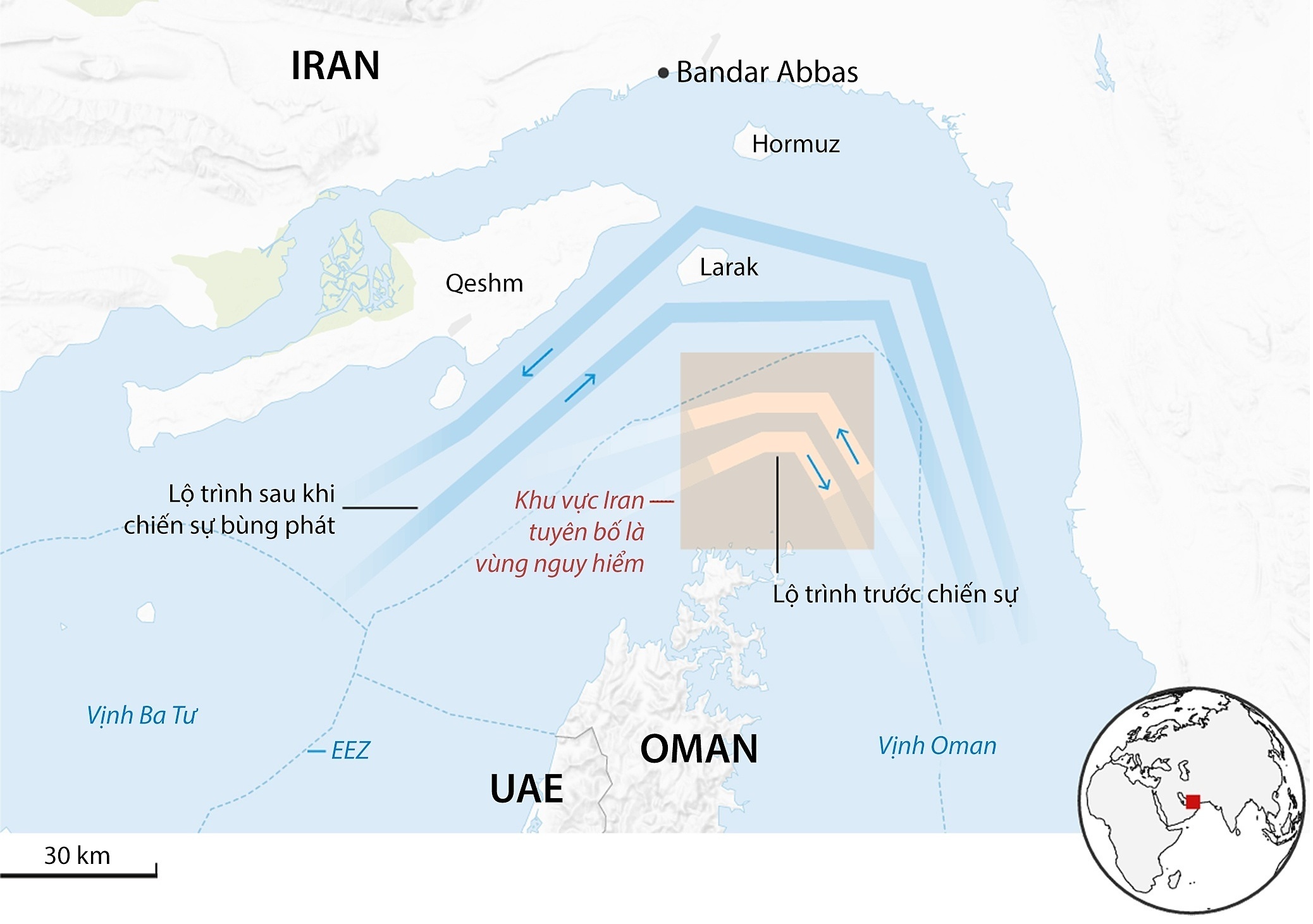 |
The shipping lane Iran designated for vessels passing through the Strait of Hormuz. Graphic: *Guardian* |
Sanctions Relief
Iran demands access to its 100-123 billion USD in assets frozen abroad due to US sanctions, aiming to alleviate economic pressure.
Tasnim stated that Tehran wants access to approximately 24 billion USD of these funds after signing the agreement. Of this amount, 12 billion USD "must be disbursed immediately upon the announcement of the memorandum." Fars News emphasized that Tehran "will not proceed to the next negotiation phase until at least 12 billion USD has been disbursed."
"The US commits to granting Iran full access to 12 billion USD of frozen assets within 60 days, so these funds can be transferred to and used in Iranian-designated banks without any restrictions," Iran's state television reported on 30/5.
Conversely, President Trump declared, "no money will be exchanged until further notice."
Regional sources indicate that Washington is considering granting waivers for Iran to resume oil exports during the negotiation period. Issues related to sanctions relief and asset disbursement will likely continue to be negotiated over 60 days, if the memorandum is adopted.
Iran's Nuclear Program
Iran's nuclear program remains a point of contention between the two sides. According to US sources, a core component of the agreement is that Iran would relinquish its stockpile of highly enriched uranium.
The International Atomic Energy Agency states that Iran currently possesses approximately 440 kg of uranium enriched to 60%, which is below the 90% threshold for nuclear weapons but far exceeds the needs of a civilian nuclear power program.
Some sources involved in the negotiations mentioned that options being discussed include diluting this uranium or transferring a portion to a third country.
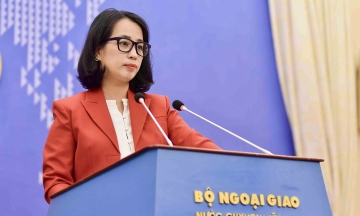
Iranian Foreign Ministry spokesperson Esmaeil Baghaei stated that the current focus is ending the war and "at this stage, Tehran is not discussing nuclear issues in detail." Fars News and Tasnim also affirmed that Iran has not committed to handing over its uranium stockpile or abandoning its right to develop nuclear technology.
Iranian President Masoud Pezeshkian announced that Iran is ready to "assure the world that we are not pursuing nuclear weapons."
The framework of the memorandum on this issue is currently unclear.
Lebanon and Allies
The draft agreement aims to end fighting in Lebanon, where Israel continues to launch attacks against Hezbollah, an Iranian ally. Tehran has consistently stressed that any agreement must encompass all fronts related to the war, including Lebanon.
Some sources indicate that the US seeks to ensure Israel's right to self-defense against what Tel Aviv perceives as imminent threats. Iran, however, opposes Israel maintaining the right to attack after a ceasefire agreement is signed.
In addition to Hezbollah, discussions reportedly involve other Iran-backed forces in the region, such as the Houthi in Yemen and Shiite armed groups in Iraq.
There is currently no information indicating that the two sides have reached a consensus on this matter.
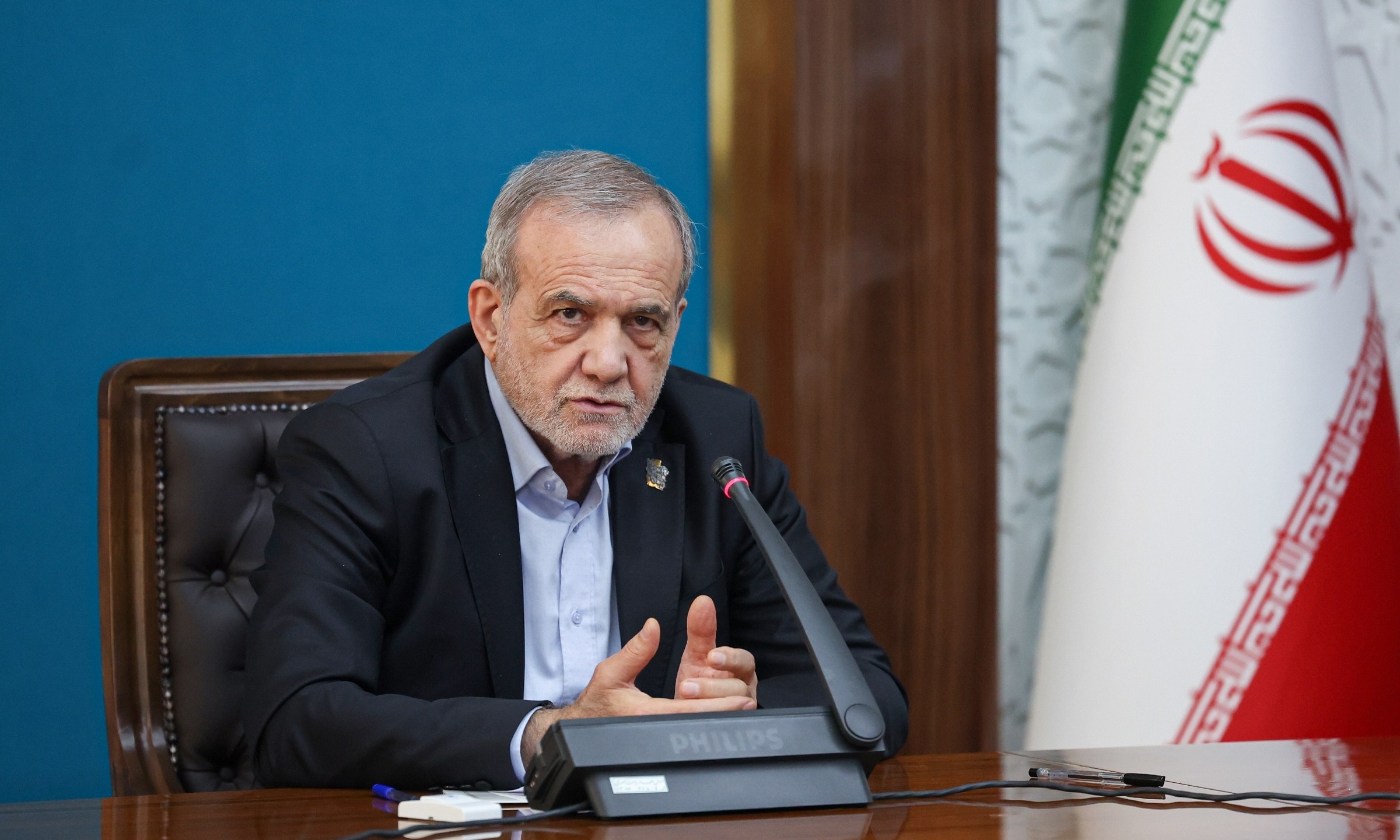 |
Iranian President Masoud Pezeshkian in Tehran on 19/2. Photo: *Reuters* |
Other Assurances
Despite descriptions of progress in the talks, many important questions remain unanswered. It is unclear whether Iran will continue to enrich uranium, and if so, what the limits will be. The fate of Iran's missile program has also not been explicitly addressed.
One of Iran's key demands is that the US provide assurances that it will honor any agreement reached. Iran and the P5+1 group of world powers, which included the US, previously reached a nuclear agreement in 2015, but President Trump withdrew the US from this agreement in 2018.
Iran's negotiating representative believes Tehran can only trust concrete actions from Washington, not mere statements. If the two sides reach an agreement, the final document will be submitted to the United Nations Security Council for ratification, representing the highest level of assurance under international law.
A White House official stated on 29/5 that President Trump would only sign a peace agreement with Iran if it benefits the US and meets the outlined conditions.
"Iran must never be allowed to possess nuclear weapons," the official added.
Nhu Tam (According to AFP, Al Jazeera, AP)