Israeli Prime Minister Benjamin Netanyahu confirmed on 24/3 that military operations against Iran would persist, even as the US pursues a diplomatic resolution. "US President Donald Trump believes we can leverage the results achieved by the Israel Defense Forces (IDF) and the US military to realize war objectives through an agreement. This agreement will protect our key interests," Netanyahu stated in a video, sharing the outcome of a phone call with the US leader, whom he called "a friend of Israel".
Netanyahu asserted that Israel has no intention of halting military actions against Iran at this time. He emphasized that the airstrikes are "systematically destroying" Iran's missile and nuclear programs. He also revealed that the IDF, days prior, killed two more Iranian nuclear scientists.
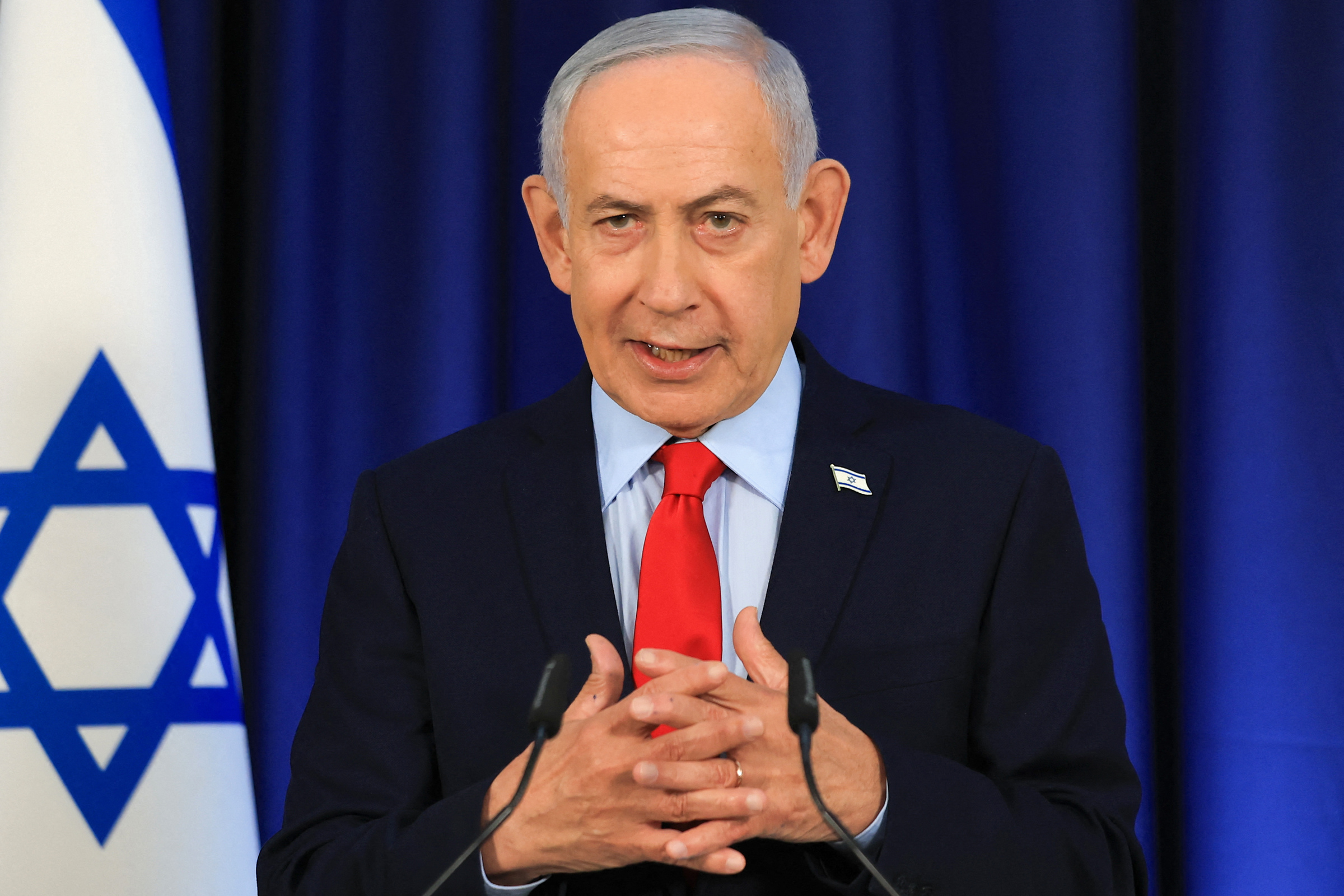 |
Israeli Prime Minister Benjamin Netanyahu holds a press conference in Jerusalem on 19/3. Photo: AFP |
"In parallel with these efforts, Israel will continue airstrikes on both the Iranian and Lebanese fronts. The country will protect its key interests in all scenarios," Netanyahu wrote on X, accompanying a video message to the Israeli people.
Immediately following Trump's negotiation announcement, the Israeli air force bombed targets in central Tehran. The Islamic Revolutionary Guard Corps (IRGC) retaliated by launching multiple missiles towards Israel.
An Iranian cluster warhead missile landed in Nesher, near Haifa, on the night of 23/3, causing no civilian casualties, according to the IDF. However, Israel's parliament canceled a late-night session after missile sirens sounded in the Jerusalem area.
President Trump said on 23/3 that the US and Iran had "positive and effective exchanges" over the past two days regarding a comprehensive resolution to hostilities in the Middle East. He stated he was negotiating with a "senior Iranian leader" to end the conflict, but not Supreme Leader Mojtaba Khamenei.
Iranian Foreign Ministry spokesman Esmaeil Baghaei denied President Trump's information, stating Tehran currently has no official contact with Washington.
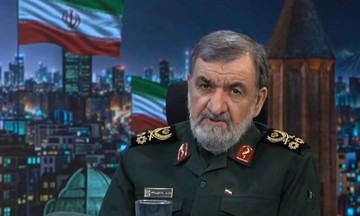
Mohsen Rezaei, a military advisor to Iran's Supreme Leader, declared that the country would continue fighting until all damages are compensated and sanctions are lifted. He suggested the conflict "could have actually ended more than a week ago," with the US ready for a ceasefire agreement after realizing "there was no chance of winning." However, Tel Aviv lobbied Washington to maintain hostilities.
Channel 12, citing informed sources, revealed that Tel Aviv obtained information about ongoing contacts between Washington and Tehran from 19/3. Prime Minister Netanyahu was regularly updated in the following days and spoke with US Vice President JD Vance on 23/3 about the issue.
Israeli officials believe that if an agreement is reached, it will likely align with Israel's core objectives in the war: ending Iran's nuclear program and imposing strict restrictions on its uranium enrichment activities.
By Thanh Danh (Sources: Times of Israel, AFP, NBC)